
Ergothioneine: The King of Antioxidants Hidden in Mushrooms
Ergothioneine is a significant breakthrough in the science of antioxidants. This uncommon amino acid, found mostly in mushroom species, has a different chemical structure and cellular transport mechanism compared to typical antioxidants [1]. Unlike other antioxidants, ergothioneine is slowly degraded or does not reach the target tissues and accumulates in mitochondria, cell nuclei and the organs most sensitive to oxidative stress [2]. This focused delivery makes it an appealing ingredient for medicines, cosmetics and nutraceuticals where consistency of performance is important
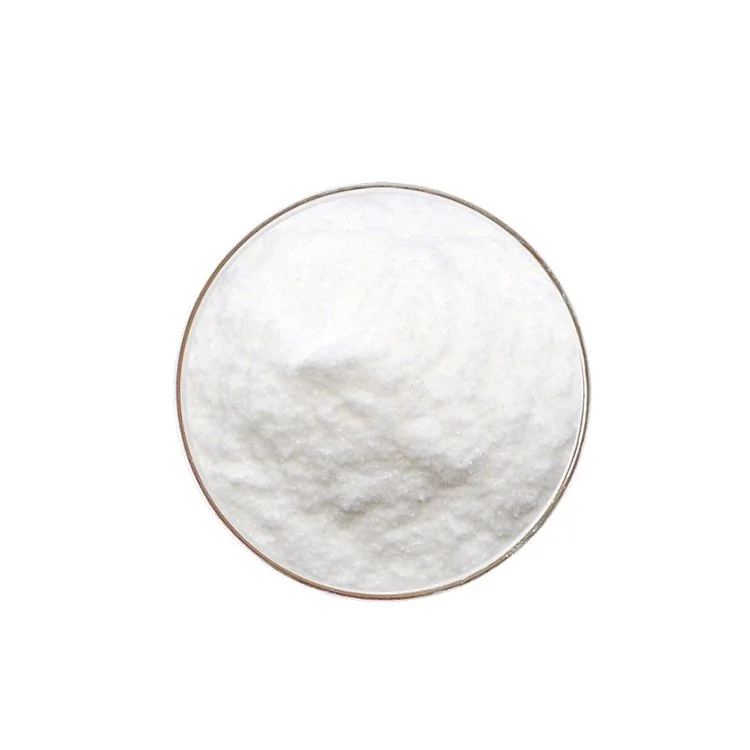
Purity: 1%-10%
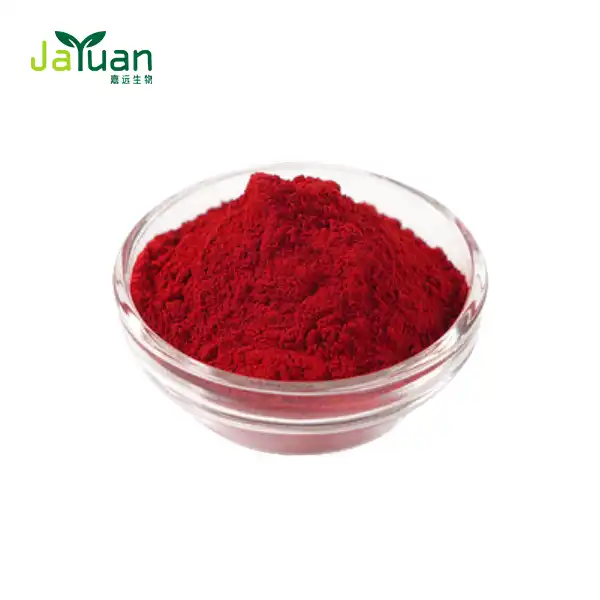
Appearance: Dark red powder
CAS NO.: 472-61-7
Molecular Weight: 596.85
Molecular Formula: C40H52O4
MOQ: 500G-1KG
Inventory: in stock
Our Advantages: Scalable production capacity, strict quality control, cost efficiency from integrated factories, over 20 years of experience, advanced technology, and 24/7 after-sales support.
Certificaions: FSSC2000/ISO2000/HALAL/KOSHER/HACCP
Delivery terms: FedEx, DHL, EMS, UPS, TNT, all kinds of the airline, international shipping companies.
Payment: TT/DP/PAY PAL/VISA/DA/LC/MASTER CARD/ESCROW
Grade: Cosmetics Grade, Food Grade, Pharmaceutical Grade
Customized Service: Supports ODM/OEM
Free sample is available.
We do not sell retail quantities to individuals.
Understanding Ergothioneine — The Antioxidant Powerhouse
Ergothioneine was first isolated from the ergot fungus over a century ago. Since then, research has revealed properties that set it apart from other naturally occurring antioxidants.
The Unique Biochemistry Behind Cellular Protection
Ergothioneine is taken up into cells by a specialised transport protein, OCTN-1 (Organic Cation Transporter Novel type 1) [5]. That's why scientists call it a "smart antioxidant" – the transporter makes sure the molecule gets to mitochondria and other sensitive parts of the cell where oxidative damage takes place.
Tissues under persistent oxidative assault, such as the brain, eye lenses, liver and skin, naturally have large amounts of this defensive chemical [1]. When food intake is reduced, these tissue resources are depleted, leaving cells more vulnerable to harm. At the molecular level, the thiol group of Ergothioneine may neutralise hydroxyl radicals, singlet oxygen, and peroxynitrite without creating hazardous byproducts [4].
Clinical Evidence Supporting Multi-System Benefits
Research across multiple physiological systems supports Ergothioneine's therapeutic potential:
- Neuroprotection: Studies indicate that Ergothioneine may help preserve cognitive function by shielding neurons from age-related oxidative damage [2].
- Cardiovascular health: Research suggests it supports normal inflammatory responses within blood vessel walls and helps maintain endothelial function [1].
- Skin protection: The compound remains stable across a broad pH range and resists thermal degradation.
UV radiation generates free radicals that accelerate skin aging, making Ergothioneine well-suited for photoaging formulations. Unlike ascorbic acid, which oxidizes rapidly when exposed to air and light, Ergothioneine maintains structural integrity throughout a product's shelf life [4].
Ergothioneine vs Other Antioxidants — Making an Informed Choice
Procurement managers evaluating antioxidants face a crowded field of ingredients, each claiming superior performance. Understanding the specific advantages and limitations of each option is essential for formulation success.
Bioavailability and Stability Comparison
Conventional antioxidants present several formulation challenges:
- Vitamin C (Ascorbic Acid): Widely used but unstable in aqueous environments. Ascorbic acid degrades rapidly when exposed to light, air, or neutral pH. Formulators struggle with discoloration and potency loss, making batch-to-batch consistency difficult to maintain.
- Glutathione: Poor oral bioavailability — stomach enzymes degrade it before absorption. Liposomal delivery improves uptake but significantly increases manufacturing costs. Topical applications also struggle with stratum corneum penetration.
- Coenzyme Q10: Supports mitochondrial function but is lipophilic, complicating water-based formulations. Its large molecular weight limits dermal absorption, reducing efficacy in topical products.
- N-Acetylcysteine (NAC): A glutathione precursor with better bioavailability than glutathione itself. However, its strong sulfur odor complicates consumer product formulation, and it requires strict temperature control during processing.
Ergothioneine is stable in the pH range of 3.0-9.0, withstands typical processing temperatures, and is transported using the OCTN-1 transport mechanism [5] to overcome these limits. Once included into a formulation, it remains active for the whole shelf life of the product without the need of sophisticated stabilisation mechanisms.
Natural vs. Biosynthetic Production Methods
Ergothioneine may be obtained by mushroom extraction or biosynthetic fermentation. Oyster, shiitake and porcini mushrooms contain large levels, however concentrations vary widely for species, substrate and growth circumstances [3][6].
Practical concerns also limit mushroom extraction: testing for heavy metal buildup, the varying level of active compounds in different mushroom harvests, and the expense and resource intensiveness of processing vast quantities of mushroom biomass into concentrated products.
Purity of 98% is consistently obtained via biosynthetic fermentation with certain bacterial strains. This process yields ergothioneine that is similar to the mushroom-derived form, but free from contamination and the stability needed for use in regulated sectors. Fermentation-derived sources provide better process control, quality assurance and supply chain dependability for B2B applications.
Sourcing Ergothioneine — What Procurement Managers Need to Know
As demand for this protective ingredient grows, understanding production capabilities, supplier qualifications, and quality standards becomes essential for informed procurement decisions.
Production Technologies and Quality Standards
Xi’an Jiayuan Bio-Tech has established manufacturing procedures that meet the key difficulties of procurement managers. We take an efficient, consistent and environmentally responsible approach to manufacturing.
We use ultrasonic-assisted and dynamic countercurrent techniques for extraction that enhance the yield by 30-50% over standard soaking. This decreases solvent use, speeds processing and minimises environmental effect. Purification is done using simulated moving bed (SMB) chromatography which allows continuous manufacturing while maintaining purity levels over 98%.
Our Distributed Control System (DCS) controls pH, temperature and flow parameters during extraction and purification accurately. This automatic monitoring lowers human variability and guarantees excellent batch stability – critical when compositions need constituents that operate consistently.
We have two tracks for quality assurance. Near-infrared spectroscopy allows real-time measurement of extract concentrations throughout processing, so that fast modifications may be made. The completed goods were tested for EP/USP pharmacopoeia standards by HPLC and GC-MS offline. Our facilities are ISO 13485 and GMP certified and comply with the regulatory criteria for the Chinese, US and European markets.
Cost Efficiency Without Quality Compromise
The lowest-priced option is not always the most cost-effective. Our manufacturing model reduces costs without compromising quality:
- Comprehensive raw material utilization: Multiple high-value compounds are extracted from the same plant material, spreading processing costs across several product lines.
- Solvent recovery: Our multi-effect evaporation and condensation system recovers over 90% of methanol and ethanol, reducing raw material expenses.
- Economies of scale: With an annual capacity of 10 tons, our fixed costs are distributed across larger volumes, resulting in unit prices 40–60% lower than smaller producers. These savings translate into competitive pricing for bulk orders.
- Extended shelf life: With moisture controlled at 0.5% or below and nitrogen-sealed packaging, the product maintains stability for over three years, reducing waste from expired stock.
Safe and Effective Usage of Ergothioneine in Products
Bringing Ergothioneine-containing products to market requires understanding both application guidelines and the regulatory landscape.
Dosage Recommendations and Safety Profile
Clinical investigations have shown that daily dosages of 5-30 mg are helpful in increasing the body’s Ergothioneine levels without side effects [1][4]. Human safety tests have not shown any major negative effects, even at higher dosages. The molecule is water-soluble therefore excess levels are easily expelled, unlike fat-soluble vitamins which may accumulate.
For external use cosmetic preparation, a concentration of 0.5% to 2% is often used. The ingredient operates effectively in a wide range of formulation bases, from water-based serums to emulsion creams and anhydrous systems. Its pH stability provides formulators with flexibility without needing complicated stabilisation processes.
It’s been shown that oral supplementation would efficiently boost levels in plasma and organs. The OCTN-1 transporter guarantees that Ergothioneine reaches the target tissues and is not prematurely metabolised or eliminated [5]. This rapid transport allows therapeutic objectives to be reached at lower dosages than with antioxidants that are dependent on passive diffusion.
Regulatory Compliance Across Key Markets
- United States: Ergothioneine is generally recognized as safe (GRAS) for use in functional foods and dietary supplements. While GRAS ingredients do not require FDA pre-approval, manufacturers must ensure accurate labeling and substantiated claims.
- European Union: Permitted in cosmetics and food products, subject to quality and labeling requirements. Finished products must clearly list ingredients, concentrations, and usage instructions.
- China: Approved for use in food applications, subject to safety and manufacturing quality standards. Our facility meets domestic biopharmaceutical industry requirements and qualifies for government R&D funding.
We supply entire product registration documents including precise production specifications, safety data sheets, stability studies and certificates of analysis to fulfil the requirements of numerous regulatory organisations.
Future Opportunities — Ergothioneine Market Trends and Innovations
The antioxidant ingredients industry continues to expand as both scientific knowledge and consumer demand for evidence-based natural products is growing. Knowing what is happening in the market allows procurement teams to position their company ahead of the curve.
Emerging Research Directions
Current research is expanding Ergothioneine's potential applications beyond its established uses:
1. Neuroprotection and healthy brain aging: Studies show that Ergothioneine crosses the blood-brain barrier and accumulates in brain tissue, where it may protect neurons from age-related oxidative stress [2]. This has implications for cognitive health formulations.
2. Cellular senescence: Research on aging focuses on cellular senescence — the process by which cells lose their ability to divide and function. Studies suggest Ergothioneine may help maintain normal cell cycle regulation and support healthy inflammatory responses associated with visible aging, generating interest from premium anti-aging cosmetics brands [4].
3. Metabolic health: Investigations into Ergothioneine's effects on mitochondrial function suggest it may support energy metabolism and glucose regulation, opening possibilities for metabolic health and sports nutrition products.
Market Growth Drivers and Strategic Considerations
There are many variables driving market growth. Health-conscious customers want natural ingredients with proven performance and will pay a premium for goods with proven efficacy. The clean-label movement favours organically produced, recognisable substances over synthetic ones, such as those obtained from mushrooms [6].
Advances in extraction and processing technologies have lowered the cost of manufacturing, allowing mid-market brands to access high-purity Ergothioneine. That’s the point of our purification breakthroughs – delivering pharmaceutical-grade purity at a low price.
Supply chain stability is a key issue. Our business is completely integrated with contractual raw material agriculture near our Qinling Mountains plant, which insulates us from the spot market price volatility that impacts rivals. Zero-liquid-discharge wastewater treatment and composting of processing leftovers are among the sustainable manufacturing techniques that conform to the environmental obligations increasingly anticipated by foreign purchasers.
Working together with ingredient suppliers and product manufacturers helps speed up development schedules. Our technical staff collaborates directly with the formulators on co-development projects to maximise the performance of ingredients in particular applications. This partnership minimises time-to-market and the chance of a successful product launch.
Conclusion
Ergothioneine offers a combination of targeted cellular protection, formulation stability, and growing scientific support that positions it as a valuable ingredient for cosmetics, pharmaceuticals, and supplements. Its ability to accumulate precisely where oxidative stress causes cellular damage, delivered through a specialized transport system, gives it practical advantages over conventional antioxidants. For procurement professionals seeking to differentiate their product offerings, partnering with a manufacturer that delivers consistent quality, regulatory compliance, and transparent production processes provides a reliable foundation for innovation and market positioning in these growing categories.
FAQ
1. What purity levels should we expect from bulk ergothioneine powder?
Pharmaceutical-grade Ergothioneine powder should achieve at least 98% purity when produced using modern fermentation and analytical methods. Cosmetic-grade standards typically range from 95% to 98%. Always request Certificates of Analysis documenting HPLC results, chiral purity, heavy metals screening, microbial contamination testing, and residual solvent levels. Jiayuan Bio-Tech maintains purity above 98% using simulated moving bed chromatography, with complete quality documentation provided for every batch.
2. Can ergothioneine be combined with other antioxidants in formulations?
Yes. Ergothioneine works synergistically with other antioxidants, often producing complementary effects. Combining it with vitamin E, resveratrol, or CoQ10 can broaden the spectrum of oxidative stress protection. The compound's transport mechanism and stability mean it does not interfere with other ingredients' activity. Unlike sensitive antioxidants requiring special handling, Ergothioneine functions across a pH range of 3.0–9.0 and remains stable at elevated temperatures.
3. What certifications should we request from ergothioneine suppliers?
Essential certifications include GMP (Good Manufacturing Practice), ISO 9001 for quality management systems, and ISO 13485 for pharmaceutical or medical device applications. Request third-party testing verification, GRAS status documentation for food applications, and compliance certificates for your target markets. Each batch should include a Certificate of Analysis, allergen statement, GMO status declaration, and Material Safety Data Sheet. Our facility maintains full compliance documentation for European, US, and Chinese regulatory requirements.
Partner with Jiayuan Bio-Tech for Premium Ergothioneine Supply
Product success depends on ingredient quality and supplier reliability. Xi'an Jiayuan Bio-Tech delivers both through current manufacturing technology, rigorous quality control, and responsive customer service. As an established Ergothioneine manufacturer, we offer purity above 95% suitable for pharmaceutical applications, comprehensive testing documentation, and full regulatory compliance across major markets.
Our manufacturing advantages provide a competitive edge: efficient extraction methods maintain high quality while reducing costs. Automated production control ensures consistent batch performance. Flexible production capacity handles both bulk orders and small-scale adjustments during product development.
Beyond the transaction, we offer technical collaboration and transparency. Our team supports formulation development, stability testing, and regulatory documentation — reducing your time-to-market. Our proximity to sustainably managed raw material sources ensures supply chain stability and processes that meet contemporary corporate responsibility standards.
Ready to discuss your requirements? Request product samples, technical specifications, or arrange a facility audit. Contact us at sales@jayuanbio.com or sales1@jayuanbio.com to explore how our Ergothioneine ingredients can enhance your product portfolio.
References
1. Cheah, I.K., & Halliwell, B. (2012). Ergothioneine; antioxidant potential, physiological function and role in disease. Biochimica et Biophysica Acta, Molecular Basis of Disease, 1822(5), 784-793.
2. Paul, B.D., & Snyder, S.H. (2010). The unusual amino acid L-ergothioneine is a physiologic cytoprotectant. Cell Death & Differentiation, 17(7), 1134-1140.
3. Kalaras, M.D., Richie, J.P., Calcagnotto, A., & Beelman, R.B. (2017). Mushrooms: A rich source of the antioxidants ergothioneine and glutathione. Food Chemistry, 233, 429-433.
4. Halliwell, B., Cheah, I.K., & Tang, R.M. (2018). Ergothioneine - a diet-derived antioxidant with therapeutic potential. FEBS Letters, 592(20), 3357-3366.
5. Gründemann, D., Harlfinger, S., Golz, S., Geerts, A., Lazar, A., Berkels, R., Jung, N., Rubbert, A., & Schömig, E. (2005). Discovery of the ergothioneine transporter. Proceedings of the National Academy of Sciences, 102(14), 5256-5261.
6. Ey, J., Schömig, E., & Taubert, D. (2007). Dietary sources and antioxidant effects of ergothioneine. Journal of Agricultural and Food Chemistry, 55(16), 6466-6474.