
Astaxanthin Powder Benefits: Why It’s a Top Antioxidant
Astaxanthin Powder has built a reputation as being one of the most powerful natural antioxidants known to man, with published scientific studies typically touting antioxidant activity as high as 6,000 times more powerful than vitamin C and around 100 times more powerful than vitamin E [1][2]. This keto-carotenoid is generated naturally by the microalga Haematococcus pluvialis, which synthesises it in reaction to stress caused by difficult growth circumstances. Astaxanthin is fat soluble and stable, unlike many brittle antioxidant chemicals, which is why it works in supplements, cosmetics and functional meals.
The business case is as solid for B2B buyers. Consumer knowledge of oxidative stress is still on the rise, the global antioxidant industry continues to grow and natural astaxanthin has become the ingredient of choice for marketers looking for solid science and a clean label [2]. In this article, we will discuss Astaxanthin Powder composition, its effectiveness in major health applications and what to look out for when obtaining it in bulk. It is based on two viewpoints; the published clinical record and our expertise in operating a GMP certified astaxanthin powder manufacturing plant at Xi'an Jiayuan Bio-Tech. This ingredient should be considered with the greatest regard to the sections on quality indicators and supplier certification, if you are assessing it for a new formulation.
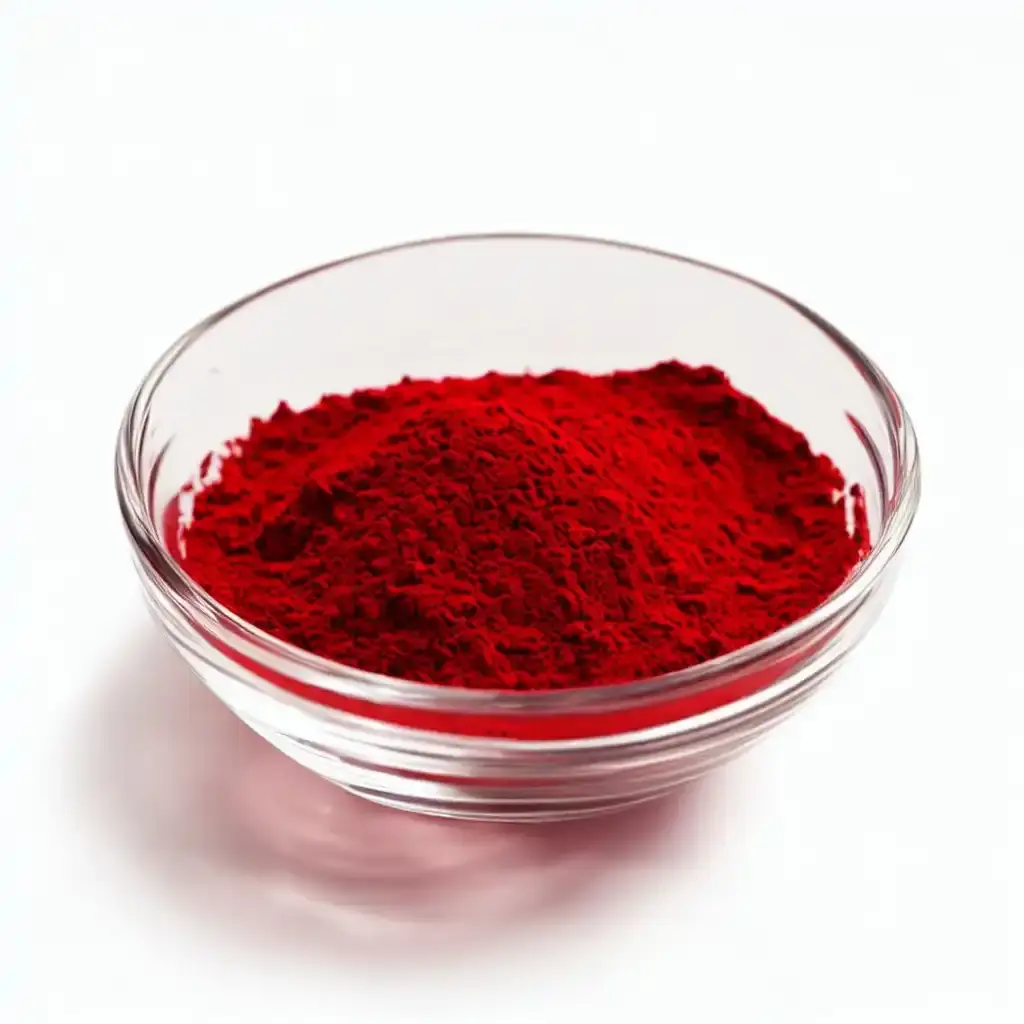
Purity: 1%-10%
Appearance: Dark red powder
CAS NO.: 472-61-7
Molecular Weight: 596.85
Molecular Formula: C40H52O4
MOQ: 500G-1KG
Inventory: in stock
Our Advantages: Scalable production capacity, strict quality control, cost efficiency from integrated factories, over 20 years of experience, advanced technology, and 24/7 after-sales support.
Certificaions: FSSC2000/ISO2000/HALAL/KOSHER/HACCP
Delivery terms: FedEx, DHL, EMS, UPS, TNT, all kinds of the airline, international shipping companies.
Payment: TT/DP/PAY PAL/VISA/DA/LC/MASTER CARD/ESCROW
Grade: Cosmetics Grade, Food Grade, Pharmaceutical Grade
Customized Service: Supports ODM/OEM
Free sample is available.
We do not sell retail quantities to individuals.
Understanding Astaxanthin Powder: Composition and Properties
Natural Versus Synthetic Astaxanthin Sources
Natural astaxanthin is created by the microalgae Haematococcus pluvialis, which synthesises large amounts of the pigment when exposed to extreme light, nutritional stress or other unfavourable circumstances. The natural form contains fatty acid esters and a stereoisomer profile that cannot be replicated synthetically [2][4]. In the production process, the lipophilic astaxanthin oil is microencapsulated into a free-flowing powder, solving two long-standing industry problems: oxidation instability and poor handling. The protective matrix maintains the active molecule intact, increases its water dispersibility and enables producers to dosage the chemical properly in each batch.
Antioxidant Mechanisms and Cellular Protection
The molecular structure of astaxanthin is unusual: the polar end groups reside in the aqueous phase, but the conjugated double-bond chain crosses the lipid layer, allowing the molecule to neutralise free radicals both outside and within the cell membrane [4]. The conjugated double-bond structure is very efficient in quenching singlet oxygen and peroxyl radicals [1][2]. Supplementation in human studies also showed increased activity of endogenous antioxidant enzymes as well as decreased levels of indicators of inflammation [ 2 ]. Through these pathways, astaxanthin protects several organ systems at once — skin, cardiovascular tissue, and nerve cells all benefit from the same mechanisms.
Bioavailability and Absorption Characteristics
Powder formulations come into their own in bioavailability. Microencapsulation enhances surface area and allows for regulated release. Studies suggest that well-formulated astaxanthin powder achieves two to three times greater plasma concentrations than unencapsulated versions [2][3]. As with other fat soluble carotenoids, astaxanthin is best absorbed when taken with dietary fat, so it naturally functions with functional meals and meal replacements. The powder form also offers accurate, consistent dosage and long-term stability for supplement and cosmetic producers – practical benefits that solve genuine formulation issues.
Comprehensive Benefits of Astaxanthin Powder for Health and Industry Applications
Skin Health and Anti-Aging Properties
Astaxanthin is a photo-protectant, which enables the skin to recuperate from UV exposure and stimulates the formation of collagen. Clinical investigations have shown that oral astaxanthin enhances skin suppleness, moisturization and the appearance of fine wrinkles [3][4]. This chemical builds up in skin cells over time, creating a natural protective barrier against environmental harm. Astaxanthin Powder is stable in complicated cosmetic bases, so it may be added to creams, serums and masks without compromising their performance. Unlike liquid extracts, the powder does not oxidise on the shelf, so products work consistently batch after batch. It’s also used in redness-calming skincare for its anti-inflammatory action, offering businesses a natural, non-toxic perspective for anti-ageing messaging.
Athletic Performance and Recovery Enhancement
That's why athletes and weekend warriors are turning to astaxanthin for recuperation. Clinical evidence show it accelerates muscle repair and decreases exercise-induced muscle injury [2][5]. Its anti-inflammatory effect helps to reduce post-exercise pain and promote muscle growth, which is why it is included to products by sports nutrition firms for pros and amateurs alike. In powder form, it doses neatly into capsules, tablets, and pre- or post-workout drinks.Cold-water dispersible grades dissolve without impacting flavour or clarity in clear liquids. Research also shows better oxygen use and less lactate buildup during high-intensity exercise [3], helping make astaxanthin a mainstay in high-end sports nutrition lines.
Eye Health and Visual Function Support
Astaxanthin penetrates the blood-retinal barrier and provides direct antioxidant protection to retinal tissue. Studies report improved visual acuity, reduced eye fatigue, and better contrast sensitivity with supplementation [3][5] — benefits that matter for people with digital eye strain and age-related vision changes. Supplement brands commonly pair Astaxanthin Powder with lutein and zeaxanthin; The three carotenoids act as a team, defending the retina from diverse viewpoints. When combined, powder formulations stabilise these compounds, enabling producers to formulate multi-ingredient eye treatments without the fear of deterioration. Astaxanthin has also been associated with enhanced retinal blood flow and decreased inflammatory indicators linked to age-related eye diseases [5].
Cognitive Function and Neuroprotection
New study indicates astaxanthin might hold promise for enhancing brain health. It passes the blood-brain barrier [5][6] and may thus serve as an antioxidant in nerve cells. Small clinical investigations have shown advantages in memory, cognitive speed, and mental clarity with astaxanthin administration [6]. That research is fuelling its usage in supplements for ageing seniors and professionals who wish to remain smart. The powder form is easy to mix with other nootropics by manufacturers and can withstand the manufacturing process and storage. Research also indicates astaxanthin decreases neuroinflammation, a determinant in healthy cognitive ageing, while its plant-based nature provides it a clean-label advantage over synthetic cognitive compounds [5].
Astaxanthin Powder Versus Other Forms and Competitors
Formulation Advantages of Powder Forms
Astaxanthin powder is more versatile than oil and softgel. It runs well over automated filling lines, doesn’t splash like liquids and presses neatly into tablets or mixes into dry mixtures without affecting stability. Powder requires less specialised equipment and entails less danger of contamination, making production quicker. Properly packed powder also has a longer shelf life, which makes inventory management easier and maintains the quality of the product constant. This implies cheaper goods for producers, and more dependable products for end consumers. Cold water dispersible grades go this one step further, dispersing in drinks and functional meals without the need for any emulsification equipment, opening new drink and food applications that liquid forms can’t serve.
Comparison with Beta-Carotene and Other Carotenoids
Astaxanthin is a more potent antioxidant with a different spectrum of protection yet beta-carotene remains the best known carotenoid. The keto groups make it a better free-radical quencher than simpler carotenoids and it does not have pro-oxidant activity at large levels (a potential issue for beta-carotene in certain circumstances) [1][2] Astaxanthin Powder stays bright red during shelf life, which is important for packaging: it may sit in transparent containers and highly lighted shops without obvious fading. Absorption research [3] shows that astaxanthin is absorbed and maintained more effectively in tissues than other carotenoids, so formulators may use a smaller amount for the same effect – less cost per dosage, greater outcomes. Its unique tissue distribution also enables targeted benefits that other carotenoids simply cannot deliver.
Natural Versus Synthetic Quality Considerations
The source counts, and the difference between natural and manufactured astaxanthin is not only cosmetic. Natural astaxanthin is mostly the 3S,3’S stereoisomer, the form best recognised by human cells; manufactured versions are mixtures of stereoisomers with reduced biological activity [2,4]. Reputable Astaxanthin Powder providers validate its source using HPLC analysis, stereoisomer profiles and adulteration screening. These analytical evaluations justify premium price and ensure items are compliant across marketplaces. Sustainability is also a differentiator: microalgae culture is significantly more resource efficient than chemical synthesis and traceability from cultivation to powder provides consumers trust across the whole supply chain.
Procurement Insights: Buying and Sourcing Astaxanthin Powder
Quality Markers and Analytical Standards
Procurement teams need to look at a number of characteristics before accepting any astaxanthin powder supplier. HPLC analysis validates the astaxanthin concentration, purity of stereoisomers and detects adulterants. The particle size distribution effects flowability and bioavailability and hence has a direct effect on how the powder performs in your formulation. Shelf life stability and microbiological safety are dependent on moisture content. Heavy metal testing (lead, mercury, cadmium and arsenic) must be under limits for your application category and microbiological testing ensures no harmful bacteria, yeast or mould. A good provider will give a certificate of analysis for all of these and third party verification adds another layer of confidence. If you get the same results from many batches, it shows you really have good quality control and that you know how to make anything.
Regulatory Compliance and Certification Requirements
GMP accreditation should be a minimum for providers of pharmaceutical and nutraceutical astaxanthin powder. ISO 22000 illustrates a functional food safety management system, vital for food and beverage applications. HACCP compliance shows systematic hazard control during production. Premium natural lines may need organic certification, but it’s still restricted since it’s hard to manage microalgae farming properly. Kosher and Halal certifications allow the product to reach more categories of consumers and therefore, larger market. Regulatory status varies by region: astaxanthin is generally regarded as safe in most markets although certain jurisdictions need innovative food licenses. “Suppliers with regulatory documentation and local knowledge make the entry into international markets much easier.
Supply Chain Risk Assessment
Astaxanthin supply chains are risky business. Microalgae cultivation is very sensitive to environmental conditions and production might be interrupted by equipment failures or contamination occurrences. In addition, the availability of raw materials and the processing capacity introduce further vulnerability. Smart procurement involves vetting numerous suppliers and keeping inventory buffers. Geographic diversity comes to the rescue: major companies have plants in many areas, providing purchasers with redundant capacity and logistical flexibility. Suppliers that are vertically integrated, i.e. do everything from farming to powder manufacture, provide better security of supply and quality control. As the demand for Astaxanthin Powder is increasing faster than the production capacity, long term supply agreements are crucial to defend against price volatility and assure priority allocation during tight times. Signings: Look at your supplier’s financial strength and growth goals.
Usage Guidelines, Dosage, and Safety Information
Formulation Considerations and Stability
Astaxanthin powder requires caution in formulation. Control temperatures while mixing and encapsulation to maintain potency and equal distribution. “Protection from light during processing and storage is important. It may be worth considering nitrogen flushing during packaging to slow oxidation and extend shelf life. Compatibility testing is important: pH has to be neutral to slightly acidic and interactions with other constituents, in particular minerals and vitamins, should be examined before a mix is finalised. You get accurate dosage in powder form, which is required for regulatory compliance and consistent product performance. Finished products should be submitted for analytical testing to verify label claims and uniform distribution. A good Astaxanthin Powder provider has batch-to-batch potency, which safeguards your product and your client connections.
Dosage Recommendations for Different Applications
Typical supplementary dosages are 4 to 12 mg per day based on clinical and safety studies [2]. Some sports nutrition solutions might be as high as 20 milligrams per day for athletic performance. Topical cosmetics usually include 0.1–1%, which is adequate to defend against free radicals without altering the appearance or feel of the product. Regulatory restrictions and visual effect also influence the selection of food and drinks. Functional foods usually include 2–4 mg, per serving, while still being tasty. Clinical trials have indicated short-term safety at 40 mg a day, although real-world products are generally lower. Whatever the target, Astaxanthin Powder allows the precise dosing needed to meet label claims and control cost. Always consider the audience, the application, and other ingredients in the formula when setting dosage guidance.
Safety Profile and Risk Mitigation
Astaxanthin has an established safety record across toxicology studies, with no significant side effects at recommended doses [2][4]. Very high intakes are associated only with mild digestive upset. And its lengthy history in the human diet -- it exists naturally in salmon and other fish -- adds to the comfort. And a practical note: If a customer is on blood thinners, it’s worth talking to a doctor about astaxanthin, as the connection isn’t well understood. Limited safety data in pregnant and lactating women warrant care until further data are available. Reputable providers of quality Astaxanthin Powder provide full safety testing including acute toxicity, genotoxicity and chronic exposure studies. This provides confidence to regulatory approvals and also develops confidence between brands and their consumers.
Conclusion
Astaxanthin Powder now provides one of the most powerful combinations of strength and adaptability of any natural antioxidant. It is a sole source for health, sports and beauty applications and offers evident benefits in production in terms of stability and bioavailability. The winning recipe for companies that want to stand out is quality sourcing: Vet suppliers against analytical standards, certifications and regulatory compliance so the product performs and remains safe. With growing demand, long-term connections with reliable manufacturers offer a real competitive advantage.
FAQ
1. What makes astaxanthin powder superior to other antioxidant forms?
Astaxanthin Powder delivers exceptional stability and bioavailability compared to liquid forms, while offering far stronger antioxidant capacity than vitamin C and vitamin E. Microencapsulation prevents oxidation and enables the precise dosing that commercial production requires.
2. How does natural astaxanthin compare to synthetic alternatives?
Natural astaxanthin works more efficiently in the body because it is dominated by the 3S,3'S stereoisomer. This naturally occurring form has shown better cellular activity and a cleaner safety profile than synthetic versions, which contain multiple stereoisomers with lower bioactivity.
3. What quality standards should buyers evaluate when sourcing astaxanthin powder?
Key parameters include HPLC-confirmed potency, stereoisomer purity, heavy metal compliance, microbial safety, and particle size distribution. GMP certification and third-party testing confirm consistent quality and regulatory compliance across global markets.
Partner With Jiayuan Bio-Tech for Premium Astaxanthin Powder Solutions
If you are sourcing Astaxanthin Powder, Xi'an Jiayuan Bio-Tech combines full expert support with rigorous quality assurance. Our production sites are GMP-certified and follow international standards, delivering pure, effective ingredients batch after batch. As a dedicated astaxanthin powder manufacturer, we provide complete analytical documentation — heavy metal testing, microbiological testing, and HPLC potency confirmation — going beyond what industry norms require. Our astaxanthin powder is also tested for filter paper residue, a strict purity check that supports stronger free-radical scavenging and higher antioxidant capacity. Tell us about your formulation and bulk requirements: email our team at sales@jayuanbio.com or sales1@jayuanbio.com, and we will respond with specifications, COAs, and sourcing options tailored to your project.
References
1. Higuera-Ciapara, I., Félix-Valenzuela, L., & Goycoolea, F. M. (2006). Astaxanthin: a review of its chemistry and applications. Critical Reviews in Food Science and Nutrition, 46(2), 185-196.
2. Ambati, R. R., Phang, S. M., Ravi, S., & Aswathanarayana, R. G. (2014). Astaxanthin: sources, extraction, stability, biological activities and its commercial applications. Marine Drugs, 12(1), 128-152.
3. Yuan, J. P., Peng, J., Yin, K., & Wang, J. H. (2011). Potential health-promoting effects of astaxanthin: a high-value carotenoid mostly from microalgae. Molecular Nutrition & Food Research, 55(1), 150-165.
4. Kidd, P. (2011). Astaxanthin, cell membrane nutrient with diverse clinical benefits and anti-aging potential. Alternative Medicine Review, 16(4), 355-364.
5. Fakhri, S., Aneva, I. Y., Farzaei, M. H., & Sobarzo-Sánchez, E. (2019). The neuroprotective effects of astaxanthin: therapeutic targets and clinical perspective. Molecules, 24(14), 2640.
6. Brendler, T., Williamson, E. M., & Hoberg, E. (2021). Astaxanthin: a comprehensive review of the literature on this marine carotenoid with focus on human nutrition and health. Natural Medicine Journal, 13(8), 1-15.