
Astaxanthin Powder vs Capsules: Which One Is Better
When evaluating Astaxanthin Powder versus capsules for commercial applications, powder emerges as the superior choice for B2B manufacturers and product developers. Astaxanthin Powder offers exceptional formulation flexibility, cost-effectiveness in bulk quantities, and superior stability through advanced microencapsulation technologies. While capsules provide consumer convenience, powder form delivers greater customization potential, allowing manufacturers to create tailored dosages and blend seamlessly with other active ingredients across nutraceutical, cosmetic, and functional food applications.
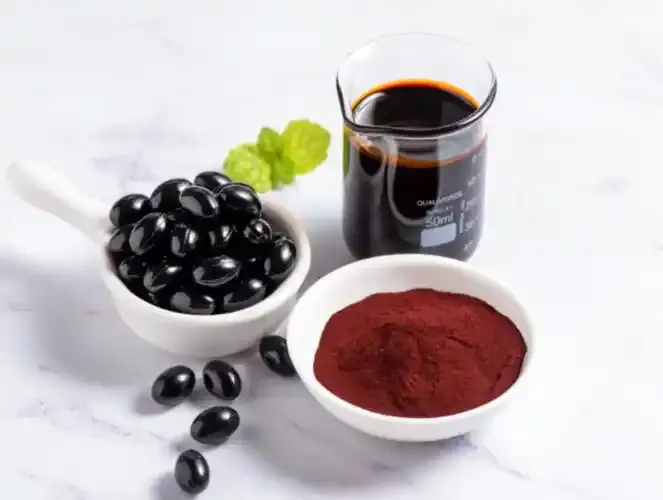
Purity: 1%-10%
Appearance: Dark red powder
CAS NO.: 472-61-7
Molecular Weight: 596.85
Molecular Formula: C40H52O4
MOQ: 500G-1KG
Inventory: in stock
Our Advantages: Scalable production capacity, strict quality control, cost efficiency from integrated factories, over 20 years of experience, advanced technology, and 24/7 after-sales support.
Certificaions: FSSC2000/ISO2000/HALAL/KOSHER/HACCP
Delivery terms: FedEx, DHL, EMS, UPS, TNT, all kinds of the airline, international shipping companies.
Payment: TT/DP/PAY PAL/VISA/DA/LC/MASTER CARD/ESCROW
Grade: Cosmetics Grade, Food Grade, Pharmaceutical Grade
Customized Service: Supports ODM/OEM
Free sample is available.
We do not sell retail quantities to individuals.
Introduction
People still buy a lot of astaxanthin capsules around the world because it is a strong antioxidant and good for your health in many other ways. It is very important for B2B buyers and product creators to choose the best delivery form, like powder or capsules, to meet production goals, cost worries, and end-user needs. In this organized guide, you can compare different drugs based on important factors such as solubility, dosage freedom, storage needs, cost-effectiveness, and uses specific to the industry. After giving these things some thought, professionals will be able to make decisions that fit with their plans for the supply chain and their needs for new goods. The market for astaxanthin has grown very quickly because of higher demand in the drug, makeup, and nutraceuticals fields. Purchasing teams can find the best sellers and make sure the quality of the goods they buy meets legal standards if they know the main differences between powder and pill types.
Understanding Astaxanthin: Powder and Capsules Overview
Natural Origins and Chemical Properties
Astaxanthin is a naturally occurring carotene that is mostly found in krill and the Haematococcus pluvialis microalgae. It's very valuable because it has strong antioxidants that protect the heart, skin, and eyes. Vitamin C is about 6,000 times stronger than this keto-carotenoid, and Vitamin E is about 100 times stronger. Its unique red-orange color comes from conjugated double bonds in its chemical structure, which also makes it very good at getting rid of free radicals.
Powder Form Characteristics
One of the best ways to mix a lot of different kinds of raw materials and make changes to the recipe is to use powder. Astaxanthin Powder goes through a lot of complicated microencapsulation steps using spray drying or beadlet creation technologies. These high-tech methods keep the molecule from breaking down through oxidation and photodegradation. Lipophilic oils are turned into solids that can be exactly dosed for a wide range of uses and flow easily.
Capsule Format Properties
Astaxanthin powder and other ingredients are often put in capsules. This makes it easier and more accurate for people to take the right amount of medicine. The encased form keeps outside forces out and makes sure that the same amount of strength is always given. The ingredients can't be mixed as many ways with this style, though, and each unit costs more than big powder materials.
Comparing Astaxanthin Powder vs Capsules: Core Factors for Decision Making
Bioavailability and Absorption Rates
There are some big changes between Astaxanthin Powder and capsules that affect how well they work and how well the business is run. When powder mixes are made correctly, they have more surface area and a better spread of particle sizes, which means they can absorb more. It looks like astaxanthin powder forms that are Cold Water Soluble (CWS) could be very useful in water-based systems because they don't settle or form oil rings. People who make medicines can add fat carriers and absorption boosts directly to powder forms. This could make the medicines more bioavailable than capsules. Top-notch powder mixes use microencapsulation technology to keep the active ingredient safe and let you decide how fast it is released.
Cost Efficiency and Economic Considerations
Powder types are much better for business uses because they are cheaper to make. When you buy Astaxanthin Powder in bulk, you can save a lot of money by
1. Reduced packaging costs: It cuts down on shipping costs by getting rid of the need for separate pill shells and extra packaging
2. Lower transportation expenses: when you use higher-density packaging, you don't have to ship as much, which saves you money on shipping costs
3. Simplified inventory management: things are easier to store and move when they are made with only one ingredient
4. Scalable production: adding ingredients directly means no need for extra steps of processing
When a lot of products are made, and the costs of the ingredients are a big part of the total cost, these economic benefits are especially obvious.
Storage and Stability Requirements
When you think about storage, the different types are very different. When Astaxanthin Powder is properly microencapsulated and used in controlled conditions, it shows a lot of stability. For 24 to 36 months, good things will still work if you keep them somewhere cool, dry, and out of direct light. When it comes in powder form, you can pack it in a lot of different ways, such as with nitrogen washing and moisture barrier materials. More outside checks are needed for capsules to keep the gelatin shell from breaking down and to avoid cross-linking issues. Because of changes in temperature, capsules can lose their strength and their contents can leak out.
Use Cases and Industry Applications: Which Form Fits Your Needs?
Nutraceutical Manufacturing Excellence
Astaxanthin is used to make a number of private label brands, as well as herbal supplements and products that are good for your skin and eyes. The powder form is best for original equipment manufacturers that need to be able to change recipes and make more of them. The pill form, on the other hand, is best for businesses that want to sell finished goods. It is much better for solid nutritional dose types to have Astaxanthin Powder added to them. The beadlets don't leak like oil-filled softgels do because they are microencapsulated. They can also handle the breaking forces that come with tableting without harming the protective matrix. This keeps the active ingredients whole until they are broken down.
Functional Beverage Applications
When you mix astaxanthin powder with cold water, you can make new drinks for the health and sports nutrition markets. Advanced emulsification technology makes it possible for things to mix with water easily without leaving behind oil rings or sediment. This helps make mending drinks that are thought to lower the oxidative stress that exercise causes and make people better at sports.
Cosmeceutical Integration
Because it guards against UV rays and slows down the aging process, Astaxanthin Powder is used in high-end skincare products. When powder is mixed with emulsions, it works great as UV protection on the inside and keeps the color stable for the whole product's shelf life. Formulators can make new products that help people with skin health problems because of this connection.
Research and Development Flexibility
Scientists and labs should use powder forms instead of solid ones because they are more accurate and can be used in more ways. Researchers can come up with their own ratios and ways to move the ingredients while still making sure they stay pure during the tests.
Addressing Common Concerns: Safety, Side Effects, and Quality Assurance
Regulatory Compliance and Quality Standards
When businesses buy things, safety and compliance are still the most important things to think about. Astaxanthin Powder that is of good quality has to meet strict government standards, like ISO and GMP approvals. A lot of important things go into making sure the quality of a product, like keeping heavy metals, germs, liquid residues, and foreign nucleic acid residues below the limits set by regulators. The product is more pure than other choices, as shown by more advanced testing methods. There are no impurities or very high levels of purity on filter paper residue tests. This means that the extract is more pure and has a higher antioxidant capacity, which means it gets rid of free radicals better.
Safety Profile and Dosage Guidelines
Many tests that were done over and over again show that the product is safe and not harmful. For vitamins, the normal range is 2 to 12 milligrams per day, but the dose should be different based on what it is being used for. When you use powder, you can carefully change the amount to fit the needs of your product and the people you want to reach.
Supplier Authentication Methods
To find reliable providers, you should look at how well they make things, how well they keep an eye on quality, and how well they follow the law. Real sources of astaxanthin, usually organic ones, are checked very carefully to make sure the product is pure and always has the same amount of strength.
Final Decision-Making Framework: How to Choose Between Powder and Capsules?
Strategic Business Considerations
To choose between Astaxanthin Powder and capsules, you need a full plan that looks at business goals, customer segmentation, and how the product will be used. Procurement managers should think about the needs of all end users, from those who buy big ingredients to those who give finished goods. They should also think about success measures like how easy it is to digest and how much it costs. A smart buying plan thinks about lots of things, like the size of the plant, the tastes of the target market, the rules and regulations, and the business's place in the market. Companies that focus on food supply lines usually find that switching to the powder version makes their operations run more smoothly.
Long-term Partnership Benefits
To make supply chain management last, you need to work with sellers who will give you approval, make changes, and full help after the sale. For the supply chain to stay strong and for businesses to stay ahead in markets that are always changing, these links are very important. Good companies don't just sell products; they also offer expert advice, help with formulating, and information about the market. This way of working together helps makers keep the quality of their products good even as market needs change.
Conclusion
It's clear that Astaxanthin Powder is better for business-to-business uses than capsules. Powder is the best choice for people who make things because it gives them more control over the mix, lower prices, better stability, and more uses. Quality security through tight testing methods makes sure that all legal requirements are met while also giving you the purest and most powerful product possible. Buyers who want to stay ahead of the competition should focus on powder forms that let them come up with new ideas, cut costs, and react quickly to changes in the market.
FAQ
1. What are the main advantages of bulk astaxanthin powder procurement?
Bulk Astaxanthin Powder procurement offers substantial economic benefits including reduced per-unit costs, simplified inventory management, and enhanced formulation flexibility. Manufacturing operations achieve greater efficiency through direct ingredient integration without intermediate processing requirements.
2. Can capsule dosing be customized for specific applications?
Even though capsules have standard doses, they still don't let you change things as much as powders do. Astaxanthin Powder enables precise concentration adjustments and blend ratios tailored to specific product requirements and target demographics.
3. How can suppliers verify product authenticity and quality?
To check a source, you need a lot of information, such as test results from a third party, certificates of analysis, and records of legal compliance. Quality Astaxanthin Powder suppliers show all the steps they take to make their products and are open about how they do them.
Partner with Jiayuan Bio-Tech for Premium Astaxanthin Powder Solutions
Jiayuan Bio-Tech in Xi'an is ready to be your source for Astaxanthin Powder. Their goods are made to last and are great for tough B2B uses. The latest technology at our production sites makes sure they follow GMP rules and make high-quality goods that have been proven by rigorous testing. We can give a lot of customization options, low prices, and reliable shipping all over the world because we work with FedEx, DHL, and other big foreign companies. Our quality inspection team makes sure that every batch meets strict standards, and our technical support staff helps with making things and gives them market knowledge. It doesn't matter how much you need for school or work—our warehouse stocking services and factory-direct prices will save you money. You can talk to our helpful staff at sales@jayuanbio.com or sales1@jayuanbio.com about your specific needs and request samples of our goods.
References
1. Ambati, R. R., Phang, S. M., Ravi, S., & Aswathanarayana, R. G. (2014). Astaxanthin: sources, extraction, stability, biological activities and its commercial applications. Marine drugs, 12(1), 128-152.
2. Higuera-Ciapara, I., Félix-Valenzuela, L., & Goycoolea, F. M. (2006). Astaxanthin: a review of its chemistry and applications. Critical reviews in food science and nutrition, 46(2), 185-196.
3. Kidd, P. (2011). Astaxanthin, cell membrane nutrient with diverse clinical benefits and anti-aging potential. Alternative Medicine Review, 16(4), 355-364.
4. Lorenz, R. T., & Cysewski, G. R. (2000). Commercial potential for Haematococcus microalgae as a natural source of astaxanthin. Trends in biotechnology, 18(4), 160-167.
5. Pashkow, F. J., Watumull, D. G., & Campbell, C. L. (2008). Astaxanthin: a novel potential treatment for oxidative stress and inflammation in cardiovascular disease. The American journal of cardiology, 101(10), 58D-68D.
6. Yuan, J. P., Peng, J., Yin, K., & Wang, J. H. (2011). Potential health-promoting effects of astaxanthin: a high-value carotenoid mostly from microalgae. Molecular nutrition & food research, 55(1), 150-165.