Where can I buy high-quality pure astaxanthin powder?
Securing high-quality Pure Astaxanthin Powder from a trusted supplier ensures your end products perform reliably and meet regulatory standards. The best sources prioritize supercritical CO₂ extraction from Haematococcus pluvialis microalgae, which yields the naturally active (3S,3'S) stereoisomer with the strongest antioxidant capacity. Buyers can source directly from certified manufacturers, through specialized ingredient distributors, or via established B2B platforms that require third-party testing and full supply chain transparency.
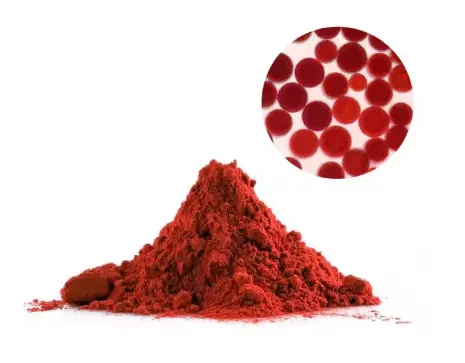
Purity: 1%-10%
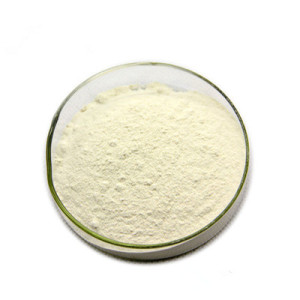
Appearance: Dark red powder
CAS NO.: 472-61-7
Molecular Weight: 596.85
Molecular Formula: C40H52O4
MOQ: 500G-1KG
Inventory: in stock
Our Advantages: Scalable production capacity, strict quality control, cost efficiency from integrated factories, over 20 years of experience, advanced technology, and 24/7 after-sales support.
Certificaions: FSSC2000/ISO2000/HALAL/KOSHER/HACCP
Delivery terms: FedEx, DHL, EMS, UPS, TNT, all kinds of the airline, international shipping companies.
Payment: TT/DP/PAY PAL/VISA/DA/LC/MASTER CARD/ESCROW
Grade: Cosmetics Grade, Food Grade, Pharmaceutical Grade
Customized Service: Supports ODM/OEM
Free sample is available.
We do not sell retail quantities to individuals.
Introduction
Pure astaxanthin powder is one of the most potent natural antioxidants available—significantly outperforming vitamin C in free radical scavenging (Ambati et al., 2014). Sourced either from Haematococcus pluvialis microalgae or produced synthetically from petrochemicals, it serves industries spanning nutraceuticals, cosmetics, functional foods, and dietary supplements. For B2B buyers in food, cosmetics, and pharmaceutical sectors, the quality of astaxanthin directly affects product efficacy and compliance. As clean-label demand grows, distinguishing genuine natural sources from synthetic alternatives—and identifying suppliers who can prove it—has become a critical procurement challenge. This guide covers product types, quality benchmarks, sourcing strategies, and supplier evaluation to help buyers make informed procurement decisions.
Understanding Pure Astaxanthin Powder: Key Insights for Buyers
What Defines High-Quality Pure Astaxanthin Powder?
High-quality Pure Astaxanthin Powder starts with Haematococcus pluvialis microalgae, extracted via supercritical CO₂ technology that avoids high temperatures and solvent residues to preserve active compounds. The resulting natural (3S,3'S) stereoisomer delivers far greater antioxidant activity than synthetic racemic versions (Capelli et al., 2013). Natural astaxanthin also offers superior bioavailability and more effective cellular defense against oxidative stress (Higuera-Ciapara et al., 2006).
Stability is critical for commercial use. Advanced micro-encapsulation—particularly beadlet technology—enables 2%–5% formulations with a 24–36 month shelf life and improved resistance to oxidation, heat, and light degradation.
Health Benefits and Industrial Applications
Astaxanthin’s antioxidant potency translates into broad commercial applicability across several product categories:
1. Nutraceuticals & Supplements: Clinical research supports daily doses of 4–12 mg for exercise recovery, cardiovascular fitness, and oxidative stress reduction in athletes (Hussein et al., 2006). Joint health formulations pair astaxanthin with glucosamine and chondroitin for enhanced anti-inflammatory action. Eye health products leverage its ability to cross the blood-retinal barrier and protect photoreceptor cells.
2. Cosmetics & Skincare: Astaxanthin defends skin cells against UV damage, stimulates collagen synthesis, and visibly reduces fine lines—making it a sought-after anti-aging ingredient. Its capacity to cross the blood-brain barrier also makes it relevant for cognitive health formulations (Kidd, 2011).
3. Food & Beverage: Manufacturers value astaxanthin as both a natural colorant and a functional ingredient with documented health benefits. Formulators must consider powder concentration percentages and regulatory Acceptable Daily Intakes (ADI) when calculating inclusion rates.
Safety Profile and Regulatory Considerations
Quality Pure Astaxanthin Powder undergoes comprehensive safety testing. FDA, EFSA, and other international authorities set strict limits for heavy metals, microbial contamination, solvent residues, and foreign nucleic acid residues—and compliant products consistently stay well below these thresholds. Natural astaxanthin from H. pluvialis has a well-established safety profile at recommended dosages; however, formulations exceeding 12 mg/day may cause transient skin reddening in some individuals, which formulators should note on product labels.
The clean-label trend has driven demand for vegan and organic certifications, prompting leading suppliers to secure comprehensive third-party validations including GMP, ISO, HALAL, and organic certifications. These certifications represent audited, repeatable quality systems that buyers can verify directly with issuing bodies.
Comparing Sourcing Options: How to Choose the Best Pure Astaxanthin Powder
Natural vs. Synthetic: Understanding the Fundamental Differences
Natural and synthetic astaxanthin differ fundamentally in stereochemistry and biological activity. Pure Astaxanthin Powder derived from Haematococcus pluvialis contains exclusively the (3S,3'S) isomer, which research shows is over 20 times more potent as an antioxidant than synthetic alternatives (Capelli et al., 2013). Synthetic astaxanthin, produced from petrochemical sources, contains racemic mixtures where only 25% is the biologically active 3S,3'S configuration—the remaining 75% consists of less effective stereoisomers unsuitable for human nutrition.
Chiral HPLC analysis is the standard method for verifying astaxanthin origin: 3S,3'S dominance confirms algal sourcing. For pharmaceutical, nutraceutical, and cosmetic applications, bioavailability and therapeutic efficacy directly impact product performance and customer satisfaction—making natural astaxanthin the clear preference for procurement professionals.
Product Formats and Potency Considerations
Buyers encounter several formats: powder, oil solution, beadlets, and cold-water dispersible (CWD) formulations. Because native astaxanthin is lipophilic, water-based applications require specialized processing. CWD technology uses emulsified nanospheres that disperse uniformly in beverages without oil separation—essential for functional drink recipes and sachet products.
Concentration levels affect cost-effectiveness and manufacturing needs. Higher-assay powders (5–10%) reduce required dose volumes, potentially lowering shipping costs and simplifying formulation. However, ultra-concentrated formats demand stronger stabilization to prevent oxidation. Procurement teams must weigh potency against application requirements, storage capacity, and total landed cost when selecting specifications.
Certifications and Quality Validation
Supplier certifications serve as measurable quality indicators. GMP compliance confirms pharmaceutical-grade manufacturing standards. Organic certifications verify responsible cultivation and processing methods. ISO certifications—particularly ISO 9001 and ISO 22000—establish systematic quality management and food safety frameworks. Vegan certifications examine encapsulation matrices to confirm no animal-derived materials.
Beyond certifications, buyers should evaluate suppliers’ analytical capabilities: HPLC verification, microbial testing, heavy metal screening, and residual solvent analysis. A full Certificate of Analysis (COA) per batch provides transparency and traceability, allowing buyers to verify quality against their specifications before accepting orders.
Where and How to Buy High-Quality Pure Astaxanthin Powder in Bulk
Direct Manufacturer Partnerships vs. Distribution Channels
Direct manufacturer partnerships offer competitive pricing, formulation customization, technical support, and transparent supply chains. Manufacturers such as Jiayuan Bio-Tech—holding GMP, ISO, and SGS certifications—provide OEM, private label, and custom formulation services directly to buyers. Distributors simplify sourcing and reduce minimum order quantities but add cost layers and limit direct technical access. The right channel depends on order volume, customization needs, and internal procurement capability. Long-term manufacturer partnerships also deliver innovation collaboration, priority supply allocation, and supply stability.
Minimum Order Quantities and Pricing Structures
MOQ negotiations directly affect procurement cost and inventory management. Manufacturers typically set MOQs based on production batch economics—smaller volumes carry higher per-unit pricing to offset setup costs. Rather than comparing per-kilogram rates alone, buyers should evaluate total landed cost: base price, international shipping, customs duties, import taxes, and clearance fees.
Volume commitments often unlock tiered pricing, making annual contracts financially advantageous for regular purchasers. Some suppliers offer warehousing services with scheduled releases, balancing cost savings against working capital constraints. Pricing discussions should cover payment terms, currency exposure, and adjustment mechanisms tied to raw material cost or market indices.
Logistics, Customs, and Documentation Requirements
International procurement involves regulatory and logistical coordination. Reputable manufacturers partner with established carriers—FedEx, DHL, EMS, UPS, TNT—for door-to-door service and customs clearance support. Suppliers experienced with U.S. market entry understand FDA import requirements and provide necessary documentation: commercial invoices, packing lists, certificates of origin, and regulatory compliance statements.
Import regulations require correct Harmonized System classification, accurate ingredient declarations, and compliant labeling. Experienced suppliers like Jiayuan Bio-Tech assist buyers unfamiliar with import procedures by managing customs clearance and ensuring timely delivery. Procurement teams should clarify responsibility for duties, taxes, and clearance costs during contract negotiations to avoid budget surprises.
Sample Testing Before Bulk Commitment
Requesting samples before committing to bulk orders is standard procurement practice. Sample evaluation lets buyers verify organoleptic properties, microencapsulation quality, in-product stability, and compatibility with existing formulations. Analytical testing should cross-check the supplier’s COA reports and screen for undeclared adulterants or quality deviations.
Filter paper residue testing provides a practical purity indicator: superior Pure Astaxanthin Powder leaves minimal residue compared to cheaper alternatives containing impurities that reduce antioxidant capacity. Clean filter results correlate with higher free radical scavenging efficiency and better end-product performance. Sample programs should include multiple batch evaluations to confirm consistency, since single-batch testing may not reveal variation issues affecting long-term supply reliability.
Evaluating and Partnering with Pure Astaxanthin Powder Suppliers
Comprehensive Certification Assessment
Effective supplier evaluation goes beyond document review. GMP compliance ensures manufacturing standards for facility control, equipment maintenance, hygiene, staff training, and documentation. Organic certification confirms non-GMO status and pesticide-free cultivation. HALAL and Kosher certifications expand market reach. ISO 9001 supports quality management consistency, while ISO 22000 integrates food safety and HACCP principles.
Buyers should verify certificates directly with issuing bodies and review audit scope limitations. Independent third-party testing from SGS, Intertek, or Bureau Veritas adds another layer of transparency and product safety assurance.
Production Capabilities and Technical Support
Manufacturing infrastructure directly impacts product consistency and customization scope. Evaluate whether suppliers’ extraction, encapsulation, and analytical lab capabilities match your specifications. Facilities equipped with spray-drying towers, supercritical CO₂ extraction systems, and specialized encapsulation equipment produce stable, pharmaceutical-grade powders.
Technical support improves formulations and resolves production challenges. Experienced suppliers provide dosage guidance, synergistic ingredient recommendations, stability protocols, and bioavailability optimization. R&D collaboration enables custom formulations for niche markets—giving companies products outside standard catalogs and a competitive edge.
Private label and OEM services support brand differentiation with bespoke packaging, concentration levels, or market-specific formulations. Established suppliers navigate regulatory labeling and health claim requirements across different markets, accelerating product launches and reducing compliance risk.
Quality Assurance Through Supplier Audits
On-site audits verify actual practices that documents alone cannot confirm: raw material traceability, production hygiene, equipment calibration, staff training records, QC lab operations, and documentation accuracy. Batch-to-batch consistency is evaluated through COA trend analysis—tracking active content, moisture, microbial load, and heavy metals over time to confirm stable process control.
Strong supplier compliance reduces formulation risk and long-term cost. Strategic partnerships further enhance pricing, supply security, regulatory intelligence, and responsiveness during shortages or quality incidents.
Maximizing Your Investment: Best Practices for Using Pure Astaxanthin Powder
Optimal Dosage Guidance Across Applications
Effective formulation starts with dosage appropriate to the product category. Sports nutrition supplements typically use 4–12 mg daily to support exercise recovery, reduce training-induced oxidative stress, and improve cardiovascular fitness. Joint health products combine astaxanthin with glucosamine and chondroitin for synergistic anti-inflammatory effects. Eye health formulations leverage astaxanthin’s ability to cross the blood-retinal barrier and shield photoreceptor cells.
In cosmetics, topical formulations with 0.1–1.0% astaxanthin demonstrate visible anti-aging results: reduced fine lines, improved elasticity, and enhanced moisture retention. To deliver 10 mg of astaxanthin in a finished supplement, formulators must calculate inclusion rates based on powder concentration—requiring 200 mg of 5% Pure Astaxanthin Powder or 400 mg of a 2.5% concentrate.
Formulation Strategies Enhancing Bioavailability
Astaxanthin is lipophilic, requiring formulation strategies to maximize cellular absorption. Consumption with fats or oils significantly improves bioavailability compared to carbohydrate-based delivery. Olive oil or MCT oil softgel encapsulation enhances absorption, while powder formats offer versatility for tablets, capsules, and liquid formulations.
Synergistic ingredient combinations amplify therapeutic effects. Astaxanthin paired with lutein, zeaxanthin, or vitamin E delivers broad-spectrum antioxidant protection. Omega-3 fatty acids enhance both absorption and cardiovascular benefits. CoQ10 combinations support mitochondrial energy production in sports nutrition formulations.
Micronization and nano-emulsion technologies increase particle surface area, accelerating dissolution and uptake. Cold-water dispersible forms maintain bioavailability comparable to oil-based delivery in beverage applications. Liposomal encapsulation—though higher in cost—protects astaxanthin through digestion and maximizes cellular absorption.
Storage, Handling, and Stability Optimization
Pure astaxanthin powder is sensitive to light, oxygen, heat, and moisture—all of which accelerate oxidation and potency loss. Suppliers should ship in nitrogen-flushed, moisture-barrier packaging. Ideal storage is below 25°C, in cool, dry, dark conditions, with resealing and desiccant use after opening.
Manufacturing environments must control light and temperature exposure. Amber glass, opaque PET, or foil laminate packaging enhances product stability. ICH-compliant stability testing validates shelf-life claims and storage specifications.
Conclusion
Sourcing high-quality Pure Astaxanthin Powder requires systematic evaluation of product specifications, supplier capabilities, quality systems, and logistics infrastructure. Natural astaxanthin from Haematococcus pluvialis, extracted via supercritical CO₂, consistently outperforms synthetic alternatives in bioavailability and antioxidant efficacy—making it the preferred choice for pharmaceutical, nutraceutical, cosmetic, and functional food applications.
Successful procurement prioritizes direct manufacturer partnerships with certified suppliers who demonstrate production quality, analytical transparency, and responsive technical support. Rigorous supplier evaluation—covering certifications, facility audits, and sample testing—reduces quality risk and ensures regulatory compliance. By applying best practices for formulation optimization, bioavailability enhancement, and proper storage, buyers maximize their investment with products that deliver consistent performance and market-leading quality.
Ready to source? Contact a certified manufacturer to request samples and discuss specifications for your next product formulation.
FAQ
1.How can I verify the purity and quality of Pure Astaxanthin Powder before purchase?
Request comprehensive Certificates of Analysis detailing HPLC-verified active ingredient concentration, microbial contamination levels, heavy metal screening results, and solvent residue analysis. Chiral HPLC testing confirms natural origin by demonstrating 3S,3'S stereoisomer dominance characteristic of Haematococcus pluvialis sources. Filter paper residue testing provides a practical purity indicator—cleaner residue signals better extraction quality and higher antioxidant efficiency. For independent verification, submit samples to accredited third-party laboratories. Also verify the supplier’s GMP, ISO, organic, and other certifications directly with issuing authorities to confirm processing meets your quality requirements.
2.What are typical lead times for bulk orders of Pure Astaxanthin Powder?
Lead times vary by order volume, customization level, and production capacity. Standard stock items typically ship 7–15 business days after order confirmation and payment. Custom formulations—requiring adjusted concentrations, specialized encapsulation, or private labeling—may extend timelines by 3–6 weeks for formulation development, stability testing, and custom packaging production. International shipping adds 5–10 days depending on destination and customs clearance speed. Buyers should share projected demand forecasts early, enabling suppliers to plan production capacity and raw material procurement—particularly important during periods of high market demand when raw material availability may be constrained.
3.Can suppliers provide private label customization for Pure Astaxanthin Powder products?
Established manufacturers offer private label and OEM services covering custom concentration specifications, advanced encapsulation formats, bespoke packaging design, and regulatory compliance support. These services include new product development, stability testing, compliant labeling design, and MOQ negotiation based on customization complexity. Experienced private label suppliers understand FDA labeling requirements, health claim regulations, and documentation standards—streamlining market entry for branded products. Discussing branding strategy and differentiation objectives early in supplier evaluation helps identify partners aligned with both your commercial goals and technical requirements.
Partner with Jiayuan Bio-Tech for Premium Pure Astaxanthin Powder
Xi’an Jiayuan Bio-Tech produces Pure Astaxanthin Powder to rigorous quality standards on two GMP-certified production lines using supercritical CO₂ extraction from Haematococcus pluvialis. Comprehensive testing confirms that heavy metals, microbial counts, solvent residues, and nucleic acid contaminants remain well below regulatory thresholds. Filter paper residue testing further verifies product purity—free of impurities that compromise antioxidant performance.
As a established Pure Astaxanthin Powder manufacturer, we offer factory-direct pricing, flexible MOQs, custom formulation development, and private label services to research institutions, pharmaceutical companies, cosmetic brands, food manufacturers, and nutraceutical suppliers across the United States. Our logistics team coordinates international shipping, customs clearance, and door-to-door delivery for seamless supply chain operations.
You can email our team at sales@jayuanbio.com or sales1@jayuanbio.com to ask for samples, talk about your unique needs, and find out how our expertise can help you improve your product line through high-quality ingredients and a trustworthy relationship.
References
1. Ambati, R. R., Phang, S. M., Ravi, S., & Aswathanarayana, R. G. (2014). Astaxanthin: sources, extraction, stability, biological activities and its commercial applications—a review. Marine Drugs, 12(1), 128-152.
2. Guerin, M., Huntley, M. E., & Olaizola, M. (2003). Haematococcus astaxanthin: applications for human health and nutrition. Trends in Biotechnology, 21(5), 210-216.
3. Capelli, B., Bagchi, D., & Cysewski, G. R. (2013). Synthetic astaxanthin is significantly inferior to algal-based astaxanthin as an antioxidant and may not be suitable as a human nutraceutical supplement. Nutrafoods, 12(4), 145-152.
4. Hussein, G., Sankawa, U., Goto, H., Matsumoto, K., & Watanabe, H. (2006). Astaxanthin, a carotenoid with potential in human health and nutrition. Journal of Natural Products, 69(3), 443-449.
5. Higuera-Ciapara, I., Felix-Valenzuela, L., & Goycoolea, F. M. (2006). Astaxanthin: a review of its chemistry and applications. Critical Reviews in Food Science and Nutrition, 46(2), 185-196.
6. Kidd, P. (2011). Astaxanthin, cell membrane nutrient with diverse clinical benefits and anti-aging potential. Alternative Medicine Review, 16(4), 355-364.