
Does Astaxanthin Powder Help Protect Heart Health?
Due to its strong antioxidant effects, Astaxanthin Powder does show a lot of promise in improving heart health. This natural pigment helps fight oxidative stress, which is a major cause of heart problems. It comes mostly from the microalgae Haematococcus pluvialis. According to research, Astaxanthin Powder can help keep lipid levels healthy, improve vascular function, and lower inflammation signs that are linked to heart health problems. Because of the way its molecules are structured, it can cross cell walls and protect all cells. This makes it different from other antioxidants used in cardiovascular uses.
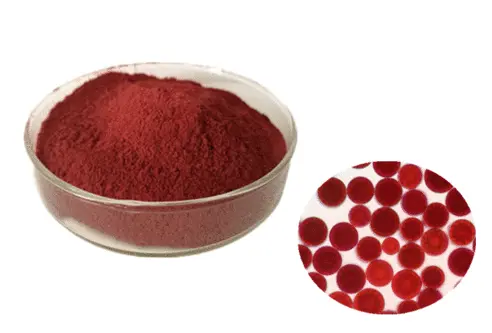
Purity: 1%-10%
Appearance: Dark red powder
CAS NO.: 472-61-7
Molecular Weight: 596.85
Molecular Formula: C40H52O4
MOQ: 500G-1KG
Inventory: in stock
Our Advantages: Scalable production capacity, strict quality control, cost efficiency from integrated factories, over 20 years of experience, advanced technology, and 24/7 after-sales support.
Certificaions: FSSC2000/ISO2000/HALAL/KOSHER/HACCP
Delivery terms: FedEx, DHL, EMS, UPS, TNT, all kinds of the airline, international shipping companies.
Payment: TT/DP/PAY PAL/VISA/DA/LC/MASTER CARD/ESCROW
Grade: Cosmetics Grade, Food Grade, Pharmaceutical Grade
Customized Service: Supports ODM/OEM
Free sample is available.
We do not sell retail quantities to individuals.
Understanding Astaxanthin Powder and Its Role in Heart Health
Natural antioxidants, especially those that protect better against oxidative damage, are becoming more popular in the field of cardiovascular health. One of these substances, a carotenoid that comes from microalgae, has become an important element for formulating.
Origin and Sources of Natural Astaxanthin
Astaxanthin Powder mostly comes from Haematococcus pluvialis, a type of watery microalgae that makes this carotene to protect itself from harmful things in the environment. Natural astaxanthin only exists in the (3S, 3'S) stereoisomeric form, which is better for biological function than manufactured versions that come from petrochemical processes. This difference is very important for B2B buyers who want to find ingredients with proven effectiveness ratings. Growing Haematococcus pluvialis in controlled conditions makes sure that the quality is always the same. Using supercritical CO2 extraction methods protects the delicate structure of the carotenoids without leaving behind any liquid leftovers, which is very important for companies that make medicines and supplements.The extraction method has a big effect on the quality of the end result. Xi'an Jiayuan Bio-Tech uses modern extraction methods that protect the active compound's purity and make sure they meet international safety standards. Our tests of filter paper residue constantly shows that it is more pure than other products on the market, proving that it is better at extracting and protecting against free radicals.
Distinguishing Natural from Synthetic Formulations
There are more molecular differences between natural and man-made sources than just changes in stereochemistry. The synthetic forms are made up of a racemic mixture that only has about 25% of the biologically active 3S, 3'S isomer, which makes them less useful for human health uses. Natural Astaxanthin Powder gives you the full active form, which has been shown in lab tests to have up to 20 times more antioxidant power. Chiral HPLC analysis is the best way to be sure of something's validity because it shows the isomer fingerprint that proves microalgae origin.More and more, regulatory bodies in the pharmaceutical and nutritional industries are becoming aware of these differences in quality. The better stability and bioactivity of natural sources make premium branding a good idea for makeup brands that are making skincare formulas. Natural astaxanthin helps food and drink companies meet customer demands for plant-based chemicals by making their products look better on labels and being certified as vegan.
Cardiovascular Benefits Supported by Research
Astaxanthin supports cardiovascular health through multiple mechanisms. It reduces oxidative stress in endothelial cells and protects vascular membranes by scavenging reactive oxygen species across lipid bilayers, offering broader antioxidant coverage than water- or fat-soluble antioxidants alone. Clinical studies show improved lipid profiles, including increased HDL and reduced oxidized LDL, along with lower inflammatory markers such as C-reactive protein. Research also indicates enhanced endothelial function and blood flow, supporting its potential use in evidence-based cardiovascular nutraceutical formulations under regulatory guidelines.
Dosage, Usage, and Safety Considerations for Astaxanthin Powder
It's important to pay close attention to dosing parameters, delivery formats, and safety profiles that meet both legal standards and market demands when turning study data into business formulations.
Evidence-Based Dosage Recommendations
Doses ranging from 4 mg to 12 mg per day have been used in clinical studies to look at cardiovascular effects, with 6 mg to 8 mg being the usual therapeutic range. These amounts show that the medicine works without causing any side effects, which creates a useful basis for formulating new medicines. When formulators work with Astaxanthin Powder that has an active ingredient concentration of 2% to 5%, they have to carefully figure out inclusion rates to get the right amounts.For a 2% powder, each serve needs 200–400 mg of raw material to provide 4–8 mg of active carotene. Higher potency powders at a 5% concentration lower the needed inclusion rate. This could make the mechanics of formulation easier and lower the cost of making a lot of things. When planning their experiments, research groups that are doing dose-response studies should take these concentration factors into account.
Bioavailability factors affect the best ways to give medicines. Because this pigment is lipophilic, it needs to be eaten with fats in order to be absorbed fully. Often, phospholipids or medium-chain triglycerides are added to stand-alone vitamins to help the body absorb them better. When used in drinks, cold water dispersible (CWD) technology that uses emulsification matrices can make the substance spread evenly in water-based systems. However, this way of making the substance may change how quickly it is absorbed compared to oil-based delivery.
Safety Profile and Interaction Considerations
Natural astaxanthin demonstrates a strong safety profile, supported by multiple regulatory approvals and repeated studies confirming its safety. Quality-controlled production ensures heavy metals, microbial contamination, solvent residues, and nucleic acid impurities remain within strict limits, with Xi'an Jiayuan Bio-Tech conducting batch-level testing for pharmaceutical and nutraceutical compliance. While generally low in drug interaction risk, potential caution is advised with anticoagulant medications due to platelet activity effects. Clear guidance should be provided to healthcare professionals to support safe integration with cardiovascular therapies.
Procurement Quality Standards
Procurement decisions depend on selecting suppliers that provide consistent, certified ingredients. Quality control begins with controlled microalgae cultivation, which ensures greater consistency than wild harvesting. Extraction methods directly affect purity and safety, with supercritical CO2 extraction minimizing solvent residues while preserving carotenoid integrity. Certification requirements vary by application, including GMP for pharmaceutical use, organic certification for natural markets, and ISO 22000 for food safety. Independent third-party testing further validates supplier claims. Our facility operates two GMP-compliant production lines for both standard and customized formulations.
Comparing Astaxanthin Powder With Alternative Heart-Healthy Supplements
Comparative study of bioavailability, potency, market placing, and cost structures of similar ingredients aimed at cardiovascular health can help with strategic purchasing choices.
Astaxanthin Powder Versus Oil Formulations
The active carotenoid is found in both powder and oil forms, but they are very different in how they can be used and how stable they are. Astaxanthin Powder is suspended in veggie oils to make ready-to-encapsulate liquids that are useful for making soft gels in its oil version. However, the fatty structure makes it easier for oxidation to happen during storage and processing. Powder versions use microencapsulation technology to protect the carotenoids by enclosing them in protective matrices, which are usually modified starch, gum arabic, or gelatin. These matrices keep the carotenoids from breaking down in the environment.
Because powders are more stable than oils, their shelf life is longer: 24 to 36 months for properly kept powders versus 12 to 18 months for oils. This makes it easier for makers with long supply chains to keep track of their goods. Powder forms also make exact dosing easier in pill and capsule forms where adding liquid is technically difficult.When the right delivery methods are used with each format, bioavailability studies show that the absorption profiles are similar. Oil-based products naturally create the lipid environment needed for absorption, while powder formulations can do the same thing by being taken with food or being mixed with phospholipid complexes.
Natural Versus Synthetic Quality Distinctions
Natural and synthetic astaxanthin differ not only in stereochemistry but also in certification, consumer perception, and regulatory classification. Natural astaxanthin can be certified organic, vegan, and non-GMO, aligning with clean-label trends, while synthetic petrochemical-derived versions lack these advantages. Regulatory bodies generally approve natural forms for human nutrition, whereas synthetic types are largely restricted to aquaculture feed, affecting market access. Quality verification methods such as chiral HPLC and isotope ratio mass spectrometry help confirm natural origin through stereoisomer profiles and carbon signatures.
Cost Optimization in Bulk Procurement
Astaxanthin pricing depends on concentration, certification level, and order volume, with 2%–2.5% powders typically ranging from $300–$800/kg in China, Europe, and the US. Premium organic-certified materials may carry 30–50% premiums, while 5% products are priced based on active ingredient content. Bulk discounts usually apply at 25 kg, 100 kg, and 500 kg levels, reducing costs by 5–15%. Annual contracts improve pricing stability and supply security. Effective cost optimization balances quality assurance with unit price, as low-grade materials may increase downstream QC costs. Strategic suppliers like Xi'an Jiayuan Bio-Tech help reduce total procurement costs through consistent quality and logistics efficiency.
Procurement Guide for Astaxanthin Powder: Sourcing for B2B Clients
To find your way around global supply networks, you need to use evaluation methods that check suppliers' skills in areas like quality, compliance, dependability, and business terms that are important for cardiovascular health uses.
Supplier Evaluation Criteria
Verifying output skills and quality systems is the first step in finding suitable manufacturers. GMP approval shows that good production practices are followed, which is important for medicinal and nutraceutical ingredients. The certification should be up-to-date and come from a known organization. Certifications that are out-of-date or can't be verified show holes in the quality system that put the supply chain at risk.The ability to test shows how committed the seller is to quality assurance. Quality control at the batch level is possible thanks to in-house labs that are set up for testing for strength, purity, and contamination. Independent lab testing by a third party adds to the proof, which is especially important when starting a new provider partnership. Ask for recent reports of analysis that show compliance with heavy metals, microbiology, leftover solvents, and the strength of the active ingredient.Scale and capacity of production affect how reliable a source is. Manufacturers with more than one production line can handle changing orders and have extra capacity for when one line needs to be maintained. Our building has two GMP-standard production lines that can be used for both regular production and developing unique formulations. This makes sure that Astaxanthin Powder is always available, even during times of high demand.
Compliance Documentation and Traceability
Regulatory compliance includes more than just testing the finished product; it also includes keeping records of the whole supply chain. Systems that keep track of ingredients should be able to follow them from growing microalgae to being extracted, processed, and finally packed. This paperwork is very important when answering questions from regulators or quality inspectors.When astaxanthin comes from microalgae, allergy labels are especially important because the marine origin can lead to misunderstanding with shellfish allergens. Real microalgae sources don't come from shellfish or animals that are vegan, but sellers must show clear allergen-free certifications to back up accurate labeling on final products. As part of our allergen control procedures, we have separate production lines and test the surroundings to make sure there is no cross-contamination.Another usual requirement for specifications is non-irradiation certifications. Premium astaxanthin doesn't need to be irradiated because it goes through physical extraction and stabilization methods instead. Some markets don't allow this step in the process, and some customers choose not to do it. Proof that the product has not been irradiated helps with the clean label marketing and legal compliance in all foreign markets.
Strategic Logistics and Supply Chain Management
International sourcing increases logistics complexity, affecting delivery time, cost, and regulatory approvals. Xi'an Jiayuan Bio-Tech partners with FedEx, DHL, EMS, UPS, and TNT to provide flexible shipping options based on budget and urgency. The company supports customs clearance for EU and US markets, including documentation and broker coordination, reducing import barriers. Warehousing and consolidation services lower per-unit freight costs. Flexible payment terms and quality guarantees further protect buyers, with full documentation and replacement support ensuring compliance and reliable supply chain performance.
Why Astaxanthin Powder is Becoming a Preferred Choice for Heart Health Supplements
The pharmaceutical, dietary, and functional food markets are all changing in ways that point to this natural pigment continuing to grow in uses related to heart health.
Market Demand Drivers and Consumer Awareness
Growing consumer awareness of oxidative stress and its link to heart health has expanded demand for antioxidant products, driven by health education and media coverage that has moved natural antioxidants into the mainstream. Demographic shifts, including aging populations in developed markets and health-conscious younger consumers, further broaden demand across preventive vitamins, functional foods, and beverages. Ongoing scientific research into dosage, combinations, and population responses continues to support cardiovascular applications, encouraging pharmaceutical interest in natural ingredients for heart health support.
Innovation Opportunities in Product Development
Astaxanthin powder offers multiple innovation opportunities across product development. Cold-water dispersible technology enables lipophilic carotenoids to be incorporated into functional beverages for active consumers, though achieving clear drink formulations remains challenging due to natural coloration. Combination formulas pairing astaxanthin with synergistic cardiovascular ingredients such as omega-3 fatty acids, CoQ10, and B vitamins create multi-pathway health support backed by research. Advanced delivery systems like liposomes, phospholipid complexes, and nanoemulsions improve bioavailability and compliance, though they increase formulation costs.
Future Outlook for Cardiovascular Applications
Changes in regulations in big markets will affect business prospects. More people are accepting structure-function claims that are backed up by clinical proof. This makes it easier to talk about the benefits of these claims directly. Ongoing studies that focus on certain groups, like those with metabolic problems or high levels of cardiovascular risk factors, may help back more claims.The clean label trend is still having an effect on buying choices in both the consumer and business markets. The vegan, non-GMO, and allergen-free nature of natural astaxanthin fits with these tastes, which supports its upscale branding. As synthetic options get more attention, natural sources gain benefits that go beyond just being more effective.Sustainability factors are becoming more and more important in purchasing decisions. Growing microalgae is a more environmentally friendly way to make things than using manmade chemicals, which makes it appealing to businesses that want to be more environmentally responsible. This story about sustainability gives brands that want to appeal to environmentally conscious customers another way to stand out.
Conclusion
Astaxanthin Powder is a highly proven ingredient for heart health products. It has been shown to have antioxidant properties, benefits for the heart, and a good safety profile. The active 3S, 3'S stereoisomer in natural sources from Haematococcus pluvialis gives them better biological action than synthetic options that aren't as good for human health. Manufacturers can take advantage of the growing market demand for natural ingredients that support heart health in pharmaceutical, nutraceutical, and functional food products by making choices about procurement that balance quality assurance, licensing requirements, and cost optimization.
FAQ
1.What concentration specifications are available for cardiovascular formulations?
Our Astaxanthin Powder comes in different strengths, with active ingredient levels range from 2% to 5%. The 2.2% to 2.5% range is good for most food supplement uses, giving 4 to 8 mg doses per meal at 200 to 400 mg inclusion rates. Higher 5% concentrations lower the amount of raw materials that are needed, which makes formulation space more efficient in cardiovascular goods with more than one element. We also offer custom concentration specifications to meet the special needs of product creation in the nutraceutical and pharmaceutical fields.
2.How should the powder be stored to maintain potency?
For carotenoid stability to be maintained, the right storing methods must be used. We ship our goods in vacuum-sealed metal foil boxes that have oxygen scavengers inside to keep light and air out. Keeping things below 15°C, preferably in the fridge, will help them last longer, up to 24 to 36 months. Once a container is opened, it should be resealed right away, and if nitrogen cleaning is available, it should be kept in a cool, dark place. These safety measures stop reactive damage that lowers the antioxidant's power.
3.Can this ingredient be incorporated into beverage applications?
Standard Astaxanthin Powder likes fats and will stick together in water-based systems. We offer cold water dispersible (CWD) formulas that use emulsification matrices to make stable suspensions that can be used in healthy drinks. Even though these special powders mix evenly with water, the drinks they make are a distinctive orange color and are not clear. The CWD technology keeps bioavailability high while making single-serving forms that are easy for people who are always on the go to use.
Partner With Jiayuan Bio-Tech for Premium Astaxanthin Powder Supplier Solutions
Xi'an Jiayuan Bio-Tech provides natural Astaxanthin Powder that is of medicinal grade and meets the strict needs of cardiovascular health uses. Our supercritical CO2 extraction method guarantees higher purity, which was confirmed by testing the leftovers on filter paper. This showed that our products are more effective at extracting and protecting against free radicals than other products on the market. Compliance for heavy metals, bacteria, solvent leftovers, and nucleic acid pollution is proven by thorough quality testing. Our two GMP-certified production lines, ISO 22000 certification, and organic qualifications allow us to meet the needs of a wide range of applications, from medicinal ingredients to nutraceutical products. Whether you need standard specs or custom formulations, our experienced team can help with technical issues, offer fair prices, and make sure that foreign shipping goes smoothly, including helping with customs clearance. To talk to a reliable producer about your Astaxanthin Powder needs, email our team at sales@jayuanbio.com or sales1@jayuanbio.com.
References
1. Fassett, R.G. and Coombes, J.S. (2011). Astaxanthin: A Potential Therapeutic Agent in Cardiovascular Disease. Marine Drugs, 9(3), 447-465.
2. Iwamoto, T., Hosoda, K., Hirano, R., Kurata, K., Matsumoto, A., Miki, W., Kamiyama, M., Itakura, H., Yamamoto, S. and Kondo, K. (2000). Inhibition of Low-Density Lipoprotein Oxidation by Astaxanthin. Journal of Atherosclerosis and Thrombosis, 7(4), 216-222.
3. Nakao, R., Nelson, O.L., Park, J.S., Mathison, B.D., Thompson, P.A. and Chew, B.P. (2010). Effect of Dietary Astaxanthin at Different Stages of Mammary Tumor Initiation in BALB/c Mice. Anticancer Research, 30(6), 2171-2175.
4. Park, J.S., Chyun, J.H., Kim, Y.K., Line, L.L. and Chew, B.P. (2010). Astaxanthin Decreased Oxidative Stress and Inflammation and Enhanced Immune Response in Humans. Nutrition & Metabolism, 7, 18.
5. Pashkow, F.J., Watumull, D.G. and Campbell, C.L. (2008). Astaxanthin: A Novel Potential Treatment for Oxidative Stress and Inflammation in Cardiovascular Disease. American Journal of Cardiology, 101(10A), 58D-68D.
6. Yoshida, H., Yanai, H., Ito, K., Tomono, Y., Koikeda, T., Tsukahara, H. and Tada, N. (2010). Administration of Natural Astaxanthin Increases Serum HDL-Cholesterol and Adiponectin in Subjects with Mild Hyperlipidemia. Atherosclerosis, 209(2), 520-523.