Best Uses for Bulk Astaxanthin Powder?
Learning about the different ways Astaxanthin Powder Bulk can be used in different fields is important when buying it for business use. This strong carotenoid antioxidant, which is mostly taken from Haematococcus pluvialis microalgae, is very good for making nutraceuticals, cosmetics, functional foods, and feeds for fish. Astaxanthin Powder Bulk in bulk is a proven antioxidant that can meet the needs of a wide range of formulations, whether you're a pharmaceutical company making dietary supplements, a beauty brand making anti-aging serums, or a food and drink company making health-conscious products. Astaxanthin is becoming more popular around the world because people are becoming more aware of natural ingredients that have scientifically proven health benefits. This makes it a key ingredient for buying workers who are looking to the future.
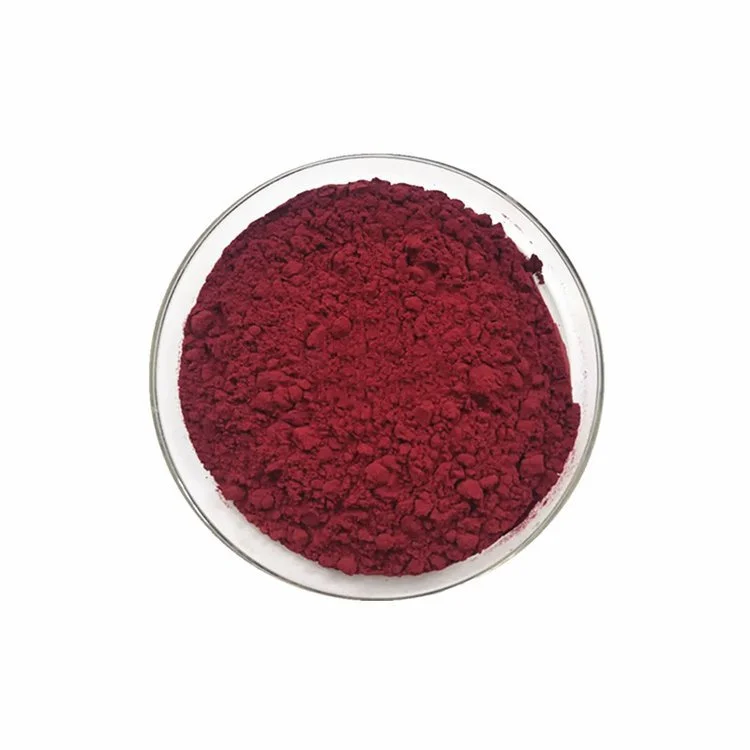
Purity: 1%-10%
Appearance: Dark red powder
CAS NO.: 472-61-7
Molecular Weight: 596.85
Molecular Formula: C40H52O4
MOQ: 500G-1KG
Inventory: in stock
Our Advantages: Scalable production capacity, strict quality control, cost efficiency from integrated factories, over 20 years of experience, advanced technology, and 24/7 after-sales support.
Certificaions: FSSC2000/ISO2000/HALAL/KOSHER/HACCP
Delivery terms: FedEx, DHL, EMS, UPS, TNT, all kinds of the airline, international shipping companies.
Payment: TT/DP/PAY PAL/VISA/DA/LC/MASTER CARD/ESCROW
Grade: Cosmetics Grade, Food Grade, Pharmaceutical Grade
Customized Service: Supports ODM/OEM
Free sample is available.
We do not sell retail quantities to individuals.
Understanding Bulk Astaxanthin Powder
Researchers have found that Astaxanthin Powder Bulk is one of nature's most powerful antioxidants, with antioxidant activity much higher than that of vitamin E or beta-carotene. For B2B buyers, the difference between natural and fake forms is very important.
Natural vs. Synthetic Astaxanthin Powder
The natural astaxanthin that comes from phytoplankton mostly has the (3S, 3'S) stereoisomer, which is more biologically active than manufactured versions. Synthetic astaxanthin is made using industrial methods and is made up of a racemic mixture that only has about 25% of the most effective isomer. We use supercritical CO2 extraction methods that keep the natural chemical structure while getting rid of solvent residues. This is a key quality difference between premium suppliers and cheap suppliers.
Key Chemical and Functional Properties
Astaxanthin's molecules are made up of hydroxyl and keto groups, as well as linked double bonds. This lets it cross whole cell membrane bilayers. Its amazing ability to get rid of free radicals is helped by its unique structure. Our Astaxanthin Powder Bulk strictly follows heavy metal limits, microbiological standards, and liquid residue levels. This makes sure that it can be sold legally in all foreign markets. Filter paper residue testing constantly shows that our product is more pure than rival products, which is directly linked to higher antioxidant capacity and extraction purity.
Concentration Specifications and Stability
Because it needs to be stable, commercial astaxanthin powder usually has between 2% and 5% active ingredient by weight. Pure crystalline astaxanthin breaks down quickly in air, so it needs to be microencapsulated in protected materials like modified starch or gelatin. This "double-shell protection" technology makes the product last longer (24 to 36 months) without losing its effectiveness. Higher concentration types need more complex encapsulation methods and more expensive raw materials, which affect how purchase price strategies are set.
Best Uses of Bulk Astaxanthin Powder Across Industries
Astaxanthin Powder Bulk is used in many different industries, and each one has its own manufacturing needs and performance standards. Knowing these industry-specific needs helps you make better choices about what to buy.
Nutraceutical and Dietary Supplement Manufacturing
The main groups of people who buy Astaxanthin Powder Bulk are pharmaceutical companies and supplement makers. According to clinical studies, daily doses between 4 mg and 12 mg are safe for humans to take, as they help with oxidative stress and heart health. Powder test percentages are used to figure out inclusion rates. For example, 200 mg of 2% astaxanthin powder or 80 mg of 5% powder are needed to make a 4 mg finishing dose. Our standard amounts allow for accurate dosing across all production runs. This lowers formulation variations and helps with regulatory compliance. The product has been tested many times and found to be safe and non-toxic. This gives makers who are trying to reach quality-conscious customers peace of mind.
Cosmetic and Skincare Applications
More and more, anti-aging, moisturizers, serums, and protected skin care items from beauty and personal care brands contain astaxanthin. Because it can eliminate singlet oxygen and lower oxidative damage, the ingredient is very useful for UV protection goods and those that target environmental stressors. Cold water dispersible (CWD) versions use emulsification technology to make the naturally lipophilic molecule work with makeup bases that are water-based. Astaxanthin is better for skin care makers than other carotenoids because it is more stable and doesn't have any pro-oxidant activity, even at high amounts.
Functional Food and Beverage Integration
Companies that make food and drinks add astaxanthin powder to useful snacks, protein shakes, nutritional bars, and drinks that are fortified. The ingredient adds a natural orange-red color and acts as an antioxidant, but formulators need to take into account the fact that it is lipophilic. Standard powder grades need oil-based systems, but CWD beadlets can be mixed into clear or water-based drinks, making stable dispersions even though they produce orange-colored solutions. Our microencapsulated Astaxanthin Powder Bulk uses technology to hide smells, getting rid of sea notes that could mess up delicate flavor profiles.
Aquaculture and Animal Nutrition
Astaxanthin is used a lot in the aquaculture business to improve the color of salmon, trout, and shrimp farms, and it also helps the fish's defense systems and growth. Animal nutritionists like natural astaxanthin better than manufactured versions because it is more bioavailable. Feed makers usually put quantities of 50 to 100 ppm in finished feeds, which means they need to buy large amounts and make sure their supply chain stays stable.
These different uses show why astaxanthin powder is still becoming popular in B2B industries. Each business sector has its own technical requirements, so supplier knowledge and consistent product quality are very important when buying.
Comparative Insights for Bulk Astaxanthin Powder Procurement
To find your way around the buying world, you need to know about the key differences between products that affect both cost and functionality.
Powder vs. Oil Formats
Some benefits of astaxanthin oil can be seen in direct encapsulation uses. However, powder forms offer better stability, longer shelf life, and easier production. Powder shapes make it easier to keep track of supplies, weigh things accurately, and lower the risk of oxidation during storage. Powder works well with dry mixing methods and is lighter to ship than oil-based options, which are both good for manufacturing.
Natural vs. Synthetic Source Evaluation
There are important things to think about besides just cost when deciding between natural and manmade astaxanthin. Natural Astaxanthin Powder Bulk from microalgae is very expensive, but it has much better antioxidant activity—tests in the lab show that it is over 20 times stronger in some tests. The chiral HPLC test clearly tells the difference between sources, with natural forms having more than 95% (3S, 3'S) isomer content. While synthetic forms are cheaper for farming, they are hard to use in human nutrition markets because of rules and customer resistance.
Organic Certification and Concentration Levels
As the market for clean-label products grows, organic-certified astaxanthin powder meets that demand, but the certification standards raise production costs by about 30 to 40 percent. Professionals in procurement have to weigh the costs of licensing against the needs of the target market and the need to stay ahead of the competition. Similarly, choosing the concentration requires trade-offs between how much it costs per kilogram and how easy it is to make the formula. For example, higher test powders lower the amount of inclusion that needs to be done, but they cost more per unit.
How to Procure Bulk Astaxanthin Powder Efficiently
A good buying strategy includes more than just comparing prices; it also looks at the quality of the suppliers and makes the best use of transportation.
Supplier Certification and Traceability
Reliable providers keep a lot of different certificates, such as GMP, ISO 22000, and HACCP compliance. We have two GMP-compliant production lines that can be fully tracked from growing the algae to packing it. Organic approvals from the USDA and EU governing bodies give premium product lines even more proof that they are safe. Purchasing teams should ask for Certificates of Analysis (COA) that are special to each batch. These COAs should include information on the amount of heavy metals, microbes, leftover solvents, and active ingredients.
Minimum Order Quantities and Packaging Flexibility
Efficient providers have flexible MOQ structures that can work for both new names and well-known companies. Our warehouse stocking service lets you ship multiple items at once, which saves you money on shipping and customs clearance costs. As a choice for packaging, vacuum-sealed aluminum foil bags with oxygen scavengers should be available. These bags will provide the best protection during foreign shipping. By flushing with nitrogen before closing, oxidative breakdown can be stopped during storage.
Sample Testing and Verification Before Purchase
Pre-purchase sample assessment is always a part of strategic buying. The testing procedures should make sure that the concentration is correct using HPLC analysis, check the powder's flowability and dispersibility, and make sure that there are no off-flavors or smells. We offer free samples so that you can try out different formulations before committing to a large order. This lowers the risk of the purchase and makes sure that it will work with your current manufacturing processes.
International Shipping and Customs Support
Global supply chains need transportation skills that go beyond making products. Along with specialized freight forwarders, we work with FedEx, DHL, EMS, UPS, and TNT to give target customs clearance services for markets in the United States and Europe. This all-around help gets rid of common import problems, making sure that Astaxanthin Powder Bulk gets to your facility without any delays or extra fees caused by regulations.
Maximizing the Value of Bulk Astaxanthin Powder in Your Supply Chain
Keeping the purity of the product throughout the supply chain saves your investment and makes sure that the final product always works the way it's supposed to.
Storage and Handling Best Practices
Because Astaxanthin Powder Bulk is easily damaged by light, air, and high temperatures, it needs to be stored in a certain way. Containers that haven't been opened should stay in temperature-controlled places below 15°C and out of direct sunlight. When the package is opened, nitrogen cleaning right away before resealing stops reactive losses. Following the first-in, first-out rule for inventory movement keeps the best effectiveness across production cycles. Our double-shell microencapsulation technology makes things more stable, but they still need to be handled properly to get the most out of their shelf life.
Formulation Integration Techniques
To successfully incorporate, you need to know that astaxanthin is lipophilic and that the encapsulation material has certain traits. Powder forms spread out best when they are mixed with fat carriers ahead of time or when high-shear mixing equipment is used. Because of temperature sensitivity, handling must be done below 40°C to keep it from breaking down. Quality control tests should make sure that the concentration is the same across all produced goods so that concentrations don't change from one production batch to the next.
Market Trends and Chances for the Future
The global astaxanthin market keeps growing because more and more people want to use natural ingredients that have been shown to be good for them. Microalgae-derived sources are better for the environment than manmade options, which gives brands that focus on clean sourcing a competitive edge. There are chances for innovation in new ways to give medicines, in formulas that combine antioxidants that work well together, and in finding new uses for these medicines in wellness areas. Strategies for buying things should take into account how the supply chain might grow, and companies should think about building long-term ties with suppliers to make sure they can always get good Astaxanthin Powder Bulk as demand rises.
Conclusion
Investing in Astaxanthin Powder Bulk is a smart move for companies in the food, cosmetics, fishing, and medicine industries. Natural powder made from microalgae works better as an antioxidant than manmade options, and strict quality controls make sure it meets international safety standards. To be successful at procurement, you need to carefully evaluate all of your suppliers, pay close attention to concentration standards, and know what the application needs are for your business. Our dedication to product purity, shown by advanced testing methods that show the lack of impurities and increased free radical scavenging capacity, makes us a trustworthy partner for companies looking for regular, high-quality materials. When you combine factory-direct prices with flexible logistics help and technical know-how, you get value all along your supply chain.
FAQ
1.What distinguishes natural from synthetic astaxanthin in laboratory testing?
Chiral HPLC research is the only way to be sure of the cause. Astaxanthin that comes from microalgae has more than 95% of the (3S, 3'S) stereoisomer, but manufactured versions only have 25% of this most bioactive form in their racemic mixes. Standardized tests show that natural forms have a lot more antioxidant action.
2.How should concentration percentages influence procurement decisions?
Commercial powders usually have between 2 and 5 percent active ingredient. Higher ratios lower the amount of ingredient that needs to be included, but they cost more. Instead of figuring out the price per kilogram of powder, figure out the price per milligram of pure astaxanthin to properly compare what different suppliers are giving and find the best deal.
3.Can astaxanthin powder be incorporated into water-based formulations?
The normal Astaxanthin Powder Bulk is lipophilic, which means it doesn't work well in water-based systems. For cold water dispersible (CWD) versions, emulsification matrices are used to make stable dispersion in drinks and water-based goods. However, the solutions that are made turn a characteristic orange color instead of staying clear.
Partner with a Trusted Astaxanthin Powder Bulk Manufacturer
Jiayuan Bio-Tech is a great company for buying professionals who want to work with a reliable Astaxanthin Powder Bulk provider. Our state-of-the-art production sites follow strict GMP guidelines and are backed by ISO and SGS certifications that make sure the quality of every batch is the same. Our offering stands out in competitive markets thanks to its use of supercritical CO2 extraction technology, strict quality testing methods, and full shipping support. We take the hassle out of buying things by clearing goods through customs at the destination for customers in Europe and the US. This makes sure that the goods get delivered easily to your factory. Our expert team helps with formulations and responds quickly to questions about specifications. Factory-direct prices and choices for consolidated shipping lower the total cost of acquisition. You can email our expert sales team at sales@jayuanbio.com or sales1@jayuanbio.com to get free samples, talk about unique formulations, or learn more about our OEM processing services. Our dedication to using high-quality ingredients and being sensitive to your needs as a partner help your goods do well in health markets that are very picky.
References
1. Ambati, R.R., Phang, S.M., Ravi, S., & Aswathanarayana, R.G. (2014). Astaxanthin: Sources, Extraction, Stability, Biological Activities and Its Commercial Applications—A Review. Marine Drugs, 12(1), 128-152.
2. Higuera-Ciapara, I., Félix-Valenzuela, L., & Goycoolea, F.M. (2006). Astaxanthin: A Review of its Chemistry and Applications. Critical Reviews in Food Science and Nutrition, 46(2), 185-196.
3. Guerin, M., Huntley, M.E., & Olaizola, M. (2003). Haematococcus astaxanthin: Applications for Human Health and Nutrition. Trends in Biotechnology, 21(5), 210-216.
4. Yuan, J.P., Peng, J., Yin, K., & Wang, J.H. (2011). Potential Health-Promoting Effects of Astaxanthin: A High-Value Carotenoid Mostly from Microalgae. Molecular Nutrition & Food Research, 55(1), 150-165.
5. Capelli, B., Bagchi, D., & Cysewski, G.R. (2013). Synthetic Astaxanthin is Significantly Inferior to Algal-Based Astaxanthin as an Antioxidant and May Not be Suitable as a Human Nutraceutical Supplement. Nutrafoods, 12(4), 145-152.
6. Shah, M.R., Liang, Y., Cheng, J.J., & Daroch, M. (2016). Astaxanthin-Producing Green Microalga Haematococcus pluvialis: From Single Cell to High Value Commercial Products. Frontiers in Plant Science, 7, Article 531.