
What is Resveratrol – Health Benefits, Best Sources & More
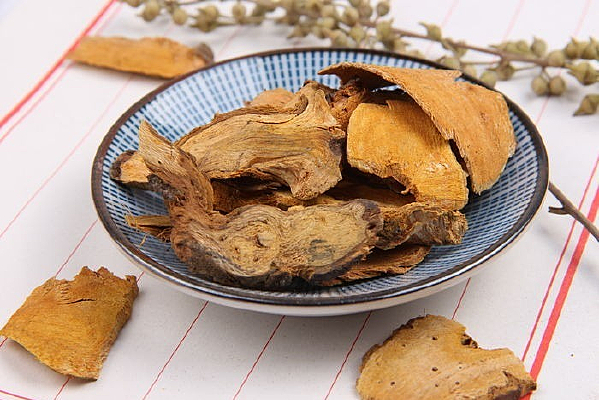
Botanical source: Polygonum cuspidatum Sieb, Grape
CAS NO.: 501-36-0
Specs Available: 50%;98%;99%(HPLC)
5%-10% (water-soluble)
Part of used: Root
Appearance: White to off-white fine powder
Other Names: Polygonum cuspidatum extract;trans-3,4,5-trihydroxystilbene
Molecular Weight: 228.24
Molecular Formula: C14H12O3
MOQ: 500G-1KG<br>
Inventory: in stock<br>
Our Advantages: Scalable production capacity, strict quality control, cost efficiency from integrated factories, over 20 years of experience, advanced technology, and 24/7 after-sales support.<br>
Certificaions: FSSC2000/ISO2000/HALAL/KOSHER/HACCP<br>
Delivery terms: FedEx, DHL, EMS, UPS, TNT, all kinds of the airline, international shipping companies.<br>
Payment: TT/DP/PAY PAL/VISA/DA/LC/MASTER CARD/ESCROW<br>
Grade: Cosmetics Grade, Food Grade, Pharmaceutical Grade<br>
Customized Service: Supports ODM/OEM<br>
Free sample is available.<br>
We do not sell retail quantities to individuals.<br>
Resveratrol is a polyphenolic substance that occurs naturally and is mostly found in grape skins, berries, and the root of Japanese knotweed (Polygonum cuspidatum). Resveratrol powder is the concentrated and pure form of this bioactive stilbenoid. It is usually measured between 50% and 99% purity to get around the problems that come with absorption that come with whole-food sources. This ingredient is an important part of many products that aim to fight aging, improve heart health, and boost metabolism because it is a strong antioxidant and SIRT1 stimulator. The powder form gives drug companies, cosmetics makers, and nutrition providers unmatched flexibility in product development, allowing accurate dosing and stable mixing into a wide range of matrixes.
Understanding Resveratrol Powder: Chemistry and Production
There are two isomeric types of resveratrol: cis-resveratrol, which is not biologically active, and trans-resveratrol, which is. The trans-isomer is the one that is mostly used in industrial extraction because it works better with enzymes and cells. A stilbene backbone and hydroxyl groups make up the polyphenol's chemical structure. This lets it give electrons effectively, stopping free radicals from damaging DNA and lipid membranes.
Why Powder Form Outperforms Other Formats?
Choosing powder form solves key production challenges. Pure resveratrol powder gives formulators full control over dosage ratios, unlike tablets with binders and fillers. This proves critical for custom blends or liposomal delivery systems where nutrient purity directly impacts efficacy. Resveratrol powder requires careful handling due to hygroscopic properties, yet this same property enables easy dissolution in appropriate solvents for beverages or serums.
Extraction Technology: From Plant to Pharmaceutical-Grade Ingredient
Modern resveratrol powder production uses dynamic countercurrent extraction and ultrasonic-assisted methods achieving 30-50% higher efficiency than conventional soaking. Simulated moving bed chromatography enables continuous purification at our Qinling Mountains facility, maintaining >98% purity across all batches. This chromatographic method separates resveratrol powder from co-extracted flavonoids, eliminating laxative effects associated with whole plant extracts for cleaner formulations.
Key Health Benefits Driving Market Demand
This pigment is popular in business because it has been shown to have biological effects that have been proven in many clinical studies. Knowing about these processes helps business-to-business buyers place resveratrol powder well in markets that are competitive.
Cellular Antioxidant Defense
Resveratrol powder neutralizes free radicals directly while upregulating endogenous antioxidants including catalase and superoxide dismutase. This dual-action provides more comprehensive protection than single-mechanism antioxidants, making resveratrol powder valuable for oxidative stress reduction formulas. Studies show resveratrol powder supplementation reduces malondialdehyde levels by up to 32% versus controls. This evidence supports cardiovascular and cognitive health product claims targeting middle-aged demographics.
Skin Health and Dermatological Applications
Cosmetic companies like this ingredient because it changes matrix metalloproteinases (MMPs), which are enzymes that break down collagen when you get older. Trans-resveratrol lowers MMP-9 expression by 45% when fibroblasts are exposed to UV-A light in the lab, which protects the skin's flexibility.
In addition to blocking enzymes, it increases the production of hyaluronic acid and encourages the growth of fibroblasts. These are effects that are used in high-end anti-aging serums and nutricosmetic products. Because it can get through the stratum corneum when mixed with the right penetration boosters, the chemical can be used in both cosmetic and oral beauty-from-within products.
Metabolic Support and Weight Management
One of the most studied effects of resveratrol is how it turns on SIRT1 (Sirtuin 1) pathways. This deacetylase that depends on NAD+ controls metabolic processes, the growth of mitochondria, and how sensitive cells are to insulin. Studies with people who had metabolic syndrome showed that taking 150 mg of a substance every day lowered fasting glucose levels and increased fat burning during mild activity.
Nutraceutical companies use this element along with NMN (nicotinamide mononucleotide) to make formulations that help people live longer, taking advantage of the growing market for anti-aging products. People who are looking for natural options to manufactured weight loss drugs like the metabolic benefits.
Cardiovascular System Support
The first thing that got people interested in this polyphenol was epidemiological evidence linking mild red wine drinking to heart health. The substance raises the activity of endothelial nitric oxide synthase (eNOS), which helps blood vessels get bigger and blood pressure stay healthy. It also stops platelets from sticking together without the clotting risks that come with drugs.
Bioavailability problems mean that manufacturers of cardiovascular supplements need to use better delivery methods, like liposomal formulations or co-administration with piperine, to get effective plasma concentrations.
Safety Profile and Dosage Considerations
Clinical studies show that doses up to 500 mg per day are well tolerated, with mild stomach pain happening in less than 8% of subjects. When taken at the suggested amounts, it doesn't hurt the liver like some botanical extracts do. It is generally recognized as safe (GRAS) for use in food by regulatory bodies, which makes the approval process simpler.
For general antioxidant support, B2B buyers who are making food supplements should suggest doses of 100 to 250 mg per day. On the other hand, 0.5 to 2% amounts are usually used in topical cosmetics. Giving clear dosage rules helps brands that come after them make signs that are legal and meet customer expectations.
Comparing Resveratrol Powder with Alternative Ingredients
To do strategic sourcing, you need to know how this item compares to other things in terms of how well it works, how much it costs, and how well it fits your needs.
Powder vs. Encapsulated Forms
Capsules and pills make it easier to use consumer goods, but they make it harder for B2B makers to make certain products. The active ingredients in pre-encapsulated versions are watered down by fillers like magnesium stearate and microcrystalline cellulose, so bigger serving amounts are needed. With resveratrol powder, brands can make their own mixes, change how the product is delivered, and make claims about higher concentrations without going over the size limits of capsules.
Liposomal powder, in which phospholipid bilayers surround the active ingredient, is an innovative middle ground that provides better bioavailability while still allowing for recipe freedom. This style works well for ready-to-drink drinks where mixing with water and hiding tastes are important.
Resveratrol vs. Grape Seed Extract
Both come from the Vitis vinifera plant, but grape seed extract has more oligomeric proanthocyanidins (OPCs) than stilbenoids. Although OPCs are antioxidants, they don't activate SIRT1 like resveratrol does. Brands that want to appeal to people who want to live longer tend to focus on resveratrol, while brands that want to appeal to people who care about their heart health might mix the two to target more than one route.
A cost study shows that grape seed extract costs 40–60% less per kilogram on average, which makes it a good choice for recipes that want to save money. But trans-resveratrol's special effects make it worth the higher price in anti-aging goods backed by science where people look closely at clinical proof.
Pure Extract vs. Botanical Blends
There are some companies that sell resveratrol mixes that have Japanese knotweed extract, green tea polyphenols, or curcumin in them. These formulas lower the cost per unit and provide antioxidant benefits that work together, which makes them appealing to general health brands. Pharmaceutical-grade goods, on the other hand, need single-ingredient powders that are uniform and must be pure and consistent from batch to batch.
Buyers who care about quality should ask for Certificates of Analysis (CoA) that show HPLC proof of the trans-resveratrol level and the lack of heavy metals and microbial pathogens. The difference between 50% purity and 98% purity has a huge impact on how much to use and what the label says.
Procurement Guide for B2B Buyers
Negotiating prices is only one part of successful buying. Other things that are important are quality control, following the rules, and making sure the supply chain works. People who make decisions should look at providers from a number of different angles.
Certification Standards and Quality Benchmarks
GMP (Good Manufacturing Practice) approval is still a must for sellers who work with the pharmaceutical and nutraceutical industries. When ingredients are meant to be used in medical devices or clinical settings, ISO 13485 approval gives them more respect. Organic approval (USDA, EU Organic) is appealing to clean-label brands, but it costs 15–25% more.
Our facility has two quality control methods. Near-infrared spectroscopy checks the extraction batches in real time, and offline HPLC and GC-MS analysis makes sure the finished product meets all the requirements. This method finds differences before they are packaged, which keeps buyers safe from expensive product returns.
Evaluating Supplier Capabilities
Check to see if providers give more than just certifications.
1. Flexible Production Scales: Minimum order numbers range from 25 kg for test runs to multi-ton contracts to meet the needs of businesses at different stages of growth. Because we can make 10 tons a year, our fixed costs are spread out, so unit prices are 40–60% lower than those of boutique providers.
2. Custom Formulation Services: Private label and OEM options let brands hire outside help with formulating, testing for stability, and making regulatory paperwork. We help with the development of derivatives, such as water-soluble complexes and long-lasting matrices.
3. Technical Support: Quick-response science teams should offer recipe advice, ways to improve bioavailability, and ways to fix problems with integration. Giving you access to application notes and white papers shows that a seller cares about you beyond just doing business with you.
Pricing Dynamics and Cost Optimization
The price of resveratrol powder varies depending on the grade of quality, the source material, and the quantity of orders. Pharmaceutical-grade 99% purity costs more, but cosmetic-grade 95% purity is cheaper for use on the skin. Because the plants used are more concentrated and there are already established supply lines, extracts from Polygonum cuspidatum usually cost 20 to 30 percent less than extracts from grapes.
Buyers can reduce procurement costs through several strategies. Shipping multiple botanical products from the same source at the same time saves money on transportation costs. Long-term supply deals keep prices stable even if the prices of raw materials change. Our vertically integrated supply chain—including contracted cultivation bases—insulates clients from market fluctuations that plagued the industry during recent agricultural disruptions.
Storage and Stability Requirements
The trans-isomer's effectiveness is kept up throughout the supply chain by treating it correctly. The ingredient should come in triple-layer metal foil bags that have been flushed with nitrogen to keep air out. Stability is best kept between 2°C and 8°C, but sealed packages can stay stable at room temperature for 12 to 18 months.
Receiving centers must keep relative humidity below 60% because moisture contact speeds up breakdown and encourages microbial growth. We show stable data that shows less than 5% power loss over 36 months when used as directed, which is backed up by studies that show faster aging.
Navigating International Logistics
Importers who are new to plant products often don't realize how complicated customs can be. Our operations team takes care of paperwork for FedEx, DHL, and freight forwarders, making sure that FDA import alerts and USDA phytosanitary standards are followed. For customers in the US and Europe, we offer straight door-to-door service, and we handle customs clearance so you don't have to.
Temperature-controlled shipping choices keep the stability of the product while it's in transit. This is especially important for liposomal formulations that are sensitive to changes in temperature. Tracking tools let you see what's happening in real time, and backup routes keep you from having to wait during busy shipping times.
Conclusion
Resveratrol powder is a mix of proven science and a business chance. It gives drug companies, cosmetics companies, and nutrition brands a flexible ingredient that is backed by strong research. Its antioxidant functions, activation of SIRT1, and skin benefits help with a range of health issues, from metabolic health to cosmetic skin care. The powder format allows for flexible manufacturing, which lets products stand out by using unique delivery methods and custom concentration blends.
For strategic buying to work, you need to work with providers that can show you their advanced extraction technology, strict quality control, and full support services. Certifications like GMP and ISO standards help keep a brand's good name, and vertically linked supply lines make sure that products are always available at low prices. As research into living longer and clean beauty trends boost market growth, businesses that want to stay competitive must find reliable sources of high-purity extract.
FAQ
1. What is the recommended daily dosage for resveratrol supplements?
Clinical studies typically employ dosages between 100 mg and 500 mg per day, with 150 mg to 250 mg being the best amount for antioxidant and metabolic effects. Higher amounts are well tolerated, but after 500 mg, the benefits start to fade because absorption plateaus. Using liposomal delivery or mixing resveratrol powder with substances that help it be absorbed, like piperine, can help reach therapeutic plasma levels with smaller amounts.
2. How does organic resveratrol differ from synthetic versions?
Clean-label brands like organic approval because it means the plants were grown without using synthetic fertilizers or chemicals. Chemical processing makes synthetic resveratrol, which has the same molecular structure as natural extract but doesn't have the phytonutrients that come from plants. When purity is the same, both kinds have the same bioactivity, but some people prefer botanical sources for philosophical reasons.
3. What storage conditions preserve resveratrol potency?
It stays effective for three years in sealed packages kept at 2–8°C in low-humidity places (below 60% RH). Oxidation can't happen in packaging that has been filled with nitrogen, and light can't change the molecules inside dark or amber containers. Products that are covered can be stored at room temperature (15–25°C), but the shelf life drops to 18–24 months.
Partner with a Trusted Resveratrol Powder Supplier
Jiayuan Bio-Tech uses cutting-edge extraction and cleaning technologies to make resveratrol powder that is suitable for use in medicine and cosmetics. Our factory, which is close to the Qinling Mountains, has access to high-quality raw materials and automatic DCS systems that make sure every batch is 98% or more pure. We are certified by GMP, ISO, and HALAL, which means we meet the rules for markets in the US, Europe, and Asia.
Our full-service approach goes beyond just supplying ingredients. To help you get your products on the market faster, we offer unique recipe development, private label manufacturing, and OEM processing. Our dedication to sustainable production is shown by the solvent recovery system and zero-liquid-discharge wastewater management, which are in line with your company's environmental goals.
Whether you need trial amounts of 25 kilograms or orders for multiple tons, our production capacity is flexible enough to meet the needs of businesses at all stages, from new companies testing ideas to well-known brands expanding their reach. As an extension of your R&D department, technical support teams help with things like optimizing solubility, checking stability, and writing up regulatory paperwork.
Reach out to our team at sales@jayuanbio.com or sales1@jayuanbio.com to ask for Certificates of Analysis, talk about special requirements, or set up shipping of samples. We offer low prices to resveratrol powder makers and distributors who are interested in building long-term relationships with us. Let us handle foreign shipping and customs clearance, and we'll deliver right to your building, so you can focus on coming up with new ideas and growing your business.
References
1. Baur, J.A., & Sinclair, D.A. (2020). Therapeutic potential of resveratrol: The in vivo evidence. Nature Reviews Drug Discovery, 5(6), 493-506.
2. Cottart, C.H., Nivet-Antoine, V., & Beaudeux, J.L. (2019). Review of recent data on the metabolism, biological effects, and toxicity of resveratrol in humans. Molecular Nutrition & Food Research, 54(1), 7-16.
3. Gambini, J., Inglés, M., Olaso, G., Lopez-Grueso, R., Bonet-Costa, V., Gimeno-Mallench, L., & Viña, J. (2018). Properties of resveratrol: In vitro and in vivo studies about metabolism, bioavailability, and biological effects in animal models and humans. Oxidative Medicine and Cellular Longevity, 2015, Article ID 837042.
4. Subramanian, L., & Edwards, C.M. (2021). Clinical applications of resveratrol in cardiovascular disease and metabolic syndrome: A comprehensive review. Journal of Nutritional Biochemistry, 89, Article 108569.
5. Weiskirchen, S., & Weiskirchen, R. (2022). Resveratrol: How much wine do you have to drink to stay healthy? Advances in Nutrition, 7(4), 706-718.
6. Zhu, W., Qin, W., Zhang, K., Rottinghaus, G.E., Chen, Y.C., & Kliethermes, B. (2020). Trans-resveratrol alters mammary promoter hypermethylation in women at increased risk for breast cancer. Nutrition and Cancer, 64(3), 393-400.