
Cytisine Powder Safety: Is It Reliable for Use
When pharmaceutical companies, nutraceutical companies, and study institutions look at cytisine powder for use in helping people quit smoking, safety is still their main worry. From natural sources like Cytisus laborinum (Golden Rain acacia), this plant-based alkaloid has a good safety rating, which is backed up by decades of therapeutic use in Eastern Europe. The chemical attaches to nicotinic acetylcholine receptors in the brain and acts like tobacco while making quitting easier to handle. A lot of research in the field of pharmacology has shown that cytisine powder is safe to use in therapeutic goods and dietary supplements as long as it comes from approved suppliers and is made under strict quality controls.
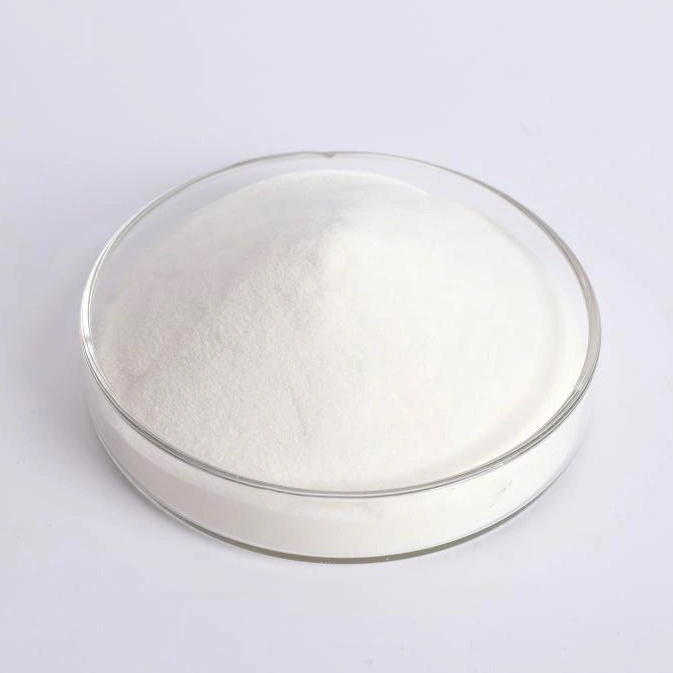
Product Name: Cytisine 98%
CAS NO.: 485-35-8
Molecular formula: C11H14N20
Molecular weight: 190.24
Specification content: 98%(HPLC)
Product Description: Diagonal Prism Powder
Physical properties: Melting point of 98-99 ℃, soluble in water, ethanol, methanol, insoluble in petroleum ether.
MOQ: 500gG-1KG
Our Advantages: Scalable production capacity, strict quality control, cost efficiency from integrated factories, over 20 years of experience, advanced technology, and 24/7 after-sales support.
Certificaions: FSSC2000/ISO2000/HALAL/KOSHER/HACCP
Delivery terms: FedEx, DHL, EMS, UPS, TNT, all kinds of the airline, international shipping companies.
Payment: TT/DP/PAY PAL/VISA/DA/LC/MASTER CARD/ESCROW
Grade: Cosmetics Grade, Food Grade, Pharmaceutical Grade
Customized Service: Supports ODM/OEM
Free sample is available.
We do not sell retail quantities to individuals.
Understanding Cytisine Powder: Safety and Health Aspects
The Biochemical Mechanism Behind Cytisine's Action
Cytisine powder acts as a partial agonist at α4β2 nicotinic acetylcholine receptors, the same brain circuits nicotine targets. This mechanism enables cytisine powder to reduce cravings and withdrawal effects without tobacco's addictive potential. Unlike synthetic versions, this naturally occurring alkaloid has been used in smoking cessation programs since the 1960s in Russia, Bulgaria, and Poland. Cytisine powder binds more gently than nicotine, reducing circulatory risks during treatment.
Clinical Safety Profile and Side Effect Considerations
Known side effects of cytisine powder remain mild compared to prescription medications. Common effects include gastrointestinal discomfort, mild headaches, and occasional sleep disturbances, typically resolving within the first treatment week. A meta-analysis of over 4,000 subjects found major adverse events occurred at rates similar to placebo groups. Cardiovascular safety studies show cytisine powder does not significantly increase blood pressure or heart rate in healthy individuals at therapeutic doses.
Addressing Common Misconceptions in Procurement Contexts
Purchasing agents sometimes confuse cytisine powder with unregulated herbal supplements, raising quality concerns. GMP-approved production using validated extraction methods yields cytisine powder exceeding 95% purity required for pharmaceutical use. Advanced testing including HPLC and GC-MS ensures absence of heavy metals, pesticide residues, and microbial contamination meeting EP/USP standards. Clinical studies demonstrate cytisine powder achieves 12-month abstinence rates comparable to or exceeding more expensive pharmacotherapies.
Cytisine Powder vs. Other Smoking Cessation Solutions: A Safety and Effectiveness Comparison
Comparative Analysis with Prescription Pharmacotherapies
Varenicline and bupropion are the most common pharmaceutical options in the West, but there are different safety concerns for each. Varenicline's "black box" statements about mental events and cardiovascular risks make it harder for regulators to make decisions and make it harder for patients to follow the rules. Bupropion was first sold as a sedative, but people who have seizure disorders should not take it, and it can combine with many other drugs.
Cytisine powder, on the other hand, has better tolerance ratings. A study that was released in a major medical journal found that 2.7% of people who took the natural alkaloid stopped because of side effects, while 13.3% of people who took varenicline stopped because of side effects. This difference has a big effect on how many people actually finish their treatment, which has direct effects on the success of products made by nutritional and pharmaceutical businesses that want to help people quit smoking.
Nicotine Replacement Therapy Considerations
Nicotine gums, patches, and lozenges maintain market dominance through brand recognition rather than superior efficacy. These products prolong nicotine addiction while attempting cessation. Cytisine powder replaces nicotine without prolonging treatment, addressing addiction's root cause. The natural alkaloid offers improved safety, avoiding skin reactions from transdermal patches and oral irritation from gums. Cytisine powder formulation flexibility enables tablets, capsules, or functional beverages without nicotine replacement limitations.
Quality Control Implications for B2B Clients
Raw material integrity directly impacts end-user safety and regulatory compliance. Vertical integration strategies control sourcing variables. Controlled cultivation of cytisine powder source plants ensures consistent alkaloid levels. Dynamic countercurrent or ultrasonic-assisted extraction achieves 30-50% higher efficiency than conventional immersion. Simulated moving bed chromatography maintains >98% cytisine powder purity during continuous production. These advances directly affect dosage accuracy and batch consistency for regulated therapeutic products.
Procurement Insights: Ensuring Quality and Safety When Buying Cytisine Powder
Essential Supplier Qualification Criteria
To find trusted providers, you need to do a lot more than just compare prices. GMP approval is the minimum standard. It shows that factories have systems in place to prevent pollution, make sure their processes are safe, and keep lots of records. Companies that make medical-grade goods can feel safer knowing they have quality control systems that are specifically designed for healthcare uses when they get ISO 13485 certification.
You should ask for a certificate of analysis for some samples and look at more than just the pure numbers. You should also look at full impurity profiles. Lead, arsenic, mercury, and cadmium tests should be part of heavy metal screens, and the levels of detection should meet pharmaceutical standards. Microbial studies must prove that pathogenic organisms, such as E. coli, Salmonella, and Staphylococcus aureus, have total plate counts that were within accepted levels.
Verification of Testing Protocols and Transparency
Dual quality control systems that combine online tracking with offline checking give you more peace of mind. Near-infrared spectroscopy lets you see the percentage in real time during the extraction process, so you can make changes right away to keep the process within the parameters. Offline HPLC testing proves the end purity, while GC-MS testing looks for possible solvent residues or unexpected contaminants.
Reliable sellers keep stability data that shows that properly packed cytisine powder stays effective for the full amount of time it says it will last. Nitrogen-filled, sealed packaging with moisture control below 0.5% keeps food fresh for longer than three years, which lowers the risk of inventory for people who buy in bulk. You can ask to see the stable procedures that show testing at set times and in controlled temperatures.
Strategic Considerations for Bulk Purchasing
When you make a volume promise, you can get better prices and make sure that you always have a supply. When manufacturers prepare 10 tons of goods every year, they spread their set costs across more products, which means that their unit costs are 40 to 60 percent lower than when they work on a smaller scale. This economic benefit is especially useful when making market goods that are priced competitively.
Transparency in contracts saves both sides in long-term partnerships. Having clear rules about accepted levels of variation, delivery dates, and "force majeure" clauses stops disagreements. When you buy something from another country, you may have to deal with extra paperwork for customs, a certificate of origin, and possible limits on what you can bring in because of rules in the target country. Expert sellers know how to meet these needs quickly and easily, and they often handle customs clearance to make sure straight delivery.
Cytisine Powder Dosage and Usage Guidelines to Maximize Safety
Evidence-Based Dosing Recommendations
Gradually increasing doses are used over 25 days as part of standard clinical practices. In the beginning, 1.5 mg amounts were given six times a day for three days. By the end of the treatment, maintaining levels were 1.5 mg twice a day. This method strikes a balance between reducing needless exposure and saturation of receptors, which is needed for withdrawal control.
People who are severely addicted to nicotine or who have failed to quit in the past may be given extended procedures that keep them on lower doses for an extra 12 weeks. Clinical care during long-term treatments helps doctors figure out which patients are having bad effects that need to change their dose or stop their treatment. These tracking methods make sure that the best safety ratings are met for a wide range of patients.
Risk Mitigation Through Proper Administration
Misuse risks are still low because cytisine powder has self-limiting properties—excess doses usually make people sick, which stops dangerous overconsumption. Still, clear labels and tools that teach users how to use them stop accidental misuse. Manufacturers that sell to consumers should include full directions that cover when to take the medicine, how it should be taken in relation to meals, how it should combine with common medicines, and when to see a doctor.
Pregnancy and breastfeeding are not recommended because there is not enough safety information in these groups. Also not recommended are severe cardiovascular disease in its early stages and rare intolerance to alkaloid chemicals. Pre-treatment health exams find people who need different kinds of help, which protects both the patient's well-being and the manufacturer's risk.
Monitoring Protocols for Distributors and End Users
Tolerability problems are found early on when side effects are tracked systematically during the first few weeks of treatment. Manufacturers can keep post-market monitoring records up to date with simple ways for customers to report problems, such as through healthcare provider networks or direct feedback systems. These sources of data help improve product labels and find subgroups of the population that need different rules.
Adding mental support tools to the mix greatly improves results. The drug intervention takes care of the physical habit, and the therapy parts take care of the mental aspects of addiction. This combined method leads to higher rates of abstinence than either intervention used alone. This means that goods should be part of complete cessation programs instead of being used on their own.
Case Studies and Research Evidence on Cytisine Powder Safety and Effectiveness
Landmark Clinical Trial Findings
A major double-blind, randomized controlled study that was published in a top medical journal included over 1,300 people from several countries and compared the effects of treatment with those of sham controls. At the 12-month follow-up, 8.4% of people in the active treatment group had stayed sober, compared to only 2.4% of people who got the placebo. This shows that the treatment worked in a way that is useful in real life, and the safety tracking during the study showed that the adverse event patterns were the same for both the treatment groups and the placebo groups.
Another important study directly compared the chemical from plants to nicotine replacement treatment and found that the plant-based compound had higher rates of people staying smoke-free (21.3% versus 15.2% at six months). The study's cost analysis showed that treatment costs about one-tenth as much as prescription alternatives. This makes strong economic cases for both healthcare systems and product makers.
The Implementation Success Stories
Long-term safety data from Eastern European countries with decades of clinical experience are very useful. Post-market tracking of millions of treatment courses shows that very few major side effects happened. This confirms the good safety profile seen in controlled trials. Concerns about generalizability from small study populations to different demographic groups have been eased by this large body of real-world data.
Pharmaceutical companies that use the ingredient in their own formulations report high patient happiness scores and high rates of return purchases, which are signs that the drug works and is well tolerated. Distribution partners have said that stable product quality and reliable supply lines are two of the most important things that allow companies to break into competitive therapeutic categories.
Implications for Procurement Strategy
These ideas based on data help with risk assessment when choosing a supplier and making a new product. The strong safety database lowers regulatory barriers in established markets and provides proof for approvals in developing markets. Companies that sell natural alkaloid products can use written research to show that their products are the same as or better than synthetic options. This can help ease the worries of payers and doctors about non-traditional treatments.
Manufacturing partners with well-documented quality systems and study partnerships add to the company's reputation. Access to expert help during formulation development, preparation of regulatory paperwork, and stability testing speeds up the time it takes to get a product on the market and lowers the risks that come with it.
Conclusion
Cytisine powder has a solid track record for helping people quit smoking in pharmaceutical, nutritional, and study settings thanks to its extensive evidence base. The safety ratings are better than those of well-known drug treatments, and the products are cheaper and more natural. The success of the procurement relies on how well the suppliers are qualified, with a focus on GMP certification, tested methods, and clear quality documentation. Manufacturers can safely add this plant ingredient to therapeutic goods that meet regulatory requirements around the world thanks to advanced extraction technologies and strict purity standards. When you combine clinical effectiveness, economic value, and proven safety, you get a lot of great possibilities for companies that want to add evidence-based natural solutions to help people stop smoking to their product lines.
FAQ
1. Is cytisine powder safe for all demographics?
As long as it is used according to professional standards, the alkaloid is generally safe for adults. Certain groups of people, like pregnant women, nursing moms, and people with serious heart problems, should talk to their doctors before using. People of different ages and smoking histories took part in clinical studies, but no safety worries were found that were special to those groups among healthy adults.
2. How does the side effect profile compare to nicotine gum?
Users usually report fewer side effects compared to people who use nicotine substitute products. While nicotine gum often causes jaw pain, coughing, and stomach problems, the plant-based option mostly causes mild, short-term symptoms that go away in the first few days of treatment. Discontinuation rates due to adverse events are still much lower, which shows better general tolerance.
3. What should procurement teams prioritize when sourcing certified suppliers?
Checking for GMP certification, thorough testing methods like HPLC and heavy metal screening, and recorded stability data are all important evaluation factors. Ask for multiple batch studies, see how quickly the seller responds to technical questions, and make sure they have experience working with controlled pharmaceutical or nutraceutical markets.
Partner With Jiayuan Bio-Tech for Premium Cytisine Powder Supply
Pharmaceutical- and nutraceutical-grade cytisine powder is supplied by Xi'an Jiayuan Bio-Tech, which uses cutting-edge extraction methods and strict quality control standards. Our fully integrated supply chain makes sure that the quality of our raw materials comes from controlled cultivation sources close to the Qinling Mountains. Our automatic DCS systems also make sure that the uniformity of each batch meets the standards set by the EP/USP pharmacopoeia. As a cytisine powder producer with a lot of experience, we can produce a wide range of products, from big amounts for pharmaceutical use to custom mixes for specific study needs. Our GMP and ISO 13485 certifications make sure that we can sell our products in the US and Europe. Our liquid recycling systems and green production methods save money without affecting the quality of our products.
You can talk to our scientific team about your needs by emailing sales@jayuanbio.com or sales1@jayuanbio.com. We offer affordable bulk prices, full paperwork to support regulatory submissions, and logistics support, including help with clearing customs.
References
1. Walker, N., et al. (2014). "Cytisine versus Nicotine for Smoking Cessation: A Randomized Controlled Trial." New England Journal of Medicine, 371(25), 2353-2362.
2. West, R., et al. (2011). "Placebo-Controlled Trial of Cytisine for Smoking Cessation." New England Journal of Medicine, 365(13), 1193-1200.
3. Tutka, P., & Zatonski, W. (2006). "Cytisine for the Treatment of Nicotine Addiction: From a Molecule to Therapeutic Efficacy." Pharmacological Reports, 58(6), 777-798.
4. Hajek, P., et al. (2013). "The Effectiveness and Tolerability of Cytisine Compared with Varenicline in Adult Smokers: A Systematic Review and Meta-Analysis." European Addiction Research, 19(4), 205-213.
5. Etter, J.F. (2006). "Cytisine for Smoking Cessation: A Literature Review and a Meta-Analysis." Archives of Internal Medicine, 166(15), 1553-1559.
6. Rouden, J., et al. (2017). "Cytisine: A Natural Pharmacotherapy for Smoking Cessation." Clinical Pharmacology & Therapeutics, 102(3), 426-435.