
What Is Melatonin? Discover How It Helps Skin Repair Itself at Night
Melatonin is a hormone generated naturally by the pineal gland, well recognised for its role in regulating sleep-wake cycles. But its biological purpose goes well beyond sleep. In powdered melatonin, this substance provides a high antioxidant and anti-inflammatory action that aids in nightly skin restoration, cellular regeneration and collagen formation. A practical way for procurement managers, brand owners and OEM partners in the pharmaceutical, nutraceutical and skincare industries to respond to the growing demand for science-backed, multi-functional ingredients is to understand how melatonin powder fits into modern product development.
This article talks you through the science, how to use it, where to get it and the regulatory scene around melatonin powder – enabling B2B buyers make educated and confident choices.
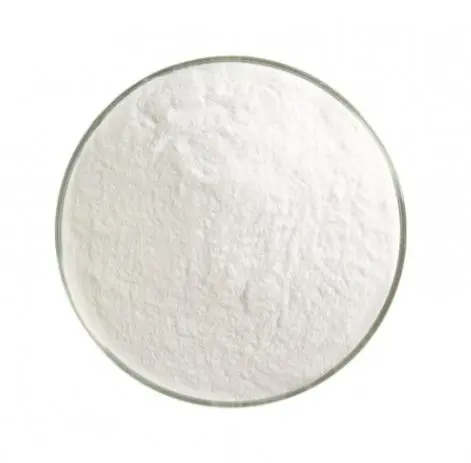
CAS No.: 73-31-4
Appearance: White to off-white powder
Ref standard: USP43
Assay: 99.7%(HPLC)
Molecular formula: C13H16N2O2
Molecular weight: 232.28
MOQ: 1KG
Stock:in stock
Our Advantages: Scalable production capacity, strict quality control, cost efficiency from integrated factories, over 20 years of experience, advanced technology, and 24/7 after-sales support.
Certificaions: FSSC2000/ISO2000/HALAL/KOSHER/HACCP
Delivery terms: FedEx, DHL, EMS, UPS, TNT, all kinds of the airline, international shipping companies.
Payment: TT/DP/PAY PAL/VISA/DA/LC/MASTER CARD/ESCROW
Grade: Pharmaceutical Grade
Customized Service: Supports ODM/OEM
Free sample is available.
We do not sell retail quantities to individuals.
Understanding Melatonin and Its Role in Skin Repair
What Makes Melatonin Essential for Skin Health?
Melatonin is a master controller of circadian rhythms. As light decreases, the pineal gland releases more melatonin, telling the body to go into rest-and-repair mode. During this nighttime window, skin cells ramp up collagen production, speed up DNA damage repair, and detoxify oxidative stress built up during the day from UV exposure, pollution and other environmental stressors.
Melatonin is a star as an anti-oxidant. Studies suggest it is more efficient at quenching certain free radicals than vitamins C and E [1][4]. Free radicals tear down the collagen and elastin fibres, leading to premature wrinkles and loss of firmness in the skin. Melatonin powder may be formulated by product producers to complement the body’s natural nightly repair cycle and give restorative effects where and when they are needed most, either used in topical formulations or oral supplements.
The Science Behind Nighttime Skin Regeneration
It has been shown that melatonin activates fibroblasts, which are the cells responsible for creating collagen and elastin, the structural proteins that help to maintain skin firm and elastic. Melatonin also affects inflammatory pathways, reducing redness, irritation and accelerating healing from small wounds and barrier damage.
In contrast to many other active ingredients, melatonin is coupled to circadian timing. Melatonin is most effective when applied or taken at night, in sync with the skin’s natural peak of restoration, unlike chemicals that function independently of the biological clock. This synchronisation promotes absorption and cell uptake. Pure melatonin powder allows formulators to precisely control dosage & compatibility, avoiding variance in potency from batch to batch.
Why Choose Melatonin Powder Over Other Forms?
For bulk B2B use, melatonin powder is always better than tablets, capsules and liquids. High purity powder (usually 95-99%) includes very few excipients so the formulator has maximum flexibility. Its crystalline form guarantees consistent dissolving in solvents like ethanol and propylene glycol and may be used in serums, infusions, and liposomal delivery systems. Micronised grades, in turn, permit incorporation into aqueous products and fine-mist sprays. Such adaptability makes melatonin powder an ideal ingredient for everything from cosmetic night lotions to nutritional supplement capsules.
How to Use Melatonin Powder for Optimal Skin Repair
Dosage Considerations for Skincare Applications
The effective concentration of melatonin powder in skin care products varies from 0.1% to 2% wt/wt, depending on the kind of product and the desired effect. Daily moisturisers and lightweight lotions often fall at the lower end of this spectrum for continuing maintenance, whereas intense night creams and repair serums may employ greater concentrations for deeper restorative benefits.
The dose profile with oral supplements is different. The usual sleep support range is 3-10 mg per serving, but skin repair formulations may aim for 1-5 mg administered before bedtime—a level that promotes nightly regenerating processes without surpassing conventional regulatory limitations. Bulk melatonin powder allows manufacturers to create exact dosage formats like single-serving stick packs, pre-measured scoop systems, or capsule fills, so that end users can receive consistent amounts, without guess.
Application Methods Across Product Categories
Melatonin powder formulation flexibility offers the door to various different product types:
1. Topical Formulations
Melatonin powder quickly disperses in oil-based serums and emulsion systems to create powerful nighttime treatments which provide antioxidants straight to skin cells. To get the most out of melatonin, combine it with ingredients that work well with it, like hyaluronic acid, peptides or ceramides, to help keep skin hydrated and repair its barrier. Melatonin stability is maintained by a formulation pH of 5.5-6.5, in accordance with the natural acid mantle of the skin.
2. Oral Supplements
Melatonin powder as a dietary supplement is easily included into capsule fills, tablet compression blends and loose beverage mixes. Melatonin may be used with bioavailability enhancers such as phospholipid complexes or black pepper extract (piperine) to increase absorption rates. More and more supplement firms are adding melatonin powder to collagen peptides, vitamin C or plant extracts to produce inside-out beauty solutions that take a multi-pronged approach to skin health.
3. Treatments by Professionals
Another rising area for bulk melatonin powder is professional skincare, including clinical peels, LED therapy adjuncts, and microneedling serums used by dermatologists and medical spas. These applications need pharmaceutical grade purity and microbiological safety, to fulfil clinical environment norms. Ensure that powder specifications (e.g. particle size distribution, usually 80-100 mesh for uniform blends) are matched to the planned application pathway by procurement teams.
Storage and Stability Guidelines for Manufacturers
Melatonin is sensitive to light, heat and moisture. Any of these conditions will reduce its potency. For storage and shipping, B2B customers should seek for providers with vacuum-sealed, light-blocking packaging, ideally nitrogen-flushed, to protect the integrity of the product.
Key quality indications include residue on ignition less than 0.1% and moisture content less than 0.5% (determined by loss-on-drying), which helps to avoid hydrolytic breakdown. Properly packaged melatonin powder is stable for at least 3 years when stored in a cool, dry place out of direct sunlight. This helps minimise inventory loss and ensures that the finished products perform as labelled throughout their shelf life.
Melatonin Powder Versus Other Melatonin Forms: Choosing the Right Product
Comparative Analysis of Delivery Formats
B2B decision-makers looking into melatonin ingredients confront a simple trade-off between convenience and formulation control. Tablets and capsules provide consumer-friendly dosage, but need specialised compression machinery, gelatin or vegetable-based shells and extra excipients, all of which increase per-unit manufacturing costs. Melatonin powder skips these processes. “Getting pure powder can cut formulation costs by around 40-60% of finished dosage forms, but it allows manufacturers complete control over the flavour profiles, blend ratios and choice of complementary active ingredients.
Liquid melatonin formulations may include preservatives, stabilisers, and occasionally artificial colours to avoid separation and microbiological development. These ingredients affect clean-label positioning and may provoke hypersensitivity in certain users. Melatonin powder has a cleaner, simpler base which makes it easier to create transparent ingredients lists. Similarly, the gummy supplement market is still developing but gummy production involves sugar matrices and heat-sensitive processing steps that may degrade active ingredients. These thermal stability issues are completely avoided in powder formats. Powder is the format of choice for procurement teams with large volume purchases, offering cost efficiency, formulation freedom and purity assurance.
Evaluating Synthetic vs. Natural-Source Melatonin
Synthetic melatonin is made by chemical synthesis under regulated GMP settings and is consistent in purity and dependability of batches. This is the default option for most commercial purposes. Natural-source melatonin derived from plant sources is attractive for businesses targeting vegan or plant-based market segments, albeit quality may be influenced by growth circumstances and the effectiveness of the extraction process. And natural-source material needs further testing for pesticide residues and heavy metals. Buyers should check purity by HPLC (typically 99% or better for pharmaceutical grade, regardless of source) and ask for full particle-size screening before committing to a supplier.
Selecting Reliable Suppliers for Long-Term Partnerships
Procurement success is based on assessing suppliers on four dimensions:
1.Manufacturing Capability
Suppliers using modern extraction technologies like dynamic countercurrent extraction or ultrasonic-assisted procedures obtain greater yields and more constant purity than those that depend on traditional processes. Chromatographic purification with simulated moving bed (SMB) technology provides continuous production at purities greater than 98%, providing more consistent ingredient performance from batch to batch.
2. Quality Certifications
Minimum markers of production discipline are GMP, ISO 13485 and HACCP certifications. Each shipment must be accompanied by a Certificate of Analysis (COA) indicating HPLC purity, heavy metals (lead, arsenic, cadmium, mercury, all combined less than 10 ppm), residual solvents (see USP Chapter 467) and microbiological safety (negative for E. coli, salmonella and mould).
3. Tech Support
The top suppliers are more than just the source of the raw materials. They provide formulation assistance, stability testing data and regulatory support to help companies meet market entry requirements—be it FDA compliance in the United States, EFSA standards in Europe, or GB norms in China. You can cut your time to market and risk of compliance setbacks by having technical experts on hand who know the regulations in the region.
4. Transparency in Supply Chains
The vertically integrated suppliers who control their raw material sources provide more predictable prices and better traceability. Manufacturing near raw material production areas – such as China’s botanical ingredient clusters – reduces shipping costs and helps build more sustainable businesses. Those structural advantages translate directly into benefits for purchasers via reduced lead times and more predictable inventory planning.
Safety, Side Effects, and Regulatory Considerations for Melatonin Powder
Understanding Safety Profiles for Vulnerable Populations
Melatonin is believed to be safe for short- to medium-term use in healthy adults. However, some populations need more caution. Pregnant and nursing women should avoid melatonin unless explicitly directed to do so by a healthcare provider because of a lack of clinical safety data for these populations. If you have an autoimmune or inflammatory illness, clinical depression, or are using immunosuppressant medicines, please consult your physician before usage.
Side effects (headache, daytime sleepiness, dizziness, etc.) are generally mild and usually are related to timing (taking melatonin during daylight) or overdose, not the ingredient. Topical formulations are interesting to firms concentrating primarily on skincare applications since they are less likely to have systemic effects. B2B purchasers should note that melatonin is not regulated the same way in every nation. Some countries need a prescription for melatonin, while others consider it an over-the-counter nutritional supplement. These discrepancies have a direct impact on allowed dose levels, label claims and the possibility of recall – hence regulatory due diligence is a must-do stage in product preparation.
Quality Assurance Protocols for International Trade
Every dependable melatonin powder supplier stands on strict quality control. The following testing layers should be verified by a professional audit: Chemical purity testing by HPLC (melatonin content 99.0% or more, related substances well characterised). Heavy metal screening by ICP-MS (hazardous elements less than 10 ppm total). Residual solvent analysis by gas chromatography. Microbiological testing for pathogens including E. coli and Salmonella. Physical consistency evaluation by mesh-size analysis (uniform particle distribution). Suppliers with multilayered QC testing frequently beat those that depend on basic screening alone — and the premium they pay is justified by decreased compliance risk and greater batch reliability.
Navigating Certification Requirements Across Markets
Cross-border trade of melatonin powder is complicated by differing regulatory systems. In the US, goods are governed by the DSHEA dietary supplement regulations, which require Supplement Facts labelling, compliance with cGMPs and prohibit structure-function claims. EFSA safety evaluations and compliance with member-state-specific use limits are required by the European Union. Labelling and approval routes are controlled by health product registration under GB standards in China. Successful market entrance usually involves technical dossiers, summaries of safety studies and full customs paperwork, where the regulatory consulting help of an experienced supplier may make the difference between a smooth launch and expensive delays.
Strategic Procurement Guide: How to Buy Melatonin Powder for Your Business
Evaluating Supplier Options and Sourcing Channels
A smart sourcing strategy balances cost, reliability, quality assurance and technical support. B2B buyers have four primary procurement channels they may use:
1. Direct Manufacturer Relations
If you buy directly from manufacturers like Xi'an Jiayuan Bio-Tech, you eliminate middlemen and reduce the cost by about 20-35%. Direct partnerships can provide speedier customisation, proprietary formulation support and priority allocation when supplies tighten. Look for suppliers with variable minimum order quantities (MOQ) such as 1kg for test runs, 100kg for full-scale manufacturing, so that your supply may grow with your company.
2. B2B Marketplace Platforms
Online B2B platforms are a fast way to get in touch with many suppliers and compare prices. But, marketplace transactions usually do not have the same level of technical support and quality assurance as direct manufacturer relationships. If you source via these channels, you are responsible for independent sample testing and supplier auditing.
3. Regional Distributors
Local distributors facilitate logistics and customs clearance for customers new to overseas sourcing. The downside is a greater unit cost and a smaller pool of suppliers, which might impede long-term expansion and formulation flexibility.
4. Strategic alliances
Long-term relationships with chosen suppliers provide advantageous pricing, assured capacity and opportunity for joint R&D. These kinds of agreements are particularly beneficial when you have ingredient shortages or unforeseen regulatory changes that demand quick reformulation.
Analyzing Cost Structures and Pricing Dynamics
Melatonin Powder Price: Depends on purity grade, order volume and market circumstances. Knowing what drives the cost puts you in a better position to negotiate. This requires extra purification stages . Thus , pharmaceutical grade melatonin ( 99 % plus purity ) sells at a premium . Cosmetic grade material (95%+ purity) is a less expensive choice for topical skincare applications where ultra-high purity is not required.
Volume purchases are the rule. Per-kilo prices at bulk volumes are typically 25-40% lower than at small-scale transactions. Suppliers that provide value-added services such as private labelling, custom packaging, or formulation development may be a bit more expensive than the commodity-only suppliers, but the overall cost of ownership may still favour the full-service partner when you take into account lower internal overhead. Another complication is the change in currency values in overseas transactions. Working with suppliers that are willing to take different currencies or flexible payment terms (letters of credit, net terms, multi-currency invoicing) may assist smooth cash flow and decrease foreign exchange risk.
Building Supplier Relationships for Competitive Advantage
The best supplier partnerships are more than just purchasing. Working together on research and development sparks innovation Suppliers that have the know-how to develop formulations can help fine-tune product concepts, solve stability problems and guide you on regulatory pathways. Proprietary processing methods — like specialised crystallisation or micronization techniques — can be meaningful product differentiators for your brand.
Supply chain resilience from diversified sourcing and reserved production capacity. Suppliers who own their upstream raw material supply (vertical integration) are more stable and reliable during times of market upheaval. End customers are becoming more interested in sustainability practices. Look for partners with initiatives such as zero-liquid-discharge (ZLD) wastewater treatment systems. These qualities, together with an agile account team, flexible customisation, and constant communication, provide the basis for a relationship that scales with your organization.
Conclusion
Melatonin has transitioned from a sleep support ingredient to a versatile compound for skin repair, creating real opportunities across cosmetics, nutraceuticals, and professional skincare markets. The surging demand for science-backed, natural health solutions and melatonin produced as a powder provides the formulation flexibility, cost benefits and purity standards manufacturers need to develop competitive products.
For procurement teams, strategic sourcing is about thinking beyond price per kilogram. A supplier's production capabilities, regulatory track record, quality assurance rigour, and technical support infrastructure all contribute to the overall cost and total value of the partnership. Buyers who take time to learn about application methods, safety considerations and market dynamics will be better positioned to make smarter decisions and strengthen their product portfolios in this expanding ingredient category.
FAQ
1.Is melatonin powder safe during pregnancy?
Do not take melatonin supplements during pregnancy or breastfeeding unless directed by a doctor. The safety has not yet been shown in clinical research in these populations. The hormonal interactions involved and their possible consequences on foetal development are not yet completely understood. B2B brands must clearly mark any product containing melatonin as an advisory and advise pregnant women to consult with their healthcare provider prior to use.
2.Which melatonin form works best for skincare formulations?
Melatonin powder is the most versatile form of skincare. The high purity and low excipient load make it ideal for serums, creams and treatment products and it will dissolve reliably in both oil and alcohol based systems. Powder allows formulators to precisely control the levels of concentration, something that is needed to achieve therapeutic effects and ensure product safety. Powders provide you greater flexibility than pre-formulated liquids or tablets to customise and distinguish your end product.
3.How does melatonin compare to valerian root or CBD for skin benefits?
Melatonin is the only active skin ingredient whose mode of action is in direct alignment with the body’s circadian clock. Its antioxidant and collagen-boosting actions are most active at night – when skin is in its most active healing phase. Valerian root and CBD are helpful in other ways, but they don't have this circadian synchronisation. Melatonin powder has advantages for nightly skincare products that simply cannot be obtained from any other botanical ingredient via the same route.
Partner with a Trusted Melatonin Powder Supplier
Xi'an Jiayuan Bio-Tech focuses on high purity melatonin powder, mainly used in the supplement, pharmaceutical and cosmetic industries. Through our manufacturing platform that leverages dynamic countercurrent extraction and simulated moving bed chromatography, we are able to obtain purities greater than 98% for standard grades and greater than 99% for pharmaceutical-grade material. We meet GMP and ISO certifications for quality criteria in Asia, Europe and North America.
As a vertically integrated supplier, we control our supply chain from the sourcing of raw materials to the testing of our finished products. This translates into consistent availability, competitive bulk pricing, and flexible minimum order quantities. Our scientific staff can provide formulation help and regulatory advice specific to your target market.
Whether you need cosmetic-grade melatonin powder for use in a skincare product or pharmaceutical-grade material for nutritional supplements, we create tailored solutions around your requirements.
To request samples, discuss bulk pricing, or explore a supply partnership, contact our procurement team at sales@jayuanbio.com or sales1@jayuanbio.com. We respond to all inquiries within one business day.
References
1. Fischer, T.W., et al. (2013). Melatonin as a Major Skin Protectant: From Free Radical Scavenging to DNA Damage Repair. Experimental Dermatology, 22(7), 507-517.
2. Slominski, A.T., et al. (2018). Melatonin in the Skin: Synthesis, Metabolism and Functions. Trends in Endocrinology & Metabolism, 29(6), 391-403.
3. Reiter, R.J., et al. (2020). Melatonin: Exceeding Expectations. Physiology, 35(6), 371-381.
4. Galano, A., et al. (2011). On the Free Radical Scavenging Activities of Melatonin's Metabolites. Journal of Pineal Research, 54(4), 389-398.
5. Sagan, D., et al. (2017). Concentration-Dependent Dual Effects of Melatonin on Human Keratinocytes. Anti-Cancer Research, 37(4), 1913-1920.
6. Hardeland, R. (2019). Aging, Melatonin, and the Pro- and Anti-Inflammatory Networks. International Journal of Molecular Sciences, 20(5), 1223.