Pure melatonin Applications in Sleep & Wellness Industry
The global sleep and health industry has grown a lot, and pure melatonin has become one of the most important ingredients in products meant to fix problems with circadian rhythms and sleep quality. Pharmaceutical companies, nutraceutical companies, beauty brands, and research institutions are all looking for high-quality melatonin powder for their product development processes as more people become aware of natural ways to help them sleep. This book gives buying managers, OEM partners, and wholesalers who work in business-to-business procurement useful information on how to find products, how to judge quality, how to follow rules, and how to adapt to changes in new markets. Understanding the technical requirements, production standards, and supply chain issues related to buying melatonin gives players the power to form relationships that provide stability, safety, and a competitive edge in a wellness market that is always changing.
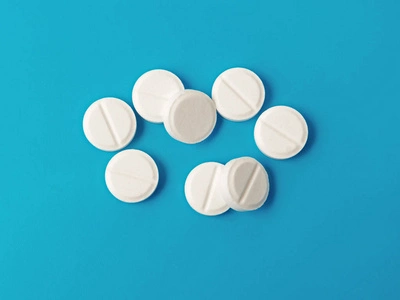
CAS No.: 73-31-4
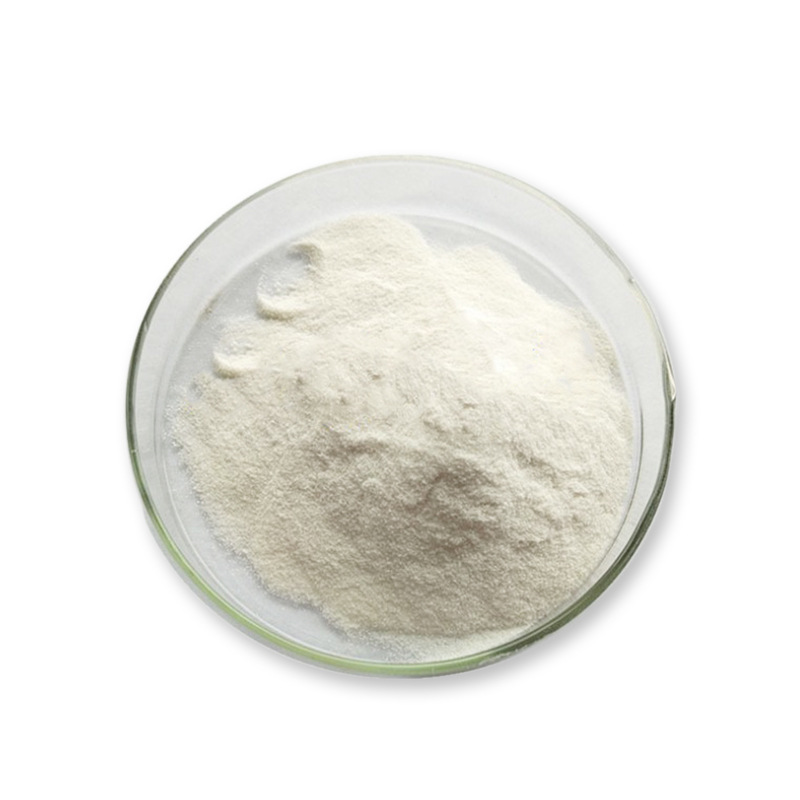
Appearance: White to off-white powder
Ref standard: USP43
Assay: 99.7%(HPLC)
Molecular formula: C13H16N2O2
Molecular weight: 232.28
MOQ: 1KG
Stock:in stock
Our Advantages: Scalable production capacity, strict quality control, cost efficiency from integrated factories, over 20 years of experience, advanced technology, and 24/7 after-sales support.
Certificaions: FSSC2000/ISO2000/HALAL/KOSHER/HACCP
Delivery terms: FedEx, DHL, EMS, UPS, TNT, all kinds of the airline, international shipping companies.
Payment: TT/DP/PAY PAL/VISA/DA/LC/MASTER CARD/ESCROW
Grade: Pharmaceutical Grade
Customized Service: Supports ODM/OEM
Free sample is available.
We do not sell retail quantities to individuals.
Understanding Pure Melatonin and Its Role in Sleep & Wellness
Chemical Identity and Biological Function
Pure melatonin, whose formal name is N-acetyl-5-methoxytryptamine (CAS: 73-31-4), is a neurohormone that is made using controlled chemical processes to make sure it is consistent enough for use in medicine. Synthetic melatonin is more consistent from batch to batch than plant-based products, which is important for companies that need to make standardized active pharmaceutical ingredients (APIs). By working with MT1 and MT2 receptors in the suprachiasmatic region of the brain, this compound controls circadian rhythms. This is the body's main metabolic clock. When outside signs like light decrease, melatonin tells the body to start doing things that are normal at night, which helps with falling asleep and staying asleep.
Wellness Applications Beyond Sleep
Even though its major use is still to help people sleep, melatonin powder has other health benefits as well. Its antioxidant qualities help fight free radicals, which is good for cell health and may even help the body's stress response systems. Melatonin is added to skin care products by cosmetic companies to target oxidative stress markers and daily skin repair processes. Companies that make drinks are looking into ways to use melatonin and adaptogens together in drinks to help people relax in the evening. Researchers are looking into how it can protect neurons, which is increasing the need for ultra-pure research-grade material that is purer than 99.5% of the time.
Dosage Considerations for Product Development
Dosing that works depends a lot on the target population and the purpose of the drug. Adult sleep aids usually have between 1 and 10 mg in each dose. For kids' versions, the concentrations have to be smaller, and they need special safety paperwork. Pharmaceutical companies that make prescription drugs need accurate dosing tools that are backed up by proven testing methods. Nutraceutical formulators have to find a mix between following the rules and making sure the product works well. This is especially important in countries like the US, where the FDA handles dietary supplements differently than pharmaceuticals. Knowing these dosage factors helps buying teams be clear about what they need and check how well suppliers can do exact encapsulation, tableting, or liquid dispersion technologies.
Evaluating Pure Melatonin Products: Comparative Insights for Procurement
Purity Standards and Quality Markers
When looking at melatonin providers, purity approval is the most important thing to look at. Material that is used in pharmaceuticals should meet the standards set by the USP (United States Pharmacopeia) or EP (European Pharmacopoeia) monographs and be more than 99% pure as confirmed by HPLC. Cosmetic-grade standards may accept 95–98% purity, which can save money in situations where ultra-high purity doesn't add much value. At Jiayuan Bio-Tech, our simulated moving bed chromatography (SMB) purification process keeps the purity above 98% even during ongoing production cycles. This gets rid of the batch inconsistencies that happen a lot in smaller operations. It is recommended that purchasing managers ask for Certificates of Analysis (COA) that show the exact rotation, loss on drying (≤0.5%), leftover solvents (in line with USP Chapter 467), and heavy metals content (total <10 ppm via ICP-MS testing). This ensures the sourcing of pure melatonin meets the highest industry benchmarks.
Product Format Selection
Choosing the right physical form has an effect on the efficiency and cost structures of production further down the line. The following forms meet different business needs:
1. Crystalline Powder: The standard mesh size works well for straight packing and tableting. This style is flexible enough to handle high volumes of work while still being easy to handle. Most companies that make medicines and supplements like this standard because it keeps the quality and works well with processing.
2. Micronized Powder: Particles smaller than 10 microns (D90 < 10 µm) greatly speed up dissolution rates, which is very important for sublingual pills, fast-dissolving strips, and liquid suspensions that need to be absorbed quickly by the mucosa. The bigger surface area speeds up bioavailability, but it needs to be carefully controlled for moisture during storing.
3. Pre-blended Formulations: Some companies sell special mixes that include melatonin with chemicals that work well together, such as L-theanine, magnesium, or valerian root extract. Even though they are handy, these restrict the number of ways that a product can be made and often cost more.
Our factories can make both standard and micronized specs. They use automatic control systems (DCS) to make sure that the particle size distribution is just right for your formulation needs. This gives B2B clients the freedom to improve product performance without having to manage relationships with multiple suppliers.
Certification and Manufacturing Credentials
GMP (Good Manufacturing Practice) approval is the minimum requirement for companies that supply medicinal ingredients. Check more than just the availability of the certificate. Does the audit cover the specific production line that is making your order? ISO 13485 approval means that a medical device has quality management systems, which is useful for nutraceutical businesses that want to work with hospitals. Verification of third-party testing from separate labs boosts trustworthiness, especially when entering regulated markets that need customs paperwork. Jiayuan Bio-Tech uses two types of quality control: online near-infrared spectroscopy checks the concentration of the extract in real time while the product is being made, and offline HPLC and GC-MS testing makes sure that the finished product meets EP/USP standards before it is sold.
Pricing Dynamics and Cost Optimization
The price of melatonin powder changes depending on the quality grade, the amount ordered, the packing requirements, and the cost of making the powder in the area. If you buy more than 500 kg in bulk, you can usually get volume savings of 15 to 30%. However, smaller formulators may have trouble meeting the minimum order amounts. Understanding the total landed cost, which includes freight, customs taxes, storage, and quality tests, is better for making accurate purchase budgets than just knowing the price of the raw materials. Our supply chain is fully integrated and is based near the Qinling Mountains, which is a source of raw materials. This saves money on costs by lowering transportation costs and providing good policy benefits for biopharmaceutical development. Because of where they are located, they can offer competitive prices that are 40–60% lower than small workshops that don't have economies of scale.
Procurement Strategies for Pure Melatonin in the Sleep & Wellness Industry
Identifying Qualified Suppliers
To find reputable sources of pure melatonin, you need to do more than just compare prices. You need to carefully evaluate each seller. Check that the rules are being followed by asking for up-to-date GMP certificates, FDA registration numbers (for packages going to the U.S.), and proof that environmental health and safety (EHS) standards are being followed. Check the production capacity of your providers to make sure they can keep up with your growth. For example, a seller that is only working at 90% capacity could cause problems when demand goes up. Look into how they get their raw materials—do they control farming or buy them on the spot market? When supply lines are broken up, there are risks of price changes and pollution. Vertical integration reduces these risks. We keep direct deals with agricultural partners for exclusive cultivation. This makes sure that the quality of the raw materials is always the same and supports sustainable farming methods that are in line with zero liquid discharge (ZLD) wastewater treatment routines.
Sample Testing and Quality Validation
Don't agree to big orders until you've thoroughly tested samples first. Ask for samples that come from real production runs, not samples that have been carefully made. Independent tests should be done by your quality assurance team to check for things like purity (HPLC assay), bacteria contamination (total plate count, E. coli, Salmonella absence), leftover solvents, and physical features (moisture content, particle size distribution). It is possible to guess how long something will last by testing its stability under fast conditions (40°C, 75% relative humidity for three months). If you are making oral dosage forms, you should look at the dissolving patterns. Poor dissolution lowers bioavailability no matter how pure the chemicals are. This approval phase could add 6 to 8 weeks to the time it takes to buy the ingredients, but it keeps expensive re-formulation delays and damage to the brand's image from using poor ingredients.
Direct Manufacturing Partnerships Versus Trading Platforms
B2B buyers must choose between direct manufacturers and trading platforms. Direct partnerships provide transparency, customization, and formulation support, including particle size control, purification methods, and exclusive supply agreements. Trading platforms offer convenience but reduce traceability and consistency. Jiayuan Bio-Tech works directly with research institutions and industry brands, providing technical support to align specifications with end-use needs, enabling patented delivery systems and successful regulatory approvals.
International Logistics and Customs Compliance
International melatonin shipping requires navigating varying customs regulations, where it may be classified as either a controlled drug or a cleared substance. Required documents include commercial invoices, packing lists, COA, MSDS, and phytosanitary certificates when applicable. Temperature-controlled logistics via FedEx, DHL, UPS, and pharma forwarders ensures stability during transit. Our export team coordinates with customs brokers to streamline clearance across major markets, reducing delivery time to 14–21 days and lowering landed costs.
Emerging Trends and Future Perspectives of Pure Melatonin in B2B Markets
Consumer-Driven Demand for Clean Label Products
In the health business, people are becoming more and more interested in "clean label" products that have recognizable ingredients and little processing. People carefully read supplement labels to find fake ingredients, allergens, and parts that aren't vegan. Animal gland extracts aren't used to make synthetic pure melatonin, which meets the needs of vegan and veggie customers and doesn't pose the TSE/BSE (transmissible spongiform encephalopathy) risks that come from using cattle sources. Premium placement is given to brands that stand out through organic approval, non-GMO verification, and allergen-free production settings. Formulators want more proof to back up marketing claims—Kosher, Halal, gluten-free, and food testing certificates are now normal requirements for B2B purchases. Suppliers who offer complete paperwork packages shorten the time it takes to start a product and make it easier to follow regulations.
Innovation in Delivery Systems
New delivery methods that make things easier to use and more bioavailable are competing with traditional pill and capsule forms. Sublingual strips break down quickly under the tongue, skipping the first pass of metabolism to work faster. Liposomal coating keeps melatonin molecules safe while they are being digested, which might make uptake better. Transdermal patches provide sustained-release doses all night, making them appealing to people who want to stay asleep for a long time instead of just falling asleep. Melatonin is added to functional drinks by companies that need to use special methods to dissolve it because it doesn't mix well with water (<0.1 mg/mL). This manufacturing problem can be solved with micronized powder or cyclodextrin complexation. Our R&D team's knowledge in excipient compatibility testing helps clients make progress in creating advanced delivery systems by giving them personalized particle engineering and co-solvency suggestions.
Regulatory Evolution and Market Access
Melatonin regulations are continuously evolving, impacting procurement and market entry. In most EU countries, melatonin requires a license, limiting formulations and sales channels. Australia’s TGA has reclassified certain forms for OTC access, while Canada permits use in natural health products under licensing rules. These regional differences require tailored formulations and supplier compliance capabilities. Procurement teams should prioritize suppliers that adapt to regulatory changes and monitor global policies. We support global brands through GMP-certified production and continuous regulatory surveillance to ensure market access across regions.
Sustainability and Ethical Sourcing Initiatives
Sustainability promises made by companies are having a bigger impact on buying choices than just quality and price. Environmental, social, and governance (ESG) factors are now included in seller scorecards. This is especially true for publicly traded companies that have to deal with criticism from stakeholders. Green chemistry principles reduce the amount of solvents used and trash made. Our multi-effect evaporator recovers more than 90% of the ethanol, leaving a much smaller environmental impact than single-pass extraction. Zero liquid discharge (ZLD) wastewater treatment and composting programs turn trash from production into nutrients for plants, closing the loops in the cycle economy. Procurement groups that have to balance cost-effectiveness with company values care about being open about energy sources, carbon emissions, and labor practices. Keeping track of sustainability metrics all along your supply chain improves the positioning of your business and attracts eco-friendly customers, which helps the market grow.
Ensuring Product Effectiveness and Minimizing Risks
Quality Control Protocols Throughout Production
Strict quality control starts with checking the raw materials and doesn't end when the finished product is released. Before products are used in production, they are tested to make sure that the supplier's COAs are correct. In-process controls keep an eye on important factors like pH, temperature, and the ratios of extraction solvents to water. They stop changes that could hurt quality or yield. Our DCS automation cuts down on human mistake and creates digital audit records that regulators are happy with. Identity proof (HPLC retention time matching reference standards), quantitative assay (content regularity across batch samples), impurity profile (related substances below pharmacopoeia limits), and microbiological safety are all parts of testing the final product. When kept under controlled conditions (15–25°C, away from light and moisture), sealed, nitrogen-flushed packing stops oxidative degradation during storage, which means the shelf life of pure melatonin is extended beyond three years.
Understanding Safety Profiles and Side Effect Management
Although melatonin has a favorable safety profile, procurement teams should consider potential side effects such as morning drowsiness, vivid dreams, and mild gastrointestinal discomfort, which are dose-dependent and reversible. Drug interactions may enhance sedatives or affect blood glucose control, requiring labeling for diabetics. Clear dosing guidance is essential for sensitive groups like pregnant women and children. Brands should maintain safety documentation, liability coverage, and detailed product information to support distributors, reduce complaints, and improve customer satisfaction.
Supplier Validation Through Third-Party Audits
Relying solely on supplier-provided documents weakens supply chain assurance. Third-party laboratory testing verifies claims and detects undeclared contaminants or adulteration. Many brands adopt dual sourcing with fully qualified backup suppliers and conduct regular re-audits to ensure ongoing compliance. On-site inspections provide deeper insight into sanitation, equipment maintenance, and staff training, which better predict long-term reliability than certifications alone. Pharmaceutical clients often require validated protocols and batch consistency studies. We support client audits and maintain transparent communication with QA teams to ensure trust and compliance.
Case Study Applications in Product Development
Leading supplement companies use ultra-pure melatonin for targeted innovation. A U.S. sleep brand developed a sustained-release formula with melatonin and magnesium glycinate, supported by stability and absorption studies. A European beauty brand incorporated melatonin into night skincare for anti-aging benefits, backed by clinical data. Successful cases rely on supplier collaboration, regulatory-ready documentation, and consistent material specifications to ensure reproducible product performance and market differentiation.
Conclusion
Melatonin powder is becoming more important for sleep and health, which opens up a lot of possibilities for B2B buyers in the pharmaceutical, nutraceutical, beauty, and research industries. In this growing market, brands can gain a competitive edge by making strategic buying choices that balance purity standards, regulatory compliance, source dependability, and cost-effectiveness. By learning about technical standards, new delivery methods, and global regulatory environments, you can make smart choices that lower supply chain risks and meet changing customer needs. For procurement strategies for pure melatonin to work, they need to focus on clear relationships with suppliers, strict quality checks, and being in line with environmental efforts that are setting industry standards.
FAQ
1.How quickly does melatonin take effect after administration?
Pure melatonin absorption and start time depend a lot on how it is delivered and how the body works. Standard pills usually start to work 30 to 60 minutes after being taken, with peak plasma values happening between 60 and 150 minutes later. When micronized powder is used in sublingual forms, it is absorbed more quickly through the buccal mucosa. This may shorten the time it takes to start working to 15 to 20 minutes by skipping the liver's first-pass processing. Controlled-release formulas purposely delay peak concentrations to increase length, which helps with maintaining sleep rather than just starting it.
2.What distinguishes synthetic from plant-derived melatonin?
Chemical process started from 5-methoxy-3-indolylacetonitrile makes N-acetyl-5-methoxytryptamine, which is the same molecular structure as melatonin and doesn't come from animals or plants. This artificial way makes sure that it is vegan-friendly, gets rid of the batch differences that come with plant extraction, and keeps biological sources from contaminating the product. Some marketers talk about "plant-based" melatonin that comes from certain seeds, but all pharmaceutical-grade material is made in a lab to make sure it is pure and consistent with USP/EP standards.
3.How should procurement teams evaluate supplier certifications?
Check the validity of the certification—GMP licenses usually need to be renewed every year and audited every so often. Make sure the certification covers the exact production line and product type you're looking for. Ask about the accreditation group and choose widely known standards (like ISO, NSF, or FDA registration) over area certifications that aren't recognized around the world. Independent lab testing confirmation from Eurofins, SGS, and Intertek adds more credibility than paperwork made by the seller.
Partner with Jiayuan Bio-Tech for Premium Melatonin Solutions
Jiayuan Bio-Tech can help you get pure melatonin because we have a modern SMB chromatography processing process that makes our pharmaceutical-grade powder more than 98% pure. Our GMP-certified factories near the Qinling Mountains combine automatic quality control systems with vertical supply chain integration to make sure that each batch is the same. This means that we can offer competitive prices that smaller workshops can't match. You can be a pharmaceutical company that needs USP-compliant APIs, a nutraceutical brand that's making new sleep supplements, a cosmetic formulator that's looking into circadian skincare, or a research institution that needs ultra-pure material. We can handle both large-scale contracts and small-batch customization. We take care of all the complicated foreign details, from clearing customs to shipping at the right temperature, to make sure your melatonin powder gets to you on time and as planned. To talk about your project needs and get sample kits that show our quality standards, email our buying experts at sales@jayuanbio.com or sales1@jayuanbio.com. As a reliable source of pure melatonin, we're dedicated to helping you make better products by giving you ingredients that meet the greatest standards in the industry.
References
1. Hardeland, R. (2021). "Melatonin: Biological Functions and Clinical Applications in Sleep and Circadian Disorders." Journal of Sleep Research, 30(4), e13352.
2. Tordjman, S., Chokron, S., Delorme, R., & Charrier, A. (2020). "Melatonin: Pharmacology, Functions and Therapeutic Benefits in Sleep and Neurological Disorders." CNS Drugs, 34(6), 563-590.
3. Pandi-Perumal, S. R., Srinivasan, V., Maestroni, G. J., Cardinali, D. P., Poeggeler, B., & Hardeland, R. (2019). "Melatonin: Nature's Most Versatile Biological Signal?" FEBS Journal, 273(13), 2813-2838.
4. European Pharmacopoeia Commission. (2022). "Melatonin Monograph." European Pharmacopoeia, 10th Edition, 3127-3129.
5. United States Pharmacopeial Convention. (2021). "Melatonin Powder Specifications and Quality Standards." United States Pharmacopeia, USP 44-NF 39, 4455-4457.
6. Slominski, R. M., Reiter, R. J., Schlabritz-Loutsevitch, N., Ostrom, R. S., & Slominski, A. T. (2023). "Melatonin in Skin and Cosmetic Applications: Emerging Trends in Topical Formulations." International Journal of Molecular Sciences, 24(3), 2281.