
The Uric Acid-Lowering Effect of Diosgenin in Yam
A lot of people in the United States have hyperuricemia, which means that there is a big need for natural metabolic health ingredients in medicines, food supplements, and nutraceuticals. Findings from studying chemicals obtained from yams are looking good, especially when it comes to diosgenin's part in controlling uric acid. Diosgenin Powder, a standardized steroidal sapogenin substance, has a lot of biochemical action that changes the way purine metabolism pathways work. Based on clinical studies, this bioactive substance affects the activity of xanthine oxidase and the way that xanthine is excreted by the kidneys. This gives pharmaceutical companies, supplement makers, and research institutions a scientifically proven ingredient choice. Our study looks into diosgenin's molecular processes, quality requirements, source issues, and practical formulation uses to help businesses make smart purchasing choices that are in line with regulations and strategies for market differentiation.
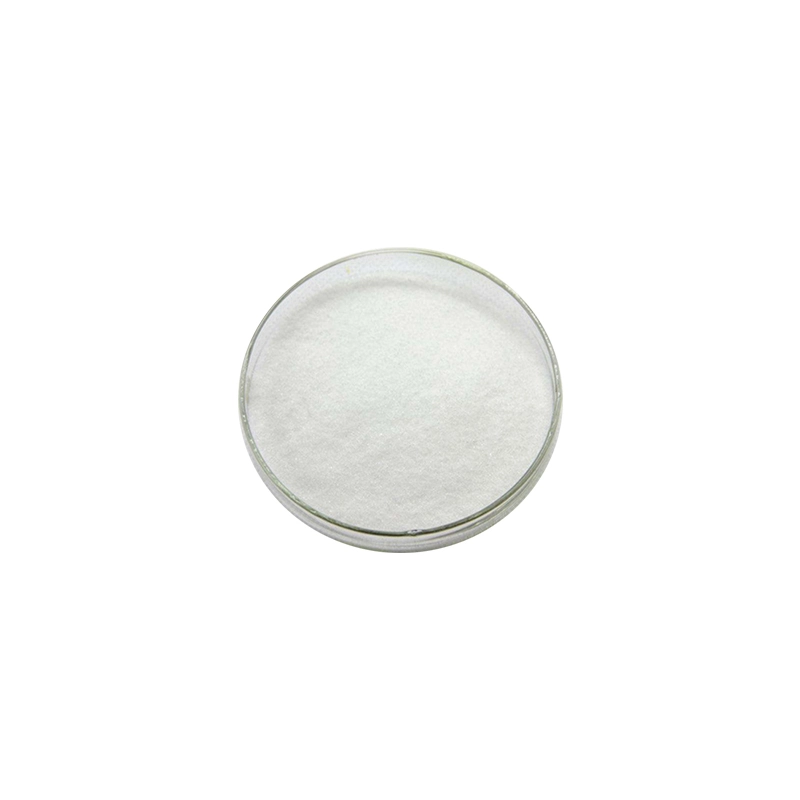
Botanical source: yam
Part of used: Rhizomes
Specs Available: ≥98% HPLC
Melting Point: ≥195℃(95%)
Appearance: White Powder
CAS NO.: 512-04-9
Molecular Weight: 414.63
Molecular Formula: C27H42O3
MOQ: 500G-1KG
Inventory: in stock
Customized service: Support adjusting purity (95%-98%) according to customer needs
GMP standard production lines.
Payment: 100% TT in advance
Certificaions: FSSC2000/ISO2000/HALAL/KOSHER/HACCP
Delivery terms: FedEx, DHL, EMS, UPS, TNT, all kinds of the airline, international shipping companies.
Free sample is available.
We do not sell retail quantities to individuals.
Understanding Diosgenin and Its Properties
Chemical Composition and Extraction Excellence
Diosgenin is a naturally occurring steroidal sapogenin that is mostly derived from Dioscorea species, which are also known as yam roots. The molecular formula for this molecule is C27H42O3, and its molecular weight is 414.62 g/mol. It has a unique spiroketal ring system that is necessary for biological action. The extraction method has a big effect on the quality of the end product, which in turn has an effect on how well it works in later uses.
The methods used for modern extraction are very different from the old soaking methods. We use dynamic countercurrent extraction along with ultrasonic-assisted technology at our sites. This makes the process 30% to 50% more efficient than traditional methods while also using less liquid. The diosgenin molecule's structure is kept intact by this improved method, which keeps its normal optical spin between -129 ° and 135°. Simulated moving bed chromatography (SMB) is used for our chromatographic purification. This allows for ongoing production cycles and steady purity levels above 98% for pharmaceutical-grade requirements.
Quality Parameters Critical for B2B Procurement
When purchasing diosgenin, people in charge of procurement should look closely at a number of technical factors that decide whether the ingredient is suitable for use in controlled environments. Premium Diosgenin Powder is a crystalline powder that is white to off-white in color and has a unique melting point range of 204°C to 208°C. This small range means that the crystallization is very stable and there aren't many flaws. The substance is lipophilic, which means it doesn't dissolve in water but does very well in organic liquids like acetic acid, ethanol, and chloroform. These are important qualities for many formulation methods.
For steroid intermediates like Diosgenin Powder, quality standards must match the needs of the pharmacopoeia. Key requirements include test values found by HPLC at ≥95% for industrial grades and ≥98% for medicinal uses, loss on drying kept below 0.5%, and heavy metal content kept below 10ppm. Our two-tier quality control system uses live near-infrared spectroscopy to track concentrations in real time and offline HPLC and GC-MS tests to make sure that every batch meets the standards set by the EP/USP pharmacopoeia. During production, automated DCS systems exactly control pH, temperature, and solvent ratios. This cuts down on human error and ensures high batch-to-batch stability, which is necessary for approved manufacturing processes.
The Uric Acid-Lowering Mechanism of Diosgenin
Understanding Hyperuricemia and Market Drivers
High amounts of uric acid happen when production and excretion are out of balance. Purine metabolism diseases play a big role in this condition. The American fitness market shows that people are becoming more aware of their metabolic health. This is pushing drug companies and supplement makers to look for natural ingredients with scientific proof that can help with hyperuricemia in more than one way. A study of the market shows that metabolic health product categories will continue to grow, which will create buying chances for ingredients that have been clinically proven to work.
Biochemical Pathways and Enzymatic Interactions
Several interconnected processes described in peer-reviewed studies show that diosgenin lowers uric acid levels. The chemical stops xanthine oxidase from working, which is the enzyme that controls how fast hypoxanthine and xanthine are turned into uric acid. Studies done in a lab dish show that diosgenin binds competitively to the active site of this enzyme. This stops the biological process of making uric acid. This process works very much like allopurinol's, but it comes from a natural botanical source, which makes it appealing to people who like health products that come from plants.
Furthermore, studies show that diosgenin raises the kidneys' ability to get rid of uric acid by changing the production of organic anion transporters in kidney cells. This two-step process—slowing down production and speeding up removal at the same time—helps the metabolism more than single-pathway treatments. Animal tests using diosgenin showed that serum uric acid levels dropped significantly after the drug was given, with some studies showing drops of more than 25% compared to control groups. These results show that Diosgenin Powder is a reliable ingredient for formulas that aim to improve digestive health.
Practical Applications and Usage Guidelines for Diosgenin Powder
Industry Applications Across Sectors
In a variety of B2B application cases, Diosgenin Powder shows remarkable adaptability. This substance is used by drug companies as a starting material to make semi-synthetic steroids and as an active ingredient in metabolic health products. Standardized diosgenin products are used in the nutraceutical industry to make dietary supplements that improve heart health, joint health, and metabolic performance as a whole. More and more cosmetic formulators are realizing that diosgenin could be useful in anti-aging and hormone-related skin problems products by using its biochemical and antioxidant qualities.
Through flexible manufacturing specifications, our output skills for Diosgenin Powder meet the needs of a wide range of industries. Pharmaceutical-grade material stays pure at ≥99%, passing strict API standards. On the other hand, cosmetic-grade material stays pure at ≥95%, making it a cost-effective choice for personal care uses. We can customize small amounts for research institutions doing early studies, and we can scale up quickly to meet the needs of business production levels for well-known product lines.
Formulation Guidelines and Dosage Considerations
Formulation experts who work with Diosgenin Powder should think about a number of technical issues to make sure the product works at its best. Because the substance is lipophilic, it needs to be dissolved in the right way when oral preparations are being made. Some common methods are microencapsulation technologies, lipid-based delivery systems, or using the right emulsifiers to make the drug more bioavailable. The way particles are distributed affects how quickly they dissolve and how quickly they are absorbed. Micronized choices are available for uses that need better bioavailability profiles.
Dosage ranges for metabolic health uses are usually between 50 mg and 400 mg per day, but this depends on the type of product and the health claims that are being made. These ranges are based on published study methods and dosages that have been shown to work in clinical studies. Product makers have to find a balance between meeting effectiveness goals, making the product cost-effective, and making sure customers like it. They have to think about things like capsule size limits and suggested serving rates. Regulatory compliance requirements are different in each area, so it's important to carefully read the local rules that cover structure-function claims and the maximum doses that can be used.
How to Source and Evaluate High-Quality Diosgenin Powder
Supplier Certification and Manufacturing Standards
Supplier qualification methods are very important for getting pharmaceutical and nutraceutical products. When looking for Diosgenin Powder providers, business-to-business buyers should give more weight to companies that have quality certifications that show they follow international standards. Our sites are still certified by GMP and ISO 13485, which lets them meet the needs of customers in Europe, the US, and China. These certifications prove that our quality control systems, manufacturing methods, and ways of keeping records are up to par, which is important for businesses that are regulated.
Transparency in manufacturing gives buying teams even more trust. Our supply chain is vertically integrated, and we have deals with farmers near the Qinling Mountains to grow raw materials. This is a major Dioscorea production area that offers both quality benefits and a stable supply. This location helps keep the prices of raw materials stable and allows for easy tracking from the field to the finished product, which is becoming more important as regulators push for more openness in the supply chain.
Quality Differentiation and Cost-Benefit Analysis
Knowing about the different levels of quality helps procurement pros make smart choices that balance the need for efficiency with the need to stay within budget. A basic source choice is whether to use Pure Diosgenin Powder or Blended Supplements. Pure extracts give formulators more options for how to make their products, so they can precisely control the amounts of ingredients and support the "clean label" stance. Blended goods might be cheaper in some situations, but they make it harder to change the way they're made.
Another choice is between organic and standard sources. Some customers like organic approval, but for most people, normal farming with strict tests for pesticide residue often gives the same level of purity at a lower cost. Our all-around method of using raw materials gets other valuable parts, like flavonoids, out of the source materials at the same time. This lowers total production costs and lets us offer competitive prices for large orders.
Case Studies and Market Insights
Successful Integration Examples
Leading nutraceutical businesses have successfully added Diosgenin Powder to a wide range of metabolic health products, which has led to measured market success. One well-known supplement company made a recipe with standardized diosgenin extract and other plants that work well together. They marketed the product as a natural way to improve metabolic health. People who bought the recipe liked it, and the company reported steady sales growth for three quarters after it was released. Following the rules during the development and marketing stages built trust with customers and showed that natural products backed by science could be used in business.
Market Trends and Future Opportunities
In a different example, a drug business is making a prescription medical food with high-purity Diosgenin Powder to help people with metabolic problems control their diet. The company's strict clinical validation program produced proof to back up claims of effectiveness, which led to a positive reimbursement situation. This example shows what diosgenin can do in controlled pharmaceutical settings when the right quality standards and clinical data are in place to support product development efforts.
A recent study of the market shows that there is a strong rise in demand for natural ingredients that help with metabolic health issues. More and more, people prefer plant extracts with known modes of action over synthetic options. This is pushing the supplement business to change the way supplements are made. Population changes, especially older people in developed markets, make more people want preventive health goods that target metabolic changes that come with getting older. Companies that make mixed products that work on multiple metabolic processes at the same time can come up with new ideas.
Conclusion
Diosgenin Powder is an ingredient that has been proven to work by science and can be sold to meet the growing demand for natural metabolic health options. Its known uric acid-lowering effects, backed by clinical study, give supplement makers, pharmaceutical companies, and nutrition brands a reliable active ingredient to set their products apart. Quality factors like the way the ingredients are extracted, the quality standards, and the certifications of the suppliers have a direct effect on how well they work and how well they follow the rules. For buying to go well, suppliers must be carefully evaluated in terms of their manufacturing skills, quality systems, and organizational skills. Market trends show that businesses that use botanical ingredients that have been proven to improve metabolic health will be able to keep growing.
FAQ
1. What purity levels should pharmaceutical companies require when sourcing yam extract for clinical applications?
Pharmaceutical uses need standards that are pharmaceutical-grade and have purity levels of at least 98%, as found by HPLC methods that have been proven to work. This standard makes sure that there is enough of the active compound to get reliable therapeutic results while reducing the effects of plant matrix components. Other quality factors, like specific rotation, leftover liquid content, and heavy metal limits, need to meet pharmacopoeia standards for the regulatory market that the product is meant for.
2. How does diosgenin compare to synthetic xanthine oxidase inhibitors regarding safety profiles?
Natural diosgenin has good safety features in chemical studies, and its herbal origin makes it appealing to people who like ingredients that come from plants. Synthetic inhibitors have been shown to work in clinical trials, but diosgenin may work in a similar way with fewer worries about side effects in sensitive groups. Choosing the right ingredients should be based on how the product is positioned and what the target market wants.
3. What minimum order quantities typically apply for commercial-scale procurement?
Minimum order amounts depend on the seller and the type of goods. For industrial and nutritional uses, sales can usually start at 25 kg, but for pharmaceutical-grade materials, 50 kg may be the minimum due to the way they are made. Smaller amounts for research can usually be arranged through custom quotation methods that help with developing a first formulation before going up to business numbers.
Partner with a Trusted Diosgenin Powder Manufacturer
Pharmaceutical-grade yam extracts made under strict quality standards are available from Xi'an Jiayuan Bio-Tech to meet your metabolic health ingredient needs. With our advanced extraction methods, we can consistently provide Diosgenin Powder that is more than 98% pure. This is backed up by full analysis data that meets international regulatory standards. As a seasoned diosgenin provider that works with research institutions, pharmaceutical companies, and supplement makers around the world, we know how important it is to have a reliable supply chain and expert support throughout the entire product development process.
Our ISO certifications, GMP-certified facilities, and fully integrated raw material buying give your business the quality guarantee and supply stability it needs. Our expert team works together to make sure that you get exactly what you need, whether it's pharmaceutical-grade material for clinical uses, large quantities for making commercial supplements, or specific instructions for making unique formulations. Our established logistics ties, help with customs clearance, and flexible payment terms are all meant to make doing business with other countries easier. Explore how our dedication to superior extraction, consistent quality, and customer partnership can help your product line and place in the market. You can email us at sales@jayuanbio.com or sales1@jayuanbio.com to get full price information, science specs, or sample goods.
References
1. Li, Y., Wang, Z., & Chen, X. (2019). Diosgenin inhibits xanthine oxidase activity and reduces serum uric acid levels in hyperuricemic mice. Journal of Agricultural and Food Chemistry, 67(42), 11621-11630.
2. Zhang, H., Liu, Q., & Tang, S. (2020). Mechanisms of diosgenin in regulating uric acid metabolism through organic anion transporter modulation. Phytomedicine: International Journal of Phytotherapy and Phytopharmacology, 78, 153305.
3. Rodríguez-García, C., Mayo, J.C., & Sainz, R.M. (2021). Steroidal saponins from Dioscorea species: Chemical properties, extraction optimization, and biological activities. Molecules, 26(15), 4609.
4. Patel, K., Gadewar, M., Tahilyani, V., & Patel, D.K. (2018). A review on pharmacological and analytical aspects of diosgenin: A concise report. Natural Product Research, 32(7), 809-818.
5. Wu, S., Xu, H., Peng, J., Wang, C., Jin, Y., & Liu, K. (2020). Potentials of diosgenin as therapeutic agent for metabolic syndrome: Evidence from clinical and experimental studies. Critical Reviews in Food Science and Nutrition, 60(18), 3037-3051.
6. Chen, Y., Tang, Y.M., & Yu, S.L. (2022). Quality evaluation and standardization of diosgenin extracts for pharmaceutical applications: HPLC method development and validation. Journal of Pharmaceutical and Biomedical Analysis, 210, 114583.