
A Complete Analysis of Melatonin: From Understanding to Practical Application
Melatonin has quickly become one of the most sought-after chemicals in the health and supplement businesses around the world. This naturally occurring hormone, which is called N-acetyl-5-methoxytryptamine in science, is very important for controlling sleep-wake cycles. It has many other uses as well, such as in pharmaceutical formulations, nutraceutical goods, beauty innovations, and functional food development. Understanding how melatonin works biologically, where to get it, and how good it is are all important for buying workers who want to meet market needs while staying ahead of the competition and following the rules.
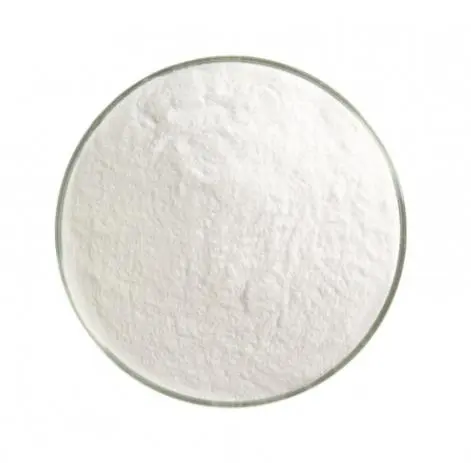
CAS No.: 73-31-4
Appearance: White to off-white powder
Ref standard: USP43
Assay: 99.7%(HPLC)
Molecular formula: C13H16N2O2
Molecular weight: 232.28
MOQ: 1KG
Stock:in stock
Our Advantages: Scalable production capacity, strict quality control, cost efficiency from integrated factories, over 20 years of experience, advanced technology, and 24/7 after-sales support.
Certificaions: FSSC2000/ISO2000/HALAL/KOSHER/HACCP
Delivery terms: FedEx, DHL, EMS, UPS, TNT, all kinds of the airline, international shipping companies.
Payment: TT/DP/PAY PAL/VISA/DA/LC/MASTER CARD/ESCROW
Grade: Pharmaceutical Grade
Customized Service: Supports ODM/OEM
Free sample is available.
We do not sell retail quantities to individuals.
Understanding Melatonin: Key Insights for Procurement Professionals
Buying choices start with a solid understanding of science. Melatonin is a hormone that is mostly produced in the pineal gland, but it can also be found naturally in some plants and bacteria. Its main job is to tell the body when it's dark, which starts the sleep process and keeps circadian rhythms in check. As night falls, natural production rises, making people sleepier and helping them get back to a healthy sleep routine.
Biological Mechanisms and Broader Wellness Benefits
In addition to controlling sleep, melatonin acts as an antioxidant and affects how the defense system works. Research shows that it might help people who travel a lot or work shifts deal with jet lag, which makes it a great fit for business health programs. The hormone works by connecting with certain receptors in the brain and other cells, which helps the body's metabolism and might help some people feel less anxious.
More and more scientific papers have sparked interest in melatonin's uses besides helping people sleep. Pharmaceutical companies are looking into how to use it in formulas to treat circadian rhythm problems, and beauty companies are looking into how to use its antioxidant qualities in skin care products that fight aging. More and more, food and drink companies are adding melatonin to functional drinks and nutraceutical formulations that are meant to help people rest and heal.
Natural Sources Versus Synthetic Production
Choosing between plant-based and manufactured melatonin as a source has a big effect on buying strategy. Natural melatonin that comes from plants can be contaminated and has different levels of purity. Synthetic production, on the other hand, has better quality standards, managed purity, and fewer contamination worries. Synthetic melatonin made under GMP conditions is usually purer than 98%, which is needed for medicinal and nutritional uses according to USP and EP pharmacopoeia standards.
At our site near the Qinling Mountains, we use cutting-edge technologies for synthesis and purification that regularly achieve purity levels above 98% for medicinal use. This is done through simulated moving bed chromatography. This automatic process makes sure that each batch is the same, which is very important for large-scale manufacturing operations.
Comprehensive Comparison of Melatonin Products and Alternatives
When procurement teams know about the different types of products and how they work, they can make sure that their choices about where to buy things are in line with what customers want and how to place themselves in the market. Melatonin is sold as a supplement in a number of different delivery methods, each of which has its own production and consumer appeal issues. We'll look at the main forms and what they mean for business below:
Supplement Forms and Their Procurement Implications
Capsules and Tablets: These traditional forms are still popular in the pharmaceutical and nutraceutical markets because they allow for accurate doses, long-term shelf stability, and cost-effective production scaling. These forms work well for buying in bulk and can handle different release profiles, such as instant and sustained-release formulations.
Gummies and Chewables: This quickly rising market area draws to younger people and people looking for tasty alternatives. To keep the active ingredients stable while getting the right taste profiles, manufacturing needs special tools and recipe know-how. When buying something, you might have to think about higher unit costs, but also more market value and the chance to charge more.
Sustained-Release Technologies: New delivery methods let melatonin slowly come out over the course of the night, which helps people who have trouble staying asleep. These formulas have high prices and need complex manufacturing techniques, which can help you stand out in markets with lots of competition.
Dosage Guidelines Across Demographics
The dosage that works best depends a lot on the program, the user's background, and the results that are wanted. According to clinical research, most people should start with doses between 0.3 mg and 3 mg. In some cases, 5 mg may be needed. Lower doses usually work to change the circadian rhythm, while higher doses may help with certain clinical uses when used under the supervision of a doctor.
Purchasing teams that work with companies that make dietary supplements should know that letting makers change the amount makes it possible to differentiate products for different groups of customers. Products for occasional insomnia usually have between 1 and 3 mg per serving. On the other hand, products for jet lag may have 5 mg amounts that are carefully placed based on the time zone of the destination.
Practical Applications and Use Cases in Business Settings
The business value of melatonin goes beyond selling it to consumers. It's also useful for company wellness programs and health efforts at work, which opens up B2B possibilities for ingredient suppliers of Melatonin.
Managing Sleep Challenges in Modern Workforces
Shift workers in the healthcare, transportation, leisure, and manufacturing industries often have problems with their circadian rhythms, which makes them less productive and raises their health risks. Melatonin supplements are being used more and more in workplace health programs as part of overall sleep hygiene programs. When purchasing managers are looking for ingredients for wellness goods for the workplace, they need to be able to rely on suppliers who can provide regular quality and a range of order sizes.
Supporting Business Travelers and International Operations
Global companies know that leaders and sales teams who travel often have trouble thinking clearly and making decisions when they're jet lagged. When moving across multiple time zones, melatonin supplementation has been shown to hasten the body's natural clock change. Companies making travel wellness kits or company gift programs look for ingredient sources that can provide pharmaceutical-grade purity and full paperwork for foreign shipping and customs clearance.
Strategic Procurement: How to Source and Evaluate Melatonin Supplements
A good buying strategy strikes a mix between managing costs, making sure quality is maintained, making sure the supply chain is reliable, and following the rules. The global melatonin market has grown a lot because more people are learning about how to sleep well and because it is being used in more fields.
Market Landscape and Pricing Considerations
Prices for melatonin ingredients around the world depend on how pure they are, how much they are made, their level of approval, and how the supply changes in different areas. Pharmaceutical-grade ingredients that are more than 99% pure cost more than normal grades that are 95–98% pure and can be used in cosmetics and food supplements. When you buy in bulk, you can usually get savings of 15 to 30 percent, but this depends on how much you promise each year and how you pay.
Our 10-ton yearly production capacity and tightly integrated supply chain allow us to offer reasonable prices while keeping pharmaceutical-grade quality standards. Because of our size, we can offer unit prices that are 40–60% lower than those of smaller specialty makers. We pass these cost savings on to our purchasing partners without lowering the quality.
Quality Certifications and Regulatory Compliance
To get around the complicated regulatory situation, you need sources with a wide range of certifications and knowledge of the area. Some important certifications are GMP for medicinal uses, organic certifications for natural product placement, and ISO standards that show how quality management systems work. In Europe, buyers put a lot of importance on EP compliance, while in North America, buyers put a lot of importance on USP standards and FDA approval for food supplement ingredients.
Our plant keeps its GMP and ISO 13485 certifications up to date so that it can meet the needs of customers in Europe, North America, and Asia. We provide full analytical paperwork, such as Certificates of Analysis, stability data, and testing for residual solvents, to support regulatory files in a number of places.
Medical Considerations and When to Consult Professionals
To get ingredients in a responsible way, you need to know the right way to use them and think about safety issues that affect product labels and marketing claims. Even though melatonin is generally safe for healthy adults, it is important to be extra careful with some groups.
Usage Considerations for Special Populations
Because there isn't a lot of long-term study on melatonin-containing goods, women who are pregnant or breastfeeding should talk to a doctor before using them. Exogenous melatonin intake may also affect the hormone development of children and teens, making them another vulnerable group. When purchasing materials for products aimed at these groups, procurement teams must make sure that the labels make it clear how to use the products correctly and how to get professional advice. This shows responsible market behavior and saves both customers and the brand's image.
Potential Interactions and Contraindications
Melatonin might not work well with some drugs, like blood thinners, immunosuppressants, and diabetes drugs. People who have autoimmune diseases or seizure problems should also talk to their doctors before using. Professionals in procurement should make sure that their clients get all the technical information they need to properly name possible contacts.
Establishing Professional Consultation Guidelines
Some sleep problems are signs of deeper health problems that need to be diagnosed and treated by a doctor instead of trying to fix them yourself. If you have chronic insomnia that lasts for more than a few weeks, sleep issues that come with breathing problems, or signs that point to a sleep disorder like sleep apnea, you should see a doctor. Products should have labels that encourage people to see a doctor if their symptoms don't go away or get worse. Because of these medical concerns, it is very important to get ingredients from suppliers who offer full technical help and paperwork to allow for responsible product development and marketing.
Conclusion
There are a lot of great possibilities in the melatonin ingredient market for drug companies, nutraceutical companies, beauty brands, and people who want to make new foods and drinks. To be good at buying, you need to know how the ingredient works biologically, compare product forms and delivery systems, check the skills and credentials of suppliers, and make sure that medical concerns are taken into account when product development plans are made. Sustainable sourcing relationships are built on three things: quality certification, following the rules, and a reliable supply chain. As market demand keeps growing, procurement experts who learn a lot about ingredients and build relationships with certified, skilled sellers will stay ahead of the competition in wellness markets that are changing quickly.
FAQ
1. Is melatonin safe for all age groups?
Melatonin is usually safe for healthy people to use when it is done right, but some groups need to be careful. Adults can usually handle amounts between 0.5 mg and 5 mg without any major problems. Melatonin should only be used by kids and teens with the help of a doctor, because it might affect their hormone development. Lower amounts often work well for older people, but drug issues need to be looked into.
2. How do I choose between gummies, capsules, and liquid formats?
The choice relies on what the end user wants, how much absorption is needed, and how the product can be made. For pharmaceutical and normal supplement uses, capsules are a good choice because they offer accurate doses, stability, and low cost. Gummies are popular with customers and easy to use, so they can be sold at higher prices. Liquid forms are better for acute uses like managing jet lag because they absorb quickly. Choosing a style for a purchase should be in line with how the target market is positioned and the production infrastructure.
3. What factors influence bulk pricing for melatonin ingredients?
Pricing depends on a number of factors, such as the purity grade (pharmaceutical-grade at 99%+ vs. standard grade at 95–98%), the number of orders and how often they come in, the certification requirements (GMP, organic, specific pharmacopoeia standards), and any extra services like custom formulation support or regulatory documentation. Most of the time, long-term supply deals get better prices than spot sales.
Partner With Jiayuan Bio-Tech for Premium Melatonin Supply
Jiayuan Bio-Tech has all the answers procurement workers need to find a trusted melatonin supplier. Our advanced factory uses dynamic countercurrent extraction and ultrasonic-assisted processes that are 30–50% more efficient than standard methods. Our virtual moving bed chromatography always gets purity levels above 98%. We keep pharmaceutical-grade and beauty-grade standards that can be used in a wide range of situations in the nutrition, cosmetic, pharmaceutical, and functional food industries. Our GMP and ISO 13485 standards make sure that we meet the rules in Europe, North America, and Asia. The prices stay stable because the supply chain is vertically linked, and our solvent recovery methods work 90% of the time, which is better for the environment and lowers production costs. We accept a range of order sizes, so we can handle both large-scale production and small-batch customization. We also offer full shipping support, including help with clearing customs, so we can send your products anywhere in the world without any problems. Contact our procurement specialists at sales@jayuanbio.com or sales1@jayuanbio.com to discuss your specific needs and get detailed technical specifications, analytical documentation, and competitive quotes from a reputable melatonin manufacturer that is dedicated to quality, dependability, and the success of our partnerships.
References
1. Zhdanova, I.V., et al. "Melatonin: A Sleep-Promoting Hormone." Sleep Medicine Reviews, Vol. 9, No. 1, 2005, pp. 41-50.
2. Pandi-Perumal, S.R., et al. "Physiological Effects of Melatonin: Role of Melatonin Receptors and Signal Transduction Pathways." Progress in Neurobiology, Vol. 85, No. 3, 2008, pp. 335-353.
3. Hardeland, R. "Melatonin in Plants: Diversity of Levels and Multiplicity of Functions." Frontiers in Plant Science, Vol. 7, 2016, Article 198.
4. Auld, F., et al. "Evidence for the Efficacy of Melatonin in the Treatment of Primary Adult Sleep Disorders." Sleep Medicine Reviews, Vol. 34, 2017, pp. 10-22.
5. Reiter, R.J., et al. "Melatonin as an Antioxidant: Biochemical Mechanisms and Pathophysiological Implications in Humans." Acta Biochimica Polonica, Vol. 50, No. 4, 2003, pp. 1129-1146.
6. Herxheimer, A., and Petrie, K.J. "Melatonin for the Prevention and Treatment of Jet Lag." Cochrane Database of Systematic Reviews, Issue 2, 2002, Article CD001520.