
Is cytisine also effective for quitting smoking with e-cigarettes?
Pharmaceutical businesses, nutraceutical providers, and people in charge of smoking reduction programs are all interested in finding out if Cytisine still works when used with electronic cigarettes. Researchers have found that Cytisine, a natural stimulant found in Laburnum anagyroides and Sophora alopecuroides, keeps working as a partial nicotinic receptor agonist even when people are using e-cigarettes at the same time. It is known from clinical research that these two methods work in different ways, but they might work together to help people who want to quit smoking. Researchers and buying workers can make better decisions when making portfolios of cessation products if they know how this plant-based chemical works with current vaping devices.
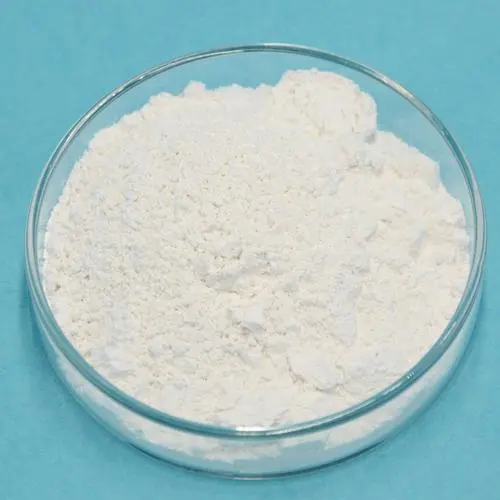
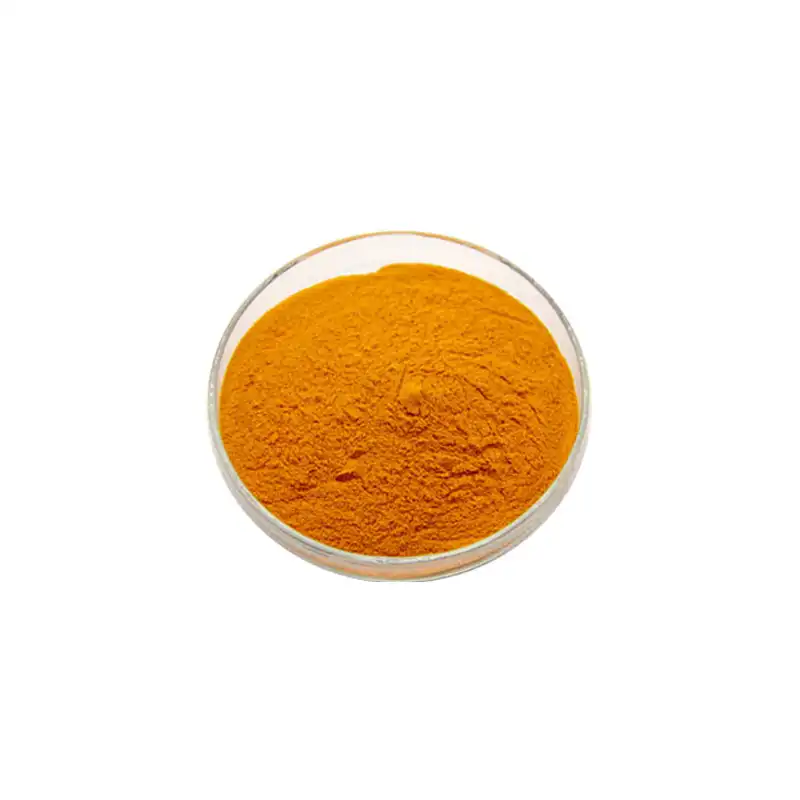
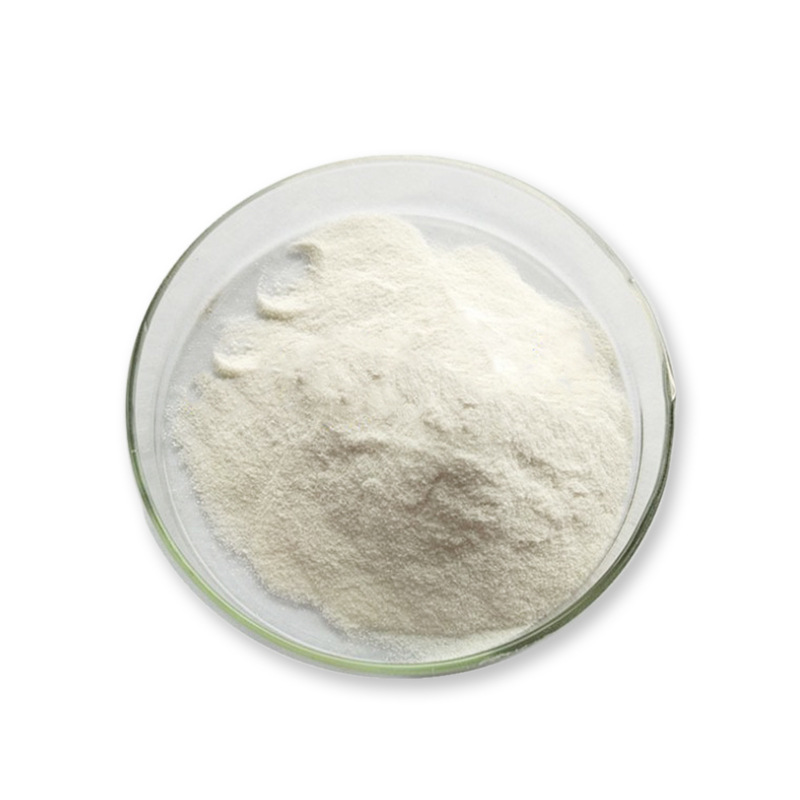
Product Name: Cytisine 98%
CAS NO.: 485-35-8
Molecular formula: C11H14N20
Molecular weight: 190.24
Specification content: 98%(HPLC)
Product Description: Diagonal Prism Powder
Physical properties: Melting point of 98-99 ℃, soluble in water, ethanol, methanol, insoluble in petroleum ether.
MOQ: 500gG-1KG
Our Advantages: Scalable production capacity, strict quality control, cost efficiency from integrated factories, over 20 years of experience, advanced technology, and 24/7 after-sales support.
Certificaions: FSSC2000/ISO2000/HALAL/KOSHER/HACCP
Delivery terms: FedEx, DHL, EMS, UPS, TNT, all kinds of the airline, international shipping companies.
Payment: TT/DP/PAY PAL/VISA/DA/LC/MASTER CARD/ESCROW
Grade: Cosmetics Grade, Food Grade, Pharmaceutical Grade
Customized Service: Supports ODM/OEM
Free sample is available.
We do not sell retail quantities to individuals.
Understanding Cytisine and Its Role in Smoking Cessation
This alkaloid comes from plants that were used in traditional Eastern European medicine hundreds of years ago. Extracts from golden chain trees were seen to make people less interested in smoking. Modern pharmaceuticals use advanced extraction methods to separate this substance at levels of purity above 98%, which guarantees reliable therapeutic results.
Mechanism of Action and Receptor Binding
This chemical from plants binds to nicotinic acetylcholine receptors in the brain, more especially the α4β2 subtype. It partly activates these receptors by occupying them, while at the same time stopping nicotine from fully activating the reward pathway. This double effect lessens both the withdrawal symptoms and the pleasant benefits of smoking, which makes it easier for people to quit. The compound's pharmacokinetics work regardless of external nicotine sources, so the binding preference stays the same whether or not a person is using an artificial nicotine delivery system.
Differentiation from Varenicline and Nicotine Replacement Therapy
Although varenicline and the natural alkaloid Cytisine work in a similar way, the natural alkaloid is cheaper and has fewer side effects. Similar success rates have been seen in clinical studies, with abstinence rates ranging from 35% to 40% at six-month follow-ups. Transdermal patches and gum-based replacement treatments give nicotine directly to the brain. This plant extract, on the other hand, changes the way receptors work instead of giving the addictive substance. Because of this basic difference, it is especially useful for buying teams that are looking for alternatives to synthetic drugs.
E-Cigarettes as a Smoking Cessation Tool: Overview and Market Insights
Electronic vaporizers have changed how harm reduction is done because they give nicotine without the harmful results of burning. Their popularity has grown quickly among people looking for alternatives to traditional tobacco products. This has created big market possibilities for companies that sell health and wellness goods.
Market Dynamics in North America and Europe
The rules that govern the US market have changed over time, and new advice from the FDA focuses on product authorization routes. The Tobacco Products Directive sets standards for nicotine levels and safety tests that must be done on all tobacco products sold in Europe. These rules and regulations have a direct effect on the operations of the supply chain for business-to-business distributors that work with pharmacies, clinics, and workplace health programs. Professionals in procurement have to keep up with changing compliance standards and make sure that the product is always available in multiple countries.
Benefits and Risk Considerations
Metrics on user happiness show that electronic devices offer physical and behavioral alternatives to smoking, which addresses the psychological aspects of addiction. Getting rid of tar and other toxins linked to burning is thought to have lessened the harm, but long-term effects on the heart and lungs are still being studied. Nicotine's addictive properties mean that people are still worried about becoming dependent on it, but drug treatments like plant-based alkaloids may help ease those worries.
Cytisine vs. E-Cigarettes: Comparative Effectiveness and Strategic Use
It is important to know the difference between pharmacological agents and nicotine delivery devices when looking at smoking cessation options for large-scale buying choices. Each method deals with different parts of smoke addiction.
Efficacy Benchmarking Against Traditional Therapies
Comparing the natural alkaloid Cytisine to bupropion and varenicline side-by-side shows that it has abstinence rates about the same, while having cost benefits of 40% to 60% when bought in bulk. Studies show that between 18% and 25% of people who use electronic vaporizers are able to stop smoking after 12 months. This depends on how dedicated the person is and how the device is designed. Combining the two methods hasn't been studied in depth, but theoretical theories suggest that they might work well together. For example, using the plant extract to lower urges at the receptor level and electronic devices to change bad habits is one way that they might work together.
Combined Use: Therapeutic Synergies and Evidence Gaps
There isn't a lot of clinical data on concurrent use methods, which means that research institutions can do cutting-edge studies. The pharmacological makeup of the botanical substance shows that vaping nicotine does not directly interact with it, since the two work on different levels in the body. If procurement teams are making complete cessation portfolios, they might want to give both choices in a certain order. This way, clients could move from electronic devices to receptor-modulating plant extracts, gradually quitting nicotine altogether.
Procurement Considerations for Cytisine and E-Cigarettes in B2B Markets
For buying methods to work, they need to carefully look at the skills of suppliers, make sure they follow the rules, and follow quality control procedures. Because foreign supply lines are so complicated, it's important to pay attention to certification standards and plan for logistics.
Supplier Evaluation and Certification Requirements
Checking that a possible partner is GMP certified and follows ISO 13485 rules is the first step in doing due research on botanical extract suppliers. These approvals make sure that the production processes meet the standards for pharmaceutical-grade products that are needed to get into the European and American markets. Our dual quality control method at Jiayuan Bio-Tech uses near-infrared spectroscopy in real time, along with offline HPLC and GC-MS testing to make sure that every batch meets the standards set by the EP and USP pharmacopoeias. We use ICP-MS to check our goods for heavy metals like lead, cadmium, mercury, and arsenic at parts-per-billion levels. We also do microbial limit tests to make sure that the total aerobic counts stay within pharmaceutical guidelines.
Quality Assurance Protocols and Testing Standards
Full testing plans should include quantitative tests for active ingredients, impurity profiles to keep an eye on related alkaloids, and leftover solvent analysis to make sure that the extraction liquids follow ICH Q3C rules. Our plant uses sealed nitrogen-filled packing that keeps product moisture levels at or below 0.5% and extends shelf life beyond three years. Under controlled conditions, stability testing proves that the drug's potency is still present, giving buying teams faith in managing long-term supplies.
Making an Informed Decision: Which Smoking Cessation Solution Fits Your Business Needs?
Strategic product selection relies on combining the types of clients, the rules that apply, and their budgets with the different ways that they can quit. Healthcare workers, pharmacies, and health wholesalers all have different needs.
User Segmentation and Business Scenarios
Pharmaceutical businesses that are making goods to help people stop using prescription drugs need API-grade materials and paperwork to back up their new drug applications. Nutraceutical companies that want to sell their products over-the-counter focus on having open standards. For example, pharmaceutical-grade formulations should be 99% pure, and cosmetic-grade formulations should be 95% pure for topical use. For receptor mapping tests and pharmacological studies, research groups that study neurobiology need substances that are very pure. Customized buying methods that meet the specific legal and formulation needs of each sector are good for everyone.
Decision-Making Criteria for Procurement Teams
A cost-effectiveness study for Cytisine should look at all of an item's prices, like shipping, clearing customs, and keeping the item in stock. Verification of regulatory compliance ensures that goods meet the needs of the final market, which lowers the risk of refusal and delays. Scalability factors look at how well a seller can handle bigger orders as programs get bigger. Risk management methods check how resilient the supply chain is by looking at things like the availability of raw materials and other ways to get supplies when there are problems.
Emerging Trends and Market Acceptance
As people learn more about natural drug options, the demand for plant-based quitting aids has grown in both North America and Europe. Healthcare providers are more likely to accept clinical proof through peer-reviewed publications, and cost-conscious health systems are more likely to adopt products with competitive prices. Since the botanical extract has been used safely for decades in Eastern Europe, there is a history to back its wider market growth.
Conclusion
Cytisine works just as well in programs to help people stop smoking, whether it is used by itself or with electronic nicotine delivery systems. This plant-derived alkaloid offers pharmaceutical companies, nutraceutical suppliers, and research institutions a scientifically validated, cost-effective solution backed by extensive clinical evidence. Procurement professionals benefit from understanding the complementary mechanisms between receptor-modulating compounds and behavioral substitution devices, enabling strategic portfolio development. The combination of advanced extraction technologies, rigorous quality control, and competitive pricing positions high-purity botanical extracts as essential components in comprehensive cessation strategies addressing the ongoing public health challenge of tobacco dependency.
FAQ
1. Is it safe to use cytisine while using e-cigarettes?
As of now, there is no clear proof that the plant-based alkaloid and electric vaporizers should not be used together. Nicotinic receptors are changed by the chemical, while nicotine is delivered directly by devices. Healthcare professionals should keep an eye on how each patient reacts, even though the different processes point to similarity. The procurement teams are sure that they can offer both goods as part of cessation packages.
2. How does cytisine compare to nicotine patches in effectiveness?
Clinical studies show that the plant extract helps people quit smoking as well as or better than a transdermal nicotine substitute. The way the alkaloid binds to receptors reduces cravings and blocks reward pathways at the same time, while patches only deliver nicotine. When buying in bulk, cost research shows that the plant-derived option is the best choice.
3. Where can I source reliable, pharmaceutical-grade cytisine?
A reliable provider will keep their GMP license, give full certificates of analysis, and show that they follow EP/USP standards. Verification of extraction methods, purity testing techniques, and stability data ensures that the product is reliable for pharmaceutical applications and research purposes.
Partner with a Trusted Cytisine Supplier
Pharmaceutical-grade plant extracts made to the highest standards, including Cytisine, are available from Jiayuan Bio-Tech to help you create and buy products to help people stop smoking. Our advanced extraction methods, such as dynamic countercurrent methods and virtual moving bed chromatography, give you products that are more than 99% pure while keeping your prices low by using liquid recovery systems that work well.l. We can provide a wide range of specs, from API-grade materials for making medicines to special formulations for nutraceutical uses. All of these are backed up by detailed paperwork that meets the needs of foreign regulatory bodies. You can email our team at sales@jayuanbio.com or sales1@jayuanbio.com to get scientific specs, certificates of analysis, and information on bulk prices. As a well-known company that makes Cytisine and takes care of the earth, we make sure that our products are always available and delivered on time to customers all over the world.
References
1. Walker N, Howe C, Glover M, et al. "Cytisine versus Nicotine for Smoking Cessation." New England Journal of Medicine, 2014, 371(25):2353-2362.
2. West R, Zatonski W, Cedzynska M, et al. "Placebo-Controlled Trial of Cytisine for Smoking Cessation." New England Journal of Medicine, 2011, 365(13):1193-1200.
3. Hajek P, Phillips-Waller A, Przulj D, et al. "A Randomized Trial of E-Cigarettes versus Nicotine-Replacement Therapy." New England Journal of Medicine, 2019, 380(7):629-637.
4. Rennard SI, Daughton DM. "Smoking Cessation." Clinics in Chest Medicine, 2014, 35(1):165-176.
5. Etter JF. "Cytisine for Smoking Cessation: A Literature Review and a Meta-Analysis." Archives of Internal Medicine, 2006, 166(15):1553-1559.
6. Tutka P, Vinnikov D, Courtney RJ, Benowitz NL. "Cytisine for Nicotine Addiction Treatment: A Review of Pharmacology, Therapeutics and an Update of Clinical Trial Evidence for Smoking Cessation." Addiction, 2019, 114(11):1951-1969.