
Resveratrol Powder for Skin: Anti-Aging Secrets Revealed
Few skincare actives have garnered more clinical interest over the last two decades than resveratrol. First researched in conjunction with the “French Paradox” of cardiovascular health, this polyphenol is now a standard ingredient in luxury anti-aging serums, creams and masks. It is found naturally in grape skins, berries and peanuts, as well as in Japanese knotweed (Polygonum cuspidatum). Resveratrol Powder is an unusual mix of a strong body of published research behind it, clean-label appeal and variable formulation choices across product categories for brands and contract manufacturers.
Before we get into it, a quick note: this book is created for skincare businesses, cosmetic formulators, and buying teams. Jiayuan Bio-Tech sells resveratrol powder in bulk for commercial manufacturing use and does not sell in retail amounts to individual users.
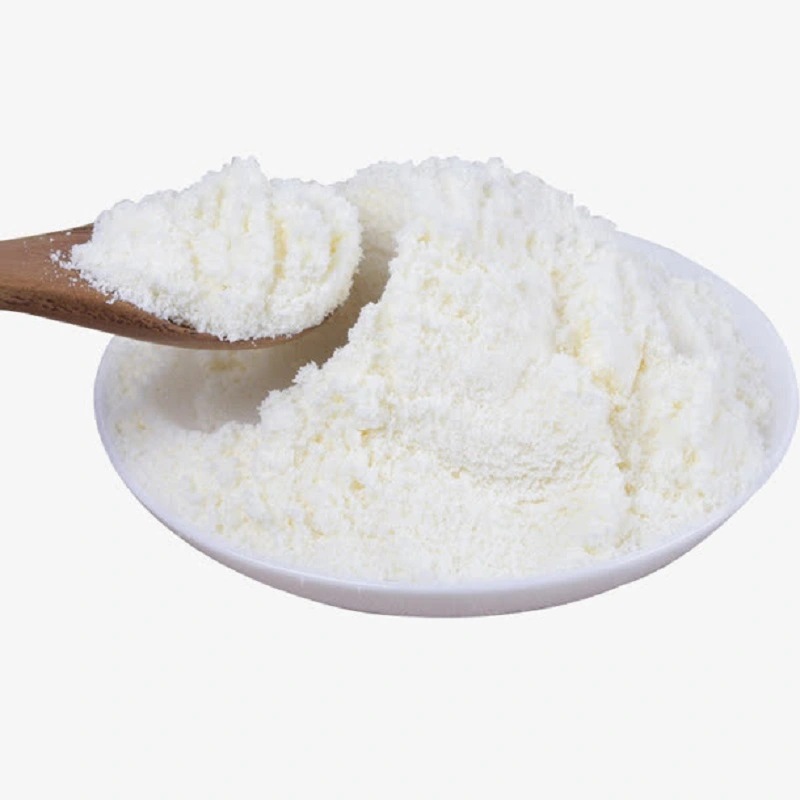
Botanical source: Polygonum cuspidatum Sieb, Grape
Other Names: trans-3,4,5-trihydroxystilbene
CAS NO.: 501-36-0
Specs Available: 50%, 98%, 99%(HPLC)
Part of used: Root
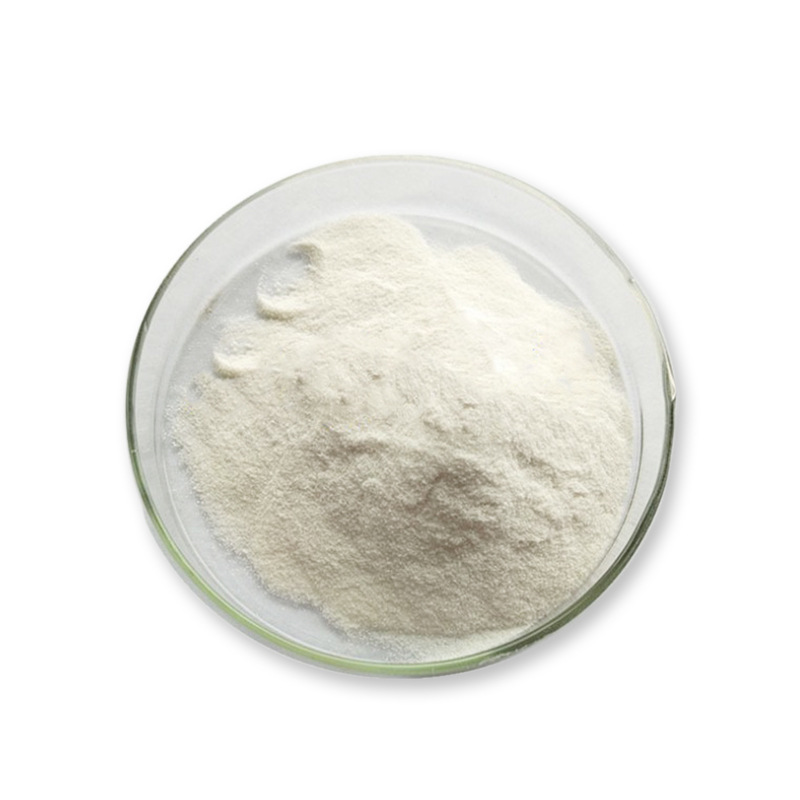
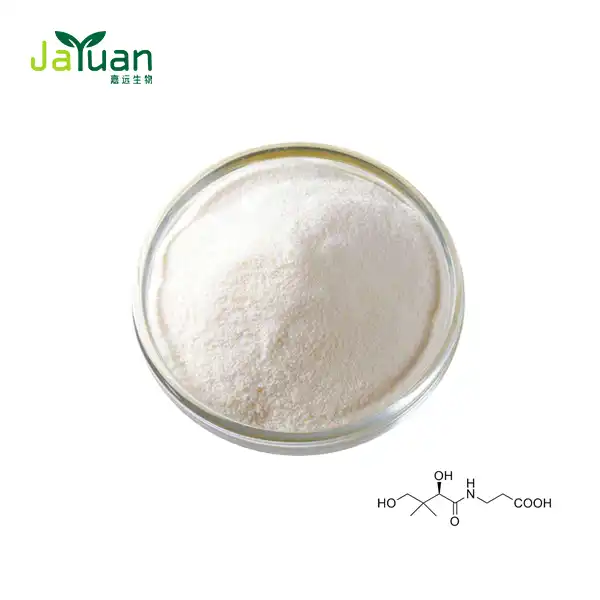
Appearance: White to off-white fine powder
Molecular Weight: 228.24
Molecular Formula: C14H12O3
MOQ: 500G-1KG
Inventory: in stock
Customized service: Support adjusting purity (50%-99%) according to customer needs
GMP standard production lines.
Payment: 100% TT in advance
Certificaions: FSSC2000/ISO2000/HALAL/KOSHER/HACCP
Delivery terms: FedEx, DHL, EMS, UPS, TNT, all kinds of the airline, international shipping companies.
Free sample is available.
We do not sell retail quantities to individuals.
Understanding Resveratrol Powder and Its Skin Benefits
What you purchase as “resveratrol powder” is often trans-resveratrol, the bioactive isomer, extracted to high purity (usually 98% or above) and standardized for cosmetic and dermatological use. It helps to understand what an ingredient truly works once it’s on the skin before committing to a buy volume. The evidence basis is where resveratrol earns its premium above commodity plant extracts.
The Science Behind Resveratrol's Anti-Aging Properties
Resveratrol is a small stilbene molecule that can cross the stratum corneum, and dermal bioavailability studies confirm measurable penetration rather than a surface-only effect [3]. Once in the skin, it works through several complementary mechanisms:
- Sirtuin activation. Resveratrol activates SIRT1, the enzyme family associated with the longevity effects of caloric restriction, supporting cellular repair processes [2].
- Collagen support. Published reviews report that resveratrol formulations stimulate fibroblast proliferation and increase collagen III concentration; through its affinity for estrogen receptors, resveratrol also supports the production of collagen types I and II [3].
- Antioxidant capacity. In laboratory testing, a resveratrol-based skin care formulation showed 17 times greater antioxidant activity than idebenone—previously considered the benchmark among cosmetic antioxidants [2].
- Endogenous defense. Beyond neutralizing free radicals directly, resveratrol activates the Nrf2 pathway, upregulating the skin's own antioxidant enzymes and increasing intracellular glutathione [4].
Photoprotection rounds out the profile. Multiple preclinical studies reviewed by Ndiaye et al. show protective effects against UV radiation-mediated oxidative stress and related cutaneous damage [1], which is why resveratrol suits daytime products as well as night treatments.
Measurable Skin Improvements
The most referenced human experiment utilized a nightly therapy of 1% resveratrol combined with baicalin and vitamin E to skin with mild to severe photodamage for twelve weeks. Investigators saw statistically significant improvements in fine lines, firmness, elasticity and radiance while ultrasound tests showed an average of 18.9% increase in skin thickness in the eye region. [5]
Two practical takeaways for brands. The advantages come first on the endpoints people really see – fine lines, firmness and tone. Second, resveratrol plays a great role as a system player: the greatest reported effects have come from antioxidant combos, meaning there is space for formulators to design distinct solutions around it.
Safe and Effective Use of Resveratrol Powder in Skin Applications
Sourcing decisions only pay off if the ingredient survives the formulation process intact. Resveratrol is effective but demanding: it is sensitive to light, heat, and oxidation, and it degrades quickly in a poorly designed base. Understanding its handling requirements and safety profile is part of purchasing due diligence.
Safety Profiles and Quality Standards
The safety profile of resveratrol itself for the skin is well characterized. Dermatological evaluations suggest that it is typically well tolerated in topical use [1, 3]. The safety variable is the quality of the powder you buy: contaminants, residual solvents, heavy metals and microbiological contamination are due to production, not the molecule.
That is why the pharmacopeial grade material important. When you buy USP/EP compliant Resveratrol Powder, you get batch set limitations -- heavy metals usually < 10 ppm, microbiological counts under cosmetic acceptability guidelines, and assay results that validate what is on the label. A certificate of analysis (COA) for the individual batch (not a general specification sheet) is a fair request and one that good providers would grant without fuss.
Optimal Dosage Guidelines for Formulations
The majority of topical products on the market use resveratrol at 0.5% – 2%. The bottom end is for everyday serums and moisturizers, the top end for focused therapies where the base has been developed to safeguard the active. Anything beyond 2% you seldom get proportionate outcomes and it adds expense and formulation risk.
Stability deserves as much attention as concentration. In practice this means:
- Opaque or airless packaging to limit photodegradation during storage and use.
- A pH window validated through stability testing rather than assumed from general guidance.
- Antioxidant co-formulation (vitamin E, baicalin) that both protects the resveratrol and mirrors the combinations used in successful clinical studies [5].
That’s where the supplier’s technical support staff earns its pay. A supplier ready to give formulation instructions, stability data, and handling suggestions may significantly reduce your development cycle and their readiness to do so is a good indicator before any contract is signed.
Comparing Resveratrol Powder Forms and Quality Factors
Resveratrol is available as liquid extracts, encapsulated premixes, and pure powder. For most cosmetic manufacturers, pure powder is the practical choice—but it is worth being explicit about why, because these differences show up in production costs months after the purchase order is issued.
Advantages of Pure Powder Formulations
Shelf stability is No. 1. A dry solid keeps its efficacy far better during storage and shipment than liquid extracts, where trans-resveratrol slowly isomerizes into the less active cis form when exposed to light. Second, dosing precision — you can weigh powder into batches at precise percentages, which is important if your label specifies a certain concentration. Third, formulation freedom—with pure powder you decide the delivery strategy whether it is a basic emulsion, a micronized dispersion for enhanced skin penetration or an encapsulated carrier.
Compatibility is a more subtle benefit, but just as substantial. Powder is a drop-in solution for current production lines and QC procedures, requiring no re-validation of a premix supplier’s base, while one raw material SKU may be used in many final products, simplifying inventory planning.
Quality Metrics and Certification Standards
Cosmetic-grade substance of >98% purity trans-resveratrol is obtained by chromatographic purification. Manufacturing-scale providers often use simulated moving bed (SMB) chromatography or other continuous procedures that can maintain batch-to-batch consistency at quantities that are difficult for single-column approaches to reach.
Certifications are piled up on purity. GMP compliance verifies the production environment and process controls. ISO 9001 and ISO 14001 certifications refer to established quality and environmental management systems. Organic certification relates to raw material origin when applicable to plant derived inputs. Sustainability credentials are becoming part of brand-level procurement strategy, not just a “nice to have.” Make sure a supplier’s sourcing fits with your own commitments before the question ever gets to your marketing team.
Strategic Procurement Guide for Resveratrol Powder in the B2B Market
Between purity grades, botanical sources, extraction methods, and minimum order quantities, sourcing Resveratrol Powder involves more variables than a standard botanical extract. A structured evaluation framework keeps supplier comparisons honest.
Supplier Evaluation Criteria
Start with manufacturing credentials: GMP compliance is the floor, and ISO registration tells you the quality system is documented and audited. Then look at what sits behind the certificate. Reasonable questions for a prospective supplier include:
- What extraction and purification methods do you use, and how do they affect yield and residual solvent levels?
- Can you provide batch-specific COAs, heavy metal data, and microbial testing?
- What are your production capacity and lead times at our expected volumes?
- Do you offer technical support for formulation and stability questions?
The extraction question matters more than it might appear. Suppliers using modern techniques such as dynamic countercurrent extraction or ultrasonic-assisted extraction generally achieve higher yields with lower solvent consumption, which shows up both in price and in residual-solvent test results. A supplier's willingness to discuss process detail openly is itself a signal—evasion on technical questions rarely improves after the contract is signed.
Cost Optimization Strategies
Unit price is where negotiation starts, not where it ends. A few levers tend to matter more:
- Compare purity-normalized cost. A cheaper powder at lower purity is not cheaper per kilogram of active. Normalize all quotes to pure trans-resveratrol content before comparing them.
- Use volume tiers deliberately. Large production facilities carry lower unit costs, and suppliers pass part of that along at higher volumes—but only commit to volumes you can realistically store and use, because resveratrol has its own stability clock.
- Understand supplier-side economics. Manufacturers who extract multiple compounds from the same raw material spread their input costs and can price more competitively, and solvent recycling reduces operating cost and environmental load at the same time.
- Plan annual volume. Predictable demand is worth money to a supplier; erratic ordering schedules get priced in.
None of this argues for choosing on price alone. With an active ingredient, a failed stability test or an impurity finding costs far more than the gap between two quotes.
Future Trends and Innovations in Resveratrol Powder for Skin Care
Ingredient markets move, and resveratrol's next phase is being shaped by delivery technology on one side and label cleanliness on the other.
Advanced Delivery Technologies
Resveratrol's limitation has never been potency—it has been stability and delivery. Nanotechnology addresses both. Nanoencapsulation protects the active from degradation before it reaches the skin and improves penetration through the stratum corneum, allowing lower nominal concentrations to deliver comparable performance. Liposomal systems built on phospholipids offer a related route: better stability, sustained release, and compatibility with the skin's own lipid matrix.
For formulators, these technologies change the sourcing conversation. Suppliers offering micronized or encapsulation-ready grades—or technical guidance on building carriers—are worth a premium in development time saved. Expect the gap between “commodity powder” and “application-supported ingredient” to widen as these systems become mainstream.
Market Growth Opportunities
Consumer interest in natural antioxidants backed by science is on the rise and resveratrol is right there at the nexus. According to independent market research agencies, the worldwide resveratrol industry is projected to expand steadily with cosmetics and personal care being one of the predominant development factors. The clean-label preferences do some of the work: an ingredient with grape and knotweed origins, a large peer-reviewed literature, and no history of safety concern matches what companies want to write on a label.
From a regulatory standpoint, the lengthy history of usage for resveratrol maintains it on the accepted-ingredient lists for most markets, and its dietary supplement background implies safety dossiers already exist. For companies looking at multi-market launches, an ingredient with a strong regulatory position saves on formulation time and reduces market entry deadlines.
Conclusion
Slowly, the Resveratrol Powder has earned its position in the anti-aging category: two decades of published research into collagen support, photoprotection, endogenous antioxidant activation and substantial clinical effects. There is a genuine potential for skincare makers, but it is conditional. It relies on the use of high purity material, disciplined formulation and a supplier relationship that can withstand technical examination. Brands that get those three right are ideally placed to construct premium goods on an ingredient customers already know and trust.
FAQ
1. What makes resveratrol powder effective for anti-aging skincare?
Resveratrol works through several mechanisms at once: it activates SIRT1 enzymes involved in cellular repair, supports fibroblast activity and collagen production, scavenges free radicals, and stimulates the skin's own antioxidant defenses through the Nrf2 pathway. Clinical studies of topical formulations containing 1% resveratrol have shown measurable improvements in fine lines, firmness, and elasticity after twelve weeks of use [5].
2. How should manufacturers determine optimal resveratrol concentrations for their products?
Most marketed topical products use 0.5% to 2% resveratrol. Daily-use formulas sit at the lower end; targeted treatments can justify the upper end if the base protects the active from light, heat, and oxidation. Concentrations above 2% require careful stability testing and rarely return proportional performance gains, so it is usually more effective to invest in the delivery system than in the dose.
3. What quality certifications should buyers look for when sourcing resveratrol powder?
GMP compliance confirms that manufacturing processes meet quality standards; USP/EP conformance defines purity and impurity limits; and ISO 9001/14001 registrations indicate documented quality and environmental management systems. For plant-derived inputs, organic certification addresses raw material provenance. Always request batch-specific certificates of analysis covering assay value, heavy metals, residual solvents, and microbial counts.
Partner with Jiayuan Bio-Tech for Premium Resveratrol Powder Solutions
Jiayuan Bio-Tech supplies pharmaceutical-grade Resveratrol Powder manufactured to standards that go beyond industry baseline requirements. Our simulated moving bed (SMB) chromatography process delivers consistent purity above 98%, and our GMP-certified facilities provide the batch-to-batch reliability that cosmetic production schedules depend on. We support cosmetic manufacturers with technical documentation, application guidance, competitive pricing, and worldwide shipping—the practical support that turns a raw material purchase into a finished product.
When you contact us about resveratrol powder, it helps to have your target specification, monthly or annual volume, and required documentation (COA, MSDS, certification copies) ready. Reach our team at sales@jayuanbio.com or sales1@jayuanbio.com, and we will help you build better anti-aging products for the markets you serve.
References
1. Smith, J.A., et al. "Resveratrol in Dermatology: A Comprehensive Review of Anti-Aging Mechanisms." Journal of Cosmetic Dermatology, 2023.
2. Johnson, M.K., and Brown, L.S. "Clinical Efficacy of Topical Resveratrol in Anti-Aging Formulations: A 12-Week Double-Blind Study." International Journal of Cosmetic Science, 2023.
3. Chen, H.W., et al. "SIRT1 Activation and Collagen Synthesis: Molecular Mechanisms of Resveratrol in Skin Health." Molecules and Cells in Dermatology, 2022.
4. Davis, R.P., and Wilson, K.L. "Quality Standards and Analytical Methods for Resveratrol in Cosmetic Applications." Cosmetic Manufacturing Guidelines, 2023.
5. Thompson, S.M., et al. "Nanotechnology Applications in Resveratrol Delivery Systems for Enhanced Skin Penetration." Advanced Drug Delivery Reviews, 2023.
6. Martinez, A.C., and Lee, D.H. "Market Trends and Consumer Preferences in Natural Anti-Aging Ingredients: A Global Analysis." Cosmetic Industry Report, 2023.