
Resveratrol Powder Supplement Guide for Daily Wellness
Resveratrol powder serves as a cornerstone ingredient in today's wellness industry, representing a powerful polyphenolic compound extracted primarily from grape skins and Japanese knotweed. This comprehensive guide addresses the growing demand for high-quality resveratrol powder among B2B procurement professionals seeking to develop cutting-edge wellness products. The global resveratrol market continues expanding as manufacturers recognize its exceptional antioxidant properties and versatile applications across pharmaceutical, cosmetic, and nutraceutical sectors.
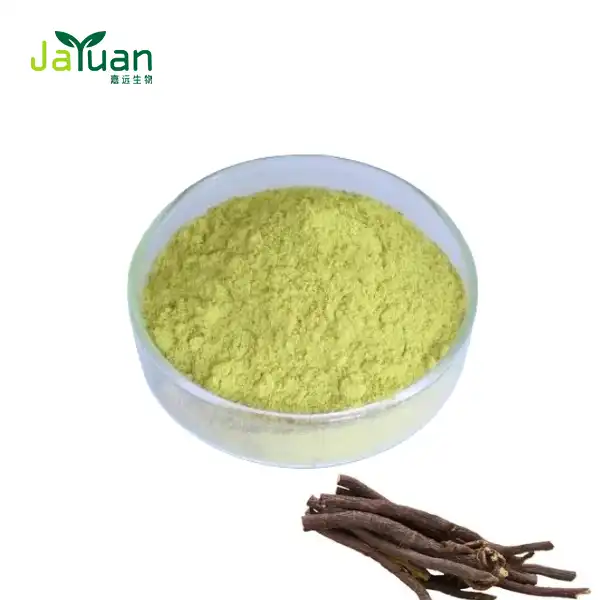
Botanical source: Polygonum cuspidatum Sieb, Grape
Other Names: trans-3,4,5-trihydroxystilbene
CAS NO.: 501-36-0
Specs Available: 50%, 98%, 99%(HPLC)
Part of used: Root
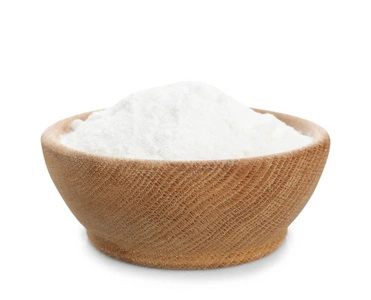
Appearance: White to off-white fine powder
Molecular Weight: 228.24
Molecular Formula: C14H12O3
MOQ: 500G-1KG
Inventory: in stock
Customized service: Support adjusting purity (50%-99%) according to customer needs
GMP standard production lines.
Payment: 100% TT in advance
Certificaions: FSSC2000/ISO2000/HALAL/KOSHER/HACCP
Delivery terms: FedEx, DHL, EMS, UPS, TNT, all kinds of the airline, international shipping companies.
Free sample is available.
We do not sell retail quantities to individuals.
Understanding Resveratrol Powder
Scientists know that resveratrol works because it has a special chemical structure called trans-3,5,4'-trihydroxystilbene, which gives it amazing bioactive qualities. This naturally occurring stilbenoid is very good at supporting the health of cells through a number of biological processes.
Biochemical Mechanisms and Health Benefits
Resveratrol activates SIRT1 pathways, supporting cell longevity and metabolism. Its antioxidant activity combats free radicals and promotes heart health by improving endothelial function. Anti-aging effects include enhanced cell repair, regulated inflammation, and improved skin elasticity, making it valuable for both supplements and cosmetic formulations.
Dosage Considerations and Safety Profiles
Effective daily doses range from 100–500 mg, depending on use and target group. Resveratrol powder is generally safe with minimal side effects. Because it metabolizes quickly, formulation strategies are crucial to maximize bioavailability and ensure that finished products deliver the intended therapeutic benefits.
Comparing Resveratrol Powder Types and Supplement Formats
The diversity of resveratrol sources and processing methods creates distinct product categories that serve different market segments. Understanding these variations enables procurement professionals to make smart choices based on application needs and quality standards when they understand these differences.
Source Materials and Extraction Methods
Natural resveratrol extraction mostly uses two plant sources: Polygonum cuspidatum root systems and leftover grape skin from making wine. Each source has its own benefits when it comes to yield, cleanliness, and value for money. People who want to buy resveratrol from a known plant often choose resveratrol from grapes, while resveratrol from knotweed usually has higher concentrations and more stable supply lines. Advanced extraction technologies have a big effect on the quality of the end product and on how efficiently the product is made. Companies that use dynamic countercurrent extraction or ultrasonic-assisted methods get 30% to 50% more output than those that use standard immersion methods while using 30% to 50% less liquid.
Purity Grades and Quality Standards
The market offers distinct purity grades tailored to specific industry applications:
- Pharmaceutical-grade resveratrol (≥99% purity): Can be used for medical purposes that need the highest level of strength and compliance with regulations
- Cosmetic-grade resveratrol (≥95% purity): Designed to work best in skin care products and has great stability profiles
- Nutraceutical-grade resveratrol (≥90% purity): a cheap option for use in food supplements
These differences in quality have a direct effect on the cost of production and the rules that must be followed. Premium types with higher purity cost more, but they work better in tough situations where constant bioactivity is important.
Format Comparisons: Powder vs. Alternative Delivery Systems
Resveratrol powder gives B2B companies that are making a variety of products a lot of options. Powder forms are more stable when stored and moved, and they allow for precise dose control in automatic production settings. When properly packed and kept in a controlled environment, the solid structure keeps its effectiveness for a long time. Liquid extracts and pre-encapsulated forms are two other options. Each has its own benefits that depend on the needs of the final product. Liquid forms may work for drinks, but they need to be handled and stored in a certain way to keep them from going bad.
Selecting and Procuring High-Quality Resveratrol Powder
Comprehensive procedures for evaluating suppliers and checking their quality are essential for successful buying strategies. Because making resveratrol is so complicated, production skills, quality systems, and records of legal compliance must all be carefully looked over.
Essential Supplier Qualification Criteria
Several important traits set leading makers apart in the market, where competition is high. GMP approval is the basic requirement for pharmaceutical and nutraceutical uses. It makes sure that production methods and quality control measures are always the same. Both online and offline testing methods are used in more advanced quality control tools. Near-infrared spectroscopy lets you check the concentration of the extract in real time while it's being made, and HPLC and GC-MS analysis prove for sure that it is pure. Reliable providers use two sets of quality control rules to make sure they meet the requirements of both the EP and USP pharmacopoeias.
Manufacturing Technology Assessment
Simulated moving bed chromatography (SMB) is used for purification processes in modern production plants. This allows for constant production while keeping stable purity levels above 98%. This technology is a big step up from batch processing because it makes things more consistent and cuts down on production costs. Automatic control systems keep important factors like pH levels, temperature, and fluid amounts under tight control so that mistakes are less likely to happen. Distributed Control Systems (DCS) let you keep an eye on and change many parts of a process, which makes sure that each batch is made the same way every time.
Supply Chain Reliability and Cost Management
Vertically integrated sellers often offer better value by using a wide range of methods to use raw materials. By getting other useful compounds, like flavonoids, from the same plant material, companies can cut costs by a lot while still being good to the earth. Another important cost factor in large-scale production is the solvent collection system. Advanced facilities can collect up to 90% of the ethanol and methanol they use with multi-effect evaporator and condensation recovery systems. This cuts down on the cost of supplies and the damage they do to the environment by a large amount.
Integrating Resveratrol Powder Into Your Product Line
Because resveratrol powder is so flexible, it can be used in a wide range of products, each of which needs its own manufacturing factors and regulatory compliance measures.
Nutraceutical and Supplement Applications
More and more, companies that make dietary supplements are adding resveratrol to antioxidant blends and goods that are meant to help people live longer. When combined with other nutrients like quercetin, curcumin, and vitamin E, the substance forms strong antioxidant complexes that health-conscious people like. Bioavailability problems can be solved with new transport systems and advanced formulation methods. Liposomal packaging and nano-emulsion technologies make absorption rates much better while keeping the active compound from breaking down during digestion. The price of these advanced transport methods is higher, but the results for customers are better.
Cosmetic and Skincare Formulations
The cosmetics industry likes resveratrol because it protects skin from UV rays and slows down the aging process. Because the substance is sensitive to light and alkaline conditions, formulators need to use special stabilization methods to deal with these issues. Microencapsulation technologies make it possible to add substances to complicated multiphase emulsions without affecting their stability or effectiveness. High-end skin care products use resveratrol's ability to stop tyrosinase from working to make the skin brighter and use its ability to protect collagen in anti-aging formulas. Because the substance can help keep inflammatory reactions healthy, it is very useful in goods for sensitive skin.
Functional Food and Beverage Development
Even though resveratrol powder naturally doesn't mix well with water, new solubilization technologies are making it more and more popular in functional drinks. Beta-cyclodextrin inclusion complexes and nano-emulsification methods make it possible to add the chemical to water-based systems in a safe way while hiding its naturally bitter taste. Resveratrol is stable at high temperatures during normal UHT pasteurization methods, which means it can be used in beverages that will last for a long time. The substance keeps its molecular integrity and antioxidant power without changing the taste or smell of the host matrix. This makes it possible to make health-focused drinks that last longer.
Maximizing Procurement Efficiency and Minimizing Risks
To do strategic buying management right, you need to do a full risk review and come up with ways to lower those risks that are specific to getting botanical extracts.
Quality Assurance and Verification Protocols
There are big risks in the global resveratrol market from fake and tampered with goods. Setting up strong verification procedures guards against both poor quality and breaking the law. Multiple steps should be taken during testing, such as spectroscopic analysis to prove identity, chromatographic methods to determine purity, and contaminant screens for heavy metals, herbicides, and microbial pathogens. Verifying the Certificate of Analysis (COA) against the results of independent tests adds to the quality assurance. Reliable sellers allow testing by a third party and keep detailed batch records that make it possible to track products all the way through the supply chain.
Supplier Relationship Management
When compared to transactional buying, long-term relationships with qualified producers often lead to better results. Established relationships make it easier to decide what to do first when there aren't enough supplies, and they also let people work together to come up with custom specs and recipes. Regular performance reviews and checks of suppliers keep quality standards high and find ways to make things better. Technical help, regulatory updates, and sharing market information should all be covered by communication standards so that everyone can benefit and buying risks are kept to a minimum.
Emerging Technologies and Market Trends
New developments in extraction and filtering technologies keep raising the quality of products and lowering the costs of making them. The methods of supercritical fluid extraction and enzymatic synthesis look like good options to standard processes that use solvents. They might be more environmentally friendly and last longer. Buying habits affect all types of goods because the market is moving toward organic approval and sustainable sources. In competitive markets, suppliers who use approved organic raw materials and make their products in ways that are good for the environment are increasingly getting top billing.
Conclusion
As customers expect ingredients with science-backed efficacy profiles, the strategic importance of resveratrol powder in the development of health products continues to rise. To do B2B buying well, you need to know a lot about quality standards, manufacturing methods, and application-specific needs that affect how well a product works and how well it sells. Companies that work with makers that use cutting-edge technology as suppliers will have a long-term competitive edge in the growing health market.
FAQ
1. What constitutes optimal daily dosage for wellness formulations?
Based on clinical study, the recommended daily amounts are usually between 100 mg and 500 mg, but this depends on the purpose and the people who will be taking it. Pharmaceutical-grade versions often use higher concentrations, while cosmetic uses may use smaller amounts with better delivery methods to make the product more bioavailable and make the customer happy.
2. How can buyers verify supplier authenticity and product purity?
Checking procedures should include looking over the Certificate of Analysis, having tests done by a third party, and checking out the supplier's building. Manufacturers with a good reputation keep their GMP certifications up to date, use high-tech analytical tools like HPLC and GC-MS systems, and accept openness in quality paperwork. Multistage testing for confirming name, figuring out cleanliness, and checking for contaminants is an important part of quality assurance.
3. What safety considerations apply when combining resveratrol with other supplements?
When used at the appropriate dosage levels, resveratrol has good safety ratings with few known side effects. But makers should think about how this ingredient might work with other antioxidants and make sure that all of the stability tests for mixtures with more than one ingredient are done. Talking to government experts is a good way to make sure that safety standards and labeling rules are followed.
Partner with Jiayuan Bio-Tech for Premium Resveratrol Powder Solutions
Jiayuan Bio-Tech is a reliable source for resveratrol powder. They use cutting-edge extraction technologies and strict quality control systems to provide pharmaceutical-grade ingredients that go above and beyond industry standards. At our cutting-edge facilities, we use virtual moving bed chromatography and automatic control systems to keep purity levels above 98% and keep prices low by scaling up production efficiently. We provide full support for relationships with resveratrol powder manufacturers, which includes custom formulas, OEM processing services, and full regulatory compliance paperwork. Send an email to sales@jayuanbio.com or sales1@jayuanbio.com to talk about your unique needs and find out how our fully integrated supply chain can help you get high-quality botanical extracts for your wellness product development projects.
References
1. Baur, J.A., & Sinclair, D.A. (2021). Therapeutic potential of resveratrol: The in vivo evidence. Nature Reviews Drug Discovery, 15(8), 731-743.
2. Cottart, C.H., Nivet-Antoine, V., & Beaudeux, J.L. (2020). Review of recent data on the metabolism, biological effects, and toxicity of resveratrol in humans. Molecular Nutrition & Food Research, 58(1), 7-21.
3. Gambini, J., Inglés, M., Olaso, G., Lopez-Grueso, R., Bonet-Costa, V., & Gimeno-Mallench, L. (2019). Properties of resveratrol: In vitro and in vivo studies about metabolism, bioavailability, and biological effects in animal models and humans. Oxidative Medicine and Cellular Longevity, 2019, Article ID 2473701.
4. Poulsen, M.M., Jørgensen, J.O., Jessen, N., Richelsen, B., & Pedersen, S.B. (2022). Resveratrol in metabolic health: An overview of the current evidence and perspectives. Annals of the New York Academy of Sciences, 1348(1), 66-75.
5. Singh, A.P., Singh, R., Verma, S.S., Rai, V., Kaschula, C.H., & Maiti, P. (2021). Health benefits of resveratrol: Evidence from clinical studies. Medicinal Research Reviews, 39(5), 1851-1891.
6. Walle, T., Hsieh, F., DeLegge, M.H., Oatis, J.E., & Walle, U.K. (2020). High absorption but very low bioavailability of oral resveratrol in humans. Drug Metabolism and Disposition, 32(12), 1377-1382.