
Resveratrol Powder: A Guide to Proper Usage
Resveratrol powder is one of the most sought-after polyphenolic compounds in the health and fitness businesses of today. This trans-resveratrol form comes mostly from Polygonum cuspidatum (Japanese knotweed) and grape skins. It is a strong antioxidant that can be used in pharmaceutical formulations, cosmetic innovations, nutraceuticals, and functional drinks. Procurement experts can make strategic choices that are in line with product effectiveness, regulatory compliance, and market positioning if they know the right way to use a product, set quality standards, and think about where to get it.
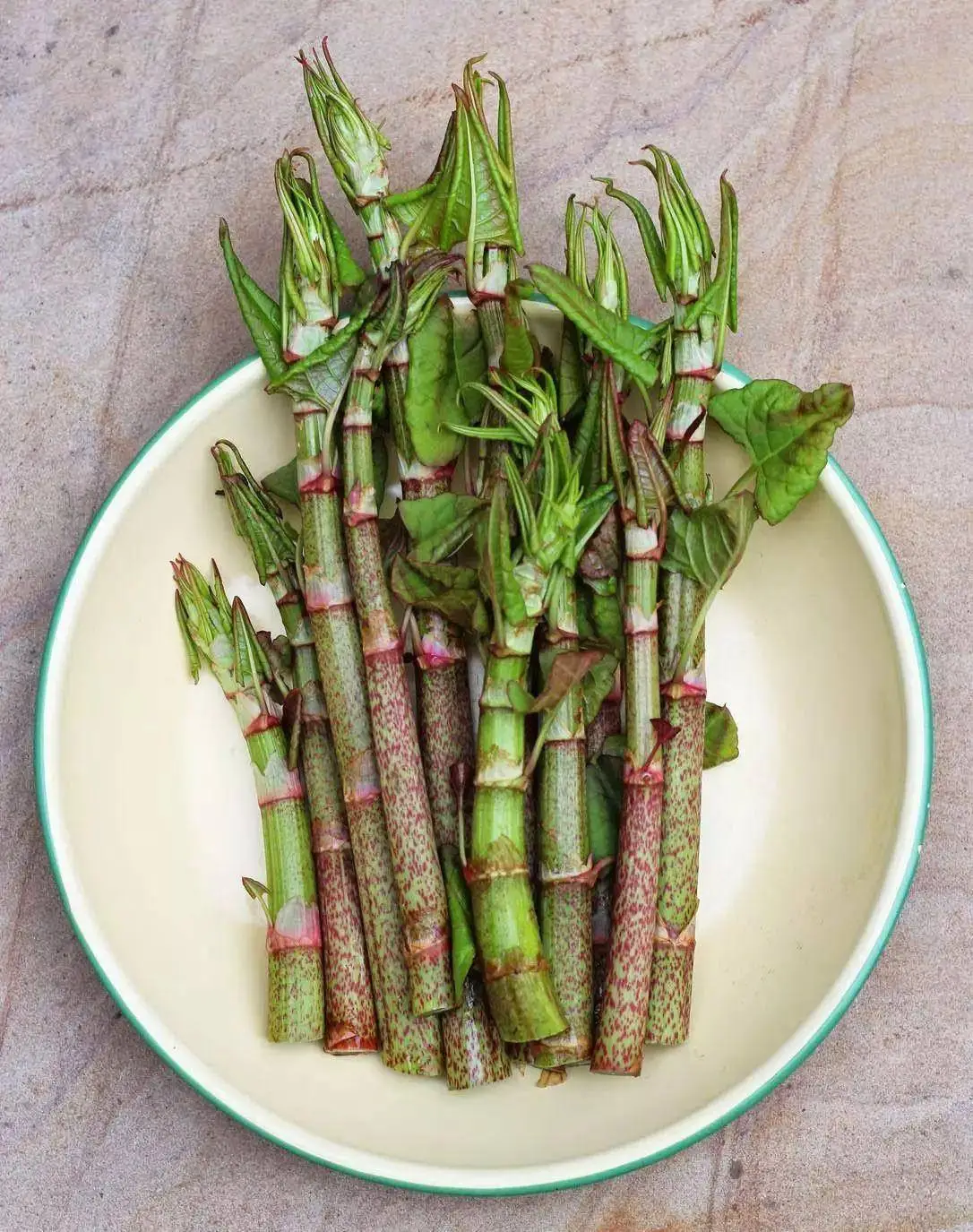
Botanical source: Polygonum cuspidatum Sieb, Grape
Other Names: trans-3,4,5-trihydroxystilbene
CAS NO.: 501-36-0
Specs Available: 50%, 98%, 99%(HPLC)
Part of used: Root
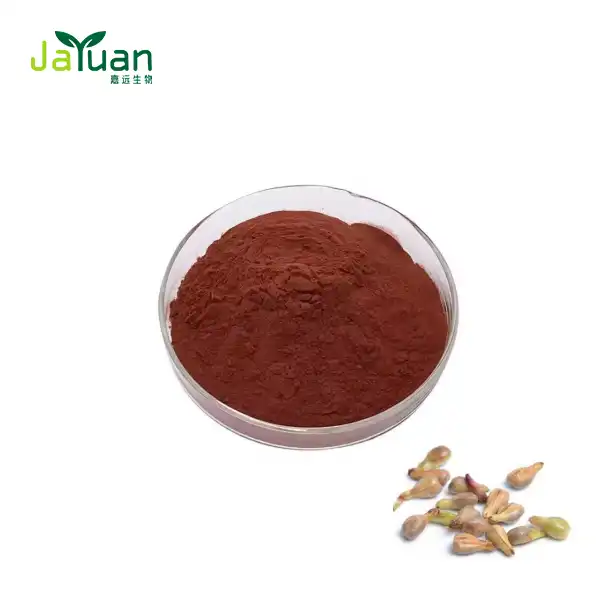
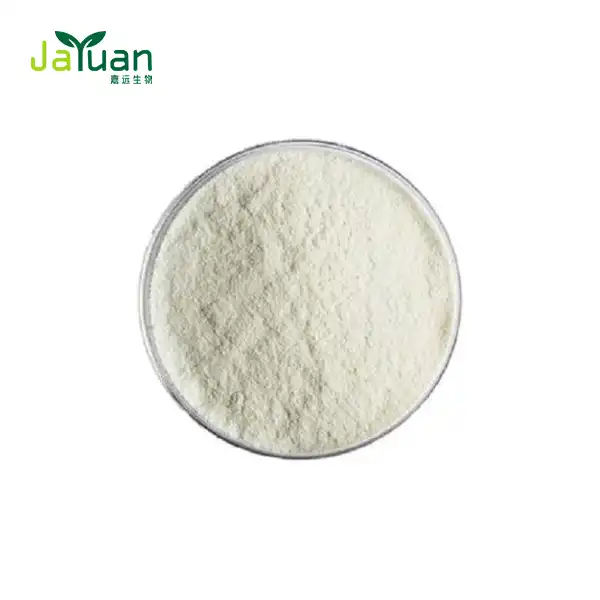
Appearance: White to off-white fine powder
Molecular Weight: 228.24
Molecular Formula: C14H12O3
MOQ: 500G-1KG
Inventory: in stock
Customized service: Support adjusting purity (50%-99%) according to customer needs
GMP standard production lines.
Payment: 100% TT in advance
Certificaions: FSSC2000/ISO2000/HALAL/KOSHER/HACCP
Delivery terms: FedEx, DHL, EMS, UPS, TNT, all kinds of the airline, international shipping companies.
Free sample is available.
We do not sell retail quantities to individuals.
Understanding Resveratrol Powder – Properties and Health Benefits
Chemical Composition and Bioactive Forms
When resveratrol extract is mixed with other ingredients, the biologically active isomer is trans-resveratrol. Researchers all over the world are very interested in this stilbenoid molecule because it works as a Sirtuin 1 (SIRT1) promoter and has amazing antioxidant properties. The chemical stability of trans-resveratrol depends a lot on how it was extracted and how it was stored. This is because photo-isomerization can change the active trans form to its less useful cis form. Standardized extracts are needed for business uses because crude plant sources are generally low in bioavailability. High-purity extracts, with concentrations range from 50% to 99%, fix this problem.
Scientifically Supported Health Properties
Clinical study has shown that this polyphenolic ingredient helps with health goals in a number of ways. The substance is very good at getting rid of free radicals, which helps protect cells from oxidative stress. Studies in reputable magazines show that it helps the heart work better by promoting endothelial health and controlling the inflammatory reaction in a healthy way. Its effect on cellular longevity pathways is highly valued in the anti-aging industry, which makes it a key factor in vitamins for longer life and nutricosmetics.
Recommended Dosage Considerations for Bulk Applications
For dietary supplements, procurement teams that make new formulas usually work with dosage amounts of 100 mg to 500 mg per dose, though higher concentrations have been looked at in clinical studies. Topical serums and creams with amounts of 0.5 to 2% are usually used for cosmetic purposes. These factors show both the levels of effectiveness found in study and the limitations of how the drug can be made in real life. Bioavailability enhancement techniques, such as liposomal encapsulation and mixing with piperine or quercetin, let formulators get the benefits they want at smaller amounts, which saves money while keeping the performance of the product the same.
Safety Profile and Regulatory Compliance
Several studies have shown that the ingredient is safe, with good tolerance within suggested levels being shown in most of them. Regulatory bodies in both the US and Europe accept it as an ingredient in food supplements, though certain claims need to be proven. Pharmaceutical businesses need to make sure that the sources they use meet EP/USP pharmacopoeia standards. Food and drink companies should check that the paperwork they have shows that they have GRAS status. It is important to understand these regulatory systems when choosing suppliers and making sure that product specs are legal.
Resveratrol Powder vs Capsules – Which Is Best for Your Business?
Bioavailability and Manufacturing Considerations
Nutraceutical companies prefer bulk resveratrol powder for formulation flexibility across beverages, tablets, and topical applications. Capsule forms offer convenience but limit creativity and increase per-unit costs. Powder enables easy addition of bioavailability enhancers during formulation. Manufacturing complexity differs significantly—powder requires proper handling for light sensitivity and even distribution. R&D teams favor powder for rapid prototyping without reformulation delays.
Organic vs. Synthetic Source Evaluation
Natural extraction from Polygonum cuspidatum roots delivers up to 99% purity, appealing to consumers seeking plant-based ingredients. Some companies explore precision fermentation using controlled bacterial processes for bio-identical compounds. Organic certification benefits cosmetic brands and supplement companies targeting premium customers, enabling marketing claims that resonate with health-conscious consumers. Procurement professionals should request verification of organic supply chain integrity from cultivation through extraction and preparation.
Quality Benchmarks and Certification Standards
HPLC testing confirms trans-resveratrol presence and separates it from less active cis forms. COA documentation should list purity levels, confirm absence of adulterants like emodin, and validate heavy metal testing results. GMP certification ensures batch-to-batch consistency critical for pharmaceutical applications. Advanced suppliers use near-infrared spectroscopy for real-time extraction monitoring and GC-MS for comprehensive impurity characterization. Requesting third-party lab results adds verification, especially when establishing new supplier relationships.
Procuring Resveratrol Powder – Sourcing and Supplier Evaluation
Certification Requirements and Authenticity Verification
Pharmaceutical suppliers must maintain GMP certification ensuring contamination prevention and process validation. ISO 13485 enhances credibility for medical device and pharmaceutical suppliers. COA transparency is essential—reliable manufacturers provide complete analytical data per batch including potency, microbial, and residual solvent testing. Organic compliance documentation requires traceability from raw material cultivation through packaging. Jiayuan Bio-Tech maintains full certifications with complete COA documentation for regulatory submissions.
Pricing Structures and Market Dynamics
Purity levels significantly impact pricing—pharmaceutical-grade (≥99%) commands premium over cosmetic-grade (≥95%). Market prices fluctuate based on raw material availability, with Polygonum cuspidatum harvest cycles causing annual variations. Vertically integrated suppliers offer price stability by managing cultivation agreements. Bulk purchase commitments unlock scale economies beneficial to both parties. Jiayuan Bio-Tech's 10-ton annual capacity reduces unit costs by 40-60% compared to smaller operations, passing savings to procurement partners.
Logistics and Quality Assurance During Transit
Trans-resveratrol powder requires light-protective, dark UV-resistant packaging. Moisture control is critical—reputable suppliers maintain below 0.5% moisture content using sealed, nitrogen-flushed packaging ensuring three-year shelf life for resveratrol powder. Temperature monitoring during transit prevents degradation of resveratrol powder. Jiayuan Bio-Tech partners with FedEx, DHL, EMS, UPS, and specialized freight forwarders, assisting with customs clearance for US and European markets, minimizing transit risks and maintaining resveratrol powder integrity from facility to factory floor.
Practical Usage and Application of Resveratrol Powder in Products
Formulation Best Practices for Diverse Product Categories
Dry blend formulations maintain stability when protected from light and moisture. Compatibility with common excipients like microcrystalline cellulose enables tablet and capsule production. Beverage applications face solubility challenges—liposomal versions or cyclodextrin complexation improves dispersibility. Skincare formulators typically incorporate 0.5-2% in serums, lotions, and creams. Powder forms offer formulation flexibility for cosmetic developers. Functional food manufacturers require taste-masking and regulatory compliance for the compound's slightly bitter profile.
Synergistic Combinations and Dosage Protocols
Advanced recipes use the links between ingredients to make them work better. When you mix the trans-resveratrol compound with piperine (black pepper extract), the absorption is improved because the metabolic breakdown is slowed down. When quercetin pairs with other antioxidants, they work together to make the antioxidant effect stronger and wider. NMN (nicotinamide mononucleotide) mixtures are aimed at the market for supplements that promote life. Both ingredients work together to activate cellular pathways that are involved in making NAD+ and maintaining mitochondrial function.
Dosage methods are different depending on the purpose and audience. Anti-aging vitamins usually give 250 to 500 mg every day, split into two doses in the morning and evening to keep plasma levels steady. Heart-healthy ingredients may be mixed with 100–200 mg amounts of cardiovascular support ingredients. When used in cosmetics, the amounts that are put on the skin are designed to go deep into the skin rather than being absorbed throughout the body.
Troubleshooting Manufacturing Challenges
When production teams work with this plant ingredient, they usually run into problems. For regular mixing, you need to use the right tools and allow enough time for the mixing. For example, high-shear mixers make sure that powder blends are distributed evenly, and homogenizers are necessary for emulsion-based makeup. Static electricity can make it harder to handle tablets while they are being compressed. Most problems can be solved by lowering the humidity in industrial areas and adding anti-static agents.
How long something lasts on the shelf rests on how it is stored and packaged. For long-term safety, we suggest amber glass or clear HDPE cylinders that have been flushed with nitrogen. Storing things at temperatures below 25°C stops them from breaking down, especially in wet places. HPLC analysis should be part of stability testing methods at regular times to make sure that the product keeps its strength for as long as the label says it will during its shelf life. Our expert team can help you with formulation so that you can make the best decisions about these things and improve your production methods.
Making an Informed Decision – Key Factors for Selecting Resveratrol Powder
Purity Levels and Sourcing Transparency
To pick the right resveratrol powder provider, you need to do a lot of research, starting with making sure the product is pure. For pharmaceutical uses, resveratrol powder needs to be ≥99% pure with few flaws, while for beauty uses, it only needs to be ≥95% pure. The COA should list the amount of trans-resveratrol in resveratrol powder that was tested using HPLC. This is different from readings of total resveratrol, which include types that aren't active. Heavy metal tests for lead, arsenic, cadmium, and mercury must show that resveratrol powder meets USP safety standards. This is especially important for food supplement uses.
Transparency in sourcing builds trust in the trustworthiness of the supply chain. Manufacturers with a good reputation tell you where their raw materials come from and how they were extracted, so you can follow the ingredients from the plant source to the finished product. Our plant is close to the Qinling Mountains, which gives us direct access to the best places to grow Polygonum cuspidatum. This makes sure that the quality of our raw materials is always high and protects the supply chain. Because of our locational benefit and our partnerships with farmers, our prices are not affected by changes in the market, and we can rely on a steady supply for long-term purchasing relationships.
Comparing Global Manufacturers and Building Partnerships
Commodity providers are different from strategic partners in terms of their brand image and track record of operations. Pharmaceutical and research businesses value suppliers with well-documented quality systems, a past of following regulations, and the ability to provide technical help. Customer comments and case studies show how quick suppliers are when there are problems with formulation or disruptions in the supply chain. This is very important when production schedules depend on the availability of ingredients.
Third-party testing and proof adds more weight to data from a provider. A third-party lab's approval of potency, purity, and safety factors gives procurement teams proof that supports regulatory reports and internal quality standards. As a sign of our trust in the quality of our products and dedication to openness, we urge possible partners to ask for samples to be analyzed by a third party.
Sustainability and Ethical Sourcing Standards
Environmental and social duty are now part of the review process for suppliers in modern procurement. Green production methods, like zero liquid discharge (ZLD) wastewater cleaning and composting garbage residue, are in line with companies' pledges to sustainability and meet stricter environmental rules. Our MVR evaporation crystallization technology meets ZLD standards, and our waste program uses processed plant matter in farming again, making a model of circular production.
Ethical buying includes paying farmers fairly and growing crops in ways that are good for the earth. Suppliers who work directly with farmers usually show a stronger commitment to sustainable buying than those who depend on commodity markets. These relationships help rural economies grow and make sure the quality of the raw materials by keeping an eye on the farms and figuring out the best times to gather. These kinds of actions make the supply chain more stable and help companies meet their social responsibility goals, which are becoming more and more important in B2B buying decisions.
Conclusion
Getting high-quality trans-resveratrol powder ingredients means finding a balance between a lot of different factors, such as purity standards, supplier trustworthiness, legal compliance, and clear sourcing information for resveratrol powder.
When purchasing teams know the differences between powder and capsule forms, organic versus standard sources, and different purity grades, they can better match ingredient requirements with product development goals and market positioning strategies. The fact that the ingredient is used in dietary supplements, cosmetic innovations, medicine formulas, and functional foods shows how versatile it is and how important it will remain in the market. Focusing on certifications, analytical transparency, and practical skills during a strict seller review helps lower supply chain risks and meet product quality goals. As the anti-aging, cardiovascular health, and beauty-from-within markets continue to grow, it becomes more important to work with technically skilled and compliance-focused suppliers in order to stay ahead of the competition and meet changing regulatory requirements.
FAQ
1. What is the ideal commercial dosage for dietary supplement formulations?
Dietary supplement companies usually make products that have between 100 and 500 mg per dose, matching how well they work with how much they cost. Clinical studies have looked at doses as high as 1000 mg per day without finding any major side effects. However, most market products are aimed at the 250–500 mg range for anti-aging and heart health benefits. Bioavailability enhancement methods make it possible to make products that work at lower amounts, which saves money.
2. How does the antioxidant activity benefit skincare formulations?
The powerful free radical-scavenging abilities of the substance protect skin cells from oxidative damage brought on by UV light and environmental stresses. Topical treatments at amounts of 0.5 to 2% help the skin keep its elasticity and support collagen production. When mixed with other ingredients, like vitamin C, it creates stronger antioxidant effects. This makes it useful in high-end anti-aging serums and creams that target photo-aging issues.
3. What certification documentation should buyers request for bulk orders?
Teams in charge of buying things should ask for up-to-date GMP certification, batch-specific COAs with HPLC purity analysis, heavy metal testing results, microbe testing results, and leftover solvent analysis results. Organic approvals from the USDA or the EU make it easier to market natural products. Reports from independent labs that try things on a third party provide extra proof. ISO 13485 certification is especially useful for pharmaceutical uses that need quality systems that have been tested and proof of traceability to support regulatory reports.
Partner with a Trusted Resveratrol Powder Supplier
Jiayuan Bio-Tech is ready to help you reach your buying goals by providing pharmaceutical- and cosmetic-grade trans-resveratrol ingredients, along with full quality paperwork and technical support. Our improved extraction technology, which uses dynamic countercurrent extraction and virtual moving bed chromatography, gets stable purity levels above 98% and 30–50% more extraction efficiency than traditional methods. This technological edge gives you a stronger place in the market by giving you more consistent products at lower prices.
Our GMP-certified facilities, vertically integrated supply chain, and thorough testing methods (which include live near-infrared spectroscopy along with offline HPLC and GC-MS analysis) make sure that every batch meets the standards set by the EP/USP pharmacopoeia. We can make changes that are flexible and support pharmaceutical-grade (≥99%), cosmetic-grade (≥95%), and specialty formulas, such as liposomal and water-soluble types. Our production capacity and technical team give you the dependability and knowledge you need for product development, whether you need small-batch prototyping or yearly supply deals for multiple tons. You can email our team at sales@jayuanbio.com or sales1@jayuanbio.com to talk about your unique needs, ask for samples, or look into bulk prices for your next formulation. We hope to become your go-to resveratrol powder supplier and help you succeed by giving you the best products and the best service.
References
1. Baur, J.A., & Sinclair, D.A. (2006). Therapeutic potential of resveratrol: the in vivo evidence. Nature Reviews Drug Discovery, 5(6), 493-506.
2. Cottart, C.H., Nivet-Antoine, V., & Beaudeux, J.L. (2014). Review of recent data on the metabolism, biological effects, and toxicity of resveratrol in humans. Molecular Nutrition & Food Research, 58(1), 7-21.
3. Smoliga, J.M., Baur, J.A., & Hausenblas, H.A. (2011). Resveratrol and health – a comprehensive review of human clinical trials. Molecular Nutrition & Food Research, 55(8), 1129-1141.
4. Walle, T. (2011). Bioavailability of resveratrol. Annals of the New York Academy of Sciences, 1215(1), 9-15.
5. Keshmiri-Neghab, H., & Goliaei, B. (2014). Therapeutic potential of resveratrol in cardiovascular diseases: focus on endothelial function. Molecular Biology Reports, 41(2), 571-585.
6. Amri, A., Chaumeil, J.C., Sfar, S., & Charrueau, C. (2012). Administration of resveratrol: what formulation solutions to bioavailability limitations? Journal of Controlled Release, 158(2), 182-193.