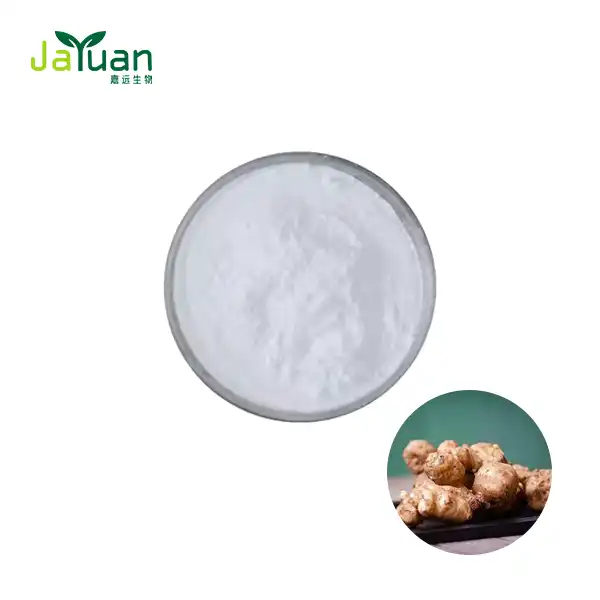

What is resveratrol Powder?
Resveratrol powder is a high-purity polyphenolic stilbenoid compound predominantly isolated from the root of Polygonum cuspidatum (Japanese Knotweed) and grape skins. This naturally occurring component, which is usually standardized to concentrations between 50% and 99%, serves as a strong antioxidant and Sirtuin 1 (SIRT1) activator in the fields of metabolic health and anti-aging. This powdered format, a versatile raw material for pharmaceutical, cosmetic, and nutraceutical formulations, solves important issues such as low bioavailability from crude sources, inconsistent botanical quality, and quick photo-isomerization from active trans- to inactive cis-form, guaranteeing batch consistency and regulatory compliance for industrial buyers.
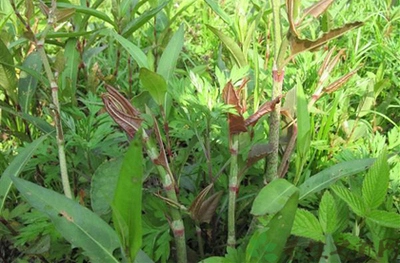
Botanical source: Polygonum cuspidatum Sieb, Grape
Other Names: trans-3,4,5-trihydroxystilbene
CAS NO.: 501-36-0
Specs Available: 50%, 98%, 99%(HPLC)
Part of used: Root
Appearance: White to off-white fine powder
Molecular Weight: 228.24
Molecular Formula: C14H12O3
MOQ: 500G-1KG
Inventory: in stock
Customized service: Support adjusting purity (50%-99%) according to customer needs
GMP standard production lines.
Payment: 100% TT in advance
Certificaions: FSSC2000/ISO2000/HALAL/KOSHER/HACCP
Delivery terms: FedEx, DHL, EMS, UPS, TNT, all kinds of the airline, international shipping companies.
Free sample is available.
We do not sell retail quantities to individuals.
Understanding Resveratrol Powder: Definition and Key Properties
What Makes Resveratrol Powder Different from Other Forms?
Resveratrol powder is unquestionably superior than tablets or liquid extracts since it may be produced in a variety of ways and its quality is easily assessed. Formulators can generate precise combinations that are ideal for certain therapeutic purposes thanks to powder forms. The dose of powders ranges from 50 mg for low-cost supplements to 500 mg for high-end pharmaceuticals. Completed drugs cannot have their dose changed. Compared to liquids, which may oxidize and get polluted, pharmaceutical powder is more solid. When stored under regulated conditions, it remains stable for a longer period of time, much like nitrogen-flushed, sealed containers kept below 25°C. Because of the manner it's created, it's also simple to include into tablets, hard capsules, packs, and even water-dispersible drink mixes. As a result, it does not require the emulsifiers or carrier oils required for liquid solutions.
Source Material Quality: Organic vs. Non-Organic Standards
The quality of the raw material directly affects both efficacy and regulatory approval. Because organic-certified inputs must be farmed in accordance with USDA and EU laws and without the use of synthetic chemicals or genetically modified organisms, they are more expensive. Non-organic sources are commonly used in places where cost is a critical factor. The source of raw materials is crucial: Grape skin normally generates 50–70% trans-resveratrol, but Polygonum cuspidatum can produce up to 98%. USP/EP-grade purity (≥98%) is required for pharmaceutical use, although ≥95% is acceptable for cosmetic usage. The target market and end-use criteria should be matched with raw material standards by procurement teams.
Scientifically Validated Health Benefits and Biological Activity
Researchers have found that resveratrol powder can stop NF-κB and turn on sirtuins that are linked to life. It can also increase mitochondrial production and change infection pathways. These processes work in ways that are good for business. In animal models, they improve metabolic factors and help the body age in a healthy way. They do this by making nitric oxide more bioavailable. This ingredient is very important in anti-aging and nutricosmetics because it can protect cells from damage by more than 5,000 μmol TE/g. Trans-resveratrol can stop tyrosinase from working, which means it can be used in skin-brightening goods. Blocking UV light can also protect collagen from damage caused by the sun. Product makers can make strong marketing claims based on peer-reviewed study when they do these things, which have been proven by science. This is necessary to gain the trust of customers and stay out of the way of government scrutiny.
How Does Resveratrol Powder Work? Mechanism and Applications
Cellular Mechanism: Oxidative Stress and Sirtuin Activation
Molecularly, resveratrol powder does two things: it gets rid of free radicals directly and speeds up the work of enzymes. To lower reactive oxygen species (ROS), the molecule's hydroxyl groups give up electrons. Damage to DNA, proteins, and lipids in cells is stopped by this. It also activates SIRT1 enzymes, which manage gene expression related to energy consumption and stress resistance. Once sirtuin is turned on, it helps with things like making insulin work better, making mitochondria work better, and supporting healthy inflammation responses. The chemical doesn't break easily in water, but it can get through cell walls. Standard powders only work 20–30% of the time, but improved liposomal or micronized types work 60–70% of the time because they are made in a different way. When making a new drug, understanding these pharmacokinetic limits helps pick the best amount and way for the drug to get to the body.
Industry Applications Across Nutraceuticals, Cosmetics, and Pharmaceuticals
The pharmaceutical, cosmetic, and nutraceutical industries all make extensive use of resveratrol powder. It is typically coupled with NMN, NAD+ precursors, quercetin, pterostilbene, or piperine at 150–500 mg per serving in nutraceutical supplements for longevity, metabolic support, and cardiovascular health. Compatible with both oil and water systems, 95–99% pure powder is utilized in sunscreens, serums, and anti-aging creams at 0.5–2%. Under regulatory supervision, ≥99% purity is utilized in pharmaceutical research on metabolic, neurological, and cardiovascular diseases.
Dosage Guidelines and Safety Considerations for Commercial Formulations
The FDA (via GRAS confirmation) and the EFSA have both said that resveratrol powder is safe to use according to set guidelines. Nutraceutical products generally have between 50 and 500 mg per serving. Long-term tests on people have shown that amounts of up to 1,000 mg per day can be handled without any problems. A range of 0.1 to 2% is used in cosmetics because it is a good compromise between how well they work and how stable they are. Bioavailability issues need to be fixed by makers who use smart design. For instance, mixing with piperine from black pepper increases absorption by up to 200%, and liposomal packing makes tissue transport better. Because the antiplatelet effects aren't very strong, they might combine with blood thinners. It's also important not to use it in people who are sensitive to hormones without first talking to a doctor. When goods are sent to businesses, they are put through full stable testing at fast conditions (40°C/75% RH for 6 months). This checks the shelf life claims and makes sure the goods keep working as promised. They can use these tried-and-true methods to make safe, useful products that meet foreign quality standards.
Comparing Resveratrol Powder with Alternative Forms and Supplements
Powder vs. Capsules vs. Liquids: Bioavailability and Cost Efficiency
Each delivery form has distinct advantages depending on application. Resveratrol powder offers the highest flexibility and best cost efficiency for OEM private-label supplements, with bulk 10-ton production reducing unit costs by 40–60% and allowing blending with actives like CoQ10, alpha-lipoic acid, or omega-3s. Capsules are convenient but less flexible and cost 30–50% more due to encapsulation. Liquids enable fast absorption but require preservatives, complicating clean-label positioning and regulatory compliance. Powders also offer longer shelf life (36 months) compared to liquids (18–24 months).
Resveratrol vs. Grape Seed Extract and Other Polyphenol Sources
Resveratrol differs from other polyphenols in both mechanism and application. Grape seed extract (proanthocyanidins) is a strong antioxidant supporting vascular health via collagen cross-linking but does not activate sirtuins. Quercetin offers immune and anti-allergy benefits but has lower solubility (15–20%) than micronized resveratrol. Pterostilbene has higher oral bioavailability (80% vs. 20–30%) but is 3–5× more expensive. Curcumin has anti-inflammatory effects but poor bioavailability (<5%) without delivery systems. With over 15,000 studies, resveratrol has strong scientific and regulatory support despite solubility challenges.
Impact of Organic Certification and Supplier Reputation on Product Quality
How to Procure Resveratrol Powder: A B2B Buying Guide
Evaluating Quality Certifications and Supply Chain Transparency
The first step to a good buy is to check the credentials of the supplier to make sure they meet manufacturing standards and the resveratrol powder is genuine. GMP licenses show that a company follows the rules for making medicines. For example, they keep the temperature under control while processing, make sure that the right cleaning methods are used between runs, and write down their standard operating procedures. Buyers shouldn't just believe what a website says; they should ask for new certificates and make sure that the certificates cover the production of resveratrol powder. The ISO 9001 standard is for managing quality, and the ISO 14001 standard is for managing the environment. These standards show how to be consistent and last a long time.
Independent ISO/IEC 17025-certified labs test the product to make sure it is pure, can be identified (by looking for the trans-isomer using HPLC), and doesn't have any harmful chemicals, heavy metals, pesticides, or microbes. Traceability reports that link batches of finished goods to crops used to make them show that the supply chain is open. This is in line with the FDA's FSMA (Food Safety Modernization Act) rules and lets quality problems be fixed quickly. You can do workplace checks in person or online with this provider. It shows that they believe in their business and makes it easier for relationships to grow, which is important for long-term partnerships. We have two ways to check the quality at Jiayuan Bio-Tech. The first is real-time near-infrared spectroscopy during extraction. The second is offline HPLC and GC-MS analysis to make sure that every batch meets EP/USP pharmacopoeia standards before it is shipped.
Identifying Credible Suppliers in Key Manufacturing Regions
Resveratrol powder production is largely concentrated in China, especially Shaanxi and Hunan, supplying about 70% of global output due to proximity to Polygonum cuspidatum resources and 30–40% lower raw material costs than Western regions. Buyers should prioritize suppliers with certifications such as US FDA registration or EU Novel Food compliance, and evaluate production capacity, references, and financial credibility. US and European suppliers offer regulatory convenience but higher costs. Jiayuan Bio-Tech benefits from proximity to cultivation zones, 10-ton capacity, and consistent 98%+ purity with 40–60% lower costs.
Price Analysis and Strategic Negotiation for Bulk Orders
The cost of resveratrol powder varies according to volume and purity: 98% pharmaceutical grade costs $80–120/kg, 95% cosmetic grade costs $45–75/kg for 100 kilogram orders, and organic adds $15–25/kg. Volume discounts are 25–30% at tonnage levels and 10–15% at 500 kg. Annual contracts aid in cost stabilization since seasonal variations in raw material prices can cause price shifts of 20–35%. In addition to verifying Incoterms and accounting for hidden shipping costs, buyers should evaluate other vendors. Jiayuan Bio-Tech provides customizable MOQs beginning at 25 kg and lowers expenses through solvent recovery.
Best Practices for Using Resveratrol Powder in B2B Applications
Storage and Handling Procedures to Maintain Potency
As long as it is kept properly, resveratrol powder remains chemically active throughout its supply chain. Photosynthesizing is the main process by which resveratrol powder breaks down. On an average day, UV light changes trans-resveratrol from an active form to a medically inactive form about 10-15% per month. This means they need to be kept in dark places and packed in materials that don't let UV light through, like metalized paper bags or amber glass cases. It's also very important to keep the temperature under control. Temperatures below 25°C stop thermal decay, and temperatures between 2 and 8°C keep things fixed for more than 24 months. Water is another thing that can make something less stable. It starts to clump and bacteria grow if it has more than 0.5% water in it. The nitrogen-flushed, tightly sealed package from Jiayuan Bio-Tech keeps air from getting in by less than 2%.
This stops reactive breakdown and makes sure that the food will last for 36 months if it is stored properly. Handling methods should keep air touch to a minimum as much as possible while weighing and mixing. To do this, moves can be done in controlled environments, high-value ingredients can be handled with special tools, and containers can be quickly sealed again after sample. The fact that storage places' temperatures are tracked shows that climate control systems keep all of them within certain temperature ranges. FIFO (first-in, first-out) inventory movement is possible with systems that keep track of storage times, batch numbers, and testing dates. This makes sure that materials that are about to go bad are not used. These steps will protect the money you spent on good raw materials and make sure that the finished goods always live up to what they say on the label.
Integration Strategies for Skincare, Nutraceutical, and Functional Food Development
Resveratrol powder has low water solubility (~0.03 mg/mL) and is light-sensitive, requiring formulation strategies for stability and bioavailability. Nutraceuticals use direct tableting, encapsulation, or softgels with lipid carriers. Functional drinks require micronization (<5 μm) or cyclodextrin complexation, while liposomal systems improve RTD absorption but increase cost by 40–60%. In cosmetics, it is incorporated below 50°C at 0.5–2% in oil phases, stabilized with antioxidants, chelators, and pH control (3.5–5.5). Jiayuan Bio-Tech provides tailored formulation guidance based on global industry experience.
Quality Assurance Through Third-Party Lab Testing and Compliance
Strict testing is mandated by government rules to guarantee that raw materials and final goods fulfill requirements. While GC-MS finds residual solvents under ICH Q3C limits, HPLC verifies the identification and purity of trans-resveratrol against USP/EP standards. Multi-residue pesticide screening covers more than 200 chemicals, and ICP-MS guarantees that heavy metals stay below detectable levels. Safety and shelf-life claims are supported by microbiological and stability testing. A COA for international regulatory applications is included with every batch. In order to facilitate cooperation and compliance, Jiayuan Bio-Tech also offers technical dossiers, reference samples, and long-term retained techniques.
Conclusion
Resveratrol powder is a very useful ingredient that has been shown to work in many different fields, from pharmaceuticals to makeup to beneficial foods and beverages. As an antioxidant and sirtuin stimulator, it helps the body age well, keep the metabolism healthy, and keep the skin healthy. When you buy something, you should make sure the supplier has the right credentials, such as GMP certification, analytical skills, and an open supply chain. You should also know about quality factors, such as purity grades, organic status, and isomer composition, and make sure you handle things in the right way to keep them stable. Strategic buying from well-known companies that can reliably produce the product at a fair price raises both the quality of the product and the total cost-effectiveness of the project. Formulators can now make new products that meet the changing wants of customers and government norms in global markets.
FAQ
1.Is long-term use of resveratrol powder safe for supplement formulations?
Many safety tests on humans have shown that taking resveratrol powder pills in amounts up to 1,000 mg per day for a year doesn't cause any major side effects. "Generally Recognized As Safe" means that the FDA says the ingredient is safe for use in food. The EFSA also says that the ingredient is safe for use in dietary supplements. Some people get sick or have diarrhea when they take too much (>1,500 mg), but these problems go away when the dose is reduced. Formulators should put the right warnings on the labels about possible interactions with blood thinners because resveratrol powder can stop platelets from getting made. Also, they should tell people who have health problems that are affected by hormones to talk to their doctors. But these are just safety steps and not real worries.
2.What concentration range is recommended for topical skincare applications?
Resveratrol powder is frequently added to makeup at concentrations of 0.5 to 2% weight-per-weight. In this way, cost, security, and efficiency are all taken into account. Clinical tests with this range of concentrations showed that the face got better hydration, fewer fine lines, and a brighter look. Lower amounts (0.1 to 0.5%) are enough to protect against free radicals in normal lubricants. Higher amounts (1-2%) are used in strong anti-aging serums to get the best results. When the amount goes over 2%, the benefits start to fade because the skin can't handle it as well, and the material costs more for no reason. For topical uses, the brightness must be pharmaceutical-grade (95% to 98%) so that impurities don't hurt the skin.
3.How can buyers verify authentic resveratrol powder versus adulterated material?
Authentication requires multi-technique analysis beyond simple purity claims. Ask for records of analysis that show HPLC chromatograms with retention times that match trans-resveratrol standards (18–22 minutes on average, but this can change depending on the method) and UV spectra with normal absorption peaks at 306nm. Checking the melting point (real trans-resveratrol melts between 253 and 255°C) lets you know when to use substances that melt more slowly. An easy and quick way to look for particles is with thin-layer chromatography. Suppliers with a good name will give you samples with all the science information on them so you can test them yourself before you place a big order. You could build connections with testing labs that can help you prove who you are. It doesn't cost much for a third party to check the product ($200 to $400 per test) compared to the risks of using low-quality ingredients, which could make the product less useful and hurt the brand's image.
Partner with a Trusted Resveratrol Powder Manufacturer
Jiayuan Bio-Tech knows how to send pharmaceutical-grade and cosmetic-grade resveratrol powder to its business clients in North America and Europe. The Qinling Mountains in China are close to our new mining plant. It uses virtual moving bed chromatography and automatic DCS control systems to make sure that every batch is 98% pure or more. Our materials must meet strict global standards for use in medicines, supplements, and beauty items. That's why we keep a lot of certificates, such as GMP, ISO 9001, and SGS testing records. Our fully integrated supply chain, which includes everything from contracted farming to final packing, keeps costs steady and makes it possible to watch goods. This isn't possible with models that depend on brokers. We are more of a strategic partner than a seller because we offer factory-direct prices on large orders starting at 25 kg MOQ, solvent recovery systems that lower production costs, and help for a wide range of formulations. Our expert team can help you for free with regulatory paperwork and making sure the goods are stable if you're making a line of supplements to help you live longer, skin care products to fight aging, or useful drink mixes. You can email our export experts at sales@jayuanbio.com or sales1@jayuanbio.com to get samples with full scientific data, talk about making special specs for your needs, or get detailed quotes for your next period of buying. We're committed to giving you the best goods and the most reliable services, which will help you stay ahead of the competition.
References
1. Baur JA, Sinclair DA. Therapeutic potential of resveratrol: the in vivo evidence. Nature Reviews Drug Discovery. 2006;5(6):493-506.
2. Walle T, Hsieh F, DeLegge MH, Oatis JE, Walle UK. High absorption but very low bioavailability of oral resveratrol in humans. Drug Metabolism and Disposition. 2004;32(12):1377-1382.
3. Cottart CH, Nivet-Antoine V, Beaudeux JL. Review of recent data on the metabolism, biological effects, and toxicity of resveratrol in humans. Molecular Nutrition & Food Research. 2014;58(1):7-21.
4. Ndiaye M, Philippe C, Mukhtar H, Ahmad N. The grape antioxidant resveratrol for skin disorders: promise, prospects, and challenges. Archives of Biochemistry and Biophysics. 2011;508(2):164-170.
5. Amri A, Chaumeil JC, Sfar S, Charrueau C. Administration of resveratrol: what formulation solutions to bioavailability limitations? Journal of Controlled Release. 2012;158(2):182-193.
6. Wenzel E, Somoza V. Metabolism and bioavailability of trans-resveratrol. Molecular Nutrition & Food Research. 2005;49(5):472-481.