
New drugs to replace nicotine for smoking cessation - Cytisine
Quitting smoking is still one of the hardest but most important health measures in the world. While traditional nicotine replacement treatments have been the most popular, cytisine, a naturally occurring alkaloid, is becoming more and more popular as a scientifically proven option. Coming mostly from plants like Sophora alopecuroides and Laburnum anagyroides, this chemical is a potential ingredient for pharmaceutical companies, nutraceutical suppliers, and research institutions to use in making smoking cessation products that work. This natural substance is changing the way addiction is treated because it has side effects that are better than or equal to those of traditional medicines and helps people quit using drugs.
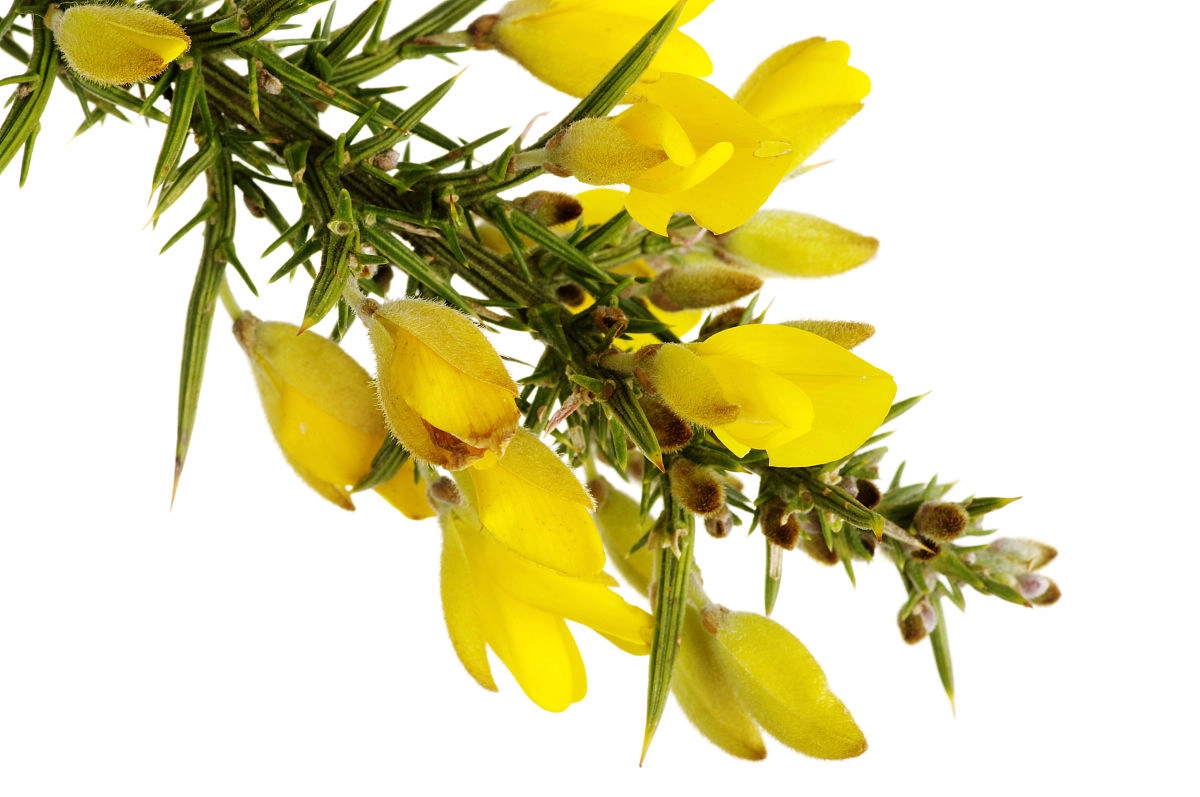
Product Name: Cytisine 98%
CAS NO.: 485-35-8
Molecular formula: C11H14N20
Molecular weight: 190.24
Specification content: 98%(HPLC)
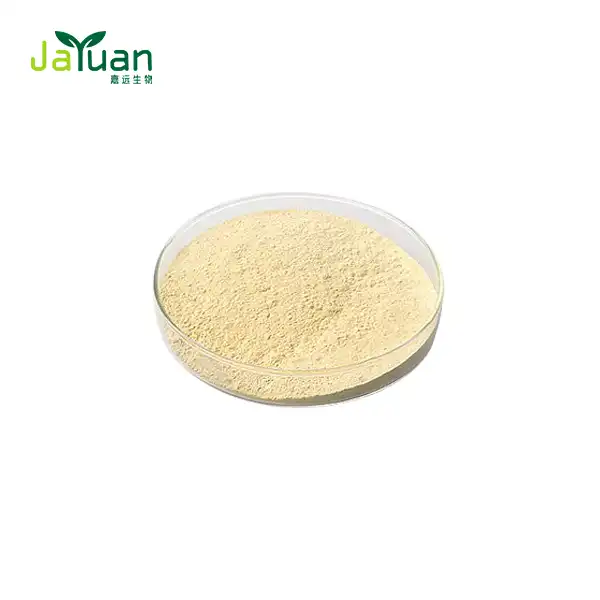
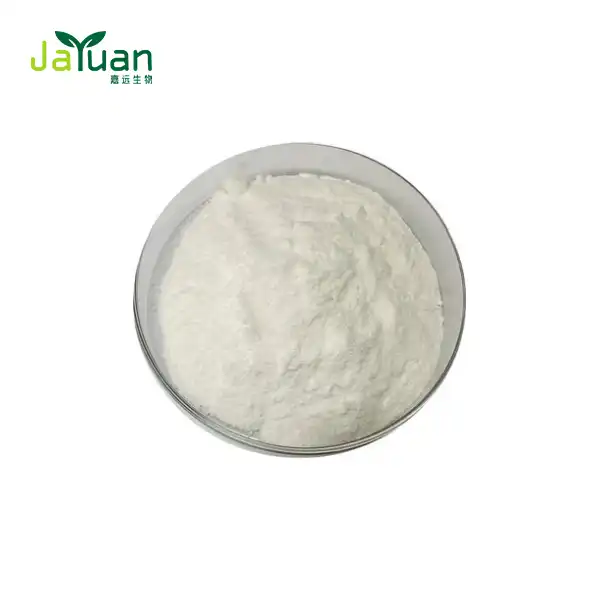
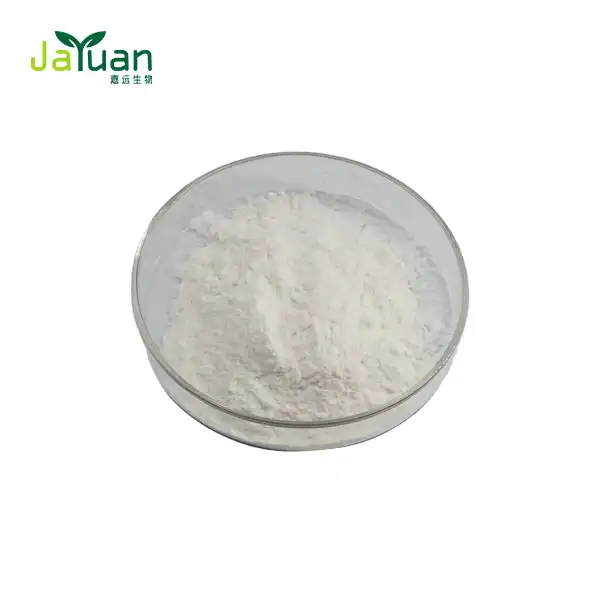
Product Description: Diagonal Prism Powder
Physical properties: Melting point of 98-99 ℃, soluble in water, ethanol, methanol, insoluble in petroleum ether.
MOQ: 500gG-1KG
Our Advantages: Scalable production capacity, strict quality control, cost efficiency from integrated factories, over 20 years of experience, advanced technology, and 24/7 after-sales support.
Certificaions: FSSC2000/ISO2000/HALAL/KOSHER/HACCP
Delivery terms: FedEx, DHL, EMS, UPS, TNT, all kinds of the airline, international shipping companies.
Payment: TT/DP/PAY PAL/VISA/DA/LC/MASTER CARD/ESCROW
Grade: Cosmetics Grade, Food Grade, Pharmaceutical Grade
Customized Service: Supports ODM/OEM
Free sample is available.
We do not sell retail quantities to individuals.
Understanding Cytisine: A Comprehensive Overview
The market for quitting smoking wants new ingredients that are backed by strong clinical proof. This chemical comes from plants and works as a partial agonist at nicotinic acetylcholine receptors. It binds to neurons in the same way that nicotine does, but it doesn't have the same rewarding effects.
Pharmacological Mechanism and Clinical Foundation
Cytisine attaches to α4β2 nicotinic receptors in the brain and stops nicotine from making you feel good. This lessens withdrawal symptoms while stopping nicotine's rewarding benefits. This double effect makes it easier for people who are addicted to tobacco to quit. At six months, the quit rate for people who took part in multiple clinical studies across European markets ranged from 8.4% to 21%, compared to 2.4% to 11% for people who took a placebo. The compound's molecular weight of 190.24 g/mol and great ability to dissolve in water make it very useful for many manufacturing tasks.
Researchers who are looking into how addiction works, like how selective the substance is and how well it interacts with receptors. Unlike synthetic options, this plant-based ingredient gives drug companies a natural edge in places where people are increasingly looking for therapeutic components that come from plants.
Sourcing Considerations for B2B Clients
Pharmaceutical businesses and supplement makers that put quality first need sources that can meet regular standards for purity. At Jiayuan Bio-Tech, we use modern chromatographic processing methods to keep cytisine purity levels above 98%. Our simulated moving bed chromatography (SMB) technology lets us make things continuously while also making sure that each batch is the same, which is very important for businesses that are trying to get governmental approvals in more than one market.
Prices on the market vary a lot depending on the pure grade and the standards for approval. Material that is pharmaceutical-grade (≥99% pure) costs a lot, while cosmetic-grade (≥95%) is only used in a few specific skin formulas. Instead of just looking at price, strategic procurement teams should judge sellers based on how well they follow certifications, provide analytical evidence, and be reliable in the supply chain.
Cytisine vs Traditional Smoking Cessation Drugs: A Decision-Making Guide
Pharmaceutical buying teams can make better decisions about where to get materials for cytisine if they know how this natural alkaloid stacks up against well-known treatments.
Limitations of Conventional Nicotine Replacement Therapies
Traditional nicotine replacements like gum, patches, and lozenges have a hard time in the market for a number of reasons. Cost is still a big problem, with full treatment classes in U.S. stores often costing more than $200 to $300. Longer treatment periods and the psychological struggle of continuing to smoke while trying to quit make it harder for patients to stick with their plans.
Varenicline works, but there are black-box warnings about mental side effects in some patient groups. Bupropion needs to be carefully checked for side effects, and compared to better options, it doesn't work as well. Because of these restrictions, there are market possibilities for ingredients that come from natural sources and have better safety ratings.
Competitive Advantages in Mechanism and Outcomes
The natural alkaloid works better at treating acute withdrawal symptoms during the first week, which is the most important time for people trying to quit. At 12-month follow-up, clinical evidence shows lower return rates compared to people who tried to quit on their own. The faster treatment time for the substance (usually 25 days vs. 12 weeks for nicotine replacement) also makes it more cost-effective, which is something that healthcare systems and insurers are thinking about more and more.
Pharmaceutical companies that make combination treatments think that the way the drug works works well with programs that help people with their mental health. Because the substance lowers both the strength of cravings and the pleasurable effects of slip-ups, it protects in two ways during the early stages of quitting, when things can go wrong.
Procurement Strategies for B2B Clients: Sourcing Cytisine Effectively
To successfully buy plant alkaloid ingredients, you need to know how to find good suppliers and how to handle issues in the supply chain that are unique to these ingredients.
Evaluating Manufacturer Credentials and Quality Systems
Checking for GMP approval and pharmacopoeia compliance should be a must when looking at possible cytisine providers. We keep two quality control systems running: one uses near-infrared spectroscopy to keep an eye on things in real time, and the other uses HPLC and GC-MS to do full tests later on. This method makes sure that every batch of products meets EP/USP standards before they are released.
Getting ISO 13485 certification shows that a seller is dedicated to quality control systems that are made for pharmaceutical uses. Our plant has both GMP and ISO licenses, which means we can serve clients in regulatory areas across Europe, the United States, and Asia without having to meet any extra requirements.
Important quality factors for cytisine go beyond tests for clarity. Gas chromatography should be used to check the residual solvents to make sure the amounts of ethanol and methanol stay within the ICH Q3C limits. ICP-MS heavy metal screening must be able to find arsenic, lead, cadmium, and mercury at a level of sensitivity of parts per billion. Total oxygen counts and yeast/mould counts must meet pharmaceutical-grade standards for microbial limits tests.
Product Specifications and Formulation Considerations
Specifications need to be changed for each end use. Here are the most important things to think about when choosing the right grades:
- Pharmaceutical API Manufacturing: Customers who are making prescription drugs to help people stop smoking need products that are ≥99% pure and have full impurity analysis. To make sure that medicinal accuracy, related chemicals like caulophylline must stay below certain levels. Tablet compression and dissolving patterns are affected by the material's crystalline structure and particle size distribution.
- Nutraceutical Supplement Uses: Companies that make dietary supplements can use grades with up to 95% pure while still keeping the clinical usefulness. Products in competitive retail markets can save money by using these standards. Because the material dissolves easily in water, it can be used in a variety of delivery forms, such as pills, tablets, and liquids.
- Research and Development: Universities and drug R&D labs need reference materials that have been fully described and have full analytical data. We offer a Certificate of Analysis that includes NMR spectroscopy, mass spectrometry, and stability study results to support experimental uses.
Our production skills allow us to make both large amounts of pharmaceuticals and small amounts of unique products. This versatility is helpful for clients who are just starting to formulate and need kilogram amounts for stability testing and pilot studies before committing to buying on a large scale.
Cost Optimisation and Supply Chain Management
Smart buying strategies find a balance between quality assurance and cutting costs. Our fully integrated supply chain starts with hired cultivation sites near the Qinling Mountains. This keeps the prices of raw materials from changing too quickly, which is a problem for buyers on the spot market. Because of its location, this business has a cost benefit for long-term supply deals.
The following things affect the total cost of ownership besides the price of each unit:
- Solvent Recovery Efficiency: Our multi-effect evaporator systems reclaim up to 90% of the ethanol and methanol that is used. This lowers the cost of consumables, which benefits clients in the long run by giving them lower prices. Facilities that don't have modern repair systems have to pay more for production, which makes their prices less competitive.
- Scale Economics: Our ability to produce 10 tons per year spreads fixed costs over a bigger amount of output, making unit costs 40 to 60 per cent lower than those of small-scale makers. With volume agreements, we can offer key partners better prices while still keeping our margins stable.
- International Logistics Support: We work with big companies like FedEx and DHL, as well as pharmaceutical freight forwarders who know how to ship items at the right temperature. Our team helps with clearing customs for markets in the U.S. and Europe, getting rid of common problems with imports that cause products to be late coming out.
Setting minimum and maximum inventory levels based on your production forecasts and the ingredient's three-year shelf life under ideal store conditions is one of the best ways to order in bulk. Material quality is maintained for long periods of time when it is sealed in nitrogen-flushed packaging with a moisture content managed to ≤0.5%.
Future Trends and Market Outlook for Cytisine in Smoking Cessation
The market for smoking reduction ingredients is always changing because of new rules, better science, and shifting customer tastes.
Emerging Research and Next-Generation Derivatives
Optimised dosing schedules, combination treatments, and new delivery systems that may improve effectiveness and ease of use for cytisine are being looked into in ongoing clinical studies. Researchers are looking into structural derivatives that have longer half-lives or better receptor sensitivity, which could lead to once-daily dosing forms.
Neuroscience experts who study how nicotinic receptors are involved in brain function and neurodegenerative diseases are interested in how the compound works. Even though the main therapeutic use of this ingredient is still to help people stop smoking, this new study shows that it has important pharmacological effects and could lead to more market possibilities.
Regulatory Landscape Evolution
The patterns of market entry are very different between countries. Multiple EU member states have been able to get approvals more easily thanks to routes set up by the European Medicines Agency. However, the U.S. regulatory situation is still being worked on. Pharmaceutical firms that want to sell their drugs in North America should keep an eye on the FDA's advice papers about botanical drugs and hire regulatory experts early on in the development process.
Asian markets are becoming more regulatory-friendly, especially in places where the source plants grow naturally. China's inclusion of goods to help people stop smoking in national healthcare programs opens up a lot of growth opportunities for qualified providers who meet Chinese Pharmacopoeia standards.
Supply Chain Implications and Strategic Recommendations
Pharmaceutical wholesalers and supplement makers expect demand to rise, which could mean that there aren't enough supplies for the next 3 to 5 years. Businesses that buy and sell things should think about setting up preferred seller relationships and framework deals that protect allocation during times when capacity is limited.
Our patent portfolio, which includes high-yield crystallisation methods, gives us production benefits that are hard for our rivals to copy. When clients work with providers who are on the cutting edge of technology, they get supply security and stable costs as market demand rises.
Environmental safety is becoming more and more important in purchasing decisions. Some of the environmentally friendly things we do in our production process are MVR evaporation crystallisation, which results in zero liquid discharge, and composting programs that put farm waste back onto growing fields. These projects are in line with the ESG goals of the companies involved and make sure that they follow the rules for new environmental standards.
Conclusion
Cytisine, a naturally occurring alkaloid, is a cost-effective and scientifically validated option for companies that develop pharmaceuticals, dietary supplements, and research products aimed at smoking cessation. Its proven efficacy, favorable safety profile, and botanical origin help address some of the limitations of traditional therapies while meeting growing consumer demand for plant-based ingredients. Effective procurement requires partnering with suppliers that prioritize quality and provide consistent purity standards, comprehensive regulatory documentation, and dependable supply chain capabilities. As additional regulatory approvals are granted and clinical evidence continues to expand, forward-thinking companies are strategically incorporating Cytisine into their smoking cessation product portfolios to capitalize on emerging market opportunities.
FAQ
1. How does cytisine's effectiveness compare to nicotine replacement therapies?
Several randomised controlled studies have shown that this plant alkaloid helps people stop smoking as well as or better than nicotine substitute products. A major study in the New England Journal of Medicine found that 8.4% of people who took the plant ingredient stayed abstinent after 12 months, while only 2.4% of people who took a placebo did the same. When compared to nicotine replacement, the results were not worse, and the shorter treatment period may have saved money.
2. What side effects should pharmaceutical companies consider when formulating cytisine products?
Mild stomach problems, trouble sleeping, and short-term headaches are the side effects that are most often mentioned. They happen to 10 to 30 per cent of users. These side effects usually go away in the first week of treatment and don't cause people to stop taking the medicine. The natural alkaloid has a better safety profile and can be used by a wider range of patients, compared to varenicline's mental warnings and bupropion's limitations.
3. What quality parameters should procurement managers prioritise when sourcing this ingredient?
For pharmaceutical uses, buyers should make sure that the product is pure (HPLC-confirmed purity ≥98%), that all impurities are below safety levels, that residual solvents are tested by GC to make sure they are in line with ICH guidelines, that heavy metals are screened using ICP-MS technology, and that the product's microbial limits meet pharmacopoeia standards. Certificates of Analysis, data from a stability study, and proof of GMP approval should all be included in the supplier's paperwork.
Partner with a Trusted Cytisine Manufacturer
Pharmaceutical-grade and nutraceutical-grade plant alkaloids are what Jiayuan Bio-Tech does best for B2B clients all over the world, including cytisine. Our advanced extraction methods, such as dynamic countercurrent systems and ultrasonic-assisted methods, are 30–50% more effective than traditional methods and keep the quality of the cytisine above 98%. We meet EP/USP standards for quality in all of our production runs because we are a vertically integrated provider with GMP and ISO 13485 certifications. Our team helps foreign clients with all of their transportation needs, including clearing customs and giving expert advice during the product development cycle. Whether you need pharmaceutical API material for clinical studies or cost-effective ingredients for supplement products, our adaptable production methods and focus on the customer will make sure your purchase goes smoothly. Reach our business-to-business sales team at sales@jayuanbio.com or sales1@jayuanbio.com to talk about your unique needs, ask for analytical paperwork, or set up a sample evaluation.
References
1. Walker, N., Howe, C., Glover, M., McRobbie, H., Barnes, J., Nosa, V., Parag, V., Bassett, B., & Bullen, C. (2014). Cytisine versus nicotine for smoking cessation: A randomised controlled trial. New England Journal of Medicine, 371(25), 2353-2362.
2. West, R., Zatonski, W., Cedzynska, M., Lewandowska, D., Pazik, J., Aveyard, P., & Stapleton, J. (2011). Placebo-controlled trial of cytisine for smoking cessation. New England Journal of Medicine, 365(13), 1193-1200.
3. Hajek, P., McRobbie, H., & Myers, K. (2013). Efficacy of cytisine in helping smokers quit: Systematic review and meta-analysis. Thorax, 68(11), 1037-1042.
4. Tutka, P., & Zatonski, W. (2006). Cytisine for the treatment of nicotine addiction: From a molecule to therapeutic efficacy. Pharmacological Reports, 58(6), 777-798.
5. Cahill, K., Lindson-Hawley, N., Thomas, K. H., Fanshawe, T. R., & Lancaster, T. (2016). Nicotine receptor partial agonists for smoking cessation. Cochrane Database of Systematic Reviews, Issue 5.
6. Etter, J. F. (2006). Cytisine for smoking cessation: A literature review and a meta-analysis. Archives of Internal Medicine, 166(15), 1553-1559.