
Resistant Starch Powder - Premium Dietary Fiber Solution for Functional Food Innovation
Xi'an Jiayuan Bio-tech Co., Ltd. delivers enterprise-grade Resistant starch powder with 90% content specification verified by HPLC testing. Operating two GMP-certified production lines since 2002, we maintain strict quality control through ISO9001, FSSC22000, HALAL, and KOSHER certifications. Our facility produces consistent white-to-almost-white fine powder (CAS: 213718-26-8) with comprehensive documentation support including COA, TDS, and MSDS. With 20+ years of manufacturing expertise and 30 technical specialists, we supply this metabolically-active dietary fiber with proven clinical efficacy: 40% reduction in liver triglycerides and 1.5% HOMA-IR improvement in published trials.
What Is Resistant Starch Powder?
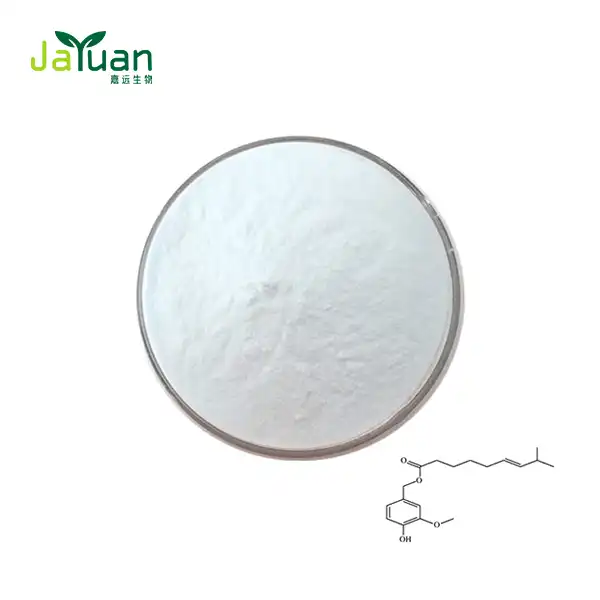
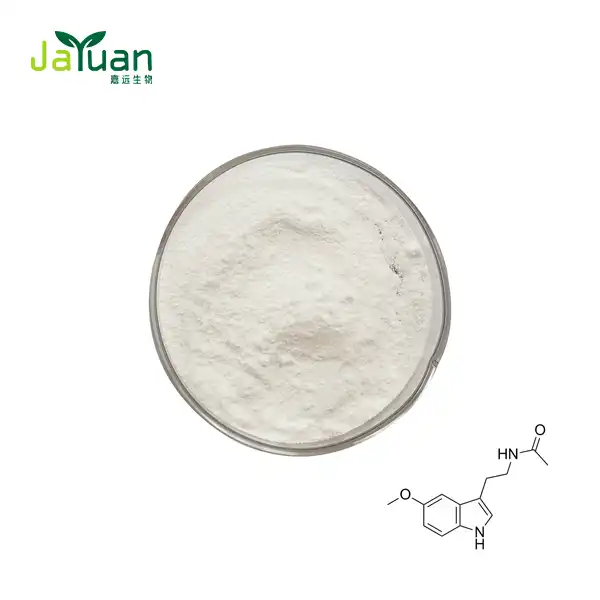
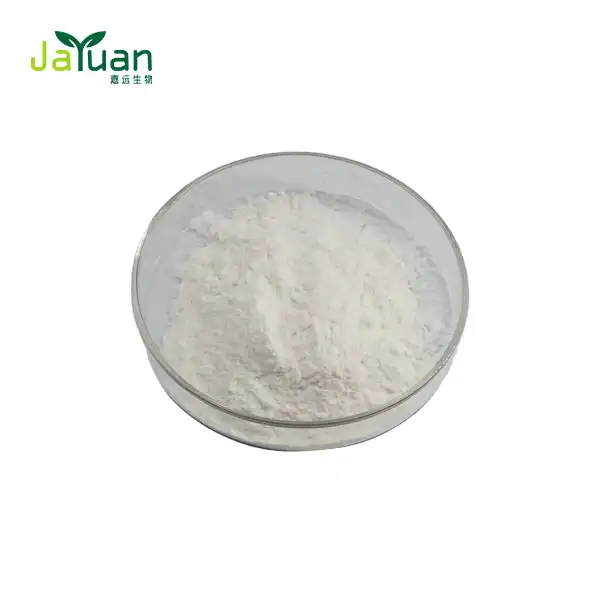
The product is a member of the family of the non-digestible dietary fibers. It is resistant to enzymatic degradation in the small intestine and is fermented in the colon to form short-chain fatty acids. This component is tasteless, has a small particle size (10-15μm) and offers better processing properties compared to common fibers.
Advanced coating processes provide the thermal stability of the white powder. This preserves its crystal structure throughout high temperature processing and retains functional characteristics.
Functions
Our product delivers multiple physiological benefits backed by clinical research:
Metabolic Health Support: A 4-month randomized controlled trial demonstrated that daily 20g intake reduced liver triglycerides by nearly 40% in NAFLD patients. Liver enzymes and inflammatory markers also decreased significantly.
Glycemic Control: 2-week supplement decreased insulin resistance (HOMA-IR reduction 1.5%) in obese subjects Its low glycemic index qualities make it appropriate for diabetic and weight concerned formulations.
Weight Management: The substance helps in weight reduction by modulating the gut flora as shown in clinical studies. Research found that Bifidobacterium adolescentis was the major bacterial species causing these effects.
Gut Health : Colonic fermentation provides beneficial short chain fatty acids that promote intestinal barrier function and control of systemic inflammation.

Application Fields
This versatile ingredient enhances product performance across multiple categories:
|
Food Category |
Addition Rate |
Functional Benefits |
|
Noodle Products |
5%-30% (flour basis) |
Improves elasticity, texture, and resistant starch content |
|
Baked Goods |
5%-20% (flour basis) |
Enhances crumb structure and crust color |
|
Extruded Cereals & Snacks |
10%-30% |
Increases expansion and crispness |
|
Solid Beverages & Meal Replacements |
10%-40% |
Serves as dietary fiber fortifier |
|
Pasta |
Up to 15% |
Maintains dough rheology and firm texture |
The fine particle size minimizes sensory impact on your formulations. Lower water-holding capacity compared to traditional fibers means fewer processing adjustments. Resistant starch powder imparts less gritty mouthfeel and better masks flavors in beverages.
Pasta containing 15% resistant starch shows no effect on extrusion rheology. Baked products exhibit improved crispness after toasting or reheating.

Quality Control
We implement a four-tier quality assurance system:
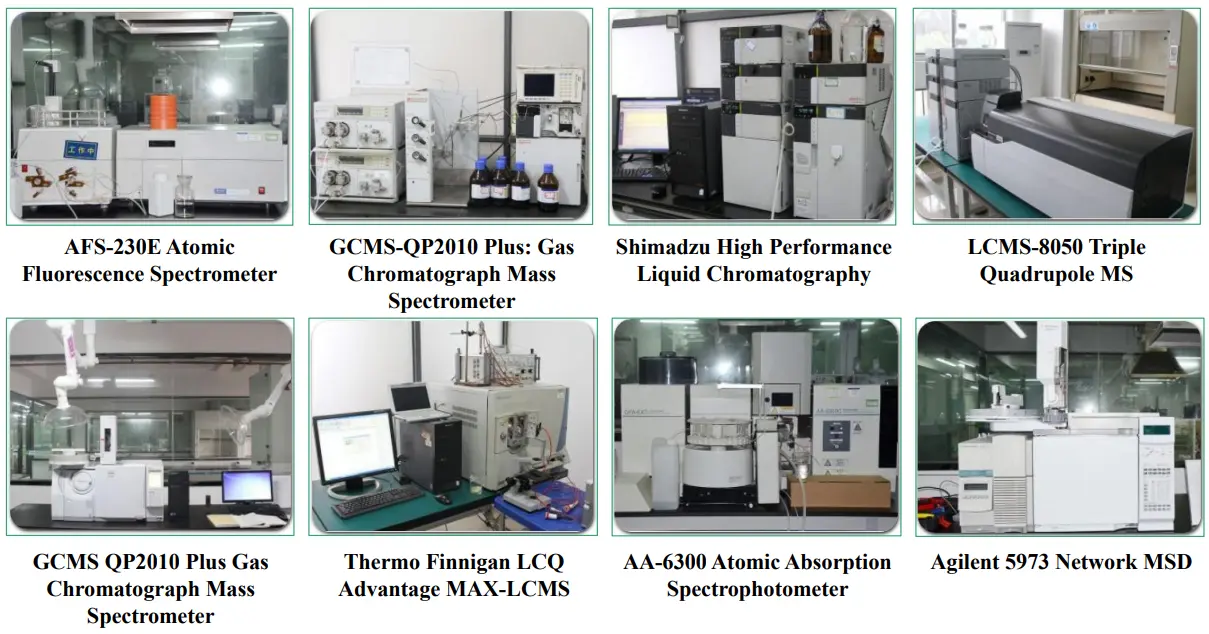
Source Control: Long-term agreements with fixed-region suppliers ensure consistent raw material quality. Every incoming batch undergoes testing for starch content, moisture, and ash.
Process Control: Fully automated DCS production lines monitor critical parameters including reaction temperature, time, and pH with complete traceability.
Finished Product Release: Comprehensive testing covers resistant starch content, moisture, ash, pH, total dietary fiber, whiteness, and microbiological parameters before shipment.
Retained Sample Management: Batch samples undergo regular stability monitoring throughout shelf life to ensure consistent performance.
Key Quality Parameters:
- Content: 90%
- Moisture: 11-14%
- Ash: ≤0.4%
- pH: 4.5-7.0
- Total Plate Count: ≤7,500 n/g
- Coliforms: ≤10 n/g
- Salmonella: Absent
Certificates
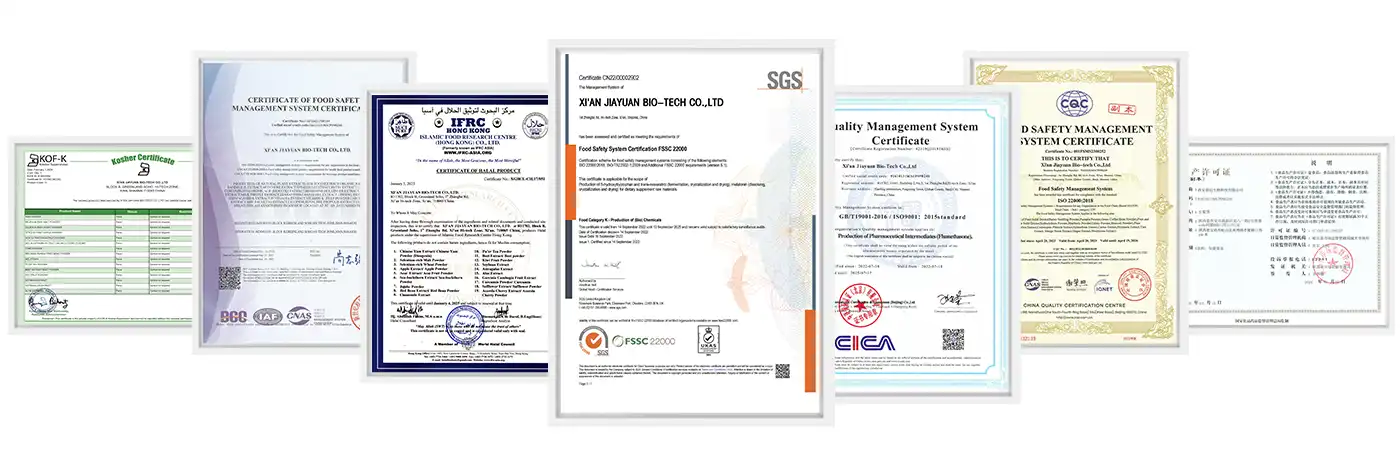
Xi'an Jiayuan Bio-tech holds comprehensive certifications ensuring regulatory compliance worldwide:
- ISO9001 Quality Management System
- FSSC22000 Food Safety System
- HALAL Certification
- KOSHER Certification
- HACCP Certification
- SGS Testing Reports
Complete documentation packages including COA, TDS, MSDS/SDS, stability data, and compliance declarations support your product registration and market access requirements.
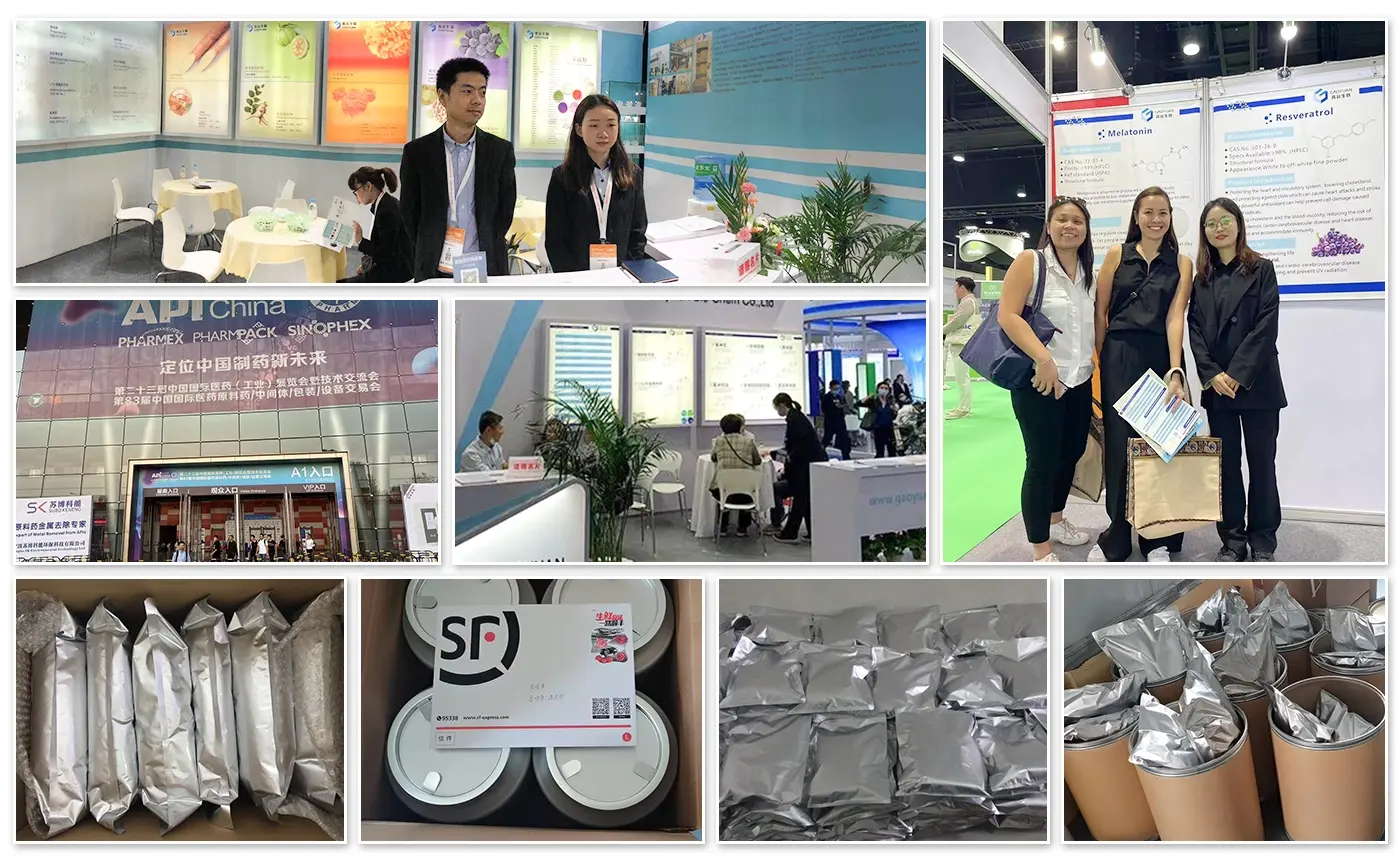
Packaging & Transportation
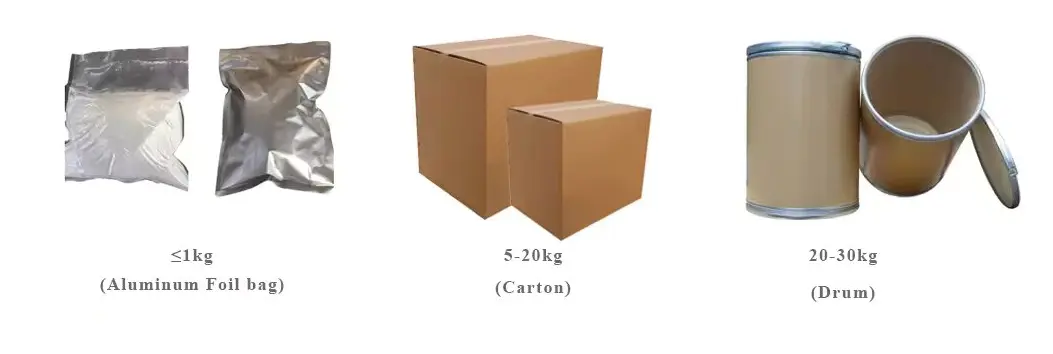
Our resistant starch powder ships in food-grade packaging that maintains product stability:
- Inner Layer: Food-grade PE bag
- Outer Layer: Aluminum foil bag or fiber drum
- Standard Packaging: 25kg/drum
Storage conditions: Store in a cool, dark place away from moisture. The product remains stable throughout its shelf life when stored properly.
No cold chain or special environmental controls required during transportation. This reduces your total usage costs significantly.
Payment & Shipment
Payment Terms: TT, DP, PayPal, Visa, DA, LC, MasterCard, Escrow
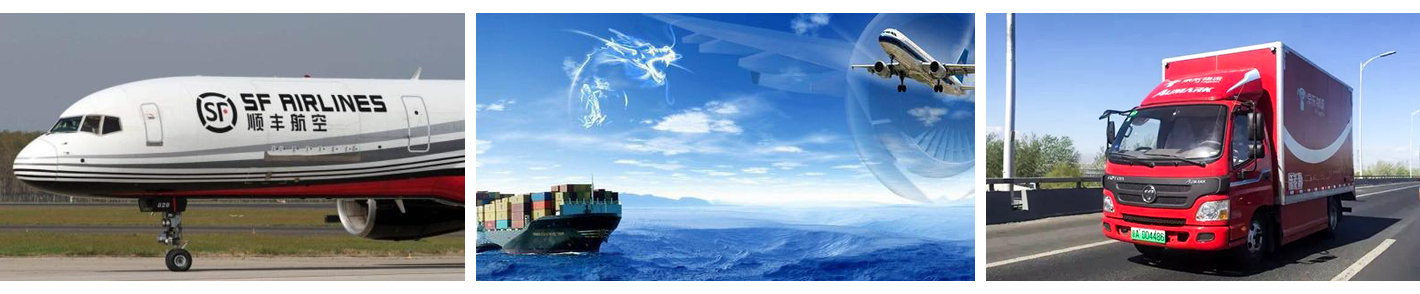
Delivery Partners: FedEx, DHL, EMS, UPS, TNT, international airlines, and shipping companies provide efficient global logistics solutions.
For customers without import experience, we offer customs clearance assistance in Europe and the United States. Products can be delivered directly to your facility with reduced logistics complexity.
Standard order lead time: 15-20 working days. Expedited processing available upon request.

After-sales Service
We provide comprehensive technical support to ensure successful product development:
- 24/7 customer service hotline
- Customized formulation recommendations based on your specific processing conditions
- Application technology guidance from our 30-member technical team
- Free samples available for evaluation
- ODM/OEM services supported
Our application specialists help optimize addition ratios for different food categories. We consider your target product's sensory profile and functional claim requirements when making recommendations.

Exhibitions
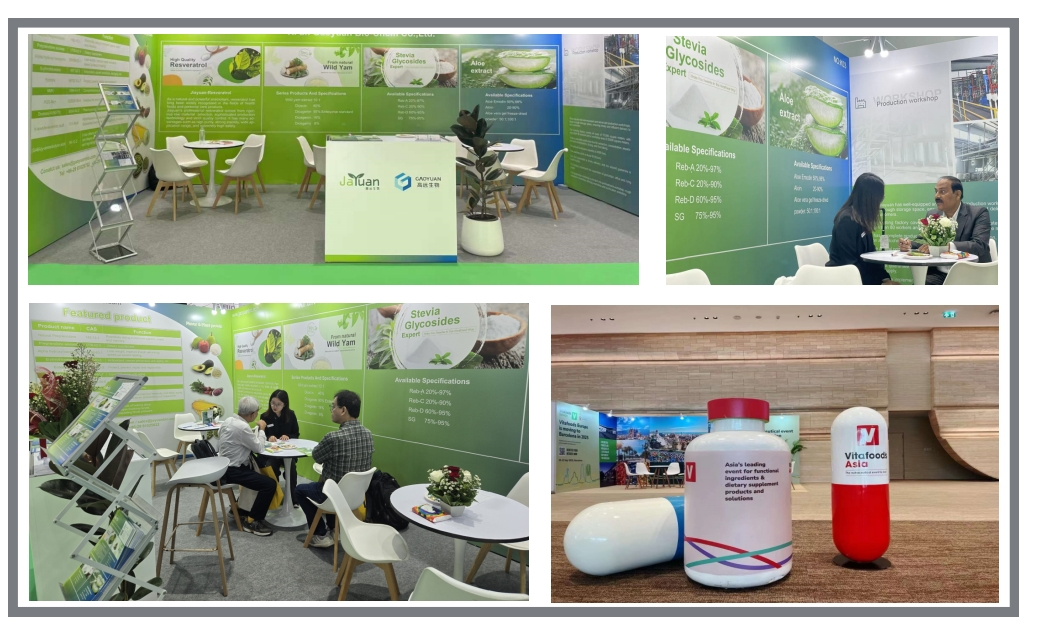
Attending major international trade shows like Food Ingredients China (FIC), Natural Goods Expo, and SupplySide West is something that we do often. At these events, you will have the opportunity to try out our products for yourself.
Why Choose Us?
Direct Manufacturer Advantage: Factory-direct pricing eliminates intermediary markups. Flexible warehouse stocking services accommodate various order sizes.
Proven Expertise: Founded in 2002 with over 20 years of natural ingredient manufacturing experience. Recognized as a High-tech Enterprise of Shaanxi Province.
Cost Competitiveness: Our raw material cost represents only 60%-75% of comparable imported dietary fiber products. Superior processing adaptability reduces R&D and production modification costs.
Supply Stability: Multi-origin raw material reserve system addresses seasonal fluctuations and supply disruptions effectively.
Technical Innovation: Advanced zein coating technology increases resistant starch content to 82.92% while reducing digestibility to 29.06%. This ensures functional properties survive thermal processing.
FAQ
Q:What is the production capacity and supply stability of your product?
A:Our production line maintains annual capacity with continuous processing and automated control systems. We source raw materials from multiple origins and maintain strategic partnerships with upstream suppliers. Standard order lead time is 15-20 working days, with expedited processing available for urgent requirements.
Q:What are the recommended addition ratios in different food categories?
A:Addition ratios vary by application: noodle products (5%-30% on flour basis), baked goods (5%-20%), extruded cereals (10%-30%), and solid beverages (10%-40%). Our technical team provides customized recommendations based on your specific formulation and processing conditions.
Q:How do you ensure batch-to-batch consistency?
A:We implement four-tier quality control: source control with fixed-region suppliers, process control via automated DCS monitoring, comprehensive finished product testing, and retained sample stability monitoring. Every batch includes full traceability documentation.
Q:What are the cost advantages compared to other dietary fibers?
A:Raw material costs are 60%-75% of comparable imported fibers. Lower water-holding capacity reduces formulation adjustment costs. Excellent processing adaptability means direct application without extensive production line retrofitting. No cold chain requirements further reduce logistics expenses.
Contact Us
Ready to enhance your formulations with clinically-validated resistant starch powder? Contact our technical team at sales@jayuanbio.com and sales1@jayuanbio.com for free samples and customized application support today.