The principle of Cytisine for smoking cessation
Cytisine is an alkaloid that comes from plants. It binds to nicotinic acetylcholine receptors in the brain and competes with nicotine for these binding sites. As a partial agonist at α4β2 receptors, it lowers urges and withdrawal symptoms while stopping nicotine from making you feel good. This process helps people stop smoking and has a good safety rating and clinically proven quit rates.
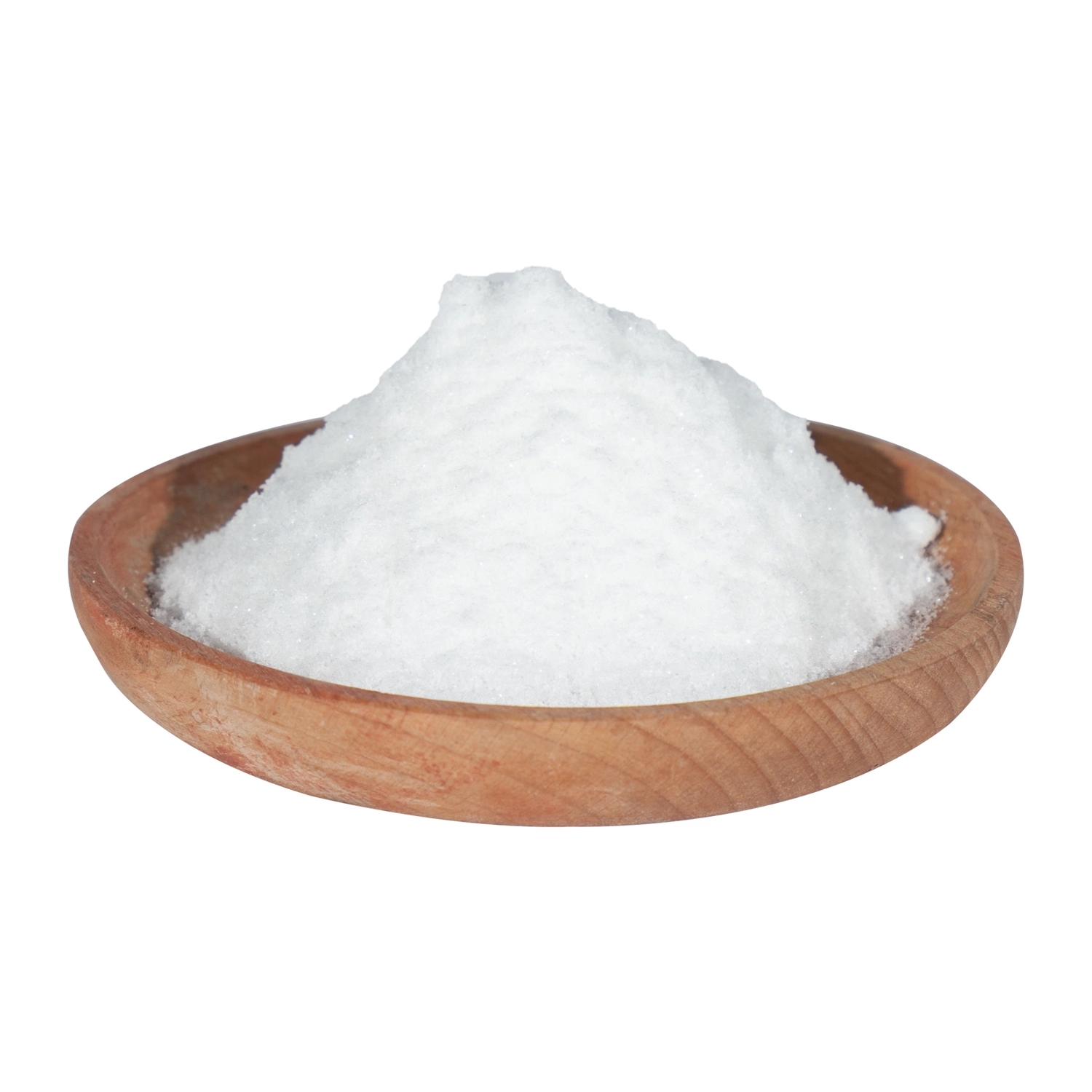
Product Name: Cytisine 98%
CAS NO.: 485-35-8
Molecular formula: C11H14N20
Molecular weight: 190.24
Specification content: 98%(HPLC)
Product Description: Diagonal Prism Powder
Physical properties: Melting point of 98-99 ℃, soluble in water, ethanol, methanol, insoluble in petroleum ether.
MOQ: 500gG-1KG
Our Advantages: Scalable production capacity, strict quality control, cost efficiency from integrated factories, over 20 years of experience, advanced technology, and 24/7 after-sales support.
Certificaions: FSSC2000/ISO2000/HALAL/KOSHER/HACCP
Delivery terms: FedEx, DHL, EMS, UPS, TNT, all kinds of the airline, international shipping companies.
Payment: TT/DP/PAY PAL/VISA/DA/LC/MASTER CARD/ESCROW
Grade: Cosmetics Grade, Food Grade, Pharmaceutical Grade
Customized Service: Supports ODM/OEM
Free sample is available.
We do not sell retail quantities to individuals.
Introduction
More and more, B2B sourcing teams in the pharmaceutical and nutritional industries need products that help people quit smoking that are also effective, cheap, and backed by science. Cytisine is a natural alkaloid that has been used in Eastern European medicine for more than 50 years. It is getting more and more attention from North American study institutions and health program creators.
Managers in charge of buying things need ingredients that are safe, work well in clinical trials, and don't cost too much. Plant-based options to manmade drugs are becoming more popular in corporate health programs. This study looks at Cytisine's chemical process, clinical data, and sourcing issues to help B2B buyers choose sources, judge product quality, and make smart buying choices.
Understanding Cytisine and Its Role in Smoking Cessation
Natural Origin and Chemical Profile
Cytisine is mostly taken from the Golden Rain tree (Laburnum anagyroides) and the Sophora alopecuroides plant, which can both grow in mild regions. It has the same molecular formula as nicotine (C₁H₁N₂O) and the same molecular weight (190.24 g/mol). It is structurally similar to nicotine, which means it can bind to the same brain receptors but has different effects on the body. Because of this structural overlap, Cytisine can bind to nicotinic acetylcholine receptors and help people quit smoking.
Pharmacological Mechanism and Receptor Binding
Cytisine works as a partial agonist at α4β2 nicotinic receptors, which are the main type of receptors involved in nicotine addiction. When cytisine links to these receptors, it releases a mild amount of dopamine—enough to ease the pain of withdrawal but not enough to make people want to keep using. At the same time, Cytisine stops nicotine from taking up these spots, which makes smoking less satisfying if a person gives in.
A 2014 randomized controlled trial published in the New England Journal of Medicine found Cytisine more effective than nicotine replacement therapy at 6-month follow-up [1]. A meta-analysis by Hajek et al. (2013) reported quit rates exceeding 25% at six months — significantly higher than placebo.
Clinical Benefits for B2B Applications
Clinical validation is important for companies that make medicines and nutraceuticals. The majority of studies published in European and North American journals have found Cytisine to be safe. The most common side effects were mild stomach pain and short-term sleep problems. Cytisine doesn't have as many effects on the central nervous system as varenicline, which has boxed warnings for mental events. This means that it can be used by a wider range of people. Because of this safety buffer, Cytisine is perfect for fitness programs for employees and business health projects.
Scientific Principles Behind Cytisine's Effectiveness
Neurochemical Modulation and Withdrawal Management
Withdrawing from nicotine affects many parts of the brain: dopamine signalling decreases, stress responses get stronger, and mood regulation gets worse. Cytisine deals with these changes by keeping the level of receptor stimulation steady. This stops the sudden drops in mood and anger that usually lead to return.
Due to its half-life of about 4.8 hours, the substance needs to be taken more than once a day during the first part of treatment. As brain paths return to normal, the number of doses needed decreases. This dose plan matches the natural time frame for healing, which helps with abstinence without the sudden problems that come with quitting all of a sudden.
Dopamine Pathway Stabilization
PET imaging tests show that when Cytisine is used at appropriate levels, it binds to about 70% of the α4β2 receptors that are available [4]. This occupancy level is just right—there are enough activated receptors to stop withdrawal symptoms while also leaving enough empty receptors to stop tolerance from building up. This stabilises dopamine signalling, which leads to fewer cravings, better mood control, and more focused thinking while trying to quit. These results are in line with what program managers for workplace health programs want from tools to help people quit.
Dosing Regimens and Safety Considerations
The standard Cytisine treatment protocol spans 25 days, beginning with higher doses (up to six tablets daily) and tapering as the patient progresses. Multiple randomized controlled trials have validated this structured regimen [1,2]. Over five decades of use in Eastern Europe, plus recent Western clinical studies, confirm minimal cardiovascular risk and low drug interaction potential — two factors procurement teams weigh heavily when evaluating ingredient profiles.
Evaluating Cytisine as a Strategic Solution in Your Procurement Portfolio
Market Availability and Sourcing Channels
When buying teams look at Cytisine providers, they should look at their production capacity, extraction technology, and facilities for quality control. Cytisine is still not as well known in North American markets as it is in Europe. This means that buyers who act quickly can form partnerships with suppliers before the competition gets tough. There are many choices for bulk buying, from pharmaceutical-grade makers that meet USP and EP standards to specialised plant extract sources that work with nutritional products.
Supplier Evaluation Criteria
Quality begins with raw resources. Reputable vendors maintain controlled cultivation agreements to maintain alkaloid content and reduce contamination. Final purity depends on extraction procedure. Pharmaceutical producers may obtain purity exceeding 99% using simulated moving bed (SMB) chromatography. ICH Q3C requires procurement teams to request COAs with ICP-MS heavy metal screening, HPLC verification, and residual solvent testing.
Jiayuan Bio-Tech's dynamic countercurrent extraction and ultrasonic-assisted technologies extract 30–50% better with less liquid than standard methods. Making objects that are constantly above 98% pure is feasible using SMB chromatography filtration. Buying advantages from these abilities include predictable batch quality, decreased contamination risk, and a continuous supply.
Implementation Considerations and Case Studies in the B2B Context
Corporate Wellness Integration
As more and more programs in Europe help people quit smoking, they are adding more and more products based on cytisine to those services. There are more people who are able to quit smoking with plant-based tools than with nicotine substitute alone. Each quit also costs less. Procurement managers should know about end-user application models when they buy things for health projects. These should include ways that ingredients get to people, ways to make sure that rules are followed, and ways to measure the effectiveness of ingredients.
Regulatory Status and Compliance Pathways
Cytisine's regulatory classification varies by region, creating complexity for cross-border procurement. In Europe, Cytisine is registered as a pharmaceutical substance with established market authorization. In North America, its classification depends on intended use and product claims: dietary supplement ingredients follow FDA dietary ingredient notification pathways, while pharmaceutical-grade materials require drug approval processes.
Jiayuan Bio-Tech provides comprehensive regulatory documentation — including GMP certificates, ISO certifications, and pharmacopoeia compliance verification — to streamline market entry in China, Europe, and the United States.
Future Trends and Innovations in Smoking Cessation with Cytisine
Emerging Research Directions
New research looks into ways to stop smoking that aren't usually thought of. They are working on modified-release forms of Cytisine that will lower the number of times you need to take a dose while keeping effective bloodstream levels. This will help people stop vaping. Researchers who buy Cytisine for clinical studies want to make sure they get pharmaceutical-grade material that comes with full analysis paperwork and the option to order different amounts to support test trials.
Plant-Based Ingredient Market Dynamics
Consumer preference for natural health products is reshaping procurement across pharmaceutical and nutraceutical industries. Cytisine’s plant origin positions it favorably for “clean label” product development. Market analyses project that plant-based smoking cessation ingredients will grow at over 8% annually through 2030, driven by wellness program expansion and progressive regulatory acceptance.
Strategic Procurement Recommendations
Business-to-business buyers who want to take advantage of the growth of the Cytisine market should work with producers who can show they have scalable production capacity and their own unique technology. Improvements to processes, like better crystallisation methods that boost output, give primary suppliers a competitive edge that is hard for secondary suppliers to copy. Flexible minimum order quantities, technology transfer clauses, and the ability to make custom derivative formulations all make procurement agreements stronger and speed up the time it takes to get a product on the market.
Jiayuan Bio-Tech benefits from being close to areas that produce raw materials and from regional biotech development programs that help keep costs down and supply stable. We sell materials that are pharmaceutical-grade (≥99% pure) and cosmetic-grade (≥95% pure), which are used for everything from skin study to making vitamin tablets.
Conclusion
Cytisine offers a scientifically validated, naturally derived solution for smoking cessation that meets critical market needs. Its receptor selectivity, favorable safety profile, and demonstrated clinical efficacy make it a strategic ingredient for pharmaceutical companies, nutraceutical manufacturers, and research institutions. Procurement teams evaluating Cytisine should look beyond unit price — assessing supplier quality systems, regulatory compliance infrastructure, and production scalability. The convergence of wellness program growth, plant-based ingredient demand, and robust clinical data creates strong market conditions for Cytisine across diverse product applications.
FAQ
1. What is the purity level required for pharmaceutical applications?
Pharmaceutical-grade Cytisine typically requires ≥99% purity, verified by HPLC analysis, with minimal related alkaloids and residual solvents. Through advanced chromatographic processing, Jiayuan Bio-Tech achieves and sustains purity above 98%, meeting USP and EP pharmacopoeia standards required for drug development applications.
2. How does cytisine compare in safety to varenicline?
Clinical evidence indicates that Cytisine produces fewer neuropsychiatric side effects than varenicline. The most commonly reported adverse effects are mild gastrointestinal symptoms and transient sleep disturbance. Decades of real-world use in Eastern Europe provide regulators and procurement risk assessments with substantial safety data.
3. What are the storage requirements for bulk shipments?
Bulk Cytisine should be stored in a cool, dry environment (ideally below 25°C) in its original sealed packaging. With proper storage, Jiayuan Bio-Tech’s nitrogen-flushed sealed packaging maintains stability for over three years, simplifying inventory management for procurement departments.
Partner with Jiayuan Bio-Tech for Premium Cytisine Supply
Jiayuan Bio-Tech delivers what procurement managers and wholesale buyers need in a Cytisine supplier: consistent quality, technical transparency, and responsive service. Our manufacturing infrastructure — including SMB chromatography and DCS-controlled extraction systems — meets pharmaceutical- and cosmetic-grade standards tailored to your product requirements.
B2B procurement involves complex challenges: quality control, regulatory documentation, logistics coordination, and cost management. We have structured our services to address each of these directly. Our integrated supply chain stabilizes pricing and ensures responsible sourcing. GMP and ISO certifications confirm compliance for market entry across North America, Europe, and Asia. Beyond standard products, we offer small-batch customization for new formulation development and derivative exploration, collaborating with your R&D team throughout.
Ready to evaluate Cytisine for your next product? Contact our procurement team at sales@jayuanbio.com or sales1@jayuanbio.com to request a COA, discuss sourcing requirements, or arrange a sample evaluation. Whether you need bulk pharmaceutical API, nutraceutical-grade ingredients, or research quantities for lab use, our team provides fast response, competitive pricing, and the technical expertise to support your success.
References
1. Walker, N., Howe, C., Glover, M., McRobbie, H., Barnes, J., Nosa, V., Parag, V., Bassett, B., & Bullen, C. (2014). Cytisine versus nicotine for smoking cessation: A randomized controlled trial. New England Journal of Medicine, 371(25), 2353-2362.
2. West, R., Zatonski, W., Cedzynska, M., Lewandowska, D., Pazik, J., Aveyard, P., & Stapleton, J. (2011). Placebo-controlled trial of cytisine for smoking cessation. New England Journal of Medicine, 365(13), 1193-1200.
3. Hajek, P., McRobbie, H., & Myers, K. (2013). Efficacy of cytisine in helping smokers quit: Systematic review and meta-analysis. Thorax, 68(11), 1037-1042.
4. Tutka, P., & Zatonski, W. (2006). Cytisine for the treatment of nicotine addiction: From a molecule to therapeutic efficacy. Pharmacological Reports, 58(6), 777798.
5. Rüther, T., Bobes, J., De Hert, M., Svensson, T. H., Mann, K., Batra, A., Gorwood, P., & Möller, H. J. (2014). EPA guidance on tobacco dependence and strategies for smoking cessation in people with mental illness. European Psychiatry, 29(2), 65-82.
6. Cahill, K., Lindson-Hawley, N., Thomas, K. H., Fanshawe, T. R., & Lancaster, T. (2016). Nicotine receptor partial agonists for smoking cessation. Cochrane Database of Systematic Reviews, Issue 5, CD006103.