
Key Considerations When Choosing Between Pterostilbene and Astaxanthin
There are a number of considerations that must be carefully considered when deciding between astaxanthin and pterostilbene bulk powder when creating nutraceutical goods or conducting research. Bioavailability, source materials, uses, and production factors are where the two compounds diverge considerably, despite the fact that they each have unique antioxidant capabilities and health advantages. Making educated selections that are in line with their particular product aims and target audiences requires an understanding of these basic distinctions, which pharmaceutical businesses, supplement makers, and research institutes may achieve.
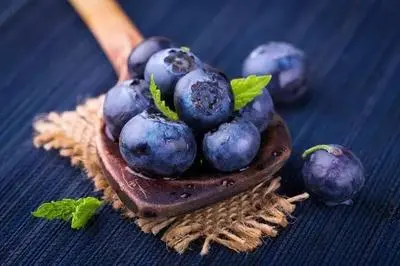
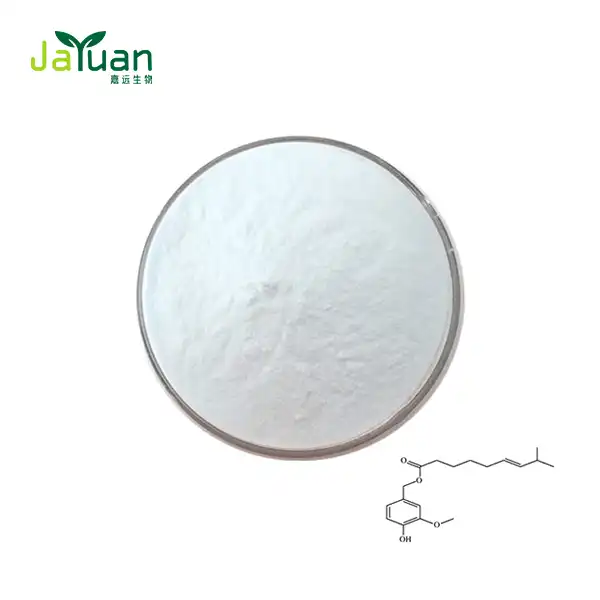
Product Name: Pterostilbene powder
Molecular formula: C₁₆H₁₆O₃
Molecular weight: 256.30 g/mol
CAS number: 537-42-8
Appearance: White to light yellow powder
Purity: usually 98%~99%
Detection method: HPLC detection
Melting point: approximately 89~92 ° C
Water solubility: extremely slightly soluble (requires co solvents such as DMSO or ethanol)
Fat solubility: Easily soluble in organic solvents such as ethanol, DMSO, and propylene glycol
Photosensitivity: Sensitive to light, it is recommended to store in the dark (brown glass bottle or aluminum foil packaging)
Temperature: It is recommended to store at 2-8 ° C (long-term storage) or room temperature for short-term storage
Oxidation: needs to be sealed to avoid oxidation
MOQ: 500G-1KG
Inventory: in stock
Customized service: Support adjusting purity according to customer needs.
GMP standard production lines.
Payment: TT/DP/PAY PAL/VISA/DA/LC/MASTER CARD/ESCROW
Certificaions: FSSC2000/ISO2000/HALAL/KOSHER/HACCP
Delivery terms: FedEx, DHL, EMS, UPS, TNT, all kinds of the airline, international shipping companies.
Free sample is available.
We do not sell retail quantities to individuals.
Understanding the Core Differences Between These Natural Compounds
Distinct Compound Classifications
Pterostilbene and astaxanthin speak to two distinctive categories of bioactive compounds. Pterostilbene has a place in the stilbene family and is closely related to resveratrol but offers upgraded bioavailability. Actually found in blueberries and grapes, this polyphenol gives prevalent retention compared to its well-known partner. Astaxanthin, in differentiate, is a carotenoid responsible for the pink coloration of salmon, shrimp, and flamingos. Investigate highlights its solid capacity to cross the blood-brain boundary, making it profitable for neuroprotection.
Key Mechanistic Differences
Three center qualifications isolated these compounds. Their chemical structures and soundness characteristics contrast altogether. Their bioavailability components shift between fat-soluble and water-soluble pathways. Their target applications are moreover separate, with each compound affecting distinctive physiological frameworks based on its atomic properties and retention dynamics.
Application-Driven Selection
For enhanced cognitive function support, pterostilbene bulk powder has shown superior performance in clinical studies. For comprehensive skin health and eye protection benefits, astaxanthin is the more suitable choice. Formulators typically select between these compounds based on specific product goals and desired biological outcomes.
Bioavailability and Absorption Characteristics Analysis
Bioavailability speaks to a pivotal calculation when selecting between these compounds. Pterostilbene shows exceptional verbal bioavailability, with pondering appearing assimilation rates coming to 95% within two hours of consumption. This upgraded assimilation stems from its dimethylated structure, which increments lipophilicity compared to resveratrol.
Laboratory testing uncovers that pterostilbene maintains steady blood plasma levels for expanded periods. Crest concentrations happen around 1-2 hours post-administration, with distinguishable levels enduring for 24-48 hours. These characteristics make pterostilbene perfect for once-daily supplement formulations.
Astaxanthin requires diverse retention considerations. Being a fat-soluble carotenoid, it requires lipid carriers for ideal uptake. Inquire about shhowstaxanthin bioavailability moves forward altogether when consumed with dietary fats or defined with specialized conveyance systems.
| Parameter | Pterostilbene | Astaxanthin |
|---|---|---|
| Absorption Rate | 95% within 2 hours | 40-60% with lipids |
| Peak Plasma Time | 1-2 hours | 3-4 hours |
| Half-life | 24-48 hours | 16-24 hours |
| Solubility | Lipophilic | Fat-soluble only |
If you require quick onset impacts with maintained discharge characteristics, pterostilbene offers prevalent pharmacokinetic focal points. Then again, if you require focused on conveyance to particular tissues like retinal cells, astaxanthin's interesting delivery design serves better.
Manufacturing and Quality Control Considerations
Extraction and Processing Requirements
Production complexity contrasts enormously between these two common compounds. Pterostilbene extraction ordinarily depends on specialized chromatographic refinement, with progressed producers utilizing re-enacted moving bed chromatography to achieve purity levels over 98%. It's great warm steadiness permits it to keep up power amid standard fabricating conditions, whereas quality control centers on overseeing dampness content and avoiding oxidative corruption. In differentiate, astaxanthin requires more thorough dealing with due to its extraordinary oxygen sensitivity, making nitrogen atmosphere preparation essential to protect its structure. Light presentation quickly degrades astaxanthin, requiring controlled brightening and golden bundling all through production.
Stability, Packaging, and Quality Considerations
Key manufacturing considerations revolve around extraction efficiency and solvent recovery systems, which influence production scalability. Stability testing under varied environmental conditions ensures that both compounds retain their bioactivity throughout storage and transport. Packaging requirements differ significantly, with pterostilbene needing only standard protective measures, while astaxanthin demands specialized containers to block oxygen and light. Analytical testing methods for purity verification—such as HPLC, spectrophotometry, and oxidative stability assays—remain crucial for both. If streamlined production with minimal special handling is preferred, pterostilbene bulk powder provides clear operational advantages. However, astaxanthin justifies its added complexity by offering highly potent antioxidant properties.
Application-Specific Benefits and Target Markets
Broad Health and Cognitive Support Markets
Market applications contrast significantly between these compounds. Pterostilbene exceeds expectations in cardiovascular wellbeing definitions due to its positive impacts on lipid profiles and blood sugar control, supporting digestive system improvement and life span advancement. Clinical considers moreover highlight important cognitive benefits, as the compound viably crosses the blood-brain boundary to bolster memory formation and mental clarity. These traits make pterostilbene well-suited for maturing population supplements and nootropic items that target different physiological systems.
Specialized Antioxidant and Performance Markets
Astaxanthin overwhelms skin wellbeing and restorative applications, with its capacity to amass in skin tissues and secure against UV-induced harm. Producers in the excellence industry progressively consolidate it into anti-aging and sun protection items. Sports nutrition speaks to another center application, as research illustrates decreased exercise-induced oxidative stress and faster recovery times, contributing to better endurance and lower muscle fatigue. Target's advertisement investigation suggests that pterostilbene improves cardiovascular health, cognitive function, and metabolism, whereas astaxanthin centers on skin health, eye health, sports execution, and joint comfort.
Cost Analysis and Supply Chain Factors
Cost Structures and Supply Chain Reliability
Economic contemplations play a central part in compound choice. Pterostilbene generation costs depend on crude fabric accessibility and extraction complexity, with blueberry-derived fabric commanding premium costs due to restricted normal sources, whereas engineered choices diminish by and large taken a toll. Supply chain soundness moreover favors pterostilbene, as different botanical sources and engineered pathways minimize supply dangers. A built-up fabricating base guarantees reliable accessibility and competitively priced structures, supporting long-term acquisition planning.
Premium Market Dynamics and Investment Factors
Astaxanthin markets operate under different economic conditions. Natural astaxanthin from algae cultivation requires specialized production facilities and controlled environmental systems, contributing to higher costs and potential supply variability. Key investment considerations include raw material sourcing reliability, price fluctuations, manufacturing equipment needs, operational expenses, quality testing requirements, regulatory compliance costs, and packaging infrastructure. For cost-effective solutions with stable supply chains, pterostilbene bulk powder provides economic advantages, while astaxanthin suits premium segments where enhanced efficacy justifies higher investment.
Regulatory Landscape and Safety Profiles
Regulatory Recognition and Safety Validation
Regulatory endorsement status varies across locales for both compounds. Pterostilbene benefits from GRAS assignment in the United States, supporting its utilization in foods and supplements, whereas European scientists allow it under novel food regulations with characterized usage limits. Security thinks about reliably appearing great resilience, with clinical information showing negligible antagonistic impacts at standard measurements and solid support for long-term utilization security. Astaxanthin also maintains strong worldwide security qualifications, supported by broad toxicology research affirming non-toxicity even at higher doses. Its long-standing acknowledgment in Japan for nourishment coloring applications assists in fortifying administrative confidence.
Compliance Requirements and Market Entry Pathways
Regulatory contemplations cover affirmed measurement ranges, labeling rules, health claim limitations, and documentation required for consequence and trade activities. Compliance with Great Fabricating Hone guidelines remains fundamental for both fixings to guarantee item quality and administrative acknowledgment. For companies looking for direct administrative pathways built on well-established points of reference, pterostilbene offers a smoother showcase passage. In differentiation, markets with particular carotenoid recognition give solid support for astaxanthin, making it a dependable choice where established carotenoid systems currently exist.
Conclusion
Choosing between pterostilbene and astaxanthin depends on particular application prerequisites, target markets, and manufacturing considerations. Pterostilbene offers predominant bioavailability, broader wellbeing applications, and streamlined generation forms, making it perfect for cardiovascular and cognitive wellbeing details. Astaxanthin gives specialized antioxidant security for skin, eye, and joint wellbeing applications, legitimizing its higher generation complexity.
Both compounds keep up amazing security profiles and administrative acknowledgment over major markets. Financial components favor pterostilbene for cost-sensitive applications, whereas astaxanthin commands a premium, situating in specialized wellbeing divisions. Effective item advancement requires joining forces with experienced producers who understand these subtleties and give steady, high-quality materials that meet advancing market demands.
Partner with Jiayuan Bio-Tech for Premium Pterostilbene Bulk Powder Supply
Selecting the right pterostilbene bulk powder supplier requires evaluating manufacturing expertise, quality systems, and technical support capabilities. Jiayuan Bio-Tech stands as a leading manufacturer specializing in high-purity natural plant extracts with advanced production technologies.
Our technological advantages include dynamic countercurrent extraction processes that achieve 30%-50% higher efficiency than traditional methods. The sophisticated chromatographic purification system maintains stable purity levels above 98% through continuous production capabilities. Automated DCS control systems precisely regulate critical parameters, ensuring exceptional batch consistency.
Quality assurance extends beyond production through dual testing protocols. Online monitoring using near-infrared spectroscopy provides real-time concentration tracking, while offline HPLC and GC-MS analysis confirms compliance with EP/USP pharmacopoeia standards. GMP and ISO 13485 certifications validate our commitment to meeting international quality requirements.
Cost advantages stem from comprehensive raw material utilization and advanced solvent recovery systems. Our multi-effect evaporator achieves ≥90% ethanol recovery rates, significantly reducing production costs. Scale efficiencies from our 10-ton annual production capacity deliver unit costs 40%-60% lower than smaller operations.
Environmental responsibility guides our operations through MVR evaporation crystallization technology, achieving zero liquid discharge. Waste residue composting returns nutrients to agricultural systems, demonstrating our commitment to sustainable manufacturing practices.
Customization capabilities support diverse client requirements from pharmaceutical-grade (≥99%) to cosmetic-grade (≥95%) specifications. Small-batch production accommodates research institutions and specialty applications while maintaining the same quality standards as large-scale manufacturing.
Ready to discuss your pterostilbene bulk powder requirements? Our technical team provides comprehensive support from formulation guidance to regulatory documentation assistance. Contact us at sales@jayuanbio.com and sales1@jayuanbio.com to explore how Jiayuan Bio-Tech can support your next project with reliable, high-quality natural compound solutions.
References
1. McCormack, D., & McFadden, D. (2013). A review of pterostilbene antioxidant activity and disease modification. Oxidative Medicine and Cellular Longevity, 575482.
2. Higuera-Ciapara, I., Félix-Valenzuela, L., & Goycoolea, F. M. (2006). Astaxanthin: a review of its chemistry and applications. Critical Reviews in Food Science and Nutrition, 46(2), 185-196.
3. Rimando, A. M., Kalt, W., Magee, J. B., Dewey, J., & Ballington, J. R. (2004). Resveratrol, pterostilbene, and piceatannol in Vaccinium berries. Journal of Agricultural and Food Chemistry, 52(15), 4713-4719.
4. Hussein, G., Sankawa, U., Goto, H., Matsumoto, K., & Watanabe, H. (2006). Astaxanthin, a carotenoid with potential in human health and nutrition. Journal of Natural Products, 69(3), 443-449.
5. Kapetanovic, I. M., Muzzio, M., Huang, Z., Thompson, T. N., & McCormick, D. L. (2011). Pharmacokinetics, oral bioavailability, and metabolic profile of resveratrol and its dimethylether analog, pterostilbene, in rats. Cancer Chemoprevention Research, 4(1), 38-51.
6. Ambati, R. R., Phang, S. M., Ravi, S., & Aswathanarayana, R. G. (2014). Astaxanthin: sources, extraction, stability, biological activities, and its commercial applications. Marine Drugs, 12(1), 128-152.