
Top differences between diosgenin powder and other saponins
In the world of plant-based compounds, saponins play a crucial role in various health and wellness applications. Among these, diosgenin powder stands out as a unique and potent steroidal saponin with distinct characteristics. This article delves into the key differences between diosgenin and other saponins, highlighting why diosgenin has become a preferred choice for many formulators and health enthusiasts.

Botanical source: yam
Part of used: Rhizomes
Specs Available: ≥98% HPLC
Melting Point: ≥195℃(95%)
Appearance: White Powder
CAS NO.: 512-04-9
Molecular Weight: 414.63
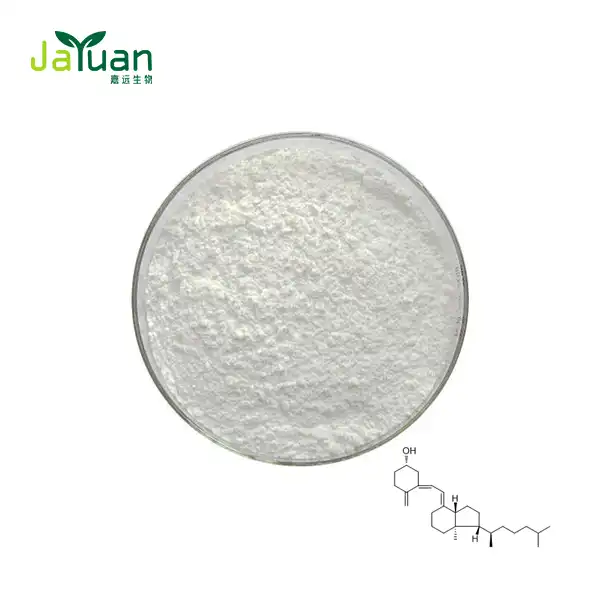
Molecular Formula: C27H42O3
MOQ: 500G-1KG
Inventory: in stock
Customized service: Support adjusting purity (95%-98%) according to customer needs
GMP standard production lines.
Payment: 100% TT in advance
Certificaions: FSSC2000/ISO2000/HALAL/KOSHER/HACCP
Delivery terms: FedEx, DHL, EMS, UPS, TNT, all kinds of the airline, international shipping companies.
Free sample is available.
We do not sell retail quantities to individuals.
Diosgenin vs. Tribulus Terrestris: Sourcing and Primary Uses
When comparing diosgenin to other saponins, it's essential to understand their origins and primary applications. Diosgenin, primarily derived from wild yam (Dioscorea species) and fenugreek seeds, has a rich history in traditional medicine and modern nutraceutical formulations. On the other hand, Tribulus terrestris, another popular saponin source, comes from a small leafy plant known by various names, including puncture vine and goat's head.
Sourcing Differences
Diosgenin is predominantly extracted from wild yam roots and fenugreek seeds through sophisticated processes that ensure high purity and potency. The extraction methods often involve advanced technologies such as ultrasonic-assisted extraction or dynamic countercurrent extraction, which yield a more concentrated and bioavailable form of the compound.
Tribulus terrestris extracts, while also derived from plant sources, typically come from the aerial parts of the plant, including leaves and fruits. The extraction process for Tribulus may be less complex, potentially resulting in a broader spectrum of compounds in the final product.
Primary Uses and Applications
Diosgenin powder is valued for its potential to support hormonal balance, particularly in promoting healthy levels of progesterone and DHEA (dehydroepiandrosterone). Its molecular structure resembles that of human hormones, making it a popular choice in formulations aimed at supporting women's health, including menopause and fertility support supplements.
Tribulus terrestris, conversely, is often marketed for its purported ability to enhance athletic performance and libido. While both compounds fall under the saponin category, their specific applications in health and wellness products can differ significantly based on their unique properties and the body of research supporting their use.
Chemical Structure Comparison: Diosgenin vs. Other Steroidal Saponins
Understanding the chemical structure of diosgenin and how it compares to other steroidal saponins is crucial for appreciating its unique properties and potential benefits. This structural analysis provides insight into why diosgenin stands out among its saponin counterparts.
Molecular Composition of Diosgenin
Diosgenin (C27H42O3) is a spiroketal steroidal sapogenin characterized by its unique chemical structure. It features a steroid nucleus with a spiro ring system at C-22, giving it distinct properties compared to other saponins. This specific arrangement contributes to diosgenin's ability to interact with various biological systems in the human body.
Structural Differences from Other Saponins
While diosgenin shares some similarities with other steroidal saponins, several key differences set it apart:
- Spiro Ring System: The presence of a spiro ring at C-22 is a defining feature of diosgenin, not commonly found in all steroidal saponins.
- Hydroxyl Group Positioning: Diosgenin has a specific arrangement of hydroxyl groups that influences its solubility and bioavailability.
- Glycosidic Linkages: Unlike some saponins that exist primarily as glycosides, diosgenin is often found in its aglycone form, which can affect its absorption and metabolism in the body.
These structural nuances contribute to diosgenin's unique pharmacological profile, potentially explaining its specific effects on hormone synthesis and metabolism compared to other saponins.
Functional Differences in Hormonal Support and Bioactivity
The functional differences between diosgenin powder and other saponins become particularly evident when examining their roles in hormonal support and overall bioactivity. These distinctions are crucial for formulators and consumers seeking specific health benefits from saponin-based supplements.
Hormonal Support Mechanisms
Diosgenin's structural similarity to steroid hormones gives it a unique advantage in supporting hormonal balance. Research suggests that diosgenin may act as a precursor to various steroid hormones, potentially supporting the body's natural hormone production processes. This is particularly relevant for supporting healthy progesterone levels, which can be beneficial for women's health issues related to menstrual cycles and menopause.
Other saponins, while potentially beneficial for overall health, may not have the same direct impact on hormone synthesis. For instance, saponins from Tribulus terrestris are often associated with potential testosterone support, but the mechanisms and efficacy are less clear and may involve indirect pathways.
Bioactivity and Cellular Interactions
Diosgenin's bioactivity extends beyond hormonal support. Studies have indicated its potential in supporting:
- Healthy inflammation response
- Antioxidant activity
- Cellular health and regeneration
These properties stem from diosgenin's ability to interact with various cellular receptors and signaling pathways, which may differ from other saponins. For example, while some saponins primarily act on the gut or have limited systemic absorption, diosgenin's structure allows for better absorption and distribution throughout the body, potentially leading to more widespread effects.
Comparing Safety Profiles and Potential Side Effects
When evaluating the differences between diosgenin and other saponins, it's crucial to consider their respective safety profiles and potential side effects. This comparison is essential for formulators and consumers alike in making informed decisions about supplement ingredients.
Diosgenin's Safety Profile
Diosgenin powder, when used appropriately, has demonstrated a favorable safety profile in numerous studies. Its long history of use in traditional medicine and modern supplementation provides a substantial body of evidence supporting its safety. Key points include:
- Low toxicity: Research indicates that diosgenin has low toxicity levels when used within recommended dosages.
- Minimal side effects: Most users report few to no side effects, with any reported effects typically being mild and transient.
- Non-hormonal nature: Unlike some hormone-mimicking compounds, diosgenin itself is not a hormone, which can reduce the risk of hormonal imbalances when used correctly.
Safety Considerations for Other Saponins
Other saponins, while generally considered safe, may have varying safety profiles depending on their specific type and source. For instance:
- Some saponins may cause gastrointestinal discomfort in sensitive individuals due to their effects on membrane permeability.
- Certain saponins, particularly those with strong hemolytic activity, may require more careful dosing to avoid potential side effects.
- The safety profile of some plant-based saponins can be less extensively studied compared to diosgenin, particularly in terms of long-term use.
It's important to note that while both diosgenin and other saponins are generally well-tolerated, individual responses can vary. Consulting with a healthcare professional before starting any new supplement regimen is always recommended.
Why Formulators Choose Diosgenin Over Other Saponin Extracts
The preference for diosgenin powder among formulators is not arbitrary. Several key factors contribute to its popularity in supplement and nutraceutical formulations, setting it apart from other saponin extracts.
Purity and Standardization
One of the primary reasons formulators opt for diosgenin is the ability to achieve high levels of purity and standardization. Advanced extraction and purification techniques allow for the production of diosgenin with consistently high purity levels, often exceeding 98%. This level of standardization is crucial for:
- Ensuring consistent potency across batches
- Enabling precise dosing in formulations
- Facilitating more accurate research and clinical studies
In contrast, some other saponin extracts may have more variability in their composition, making standardization more challenging.
Versatility in Formulations
Diosgenin's unique chemical properties make it highly versatile in various formulation types. It can be easily incorporated into:
- Capsules and tablets
- Powdered drink mixes
- Topical creams and gels
This versatility allows formulators to create a wide range of products targeting different health benefits and consumer preferences.
Synergistic Potential
Formulators appreciate diosgenin's ability to work synergistically with other ingredients. Its potential to support hormonal balance and overall wellness makes it an excellent complement to various herbal extracts and nutrients in comprehensive health formulations.
Conclusion
In conclusion, the differences between diosgenin powder and other saponins are significant and multifaceted. From its unique chemical structure and sourcing to its specific functional benefits and safety profile, diosgenin stands out as a versatile and potent compound in the world of plant-based supplements.
Its ability to support hormonal balance, coupled with its high purity and standardization potential, makes it a preferred choice for many formulators. While other saponins certainly have their place in health and wellness applications, diosgenin's specific attributes often make it the go-to option for those seeking targeted hormonal support and overall wellness benefits.
As research continues to evolve, the unique properties of diosgenin are likely to be further elucidated, potentially opening up new avenues for its application in health and wellness products. For consumers and health professionals alike, understanding these differences is key to making informed decisions about supplement choices and formulations.
FAQ
1. How does diosgenin differ from other steroidal saponins in terms of hormonal support?
Diosgenin's unique chemical structure allows it to act as a precursor to various steroid hormones, particularly supporting healthy progesterone levels. This specific hormonal support mechanism is not typically found in other steroidal saponins, making diosgenin particularly valuable for women's health formulations.
2. Are there any safety concerns specific to diosgenin compared to other saponins?
Diosgenin generally has a favorable safety profile when used as directed. Unlike some other saponins that may cause gastrointestinal discomfort, diosgenin is typically well-tolerated. However, as with any supplement, it's important to consult with a healthcare professional before use, especially for individuals with hormone-sensitive conditions.
3. Why do formulators often prefer diosgenin over other saponin extracts?
Formulators often choose diosgenin for its high purity and standardization potential, which allows for consistent potency and precise dosing in supplements. Its versatility in various formulation types and potential synergistic effects with other ingredients also make it a preferred choice in many health and wellness products.
Experience the Diosgenin Difference with Jayuan Bio
At Jayuan Bio, we pride ourselves on delivering premium diosgenin powder that stands out in quality and efficacy. Our advanced extraction techniques and rigorous quality control ensure a product of unparalleled purity and potency. Whether you're a formulator seeking the best ingredients for your next breakthrough product or a brand looking to elevate your supplement line, our diosgenin powder offers the perfect solution. Experience the Jayuan Bio difference – where cutting-edge science meets nature's potential.
Ready to transform your products with high-quality diosgenin? Contact our expert team today at sales@jayuanbio.com or sales1@jayuanbio.com to discuss your needs and discover how our premium diosgenin powder can take your formulations to the next level. As a leading diosgenin powder supplier, we're committed to your success.
References
1. Chen, Y., et al. (2015). "Diosgenin, a Steroidal Saponin, Inhibits STAT3 Signaling Pathway Leading to Suppression of Proliferation and Chemosensitization of Human Hepatocellular Carcinoma Cells." Biochemical Pharmacology, 101, 71-82.
2. Jesus, M., et al. (2016). "Diosgenin: Recent Highlights on Pharmacology and Analytical Methodology." Journal of Analytical Methods in Chemistry, 2016, 4156293.
3. Patel, K., et al. (2012). "A review on pharmacological and analytical aspects of diosgenin: a concise report." Natural Products and Bioprospecting, 2(2), 46-52.
4. Raju, J., & Rao, C. V. (2012). "Diosgenin, a Steroid Saponin Constituent of Yams and Fenugreek: Emerging Evidence for Applications in Medicine." In Bioactive Compounds in Phytomedicine. IntechOpen.
5. Sethi, G., et al. (2018). "Multifaceted roles of diosgenin in cancer therapy: mechanisms of action and implications for pharmacology." Medicinal Research Reviews, 38(6), 2243-2285.
6. Yan, L. L., et al. (2009). "Diosgenin, a novel STAT3 inhibitor, suppresses proliferation, invasion and migration of human hepatocellular carcinoma cells." Acta Pharmacologica Sinica, 30(11), 1571-1578.