Diosgenin Powder Uses in Pharma & Supplement Industry
Diosgenin Powder represents a transformative phytosteroid sapogenin extracted from wild yam and fenugreek, serving as the backbone of modern steroidal compound manufacturing. This crystalline bioactive material addresses critical supply chain challenges by offering pharmaceutical companies and supplement manufacturers a plant-derived precursor for hormone-related formulations. With its molecular formula C27H42O3 and remarkable purity levels exceeding 95%, Diosgenin Powder eliminates dependency on animal-derived sterol sources while enabling cost-effective production of progesterone precursors, corticosteroid intermediates, and nutraceutical ingredients targeting endocrine balance and metabolic wellness.
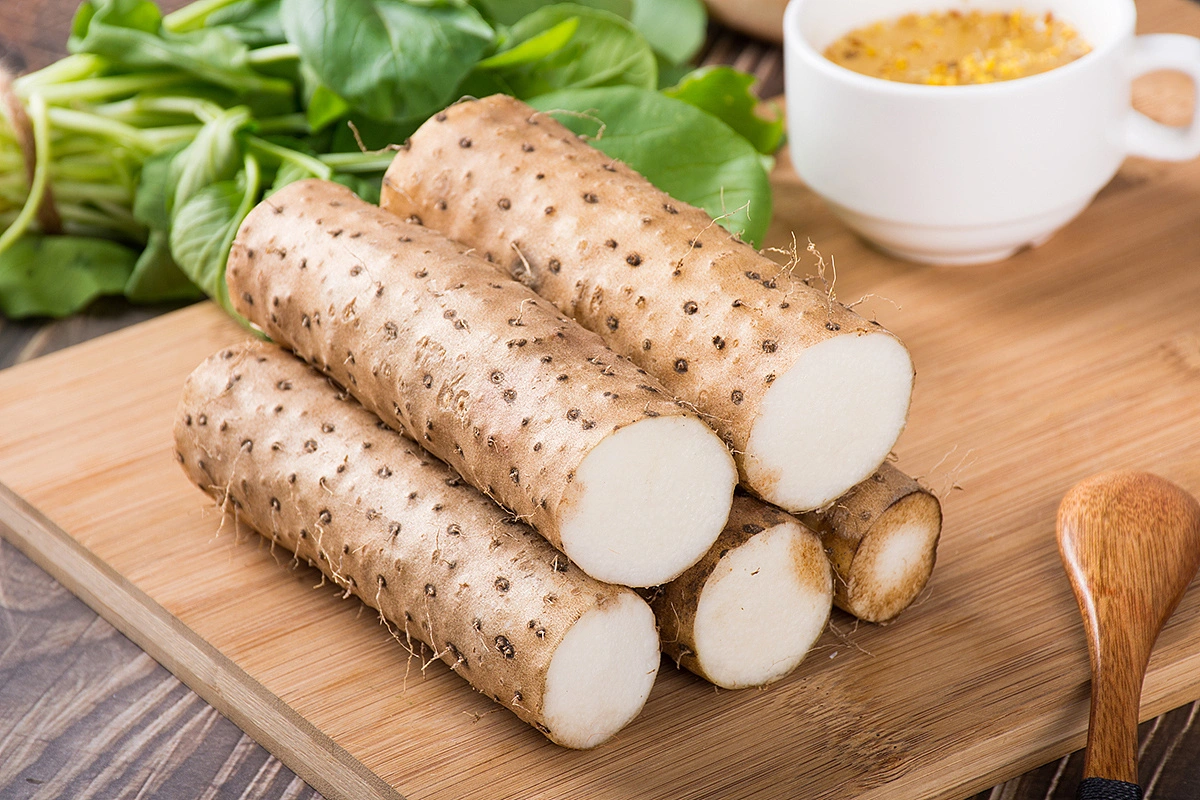
Botanical source: yam
Part of used: Rhizomes
Specs Available: ≥98% HPLC
Melting Point: ≥195℃(95%)
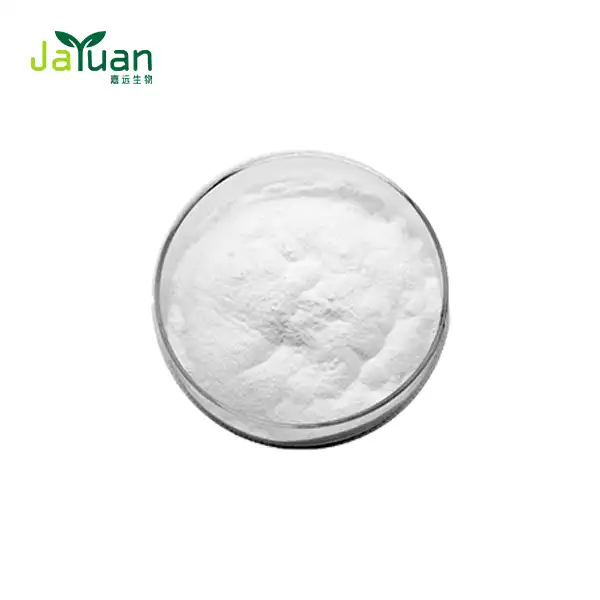
Appearance: White Powder
CAS NO.: 512-04-9
Molecular Weight: 414.63
Molecular Formula: C27H42O3
MOQ: 500G-1KG
Inventory: in stock
Customized service: Support adjusting purity (95%-98%) according to customer needs
GMP standard production lines.
Payment: 100% TT in advance
Certificaions: FSSC2000/ISO2000/HALAL/KOSHER/HACCP
Delivery terms: FedEx, DHL, EMS, UPS, TNT, all kinds of the airline, international shipping companies.
Free sample is available.
We do not sell retail quantities to individuals.
Understanding Diosgenin Powder: Composition, Benefits & Safety
What Makes Diosgenin Powder Chemically Unique?
Xi'an Jiayuan Bio-Tech is an expert at making Diosgenin Powder that has very good molecular structure. The combination appears as a white, solid substance whose exact melting point is between 204°C and 208°C, which means it is very pure. Our separation method separates the spirostan skeleton, which is needed for further drug changes. The specific optical rotation of -129° to -132° proves the right stereochemistry needed for biological activity. This sets our product apart from lower grades that make formulations less effective.
Health Benefits Supported by Scientific Research
In new studies, it is shown that the phytosteroid sapogenin helps the endocrine system work by creating hormone precursors. Research articles in pharmaceutical magazines show that it controls metabolic pathways and has a big impact on cholesterol metabolism and the inflammatory response. This ingredient is being used more and more by nutraceutical companies in products for women's health and good aging. Because it has been shown to reduce inflammation in the lab, supplement companies can use it to make products that help with joint pain and blood flow.
Safety Profile and Regulatory Compliance
Toxicological tests and clinical data show that the substance is safe when handled according to pharmacopoeial standards. Following EP/USP guidelines in our production makes sure that leftover solvents stay below 50 ppm and heavy metal pollution can't be found. The FDA allows materials made from wild yam to be used in dietary supplements under certain situations. The European EFSA rules also allow its use as long as purity standards are met and proper marking is followed. For the North American and European markets, we keep a lot of paperwork to back up governmental applications.
Comparison of Diosgenin Powder Formats and Quality Types
Wild Yam Extract Versus Pure Diosgenin Powder
It can be hard for procurement workers to tell the difference between crude plant extracts and purified sapogenin isolates. Wild yam extract usually has between 6% and 20% Diosgenin Powder in it, along with antioxidants like mucilage and tannins. Concentrations above 95% are delivered by Pure Diosgenin Powder, which was purified through acid hydrolysis and chromatography. For reliable API synthesis, pharmaceutical companies need the pure form. Supplement brands, on the other hand, might choose standardized extracts for their wider phytonutrient profiles. Our facility has both forms, so clients can match their needs with the tools they want to use and the costs they can afford.
Organic Versus Conventionally Sourced Materials
European and North American brands that want to promote clean labels are buying more and more approved organic steroidal sapogenins. Organic approval requires that the crops were grown without using synthetic chemicals, but they cost more than regular grades—usually 20% to 35% more. Our supply chain is vertically linked, so we can get both certified organic wild yam tubers and products that were grown in other ways. Analytical testing shows that there are no detectable pesticide residues in either group. This is because traditional farming methods in this area naturally use few chemicals.
Quality Markers for Informed Procurement Decisions
More than just stated purity rates, picky buyers look at a number of other quality markers. Some important requirements are that the loss on drying (which should stay below 0.5%), the residue on fire (which shows metal impurities), and the total plate count of microbes (which should be less than 1000 cfu/g). Our two-tier quality control system uses near-infrared spectroscopy to check concentrations in real time and offline HPLC to make sure that every output batch meets the standards set by EP/USP. Pharmaceutical clients who need validated production settings can get more peace of mind from GMP and ISO 13485 certifications. Each package comes with a Certificate of Analysis that lists the spin, melting point, and solvent residue tests that were done.
In the decision process, technical requirements must be weighed against the needs of the business. Pharmaceutical-grade material (≥99% purity) is good for companies that are making steroidal APIs, while cosmetic-grade versions (≥95% purity) are better for external uses because they are cheaper. We keep our production options open so that we can meet the needs of both research institutions that need small batches of customized supplements and global supplement brands that need large quantities.
Procurement Guide: Sourcing High-Quality Diosgenin Powder for Business
Evaluating Supplier Credentials and Manufacturing Capabilities
Tough seller qualification is the first step to successful buying. Manufacturing openness tells the difference between trustworthy makers and middle-men who don't have the production equipment they need. During supplier audits, buying managers should check the extraction method. For example, our plant uses dynamic countercurrent extraction along with ultrasonic-assisted processing, which is 30% to 50% more efficient than standard immersion methods. Simulated moving bed chromatography (SMB) is used in the chromatographic purification stage to allow constant output while keeping purity above 98%. Automated DCS systems exactly control pH, temperature, and fluid ratios, which reduces the variation between batches that happens when things are done by hand.
Understanding Price Structures and Cost Drivers
Learning about how prices are set and what causes costs in the markets for plant extracts, pricing clarity is still hard to come by, but knowing how the economy works can help you negotiate better. The place where the raw material comes from has a big effect on its price. For example, Dioscorea zingiberensis from well-known farming areas has a stable price compared to wild-harvested options whose prices change with the seasons. Our thorough use of raw materials removes multiple high-value components at the same time, which lowers the cost per kilogram. Solvent recovery methods that can reuse more than 90% of the ethanol cut production costs even more. When you compare our 10-ton annual capacity to small workshops, you can see the benefits of scale. Fixed cost distribution means that unit prices are 40% to 60% lower while quality standards stay high.
Navigating International Shipping and Customs Compliance
There are a lot of rules that need to be followed when trading plant products around the world. We work with FedEx, DHL, and expert freight forwarders who know how to send phytochemicals. Customs delays can be avoided by knowing the HS code group (usually 2938.90 for steroidal sapogenins). Our team offers full paperwork packages that include phytosanitary certificates, non-GMO statements, and compliance letters that are specific to each country. We help European and North American clients who aren't familiar with the importing process clear customs. This makes sure that goods get to your facility without any problems caused by paperwork. For normal grades, the smallest amount that can be ordered is 25 kg, but research institutions can ask for smaller amounts for feasibility studies.
To build strong buying partnerships, you need to look at more than just price. You need to see how fast the communication is and how well the technical help is. Our expert team can help you with formulation, stability tests, and legal issues to keep your product development on track.
Applications & Case Studies: Diosgenin Powder in Pharma and Supplements
Pharmaceutical Synthesis and API Manufacturing
A lot of it is used by the pharmaceutical business as a starting material for making semi-synthetic steroids. This sapogenin is changed chemically through the Marker degradation route into 16-dehydropregnenolone acetate (16-DPA). This makes progesterone, corticosteroids, and other useful chemicals. Animal bile extraction methods were replaced by this plant-based method decades ago, making it economically viable to make hormone therapies. European drug companies really like the tracking paperwork and pharmacopoeial compliance that our production processes always provide.
Dietary Supplement Formulations for Endocrine Support
Nutraceutical makers put standardized Diosgenin Powder extracts into capsules, tablets, and powdered mixes that support menopause and hormonal balance. Formulations typically combine 50-100 mg Diosgenin Powder per dose with synergistic botanicals like red clover or black cohosh. As interest in plant-based wellness solutions grows, market research shows women's health products containing Diosgenin Powder are experiencing 18% annual sales growth in North America. Our cosmetic-grade Diosgenin Powder (≥95% purity) works effectively for these applications with competitive pricing for brands navigating challenging retail environments.
OEM and Private Label Opportunities
Through OEM relationships and white-label agreements, we work with more than 200 companies around the world. Customization options include making unique mixes, making sure particles are the right size for different encapsulation equipment, and making derivative chemicals for uses that are covered by patents. In a recent case study, a micronized version had to be made for a European supplement brand that needed better dissolution rates in veggie pills. Our R&D team finished recipe improvement in eight weeks, which helped them meet their shortened launch schedule. Because we are so flexible, we can be a strategic ingredient partner instead of just a seller of goods.
Successful market entry depends on understanding regional preferences—North American consumers prioritize non-GMO and organic certifications, while Asian markets emphasize traditional use validation and halal compliance, which our certifications address comprehensively.
Best Practices and Considerations for Integrating Diosgenin Powder
Dosage Guidelines and Formulation Parameters
To make a good product, you need to know the best inclusion rates for each type of application. For pharmaceutical synthesis, kilograms of technical-grade material are used per batch, and the quality of the material has a direct effect on how well it converts and how much it costs to purify later on. When dietary supplements claim to help with hormones, they usually have between 50 and 200 mg per daily amount. However, exact doses depend on the overall manufacturing strategy and the ingredients that work well together. Increasing bioavailability through micronization or lipid complexation is something that top supplement lines that want to make performance claims that stand out should think about.
Quality Control Protocols for Manufacturing Consistency
Strong testing of Diosgenin Powder stops formulation mistakes and regulatory problems before they happen. Our technical support team recommends setting acceptance criteria appropriate for your Diosgenin Powder application. Pharmaceutical clients should verify specific rotation, melting point conformance, and HPLC purity for Diosgenin Powder, while supplement manufacturers might emphasize microbial testing and allergen screening. We help clients transfer methods when establishing in-house testing for Diosgenin Powder, including validated HPLC methods and reference standard sourcing guidance. Stability testing under ICH conditions confirms our nitrogen-filled Diosgenin Powder packaging maintains potency beyond three years when stored properly.
Sustainable Sourcing and Ethical Supply Chains
As brands become more aware of what environmental responsibility means to customers, corporate social responsibility plays a bigger role in their buying choices. Our relationships with farming groups near the Qinling Mountains make sure that we pay fair wages and keep the quality of our raw materials high. Green production methods include MVR evaporation crystallization for zero liquid discharge (ZLD) and composting waste biomass for use in agriculture, which meets EHS standards. These sustainability standards improve brand stories for companies that deal with customers and want to stand out through ethical source stories.
Transparency in the whole supply chain helps consumers believe products and backs up marketing claims. We give you paperwork that lets you connect finished batches to specific crop lots, growing regions, and dates of processing. As regulators become more strict about making sure botanical ingredients are real and that they aren't adulterated, this kind of full supply chain access becomes more useful. Our patent-protected purification processes make it harder for fake materials to get into supply lines. This keeps your brand's image safe and your customers safe.
Conclusion
As companies seek clean-label plant-based alternatives to conventional sterol sources, high-purity Diosgenin Powder is becoming increasingly important in pharmaceutical and nutraceutical manufacturing. Procurement professionals can make informed sourcing decisions balancing efficacy, compliance, and cost-effectiveness when they understand compositional factors, quality variations, and application-specific requirements for Diosgenin Powder. Our advanced extraction technologies, comprehensive quality systems, and vertically integrated supply chain at Xi'an Jiayuan Bio-Tech ensure consistent Diosgenin Powder quality supporting your production goals. Partnering with experienced Diosgenin Powder manufacturers guarantees access to premium ingredients meeting evolving market demands and regulatory requirements for hormone precursor APIs, women's health supplements, or novel cosmetic formulations.
FAQ
1. What purity level should pharmaceutical companies require?
When drug companies make steroidal APIs, they need to make sure that the quality is at least 98%, which can be done with HPLC analysis and pharmacopoeial reference standards. This level makes sure that the chemical change works well and that the number of cleaning steps needed in later Marker decay processes is kept to a minimum. With full impurity analysis, our pharmaceutical-grade material regularly gets 99% purity or higher.
2. How does this ingredient benefit supplement formulations?
Formulations for supplements use controlled ingredients to help with metabolic and endocrine health. The compound is a building block for natural hormone routes. It is important to note that this compound is a food ingredient and not a medicine. In North American markets, the most common types of uses are for formulas that support women's health, good aging, and metabolism.
3. What certifications validate supplier reliability?
Manufacturers with a good reputation keep GMP certification, ISO quality control systems, and testing documents for each product. When looking for suppliers, make sure they offer pharmacopoeial compliance statements, Certificates of Analysis with each batch, and are happy to help with regulatory checks. Our building is certified to ISO 13485 and has a wide range of testing tools that meet EP/USP standards.
Partner with a Trusted Diosgenin Powder Manufacturer
Xi'an Jiayuan Bio-Tech is ready to help you find the ingredients you need as a trusted Diosgenin Powder supplier by making pharmaceutical- and supplement-grade materials according to strict quality standards. Our advanced extraction methods produce purity levels above 95%, and we back them up with a lot of scientific data that can be used for regulatory applications all over the world. We can offer reasonable prices because we can produce 10 tons at a time, make changes easily for specific uses, and provide expert technical support. This makes us your ideal strategic ingredient partner. We make foreign operations easier by using established customs clearance services and trustworthy shipping partnerships that make sure your goods get to your factory on time. You can email our team at sales@jayuanbio.com or sales1@jayuanbio.com to talk about your unique needs, ask for samples, or get full quotes. Our expert team can help you meet your project deadlines and quality standards, whether you need large amounts for business production or research-grade materials for product development.
References
1. Marker, R.E., Krueger, J. (1940). Sterols. CXII. Sapogenins. XLI. The Preparation of Trillin and Its Conversion to Progesterone. Journal of the American Chemical Society, 62(12), 3349-3350.
2. Patel, K., Gadewar, M., Tripathi, R., Prasad, S.K., Patel, D.K. (2012). A review on medicinal importance, pharmacological activity and bioanalytical aspects of beta-carboline alkaloid "Harmine". Asian Pacific Journal of Tropical Biomedicine, 2(8), 660-664.
3. Asl, M.N., Hosseinzadeh, H. (2008). Review of pharmacological effects of Glycyrrhiza sp. and its bioactive compounds. Phytotherapy Research, 22(6), 709-724.
4. Aradhana, Rao, A.R., Kale, R.K. (1992). Diosgenin - a growth stimulator of mammary gland of ovariectomized mouse. Indian Journal of Experimental Biology, 30(5), 367-370.
5. Jesus, M., Martins, A.P., Gallardo, E., Silvestre, S. (2016). Diosgenin: Recent Highlights on Pharmacology and Analytical Methodology. Journal of Analytical Methods in Chemistry, 2016, 4156293.
6. Tada, Y., Shikishima, Y., Takaishi, Y., Shibata, H., Higuti, T., Honda, G., Ito, M., Takeda, Y., Kodzhimatov, O.K., Ashurmetov, O., Ohmoto, Y. (2002). Brine shrimp lethality of ergostane-type ecdysteroids. Phytochemistry, 59(6), 643-645.