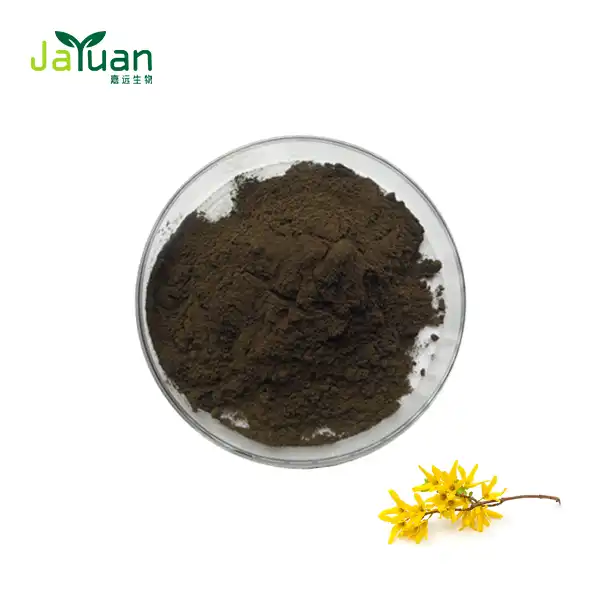

Pure Astaxanthin Powder Review: Is High Purity Worth It?
For producers seeking constant antioxidant activity, dependable absorption and stable formulations, high-purity Pure Astaxanthin Powder is the practical solution. Derived from the green microalga Haematococcus pluvialis, it offers stable potency, facilitates regulatory compliance and enhances product positioning for nutraceutical, pharmaceutical and cosmetic applications. Once you get over around 2% purity, the price premium is generally compensated by reduced dosage needs and more consistent end outcomes. The remainder of this review is to tell you what to look for, what to pay and how to check out a supplier's claims before you commit.
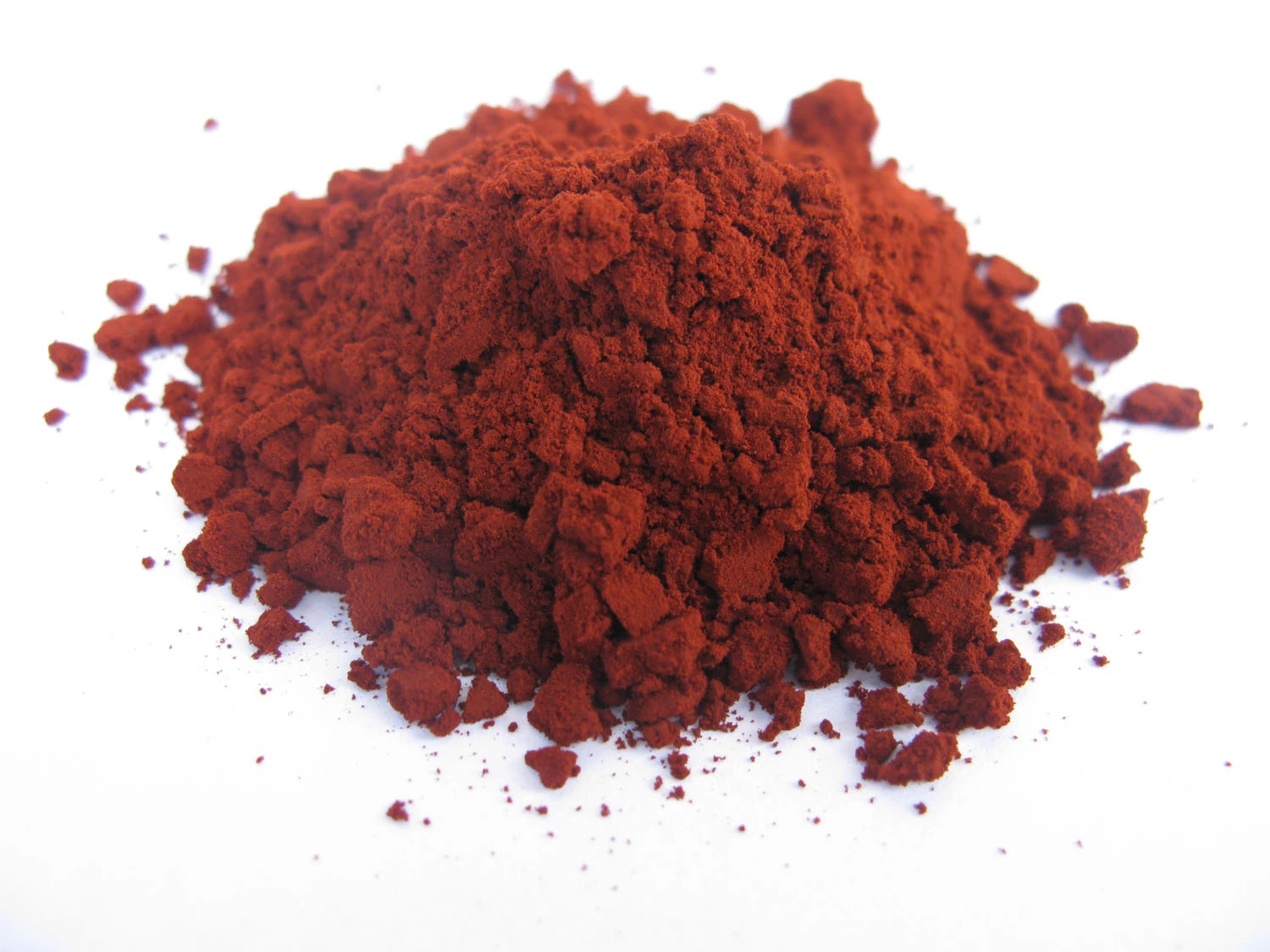
Purity: 1%-10%
Appearance: Dark red powder
CAS NO.: 472-61-7
Molecular Weight: 596.85
Molecular Formula: C40H52O4
MOQ: 500G-1KG
Inventory: in stock
Our Advantages: Scalable production capacity, strict quality control, cost efficiency from integrated factories, over 20 years of experience, advanced technology, and 24/7 after-sales support.
Certificaions: FSSC2000/ISO2000/HALAL/KOSHER/HACCP
Delivery terms: FedEx, DHL, EMS, UPS, TNT, all kinds of the airline, international shipping companies.
Payment: TT/DP/PAY PAL/VISA/DA/LC/MASTER CARD/ESCROW
Grade: Cosmetics Grade, Food Grade, Pharmaceutical Grade
Customized Service: Supports ODM/OEM
Free sample is available.
We do not sell retail quantities to individuals.
Introduction
This study is meant for procurement managers, R&D teams and brand owners who are looking at astaxanthin powder vendors. It explains what makes a high purity product worth the cost, how to interpret quality documentation, which delivery format matches particular application and what to examine before making a first purchase. Each session concludes with practical questions you may take into any supplier engagement.
Understanding Pure Astaxanthin Powder: Composition and Benefits
Natural Extraction and Molecular Composition
The pure astaxanthin powder is mostly derived from the microalga Haematococcus pluvialis. Among the various options, a supercritical CO2 extraction is selected as the optimal extraction approach, since it retains the native (3S, 3′S) stereoisomer configuration and does not need the use of harsh organic solvents. This yields a very bioactive product with few residual impurities, fulfilling pharmaceutical grade standards. Compliance is additionally simplified by solvent-free processing; without solvents being utilised, ICH Q3C solvent residue limitations are easy to demonstrate.
Core Biological Properties
Astaxanthin molecule consist of 13 conjugated double bonds surrounded by ionone rings making it one of the most efficient singlet oxygen quencher identified in the nature (Naguib, 2000). These antioxidants contribute to healthy skin, healthy eyes, and overall well-being. Human investigations have shown decreased indicators of oxidative stress, better mitochondrial activity and regulation of inflammatory pathways via NF-κB signalling (Guerin et al., 2003; Yuan et al., 2011). Purity is important here: higher purity grades have less oxidised breakdown products so the active component stays functional during its shelf life. Standardised 10% astaxanthin powder also offers batch to batch consistency of dosage which is directly important for nutritional supplements, cosmetics and functional foods where uniformity is the key to consumer satisfaction.
Technical Specifications and Quality Markers
Pharmaceutical and nutraceutical purchasers measure astaxanthin powder using a common set of quality criteria. HPLC assay results typically confirm concentrations between 2% and 10%, and reputable suppliers keep these values tight from batch to batch. Heavy metals — lead, mercury, cadmium, and arsenic — must stay below the detection thresholds set by USP and EP monographs. Microbiological testing screens for bacteria, mold, and yeast, while solvent residue analysis verifies compliance with ICH Q3C limits; products made with supercritical CO2 extraction generally have little to report here. Forward-looking suppliers also test for filter paper residue, a marker of insoluble contaminants that can interfere with absorption and stability. Taken together, these tests tell you whether a powder will perform predictably in your formulation.
Comparing Pure Astaxanthin Powder with Other Forms: Which Is Best for Your Business?
Powder Versus Oil-Based Delivery Systems
Astaxanthin is available as powder, pills, softgels, oils and synthetic grades The appropriate format is determined by formulation flexibility, cost-effectiveness, bioavailability and regulatory constraints. The Pure Astaxanthin Powder is the most adaptable form for OEM manufacturing. It is readily blended into tablets, capsules, sachets and premixes and has good storage properties. Well-microencapsulated powders may retain efficacy for 24 months or more at room temperature. Oil forms are useful for lipophilic systems such as softgels where the triglyceride matrix facilitates absorption, but oils are difficult to incorporate into water-based solutions without complicated and expensive emulsification. Using gelatin, HPMC or cyclodextrin microencapsulation, cold-water-soluble powders that dissolve cleanly in liquids, protein powders and functional meals without phase separation have been prepared.
Natural Versus Synthetic Astaxanthin
Natural and manufactured astaxanthin vary in more than just cost. Synthetic versions, made from petrochemicals, consist of a racemic combination of stereoisomers – ~25% of the (3S, 3′S) and (3R, 3′R) varieties and 50% meso forms. Research has shown that the natural (3S, 3′S) arrangement has greater bioavailability and cellular activity (Ambati et al., 2014). Synthetic astaxanthin is also subject to a more stringent clearance procedure in the European Union, limiting its usage in several product categories. Natural astaxanthin grown from microalgae is sustainable with a clear environmental edge and resonates with customer desire for plant-based, non-GMO products. Natural goods have a market position that synthetic grades just cannot reproduce with third-party certifications such as USDA Organic, the Vegan Society and the Non-GMO Project.
Comparative Antioxidant Performance
Lutein and zeaxanthin are carotenoids, like beta-carotene, but astaxanthin delivers a distinct antioxidant profile to formulators. Beta-carotene is a provitamin A precursor; astaxanthin is not convertible to retinol and so there is no risk of hypervitaminosis A. Astaxanthin is more able to permeate cell membranes than water-soluble antioxidants such as vitamin C, thus it may protect lipid-rich parts of the cell that vitamin C cannot reach. These complimentary pathways allow formulators to create antioxidant stacks that target several cellular environments simultaneously – a method that is particularly useful in premium anti-aging skincare and sports nutrition products.
How to Choose and Procure High-Quality Pure Astaxanthin Powder for Your Business
Quality Assurance and Certification Requirements
The first step in selecting a supplier is to choose one that has quality processes you can check. Third-party certifications (organic, vegan, non-GMO, etc.) validate claims are audited vs self-declared. The ISO 9001 accreditation indicates a mature quality management system, while the GMP compliance indicates the facility can satisfy pharmaceutical production requirements. Suppliers that conform to HACCP standards provide another level of trust in food safety across the production chain. Each batch should be accompanied by a Certificate of Analysis (CoA) for HPLC assay findings, heavy metal screening, microbiological testing and pesticide residues. Full traceability is also provided by leading vendors, allowing each final batch to be traced down to individual cultivation lots, a necessity that is becoming more important in the supplement and pharmaceutical sectors. Before you sign, ask for retention samples and stability data from accelerated ageing trials (e.g. 40°C/75% RH for six months) to offer a realistic estimate of shelf life under actual storage circumstances.
Pricing Structures and Volume Economics
Astaxanthin powder prices are driven by purity, sourcing and order volume, thus procurement teams need to reconcile cost objectives with actual consumption volumes. 10% assay powder is more expensive on a cost-per-milligram basis than 2–5% grades, but often offers superior overall value. In many cases, a purchase of 25 kg or more opens tiered pricing that considerably reduces the price per unit – a great boon for supplement companies with proven formulae. Location of the factory also affects pricing – cheaper labour costs in certain places must be balanced against shipping and import tariffs to get at a genuine landed cost. Consolidated shipments and warehouse stocking plans from a single supplier reduce logistical expense, while purchasers who buy numerous ingredients from one vendor save on recurrent freight and customs clearance fees.
Supply Chain and Logistics Considerations
The logistics planning is part of the quality assurance of the astaxanthin powder, which is sensitive to light, air and moisture. Shipments should be packaged in triple layer aluminium foil bags flushed with nitrogen for barrier protection and in fibre drums with polyethylene liners for mechanical safety. Temperature-controlled shipping is advisable for summer transit or routes that cross hot climates. Reputable suppliers work with express carriers such as FedEx, DHL, UPS, and TNT to provide door-to-door delivery with real-time tracking. For first-time importers, suppliers that assist with customs clearance, documentation, and standardized tariff codes for botanical products remove a significant source of delay. The goal is simple: the Pure Astaxanthin Powder arrives at your plant intact, with potency preserved and no regulatory hold-ups.
Case Studies and Scientific Evidence: Verifying the Value of High-Purity Astaxanthin Powder
Clinical Research Supporting Efficacy Claims
The primary effectiveness claims of high purity astaxanthin powder are antioxidant activity, skin health, eye health and inflammatory management. Peer-reviewed evidence exists for all of the above claims. A randomised, double-blind, placebo-controlled trial published in a dermatology journal found that participants who took 4 mg of astaxanthin daily for 12 weeks had statistically significant improvements in skin moisture, elasticity and fine wrinkle depth as measured by corneometry and cutometry devices, compared to placebo (Tominaga et al., 2012). These objective metrics provide the proof cosmetic manufacturers need to back up their product claims. Studies in ophthalmology reveal that astaxanthin protects the retina from blue-light damage and promotes accommodative amplitude in presbyopic subjects . MPOD (macular pigment optical density) supplementation experiments have showed dose-dependent increases . This research base may be leveraged by nutraceutical businesses to design products for digital-device users and elderly customers with an emphasis on eye health.
Manufacturing Success Stories
Raw material quality affects industrial results, not just clinical end objectives. Formulators transitioning from variable-potency lots to standardised powder usually find fewer batch failures, more consistency of tablet colour and cleaner stability test results — the quality pattern teams anticipate when batch-to-batch variation is eliminated at the source. Cosmetic makers using microencapsulated astaxanthin into anti-aging serums are seeing increased stability under accelerated ageing circumstances, enabling longer shelf-life claims and fewer returns. These are operational advantages that surface on a production manager’s dashboard long before they appear on marketing material.
Safety Profile and Toxicology Data
Astaxanthin has a well researched safety profile that supports regulatory applicability in key markets. Acute oral toxicity tests in rats have been reported with LD50 values exceeding 2,000 mg/kg body weight, putting it in the basically non-toxic category (Ambati et al., 2014). Genotoxicity investigations (Ames test and chromosomal aberration assay) were negative showing no mutagenic potential. Ninety-day repeated-dose studies in animals show no adverse impact on organ function, haematological parameters or histopathology at consumption levels many times greater than used in humans. This research foundation, mostly developed under OECD guideline circumstances, offers regulators confidence in applications from baby formula fortification to senior nutrition. This information may be used by manufacturers when drafting FDA GRAS notifications or EFSA new food applications, shortening the road to market.
Conclusion
Pure Astaxanthin Powder is a strategic investment for producers competing on quality, effectiveness and regulatory preparedness. Premium above synthetic grades justified by better bioactivity, wider market appeal and additional approval channels. To get those advantages, purchasers need to screen quality as rigorously as they do finished products: heavy metal screening, microbiological testing, solvent residue analysis and filter paper residue testing. Reducing risk and accelerating product development timeframes for nutraceutical, cosmetic and functional food applications by sourcing from providers with clear traceability, reliable logistics and consistent batch to batch performance.
FAQ
1. What purity level should I specify when ordering Pure Astaxanthin Powder?
Purity requirements depend on the application. Dietary supplements typically use standardized powder at 2–5% for cost-effective dosing. Pharmaceutical applications may require 10% for precise formulation control. Many cosmetic serums specify 2–3% to balance efficacy with color stability in the finished product.
2. Does Pure Astaxanthin Powder qualify for organic and vegan certifications?
Yes, when the astaxanthin is sourced from certified organic Haematococcus pluvialis cultivation and processed without animal-derived excipients. Ask your supplier for current certificates from USDA Organic and the Vegan Society. To keep the supply chain vegan, confirm that microencapsulation uses plant-based HPMC rather than gelatin.
3. How do shipping conditions affect product integrity?
Astaxanthin’s conjugated double bonds degrade with temperature fluctuation, light exposure, and moisture. Insist on nitrogen-flushed, triple-layer foil packaging with desiccant sachets. Temperature-controlled shipping prevents oxidative damage during transit — especially for international shipments crossing different climate zones. Proper logistics preserves antioxidant activity and extends shelf life, protecting your investment in premium raw material.
Partner with Jiayuan Bio-Tech for Premium Pure Astaxanthin Powder Supply
Jiayuan Bio-Tech supplies Pure Astaxanthin Powder to manufacturers that need consistent quality at scale. Our facility operates to ISO, SGS, and HALAL standards, with two GMP-grade production lines dedicated to plant extracts. We control the raw material at the source, cultivating Haematococcus pluvialis under controlled conditions to keep biomass quality and astaxanthin content consistent. Supercritical CO2 extraction preserves the natural (3S, 3′S) stereoisomer structure while leaving no solvent residues. Our logistics team works with FedEx, DHL, UPS, and TNT for door-to-door delivery and customs assistance across North America, Europe, and Asia-Pacific; consolidated shipments and warehouse stocking programs help lower your total landed cost. Email our technical team at sales@jayuanbio.com or sales1@jayuanbio.com for bulk pricing, Certificates of Analysis, or to arrange a sample evaluation. We support you with clear quality documentation and hands-on technical assistance through every stage of product development.
References
1. Ambati, R. R., et al. (2014). Astaxanthin: Sources, extraction, stability, biological activities and its commercial applications—A review. Marine Drugs, 12(1), 128-152.
2. Guerin, M., Huntley, M. E., & Olaizola, M. (2003). Haematococcus astaxanthin: Applications for human health and nutrition. Trends in Biotechnology, 21(5), 210-216.
3. Naguib, Y. M. (2000). Antioxidant activities of astaxanthin and related carotenoids. Journal of Agricultural and Food Chemistry, 48(4), 1150-1154.
4. Tominaga, K., et al. (2012). Cosmetic benefits of astaxanthin on human subjects. Acta Biochimica Polonica, 59(1), 43-47.
5. Yuan, J. P., Peng, J., Yin, K., & Wang, J. H. (2011). Potential health-promoting effects of astaxanthin: A high-value carotenoid mostly from microalgae. Molecular Nutrition & Food Research, 55(1), 150-165.
6. Valenti, M. T., et al. (2018). Regulation of osteoblast differentiation by astaxanthin as a potential remedy for osteoporosis. International Journal of Molecular Sciences, 19(6), 1618.