Why Is Diosgenin Powder Vital For Cortisone Production?
Cortisone doesn’t start life in a lab reactor. It starts in a plant. Diosgenin Powder is a steroidal sapogenin derived mostly from wild yam (Dioscorea species) and fenugreek, and is the principal raw material for the semi-synthesis of corticosteroids. The Marker Degradation technique provides a reliable, industrial-scale conversion of the spiroketal structure to the cortisone skeleton at a cost that has never been matched by completely synthesized approaches.
The reason Diosgenin Powder has been the backbone of cortisone manufacturing for more than eight decades after Russell Marker first showed the conversion is because of its molecular compatibility and established process chemistry and cost management. This handbook covers the chemistry of the process in detail, comparing diosgenin to other precursors, and providing practical recommendations to procurement and manufacturing teams assessing suppliers.
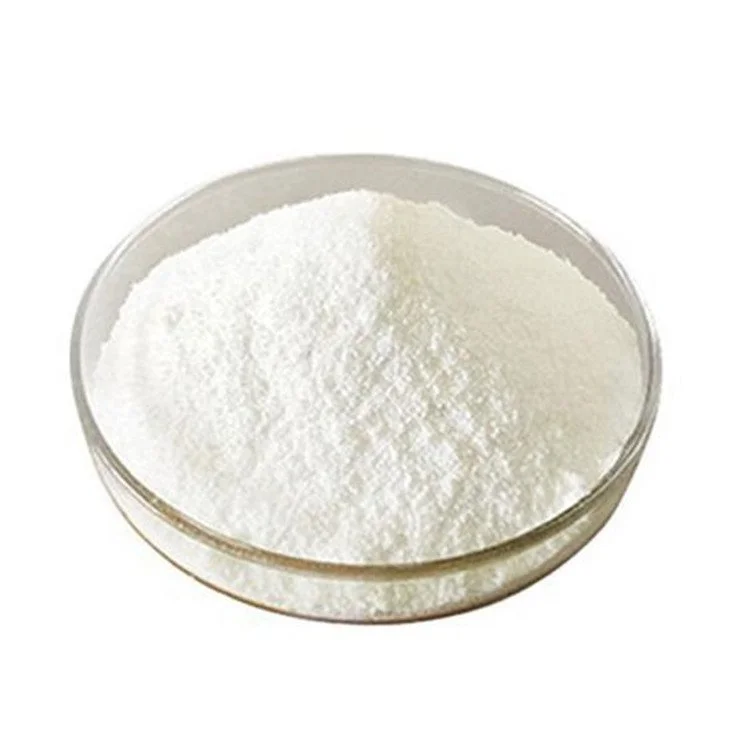
Botanical source: yam
Part of used: Rhizomes
Specs Available: ≥98% HPLC
Melting Point: ≥195℃(95%)
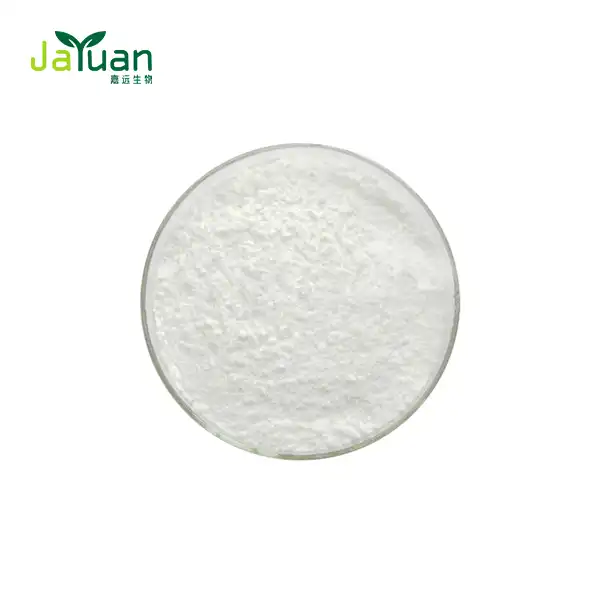
Appearance: White Powder
CAS NO.: 512-04-9
Molecular Weight: 414.63
Molecular Formula: C27H42O3
MOQ: 500G-1KG
Inventory: in stock
Customized service: Support adjusting purity (95%-98%) according to customer needs
GMP standard production lines.
Payment: 100% TT in advance
Certificaions: FSSC2000/ISO2000/HALAL/KOSHER/HACCP
Delivery terms: FedEx, DHL, EMS, UPS, TNT, all kinds of the airline, international shipping companies.
Free sample is available.
We do not sell retail quantities to individuals.
Understanding Diosgenin Powder and Its Role in Cortisone Production
Diosgenin Powder is a white crystalline steroidal sapogenin, (25R)-spirost-5-en-3β-ol, and is one of the most essential building blocks in the steroid pharmaceutical business. The plant has already done much of the synthetic work that makes the conversion possible: its four-ring steroid nucleus contains the identical carbon framework that cortisone needs. The conversion of a sapogenin to a corticosteroid is then a regulated series of oxidation and side chain rearrangement processes, each carried out under carefully controlled circumstances.
The Chemical Foundation of Steroid Synthesis
Pharmaceutical grade diosgenin is obtained by the extraction and purification of wild yam and fenugreek material, often at 98% or more for cortisone manufacture. 95% is conventional nutraceutical grade for supplement applications. The molecule has a steroid core and a spiroketal side chain, a structure that gives the precise carbon skeleton required for cortisone and more importantly one that can be split at a predictable site.
“The quality of the starting material is everything downstream. Manufacturers use chromatographic separation to concentrate the compound from plant material. Purity influences the conversion yield, batch-to-batch reproducibility and efficiency of each successive stage of synthesis. High-purity input provides predictable reactions, correct dosing in intermediates, less side product to eliminate. Low-purity input means rework, failed batches, and unpredictability that compounds with every step. That’s why pharmaceutical purchasers require EP/USP-grade material with established criteria, and why suppliers that record those specifications batch after batch gain repeat business.
Industrial Processing Pathways
Nowadays, cortisone plants use the Marker Degradation series to convert the diosgenin backbone to 16-dehydropregnenolone acetate (16-DPA), the key intermediate from which most steroid hormones are generate. The route involves multiple steps, including controlled cleavage of the spiroketal side chain to form the pregnane structure typical of corticosteroids, followed by further functional group modifications. Every step demands precise control of temperature, pH, and solvent systems.
Quality control runs alongside the chemistry rather than after it. HPLC and GC-MS monitoring give process engineers real-time data on conversion progress, so conditions can be adjusted mid-batch to protect yield. The finished cortisone must then meet pharmaceutical standards for purity, potency, and stability before release.
Health and Functional Benefits of Diosgenin Powder Beyond Cortisone
Most of the need for diosgenin is for the manufacturing of cortisone, however this is not the sole market. The same molecule is studied and developed in nutraceuticals and cosmetics and this is relevant to buyers too: varied demand stabilizes raw material supply and the same quality methods are used for all applications.
Hormonal Balance Support Applications
Diosgenin is structurally related to cholesterol and may interact with enzymes involved in steroid metabolism. For this reason it has long been an element in women’s health supplements. Research has been published on the activity of selective estrogen receptor modulation (SERM) and the use of the substance in products intended to improve hormonal balance during menopause. In such uses, diosgenin is used as an ingredient in dietary supplements, not as a medicine, and claims of effectiveness should be limited to what the study really supports.
The message for nutraceutical makers is consistency. Specifications of 95% purity or greater are the norm in this area since products sold for hormone support rely on uniform bioactivity from batch to batch.
Antioxidant and Metabolic Support Properties
Diosgenin has also been researched for its antioxidant action, or defense against oxidative stress at the cellular level. This research profile is also responsible for its expanding use in cosmetic and skincare formulations with a view to replacing synthetic antioxidants with plant-based alternatives. The compound’s chemical stability allows compatibility with a broad variety of formulation methods.
Metabolic studies are going the same way. Possible impacts on lipid and glucose metabolism have been studied in studies, indicating future possibilities in functional foods. Manufacturers in this space often pair diosgenin with other plant-derived compounds to build synergistic formulations, so sourcing partners who can supply multiple botanical ingredients at consistent quality hold a commercial advantage here.
Market Comparison: Diosgenin Powder vs Alternative Supplements for Cortisone Production
Pharmaceutical customers have a choice of steroid precursors including diosgenin from Dioscorea and fenugreek sources, stigmasterol from soy phytosterols, solasodine from Solanum species and entirely synthetic approaches. Each comes with tradeoffs in processing needs, realistic yield and regulatory knowledge. Diosgenin Powder has taken the leadership position since it balances all three better than any single option.
Purity and Bioavailability Advantages
Pharmaceutical grade diosgenin is obtained reliably with >98% purity using well known extraction and purification procedures and that purity immediately translates into conversion efficiency in cortisone production. Often, alternative plant-based precursors require extra processing to achieve similar levels of purity, adding expense and complexity at scale.
The spiroketal structure is also very good for production. The reactivity is adequate to enable effective chemical modification, but stability is sufficient for routine storage and handling. So the material behaves consistently in a variety of production conditions and reduces the danger of batch-to-batch variation.
Cost-Efficiency Analysis
At the end of the day economics drive the choice of precursors at commercial scale. The supply chains for wild yam and fenugreek are well established and diverse in terms of geography, leading to generally stable raw material prices and enabling realistic long-term planning of production. Diosgenin chemistry is well established and the industry has spent decades creating technical competence and specialized infrastructure around it. This means that manufacturers may secure large volume reductions and processing costs remain restricted.
Alternative precursors may need specialized equipment or less established process paths, which translates into extra capital investment and execution risk. Existing technological basis with diosgenin reduces the scale-up delays and expense for scale-up manufacturing.
Procurement Insights: Sourcing Diosgenin Powder for Bulk and OEM Needs
The acquisition of a steroid precursor is not a transaction, it is the choice of a production partner. For downstream pharmaceutical manufacturing is complicated and so is a supplier’s quality systems. They are as important as their pricing list. strong procurement strategies are based on long term partnerships with manufacturers that have shown strong production processes, not only say they do.
Supplier Qualification Criteria
Start qualification with the basics: manufacturing licenses, GMP status, and ISO certification. Then go deeper. Review the supplier's analytical capabilities, batch record documentation, and traceability systems, since pharmaceutical audits will seek for all three. A supplier’s quality assurance standards should encompass raw material procurement, extraction techniques, and testing of completed products—the whole chain, not just the final certificate of analysis.
Suppliers that use sophisticated testing such as HPLC and near-infrared spectroscopy may check quality continually rather than testing simply upon release. This skill helps you spot specification deviations early and lowers the possibility of quality escapes to your manufacturing line. For instance, Jiayuan Bio-Tech produces under GMP-certified DCS automatic control with dual quality assurance methods. This is the kind of process control and documentation that a customer should expect from any reputable supplier.
Pricing and Logistics Considerations
The volume defines the pricing. Diosgenin Powder price per unit is higher for small orders, while larger orders usually have tiered pricing. The appropriate procurement plan would take into account the expense of holding inventory versus the discount from bulk sales, not just one or the other. The more you can get across the table, up front, the better; get tiered price schedules and current specification documents early in the discussion, both are provided without obligation by established suppliers.
Logistics need to be equally prominent. The powder is moisture sensitive and ships with nitrogen protection in sealed packaging. Cold chain management may be necessary depending on transit time and storage period. Packaging, storage and transit requirements should be approved in writing before the first shipment, not discussed when a container is already on the ocean.
How to Integrate Diosgenin Powder into Your Production Line Efficiently?
Integrating a steroid precursor into cortisone production touches handling procedures, storage conditions, and quality control at the same time. Facilities that plan all three in advance protect product purity, keep specifications consistent, and avoid the rework and waste that contamination events cause.
Handling and Storage Best Practices
Diosgenin Powder is hygroscopic, so store it in sealed containers in humidity-controlled areas, and design storage facilities with environmental monitoring for both temperature and humidity. Nitrogen-filled packaging extends shelf life by preventing oxidative degradation.
People and process matter as much as environment. Operator training should cover correct handling technique and contamination prevention, and storage conditions should be verified on a regular schedule, with periodic product quality checks so any drift is caught while the material is still within specification.
Quality Control Integration
Add incoming material inspection to your quality system by verifying product specifications against the supplier’s certificate of analysis before the material enters production. Analytical testing should address purity, moisture content and microbiological characteristics, with aberrations highlighted upstream before they spread downstream.
Monitoring the process during synthesis safeguards the yield and uniformity of the batch. HPLC monitoring of conversion efficiency and automated control systems that adapt settings based on analytical data lead to improved yield and reduced batch error with less human intervention. The outcome is a method that works the same way every time.
Conclusion
Diosgenin Powder is the key raw material for the manufacture of cortisone. It is a plant-based chemical whose structure, known process chemistry and mature supply chain combine to provide a route that no alternative can match today for dependability and affordability. It remains the standard for large scale steroid production, with added potential in nutraceutical and cosmetic sectors due to its antioxidant and metabolic qualities. The focus for purchasers is obvious. Don’t only qualify your suppliers on price alone but qualify them on quality systems and regulatory compliance. In cortisone manufacturing the cost of one bad batch outweighs the savings of a cheaper predecessor.
FAQ
1. What purity levels are required for cortisone production?
For pharmaceutical-grade applications, buyers typically specify 98% purity or higher to protect conversion efficiency and end-product quality. Nutraceutical applications can work with lower grades, though 95% is the common minimum for supplement formulations. In cortisone synthesis, the relationship is direct: higher purity in, higher yield out.
2. How should diosgenin powder be stored for maximum stability?
Store below 25°C with relative humidity under 60%, in sealed, nitrogen-filled packaging. Nitrogen protection prevents oxidative degradation and supports shelf life beyond three years. Periodic moisture testing confirms the material still meets specification throughout the storage period.
3. What certifications are essential for pharmaceutical suppliers?
GMP compliance is the baseline requirement for pharmaceutical manufacturing. ISO certification adds confidence in the supplier's quality management system, and EP/USP compliance confirms that the product itself meets the European and United States Pharmacopoeia standards expected for pharmaceutical ingredients.
Partner with Jiayuan Bio-Tech for Premium Diosgenin Powder Supply
Jiayuan Bio-Tech supplies pharmaceutical-grade Diosgenin Powder produced to specifications above 98% purity, verified through dual quality assurance processes and automated DCS control systems at our facility near the Qinling Mountains. That location gives us direct access to premium Dioscorea raw material and keeps our pricing competitive. Our GMP and ISO 13485 certifications, custom formulation services, bulk pricing, and complete logistics support, including customs clearance assistance, make us a single-source partner from sample to shipment.
Test the material before you commit. Contact our team at sales@jayuanbio.com or sales1@jayuanbio.com to discuss your specifications and request samples for evaluation.
References
1. Marker, R.E. & Wagner, R.B. "Steroidal Sapogenins: The Conversion of Diosgenin to Progesterone." Journal of the American Chemical Society, 1947, Volume 69, Issue 8.
2. Applezweig, N. "Steroid Drugs: From Plant Sapogenins to Commercial Production." Industrial and Engineering Chemistry, 1956, Volume 48, Issue 12.
3. Chen, S.L. & Yu, H. "Modern Extraction Techniques for Diosgenin from Dioscorea Species: A Comprehensive Review." Phytochemical Analysis, 2019, Volume 30, Issue 4.
4. Williams, M.C. & Thompson, J.K. "Quality Control Standards for Pharmaceutical Steroid Precursors." Journal of Pharmaceutical Sciences, 2020, Volume 109, Issue 6.
5. Rodriguez, A. & Zhang, L. "Economic Analysis of Steroid Manufacturing: Diosgenin versus Synthetic Pathways." Chemical Engineering Progress, 2021, Volume 117, Issue 3.
6. Kumar, P. & Singh, R. "Regulatory Compliance in Natural Product Manufacturing for Pharmaceutical Applications." Regulatory Affairs Professionals Society Journal, 2022, Volume 27, Issue 2.