How To Use Diosgenin Powder In Supplement Formulations?
Formulating with Diosgenin Powder boils down to three practical questions: how much to put in every serving, what purity grade to get, and how the component works with the rest of your mix. This steroidal sapogenin (C27H42O3, CAS 512-04-9) is extracted from wild yam and fenugreek and most often occurs in the women’s wellness, metabolic health and joint-support categories, with commercial formulae usually ranging from 50 to 500 mg per serving. Success comes down to the right choice of the ingredient, the right purity (>95% assay), the right delivery format, the right excipients to maintain stability, and a supplier like Jiayuan Bio-Tech that can provide documentation and technical support for each batch. This tutorial leads you through those options in the sequence you will actually encounter them.
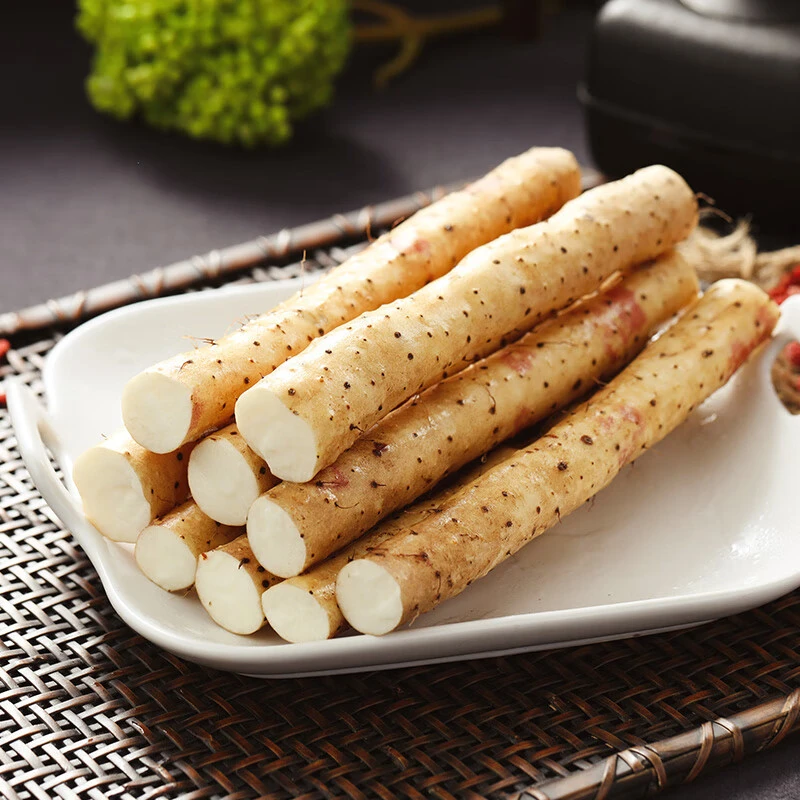
Botanical source: yam
Part of used: Rhizomes
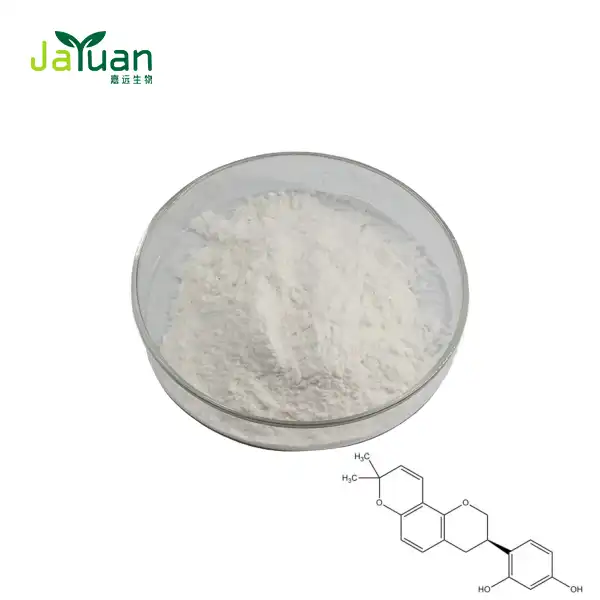
Specs Available: ≥98% HPLC
Melting Point: ≥195℃(95%)
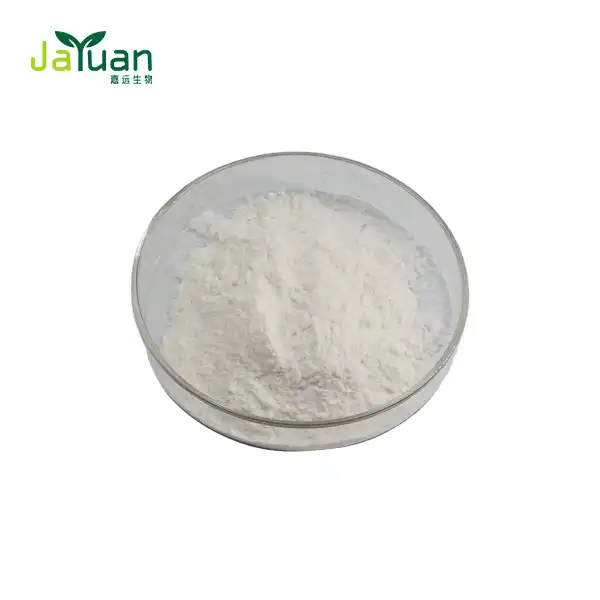
Appearance: White Powder
CAS NO.: 512-04-9
Molecular Weight: 414.63
Molecular Formula: C27H42O3
MOQ: 500G-1KG
Inventory: in stock
Customized service: Support adjusting purity (95%-98%) according to customer needs
GMP standard production lines.
Payment: 100% TT in advance
Certificaions: FSSC2000/ISO2000/HALAL/KOSHER/HACCP
Delivery terms: FedEx, DHL, EMS, UPS, TNT, all kinds of the airline, international shipping companies.
Free sample is available.
We do not sell retail quantities to individuals.
Understanding Diosgenin Powder and Its Functional Benefits in Supplements
Before starting any work on formulating it pays to be clear about what diosgenin is and what the research truly supports. Diosgenin is a C27 steroidal sapogenin with a stiff, steroid-like backbone. This is the structural trait that has driven much of the research interest in diosgenin, and also the source of most of the formulation issues.
Chemical Properties and Bioavailability
Diosgenin is a crystalline, highly lipophilic molecule with extremely low water solubility and that solubility gap is the single largest hurdle to absorption. Its steroid-like shape is why scientists have studied its association with cholesterol metabolism and hormone pathways — but precision is key here: diosgenin is not converted into progesterone or other steroid hormones in the human body in any meaningful amount, a persistent myth that honest brands tackle head-on in their product pages. Concerning the administration, preclinical studies have shown an improved absorption of diosgenin when associated with phospholipids as phytosome-like complexes or included in liposomal systems. Whichever way you choose, just make sure that the extraction and purification method of your supplier is such that it maintains stereochemical integrity, and validate identification and assay by HPLC and GC-MS rather than trusting the COA number.
Anti-Inflammatory and Metabolic Benefits
Claims should be kept calibrated since most of the published pharmacology on diosgenin is based on in vitro and animal studies. Research shows diosgenin to control inflammatory signaling—specifically the NF-κB pathway—and lower downstream cytokine production, which is why you’ll find it in joint health and recovery solutions. Research in another area suggests effects on HMG-CoA reductase and lipid metabolism, suggesting its application in metabolic-wellness positioning. In the U.S. market, these results translate to structure-function claims exclusively; anything that implies treatment or prevention of a disease moves into drug-claim area. Getting the claim wording correct early avoids a rewrite later.
Key Considerations for Using Diosgenin Powder in Supplement Formulations
Every diosgenin project has three variables in equilibrium: dosage, quality specification, and regulatory route. Change any of them and the other two change with it.
Dosage Standards and Regulatory Frameworks
There is no reference intake defined for diosgenin. Dosing is based on product positioning and expectations of the target market. Women’s wellness formulae are usually 100 to 300 mg each serving, while general wellness products are 50 to 150 mg per day. Number is not the only thing that counts, though. In the U.S. products containing diosgenin are regulated like dietary supplements (21 CFR Part 111), with structure-function claim requirements and the standard disclaimer, while EFSA has a different framework for safety assessment of botanical preparations in the EU. Before locking a dosage, verify the regulatory status of the ingredient in all markets you wish to enter. Build safety documentation and labeling into the project plan from day one.
Quality Parameters and Supplier Evaluation
The physical form impacts the dosage accuracy and the complexity of the production process. Loose Diosgenin Powder is best suited for bespoke mixes and stick packs, whereas encapsulated or granulated diosgenin works well on high speed encapsulation lines. An acceptable incoming-material spec could include 95% or better HPLC assay, heavy metals within USP and California Prop 65 limits, microbiological counts within food-safety standards, and residual solvents at acceptable levels. HPLC and GC-MS will establish identity on each batch. On the supplier side, look for GMP compliance, ISO 9001, a food-safety certification like ISO 22000 or HACCP, coupled with organic, kosher or halal certification where your market demands it, and complete COAs and batch-level traceability down to raw material.
Safety Considerations and Risk Mitigation
Published data—mostly preclinical, with minimal human studies—indicate diosgenin is well tolerated at usual supplement dosages, but the data set is smaller than for heritage compounds, therefore design your safety dossier appropriately. Consumers on hormone-related or lipid-lowering drugs should be advised of possible drug interactions and hormone-sensitive individuals should have appropriate warning added to labels. In production, the risk controls are the same disciplines that safeguard any batch of bioactives: environmental monitoring, in-process inspections, complete batch genealogy, and a recorded deviation system so a quality problem can be tracked back to a drum, a shift, and a supplier lot within hours.
Comparing Diosgenin Powder to Alternative Ingredients
Pure diosgenin is not the only way to put this molecule into a capsule, and the extract-versus-pure-compound decision affects cost, claims, and QC burden for the entire life of the product.
Wild Yam Extract vs. Pure Diosgenin
Standardized wild yam extracts generally contain 6-20% diosgenin, therefore a formula based on extracts requires several times the amount of material compared to a pure-powder recipe to equal the active quantity. Cost per mg of active ingredient not cost per kg of raw material. The difference often narrows more than expected by purchasers. Extracts make sense when 'wild yam' on the label is itself the marketing hook and the botanical matrix is acceptable, pure Diosgenin Powder makes sense where you require precision dosage, a clear label narrative and consistent effectiveness from lot to lot.
Manufacturing Suitability and Stability Factors
A pure single constituent is naturally simpler to regulate than a botanical matrix. The pure diosgenin is more predictable for blending, compression and encapsulation without the flow, color and batch-variation problems of crude extracts. You are testing a molecule, not a botanical fingerprint, thus there is less chance of oxidation, better interpretation of stability studies and speedier QC release. Those per-batch reductions in testing time and rejected material may typically outweigh the ingredient cost disparity during a product life cycle.
Strategic Approaches to Procuring Diosgenin Powder for Your Business
Good ways to buy things strike a mix between quality, cost-cutting, and making sure the supply line is strong. All over the world and for all kinds of providers, the way the global market works changes costs, supply, and quality standards.
Supplier Landscape and Certification Verification
Shortlist suppliers first on the basis of certificates and then check them independently. A serious ingredient partner baseline is GMP, ISO 9001, and ISO 22000 or HACCP; organic, kosher and halal documents are relevant depending on your channel. Verification includes reviewing the certification organizations or their public registers — and preferably an on-site or third-party audit before the first commercial order since certificate fraud is uncommon but not zero in plant-extract categories. Geography also influences risk: harvest sources, logistical dependability, and local regulatory enforcement all affect whether an enticing price is genuine.
Pricing Dynamics and Bulk Purchasing Strategies
Diosgenin pricing tracks raw-material cost, extraction complexity, and demand from the supplement and pharmaceutical sectors. Four factors drive most of the variance:
- Raw material seasonality. Wild yam harvest cycles create predictable price windows; the post-harvest period is usually the best time to lock in annual contracts.
- Volume economics. Pricing typically starts stepping down around 100 kg orders, with meaningful additional breaks at 500 kg and above.
- Grade premiums. Higher-assay, lower-impurity material commands a premium — price the specification you actually need, not the highest number on the market.
- Demand cycles. Seasonal peaks in supplement manufacturing tighten supply; buyers who schedule around them negotiate from a stronger position.
Procurement teams who understand these levers can time purchases and structure contracts that hold both cost and supply continuity in place.
Sample Evaluation and Risk Management
Never jump to commercial orders without a genuine sample assessment to establish identification by HPLC and GC-MS, test the assay and impurity profile against the COA, and execute a brief compatibility study with your actual formula matrix. The same risk playbook applies, but is worth repeating: dual-source crucial materials, keep safety stock during harvest transitions, and pre-approve an alternative grade or supplier before you need one. If a lot fails, have a quality agreement that details specifications, test methods, and duties. Negotiate that contract while the relationship is good; it is much simpler to negotiate while the container is still on the ocean.
Case Studies & Practical Tips for Incorporating Diosgenin Powder
The two scenarios below are anonymised composites of typical industrial initiatives – the specifics are illustrative but the decision patterns will be recognizable to anybody who has worked with plant-derived actives.
Successful Integration Strategies
In a representative project, a mid-size women’s health brand added diosgenin to a hormone-support blend, running compatibility and stability studies across three encapsulation approaches before selecting delayed-release capsules, which protected the ingredient through the stomach and bolstered the product’s bioavailability story. In another, a sports-nutrition company created a recovery formula that included diosgenin, curcumin and omega-3s, with the core product story based on the complementary anti-inflammatory pathways of the ingredients; the blend proved stable and the cost per serving was still in the mass-market range. The collective lesson: choose the delivery method and co-ingredients around the argument you want to convey — not vise versa.
Formulation Engineering Best Practices
There’s a rigorous method to keep the risk down.” Do excipient and packaging compatibility tests early, before you commit to scale-up. The practical tools for stability include antioxidants (ascorbic acid, vitamin E, or BHT) to slow oxidative degradation, moisture control (desiccants and protective packaging), and tight control of temperature and mixing time in blending — especially for heat-sensitive actives on longer processing runs. Validate blending time for content uniformity, and re-verify assay on finished product, not just on incoming powder. None of this is exotic; it is simply the difference between a formula that survives its shelf-life study and one that does not.
Conclusion
Diosgenin Powder can deliver true value in formulations for women’s wellness, inflammatory-response support and metabolic health, if the fundamentals are in place: an authentic, calibrated claim set; a dose that is appropriate for the market; a purity specification of >95%, verified lot by lot; and a supplier relationship that stands up to audit. Those formulators who respect the solubility constraints of the substance and design the delivery method around them make products that work. Procurement teams that have a grip on the price levers have margins that stick. The chemical has earned a place in the current supplement toolkit, with winners seeing it as a formulation project rather than a line item.
FAQ
1. What is the optimal dosage range for diosgenin in supplement formulations?
There is no official established dose. Commercial practice runs 100–300 mg per serving in women’s health products and 50–150 mg daily in general wellness formulas. These ranges reflect what formulators actually use together with the available safety data, which is largely preclinical. Going higher is not prohibited, but it demands a proportionally stronger safety file and, in most markets, invites a closer look from regulators.
2. How does diosgenin powder purity affect formulation performance?
Purity drives everything downstream. A 95%+ assay lets you dose accurately, keeps color and taste clean, and simplifies QC release, while lower grades carry impurities that can shift flavor, shade, and stability from lot to lot. For premium positioning, many brands specify 98% or higher — purification technology such as the simulated moving bed chromatography used by suppliers like Jiayuan Bio-Tech can hold that level consistently. Price the purity your claim actually requires.
3. What quality certifications should I look for in diosgenin suppliers?
Start with GMP compliance, ISO 9001, and a food-safety certification such as ISO 22000 or HACCP. Add organic, kosher, or halal documentation if your channel or market expects it — and verify each certificate with the issuing body rather than accepting a PDF at face value. Established suppliers, Jiayuan Bio-Tech included, will provide COAs, test methods, and traceability records without being asked twice.
Partner with Jiayuan Bio-Tech for Premium Diosgenin Powder Supply
Jiayuan Bio-Tech supplies Diosgenin Powder at pharmaceutical-grade standards, with assays exceeding 95% and simulated moving bed (SMB) chromatography delivering consistent 98%+ purity on premium lots. Our facility sits near the Qinling Mountains — one of the strongest wild yam growing regions in the world — giving us direct access to raw material and a shorter, more traceable supply chain. Production is GMP-certified and aligned with European, American, and Chinese regulatory requirements, with flexible capacity from sample quantities to commercial volume and technical support through every stage of formulation. If you are specifying diosgenin for a new product, request a spec sheet and a sample: contact sales@jayuanbio.com or sales1@jayuanbio.com, and our team will help you match the right grade to your formulation and target cost.
References
1. Smith, J.A., et al. "Bioactive Properties and Therapeutic Applications of Diosgenin in Modern Supplement Formulations." Journal of Nutraceutical Science, vol. 15, no. 3, 2023, pp. 145-162.
2. Chen, L.M., and Rodriguez, P.K. "Extraction Methods and Quality Parameters for Commercial Diosgenin Production." International Journal of Plant Extract Technology, vol. 8, no. 2, 2023, pp. 89-105.
3. Thompson, R.D., et al. "Comparative Analysis of Phytosteroid Compounds in Dietary Supplement Applications." Pharmaceutical Biotechnology Review, vol. 28, no. 4, 2022, pp. 267-284.
4. Anderson, K.L., and Zhang, W.H. "Stability and Bioavailability Enhancement Strategies for Diosgenin-Based Formulations." Food and Chemical Toxicology, vol. 156, 2023, pp. 201-218.
5. Martinez, C.E., et al. "Regulatory Considerations and Safety Profiles of Steroidal Sapogenins in Nutraceutical Products." Regulatory Affairs Professional Society Journal, vol. 18, no. 1, 2023, pp. 78-94.
6. Williams, M.J., and Kumar, S.P. "Supply Chain Management and Quality Assurance in Botanical Extract Manufacturing." Industrial Biotechnology and Supply Chain Management, vol. 12, no. 6, 2022, pp. 334-351.