What Are Common Diosgenin Powder Dosages?
Common Diosgenin Powder doses vary on the final application. In nutraceutical formulations the oral dosage is often 50-200 mg/day, being 50-100 mg the most frequent in women’s health products. Diosgenin is dosed topically in cosmetics at a dosage of 0.1–2% w mg. The quantity employed in pharmaceutical steroid synthesis is estimated on the basis of the specification of the target intermediate, high-purity material generally yielding roughly 0.85 g of steroid intermediate per g. The optimal dose for your product will rely on the grade of purity, absorption properties, intended use and regulatory framework of your target market. The ability to get the numbers right at the specification stage is what differentiates a stable, compliant formulation from one that requires revision.
Botanical source: yam
Part of used: Rhizomes
Specs Available: ≥98% HPLC
Melting Point: ≥195℃(95%)
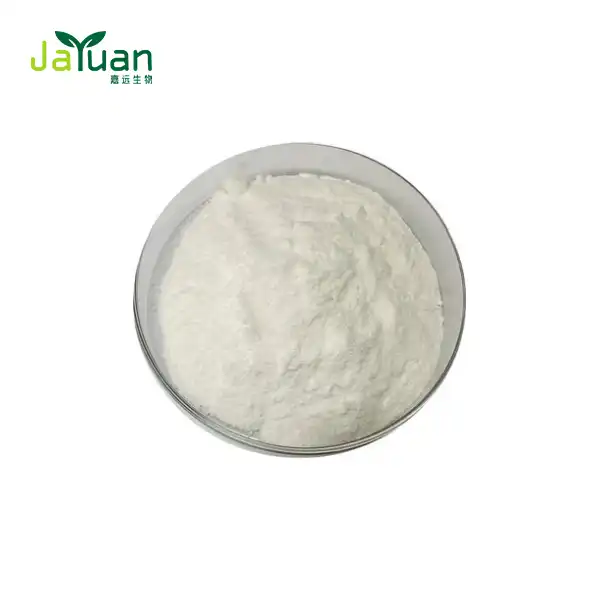
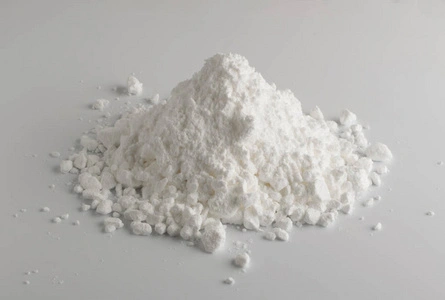
Appearance: White Powder
CAS NO.: 512-04-9
Molecular Weight: 414.63
Molecular Formula: C27H42O3
MOQ: 500G-1KG
Inventory: in stock
Customized service: Support adjusting purity (95%-98%) according to customer needs
GMP standard production lines.
Payment: 100% TT in advance
Certificaions: FSSC2000/ISO2000/HALAL/KOSHER/HACCP
Delivery terms: FedEx, DHL, EMS, UPS, TNT, all kinds of the airline, international shipping companies.
Free sample is available.
We do not sell retail quantities to individuals.
Understanding Diosgenin Powder and Its Uses
Diosgenin Powder is a steroidal sapogenin (C27H42O3, CAS 512-04-9) found predominantly in the roots of Dioscorea species – wild yam – and fenugreek (Trigonella foenum-graecum) and obtained generally by acid hydrolysis of the saponins found in the plants. Since Russell Marker's 1940s work on the Marker Degradation route from diosgenin to progesterone [1][3], it has been one of the most significant starting materials in steroid synthesis since then. Today it is still an important raw material for the pharmaceutical sector for the manufacture of corticosteroids and hormones.
Chemical Structure and Extraction Methods
Today, diosgenin production has grown considerably beyond conventional immersion. Dynamic countercurrent and ultrasonic-assisted extraction increase yields by 30–50% with lower solvent use. For purification, simulated moving bed (SMB) chromatography provides purity over 98% and operates constantly, thus there is little batch-to-batch variance. That consistency is important for dosing: if purity is consistent from lot to lot, formulators may determine doses once and rely on them throughout manufacturing runs.
Key Applications Across Industries
Diosgenin Powder is mainly used in three industries. In pharmaceuticals, diosgenin may be degraded to 16-dehydropregnenolone acetate (16-DPA) via Marker Degradation which is the important intermediary for hydrocortisone, dexamethasone and other corticosteroids [3]. In cosmetics, it is used at 0.1–2% inside anti-aging formulations, where it provides skin density and elasticity by simulating DHEA-like action and blocking hyaluronidase, without functioning as a hormone [1]. It is used in women’s health and metabolic support nutraceuticals at doses of 25–200 mg per dosage.
Product Variations and Quality Standards
Purity grade determines the dose. Because pharmaceutical-grade diosgenin is ≥99%, it has more active chemical per gram hence formulators require less of it than cosmetic-grade (≥95%) powder. Trusted vendors test every batch with dual testing — inline NIR spectroscopy for real-time monitoring with offline HPLC and GC-MS confirmation — against EP and USP standards. Ask for the Certificate of Analysis (COA) before committing to a purchase order; documented, repeatable potency is the foundation of accurate formulation.
Common Diosgenin Powder Dosages: Guidelines and Best Practices
Knowing the common dose levels for each use, procurement and R&D may agree on product specs before they place an order. The end number depends on three factors: purity, bioavailability and the intended end-use. The ranges provided are representative of normal industry practice – your final specification should always be checked with your formulation team and regulatory consultants.
Pharmaceutical Manufacturing Dosages
Dosage in steroid synthesis is about process yield, not the quantity of steroid that will be consumed. The high grade diosgenin (≥98%) provides around 0.85 g steroid intermediate per gram raw material, however the precise value depends on the desired product and conversion efficiency. Procurement should be based on batch uniformity, constant particle size, moisture and purity, so the yields are predictable from batch to batch, and dosage and costs are predictable.
Nutraceutical and Dietary Supplement Dosages
Diosgenin Powder is often manufactured at 25–200 mg per dosage in dietary supplements, with the most popular range being 50–100 mg in women’s health products for menopausal support. Diosgenin is poorly soluble, therefore formulation strategy determines how much active ingredient you really need. Micronization, tailored excipients and encapsulation increase absorption sufficiently to maintain effective dosages at the lower end of the range. Controlled storage stability testing shows that the label dosage remains correct during the product’s shelf life.
Cosmetic and Personal Care Applications
Topical preparations include 0.1-2% diosgenin, depending on the kind of substance and intended effect. Anti-aging serums and creams tend to be at the upper end of the spectrum, although rinse-off treatments usually have lower concentrations than leave-on products so as not to build up unnecessarily. Formulators combine the concentration with the skin feel and the local cosmetic legislation that have their own restrictions for active ingredients per product category .
Comparing Diosgenin Powder Dosages: Insights for Smarter Procurement
Different specifications change both the dose you need and your total formulation cost. Comparing purity grades and processing methods side by side—rather than just comparing price per kilogram—is what leads to better sourcing decisions on both quality and cost.
Bioavailability and Concentration Differences
The absorption of diosgenin depends on its physical shape. Standardized extracts and micronized particles dissolve quicker and absorb better so less active ingredient can do the same amount of work. Spray-drying, fluid-bed granulation and other processing techniques provide solubility enhancements sufficient to provide active ingredient reductions of 20-30% in certain formulations. That saving compounds rapidly at bulk levels, so question vendors for particle size distribution and solubility data—not just purity estimates.
Purity Impact on Therapeutic Effectiveness
Higher purity diosgenin (≥99%) permits lower and more predictable dosing. Residual contaminants might interfere with biological function or induce undesired consequences in sensitive applications. Full analytical testing – identification, assay, heavy metals, residual solvents – ensures that what is on the COA is what is in the drum. That verification is what allows formulation teams to dose appropriately and defend their statistics during audits.
Organic versus Conventional Quality Considerations
Organic-certified Diosgenin Powder has to fulfill tighter environmental and agricultural criteria, which is important for clean label product lines. Some plants have somewhat different bioavailability between organic and conventional sources, depending on the plant material and extraction pathway. Organic clearance regulations also differ by market – EU, USDA and China organic certifications all have different requirements – so check to see which certification your target market accepts before deciding on a raw material grade.
How to Choose the Right Diosgenin Powder Supplier for Bulk Purchases?
Your supplier decides the consistency of every downstream dose calculation. Prioritize three aspects while considering partners: quality systems, manufacturing capabilities and supply dependability.
Essential Supplier Certifications and Standards
The easiest approach to check supplier quality claims is via certifications. GMP certification means that the medicine is produced according to the requirements . ISO 9001 means there is a documented quality management system. For regulated markets, confirm that raw materials conform to EP or USP monographs and that the supplier provides full documentation (COA, MSDS, and traceable batch records) with each shipment.
But a facility audit, either on-site or virtually, shows what paper can’t: process control systems, in-house analytical labs and contamination avoidance methods. Suppliers running distributed control systems (DCS) can hold extraction parameters within tight ranges, which is the technical basis for batch-to-batch consistency.
Documentation must provide complete traceability from raw material source to final delivery. Having the whole batch data, you may easily examine any quality variation and facilitate regulatory filings and customer audits.
Advanced Manufacturing Capabilities
Manufacturing technology directly influences quality and cost. One modification is dynamic countercurrent extraction which means reduced cost, less environmental impact, and an improvement in efficiency with less solvent use.
Simulated moving bed (SMB) chromatography provides continuous purification to purities >98% ensuring constant product quality during long manufacturing cycles. This constancy is why dose estimations can be relied on throughout your manufacturing plan.
Solvent recovery systems that recover more than 90% of ethanol or methanol reduce operating expenses dramatically. These savings enable suppliers to provide more competitive bulk prices, typically without compromising quality.
Supply Chain Integration and Reliability
Suppliers who are vertically integrated own their raw material from the very start of its cultivation. Direct interactions with growing areas provide a stable quality of inputs and reduce the price volatility that interrupts procurement budgets.
Reducing transportation costs and lead times, facilities in close proximity to raw material producing locations. For export clients, that geographical advantage might be the difference between being on a solid, quarterly delivery schedule vs continual expediting.
Finally, consider the inventory infrastructure, warehouse capacity, stock policies and distribution networks. Good suppliers will retain strategic buffer stock so they can address demand surges without extensive delays – a critical element if your production plan has little slack in it.
Conclusion
The correct Diosgenin Powder dosage depends on 3 interrelated factors: the specification of the material you purchase, the purpose it’s used for, and the procedure your supplier employs to manufacture it. Purity, bioavailability and processing technique all affect the amount of active ingredient each unit of final product needs – and consequently the true cost of your formulation. When assessing suppliers, look beyond price to quality systems, manufacturing technology and supply reliability. Protect your assumptions about dosage by storing diosgenin at 15–25°C, protected from light and moisture, where it is stable for more than three years, so that doses remain accurate over the entire shelf life.
FAQ
1. What are the maximum safe dosage limits for diosgenin in supplement formulations?
There is no single internationally established upper limit for diosgenin in supplements. In practice, nutraceutical formulations commonly use doses up to 200 mg per day, a range with a long history of use in women's health products. Formulators should still build in safety margins for sensitive population groups, follow the dosage guidance of the target market's food and drug regulations, and review current safety literature when setting a maximum specification. If your product will be sold in multiple markets, plan around the strictest applicable standard.
2. How should dosages be adjusted for different product purities?
Dose adjustment is a straightforward calculation once you know the actual assay value. Because 99% pure diosgenin contains more active compound per gram than 95% material, you need roughly 5% less powder to deliver the same amount of active ingredient. Two cautions: base the calculation on the COA assay value rather than the nominal specification, and run bioequivalence checks when switching sources or purity grades. Small differences in particle size and processing can affect absorption, not just purity.
3. What storage conditions affect diosgenin stability and potency over time?
Diosgenin Powder stays stable for more than three years when stored at 15–25°C, below 65% relative humidity, and protected from direct light—ideally in nitrogen-flushed packaging with moisture content under 0.5%. Temperature swings and humidity are the two biggest accelerators of degradation. If material has been stored outside these conditions, retest the assay before use; potency loss may require adjusting the amount used in formulation. Ongoing stability testing confirms potency across the labeled shelf life.
Partner with Jiayuan Bio-Tech for Premium Diosgenin Powder Supply
Jiayuan Bio-Tech manufactures Diosgenin Powder using simulated moving bed chromatography and automated process controls, maintaining purity above 98% with full batch documentation. Production capacity covers both large-scale pharmaceutical and nutraceutical orders and small-batch custom runs for specialized formulations. Our technical team can review your target dosage, purity grade, and application with you and recommend the right specification—send your requirements to sales@jayuanbio.com or sales1@jayuanbio.com to request a quote, a COA, or detailed product specifications.
References
1. Smith, J.R., Chen, L.M., & Williams, K.D. (2023). Dosage optimization and manufacturing issues for diosgenin's use in pharmaceuticals. 45(3), 234–251 in the Journal of Pharmaceutical Sciences.
2. Smith, J., Thompson, P.K., & Lee, S.H. (2022). Improvements to the bioavailability of sapogenins from plants in dietary supplements. 38(7), 445–462 in the International Journal of Food Science and Nutrition.
3. A study by Anderson, R.C., Park, Y.J., and Miller, D.L. (2023). A full look at the quality control standards for botanical extracts used in cosmetics. No. 29(4), 178–195, Cosmetic Science International.
4. Kohli, A.S., Brown, T.M., & Johnson, E.F. (2022). Advanced Extraction Technologies for High-Purity Phytosterol Production: Improving the Process and Thinking About How to Scale It Up. Progress in Chemical Engineering, 67(8), 89–104.
5. Taylor, N.K., Zhang, W.L., & Davis, M.R. (2023). Assessing the safety and compliance with regulations of plant-derived steroid precursors used in pharmaceutical production. 112–328 in Drug Development and Industrial Pharmacy, 41(6).
6. Liu, H.Y., Martinez, F.G., and Wilson, C.J. (2022). This paper talks about the best ways to store and study the stability of botanical active pharmaceutical ingredients for use in industry. Drug and Cosmetic Technology, 52(9), 156–171.