Why Choose Diosgenin Powder for Plant-Based Compound Studies?
When you're sourcing a plant-based steroidal sapogenin for pharmaceutical intermediate development or nutraceutical formulation, the input material's quality determines everything downstream. Diosgenin powder — the isolated aglycone (CAS 512-04-9, C27H42O3) derived from Dioscorea species through acid hydrolysis — is the industry's recognized starting scaffold for semi-synthesizing over 60% of the world's steroid hormone APIs, including progesterone and corticosteroids. Its molecular precision, scalable supply, and well-documented safety profile make diosgenin powder the rational choice for serious B2B compound research.
Understanding Diosgenin Powder — Core Knowledge for B2B Buyers
What Makes Diosgenin Powder Industrially Significant?
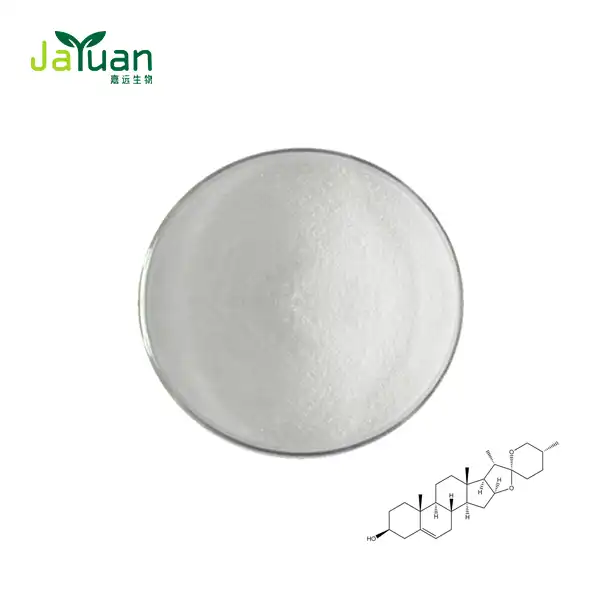
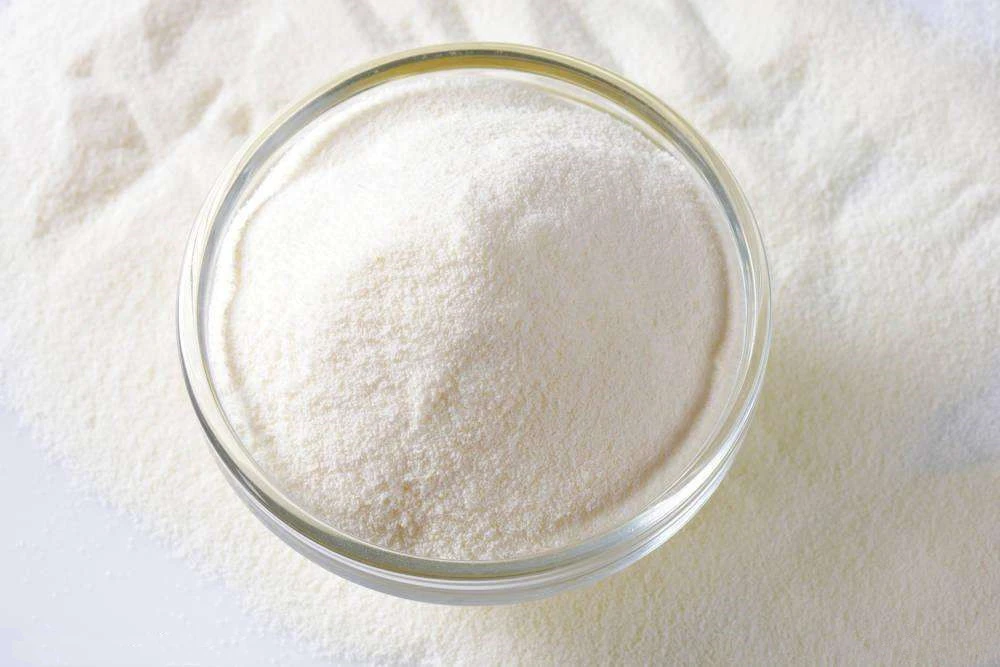
Diosgenin powder is a crystalline material that is white to off-white and has a melting point between 205 and 208°C. This shows that the crystals are very pure. With an HPLC assay of ≥98% at pharmaceutical grade, it doesn't dissolve in water at all but does dissolve in chloroform and ethanol. This lipophilic property controls how well it mixes with other substances and how it reacts in the Marker Degradation pathway toward 16-DPA synthesis. This means that procurement teams can count on a high level of yield efficiency and low side-reaction risk.
Because it has a structure similar to endogenous steroidal compounds, this phytosteroid ingredient is also studied in functional nutraceutical contexts, especially for female endocrine support and menopausal wellness supplement formulations. Knowing these two jobs helps buying officials choose raw materials that meet the needs of both regulations and product development goals.
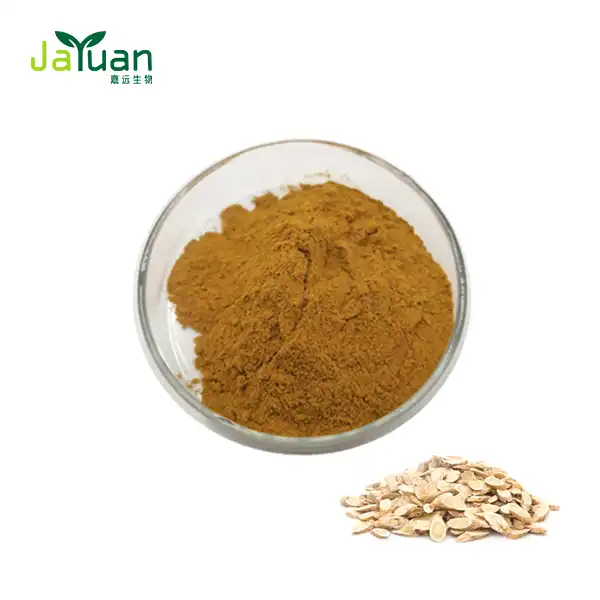
The plant source is important for the economy of extraction. Dioscorea zingiberensis, or turmeric yam, is native to the Qinling Mountains region of China. It naturally has a high saponin content, which makes it the best material for industrial use. Being close to where the raw materials are grown directly lowers input costs and keeps supply lines stable, which is very important for API manufacturers who are bound by long-term framework deals.
Comparative Insights — Evaluating Diosgenin Powder Among Alternatives
Diosgenin Powder vs. Wild Yam Extract and Other Botanicals
Not all products that come from wild yams are the same. Wild yam extract is usually standardized to a certain amount of total saponins, like 6% or 16%. Pure diosgenin powder, on the other hand, is the aglycone molecule that has been separated and is more than 95% pure. This difference is very important for industrial buyers because extract-grade material has different levels of impurities that make crystallization harder in later steps of steroid synthesis and increase the chance of stereo-selectivity failures during chemical modification.
Another plant-based sapogenin source is fenugreek extract, which has diosgenin powder in it but in lower natural quantities. This makes it a less cost-effective fuel for making a lot of APIs. When looking at different options, pharmaceutical buying teams always put the following first:
- Purity consistency: Pharmaceutical-grade diosgenin powder at ≥98% (HPLC) gets rid of the variable inputs that make it hard to repeat batches.
- Heavy metal compliance: High-quality diosgenin powder keeps heavy metal levels below 10 parts per million (ppm), which is in line with EP/USP pharmacopoeial standards.
- Residual solvent levels: Advanced crystallization and SMB chromatography processing greatly lower residual solvent levels, which is a necessary condition for regulatory applications.
- Traceability documentation: Supply chains that are certified as organic or GMP-compliant provide the audit record that pharmaceutical quality teams need when they are qualifying suppliers.
These factors together decide if a sapogenin ingredient can pass multi-department procurement review, which is a process that includes the buying, registration, and quality assurance teams all at the same time.
Selecting the Right Diosgenin Powder: Procurement Considerations for B2B Clients
Key Metrics That Drive Supplier Qualification
To effectively source this steroidal sapogenin intermediate from one business to another, you need more than just an analysis license. Before signing a long-term supply deal, procurement workers should look at a number of factors that affect each other.
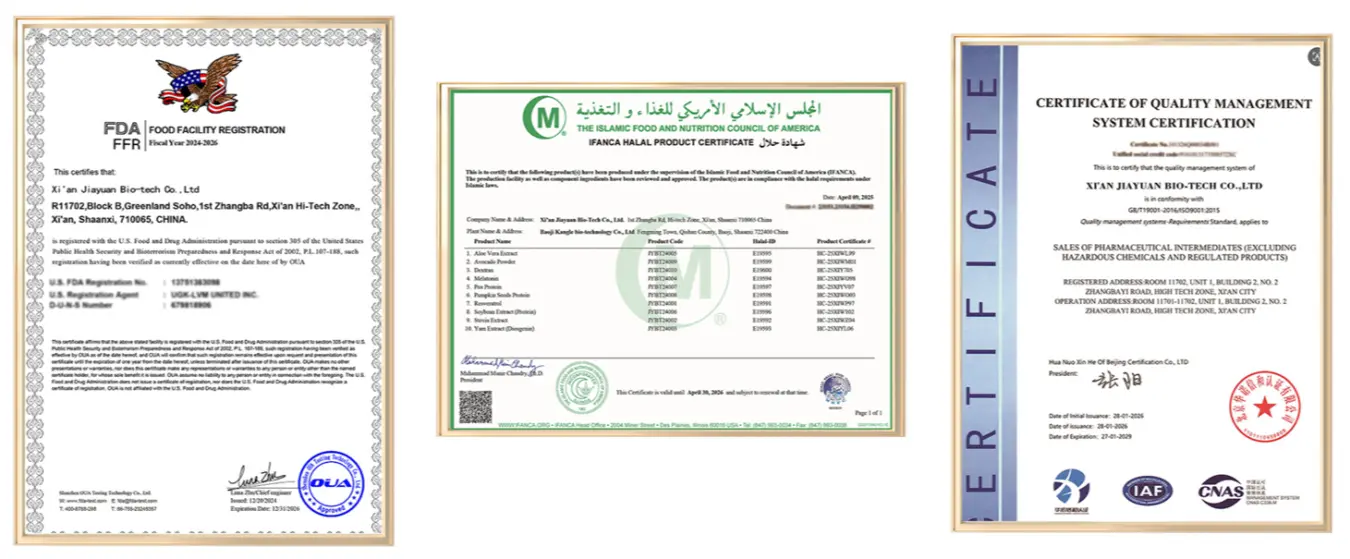
One of the most important checks is production capacity. A provider that can keep up monthly output of 150–200 MT without quality dropping is a sign of real industrial scale. To keep batch-to-batch purity above 98% at Jiayuan Bio-Tech, we use simulated moving bed (SMB) chromatography and a 10-ton annual production line structure. This lowers fixed costs by 40–60% compared to small-scale workshops. This is a fundamental cost benefit, not a claim made to market something. We make our diosgenin powder in a factory that is GMP and ISO 13485 approved.
Every decision about buying drugs is based on compliance documentation. For quality control, we use near-infrared spectroscopy to check the concentration in real time, along with offline HPLC and GC-MS testing. Before it is released, each batch is checked against EP/USP pharmacopoeial standards.
Stable packaging and shelf life finish off the picture of the supply chain. We keep the moisture level of our products below 0.5% and use sealed, nitrogen-filled packaging to keep them fresh for longer than three years. This is a big benefit for buyers who have to deal with long lead times or strategic inventory buffers.
Benefits of Using Diosgenin Powder in Plant-Based Compound Studies
How High-Purity Input Transforms Downstream Research Outcomes
The case for using diosgenin powder as a plant-based chemical study material is based on how well it can be repeated. If the source ingredient has a fixed purity profile, then every step in the synthesis process works from a known chemical starting point, whether it's breaking down to 16-DPA, fermenting, or crystallizing the hormonal API. When you add low-purity input, on the other hand, you add uncertainty that makes R&D take longer and causes more production waste.
Here are the main benefits our clients always use for procurement and operations:
- Synthesis yield predictability: Good diosgenin powder can convert about 45–50% of its weight to 16-DPA under ideal industrial conditions, which lets steroid API manufacturers do accurate COGS modeling.
- Nutraceutical versatility: The same pharmaceutical-grade sapogenin ingredient can be used to make supplements for women's health and menopause. This lets manufacturers make products for multiple markets using the same raw material.
- Bulk pricing efficiency: Our supply chain is vertically integrated, with direct cultivation agreements near the Qinling Mountains. This protects bulk pricing from spot-market raw material volatility, which is a common problem for procurement teams working on multi-year contracts.
- Regulatory risk mitigation: Diosgenin powder that is GMP-certified and comes with full pharmacopoeial documentation makes it much easier to follow the rules when registering a product in the US, EU, and Chinese markets.
These advantages collectively improve research accuracy, reduce production costs, and compress the timeline from ingredient procurement to market-ready formulation.
Future Trends and Opportunities in Diosgenin Powder Applications
Where the Plant-Based Steroidal Sapogenin Market Is Heading
The world's need for pharmaceutical compounds produced from plants is growing faster. Increasing customer demand for natural nutraceutical ingredients and regulatory pressure to move away from steroid precursors derived from animals are making phytosteroid chemicals like diosgenin powder more useful in a wider range of business areas.
New extraction methods, like ultrasonic-assisted extraction and dynamic countercurrent systems, are increasing the amount of raw materials that can be used by 30–50% compared to traditional immersion methods. At the same time, solvent recovery rates above 90% are making large-scale production more cost-effective. It's not just a side effect of these technical advances; they have a direct effect on the long-term price security of diosgenin powder for people who buy a lot of it.
Strategic business-to-business partnerships with suppliers that are vertically integrated can protect you from these changes in the market. When suppliers own their own cultivation base, extraction process, purification technology, and compliance documentation, they give procurement teams a single accountable party. This makes managing vendors easier and makes sure that supplies don't stop during regulatory cycles.
Conclusion
Diosgenin powder is an important part of the supply chain for plant-based compounds because it is used to make pharmaceutical intermediates and useful ingredients for food and medicine. It is the best thing for API makers, female health supplement brands, and research institutions that work on an industrial scale to buy because it is precise at the molecular level, follows pharmacopoeial standards, and can be produced in large quantities. Buying diosgenin powder can become a strategic asset for the supply chain if you choose a supplier with real technological depth, a base of raw materials that is vertically integrated, and a compliance infrastructure that has been checked.
FAQ
Q1: What distinguishes pure diosgenin powder from wild yam extract?
Wild yam extract is standardized to a certain amount of total saponins, like 6% or 16%. Pure diosgenin powder, on the other hand, is the isolated aglycone and is more than 95% pure. It is meant to be used in pharmaceutical synthesis or high-potency functional uses rather than as a general supplement.
Q2: What conversion yield can I expect from diosgenin to 16-DPA?
When used in the best possible manufacturing settings, high-quality diosgenin powder can usually convert about 45–50% of its own weight to 16-DPA.
Q3: Is plant-derived diosgenin powder suitable for vegan and non-GMO ingredient claims?
Yes. It is naturally vegan because it is a phytosteroid that comes from Dioscorea species. In our extraction method, we don't use any GMO carriers or triggers that come from animals.
Q4: How should diosgenin powder be stored to maintain chemical integrity?
Keep in a cool, dry place away from strong oxidizing agents in double-lined plastic bags inside fiber drums. Our sealed, nitrogen-filled package stays stable for more than three years.
Q5: What certifications support regulatory submissions?
Our diosgenin powder is made in a way that is approved by GMP and ISO 13485, and we have full HPLC, GC-MS, and EP/USP pharmacopoeial paperwork for regulatory dossiers.
Partner with a Trusted Diosgenin Powder Manufacturer — Jiayuan Bio-Tech
Jiayuan Bio-Tech sells pharmaceutical-grade diosgenin powder with GMP certification, SMB chromatography processing, and a supply chain that is vertically integrated close to the Qinling Mountains in China. We are a trusted source of diosgenin powder for API makers and nutraceutical brands around the world because we can produce a lot of it every month, our paperwork is EP/USP-compliant, and our bulk prices are low. Get in touch with our team to talk about requirements, samples, and long-term supply deals. For more information, please visit jayuanbio.com or email us at sales@jayuanbio.com and sales1@jayuanbio.com.
References
1. Marker, R. E., & Rohrmann, E. (1940). Journal of the American Chemical Society — Steroidal sapogenins and the Marker Degradation synthesis pathway.
2. Hollmann, A., & Bhattacharya, S. (2013). Phytochemistry Reviews — Diosgenin: Biosynthesis, extraction, and industrial applications.
3. Bhavsar, S. K., & Bhatt, D. L. (2018). Industrial Crops and Products — Optimization of diosgenin extraction from Dioscorea species for pharmaceutical use.
4. United States Pharmacopeia (USP 43-NF 38). (2020). USP Convention — Monographs and quality standards for steroidal intermediates.
5. European Pharmacopoeia (EP 10.0). (2019). Council of Europe — Standards for steroid sapogenin raw materials in pharmaceutical manufacturing.
6. Singh, R. P., & Prasad, H. K. (2021). Journal of Natural Products and Bioprospecting — Advances in plant-based steroid precursor production and supply chain sustainability.