
How Diosgenin Powder Supports Steroidal Saponin Research
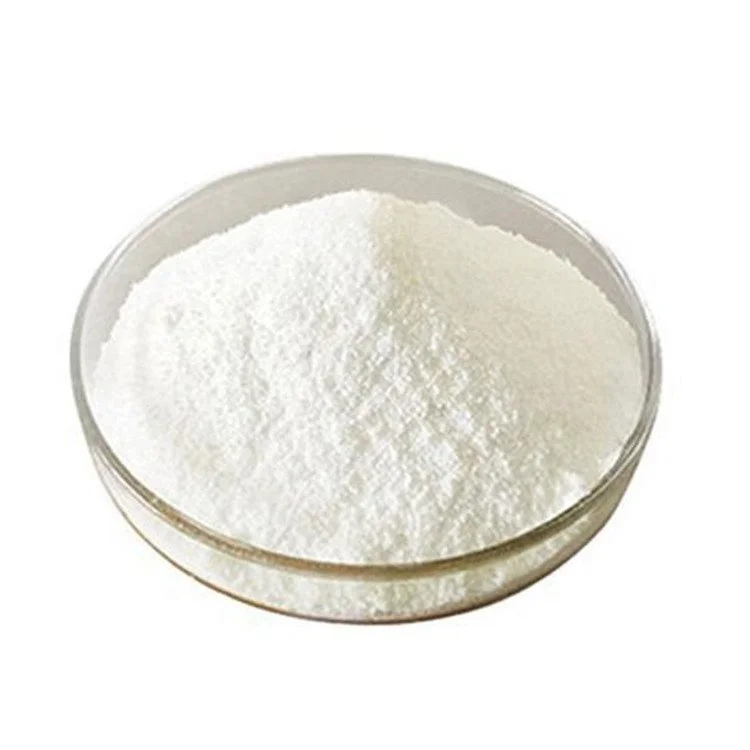
Diosgenin powder (CAS 512-04-9) is a high-purity steroidal sapogenin extracted primarily from Dioscorea species, commonly known as wild yam. As the foundational precursor in steroidal saponin research, it enables the semi-synthesis of key pharmaceutical intermediates including progesterone and corticosteroid precursors. Its molecular formula C₂₇H₄₂O₃ and defined spiro-ring structure make it the preferred starting material for Marker Degradation pathways. For B2B procurement teams across pharmaceutical API manufacturers and nutraceutical brands, sourcing standardized diosgenin powder directly determines synthesis efficiency, batch reproducibility, and downstream product quality.
Understanding Diosgenin Powder and Its Role in Steroidal Saponin Research
What Makes Diosgenin the Preferred Steroidal Sapogenin Scaffold
Diosgenin powder is the steroidal saponins found in Dioscorea zingiberensis and Dioscorea villosa roots in their pure aglycone form. Raw wild yam extract is only standardized to a certain amount of total saponins, like 6% or 16%. Pharmaceutical-grade diosgenin powder, on the other hand, gives you a single, chemically defined molecule with an HPLC test of 98% or higher. This difference is very important: crude extracts add impurities that mess up stereo-selectivity during chemical modification further down the line, but high-purity diosgenin powder makes sure that reaction rates are reliable and that side-products are kept to a minimum.
In industry, diosgenin powder is the starting material for more than 60% of the world's steroid hormone semi-synthesis. This includes the production of progesterone, testosterone derivatives, and corticosteroid intermediates. The Marker Degradation pathway changes diosgenin into 16-DPA (16-Dehydropregnenolone Acetate), which is the most important step in the process of making hormonal APIs. When used in the best possible factory conditions, high-quality diosgenin powder can convert about 45–50% of its own weight to 16-DPA. This is an important standard that shows why API manufacturers can't skimp on input purity.
Due to its structural similarity to endogenous steroid hormones, diosgenin powder is also used as a bioactive ingredient in functional nutraceuticals, especially in women's endocrine health formulations and menopause-support supplements.
Key Considerations for B2B Clients in Procuring Diosgenin Powder
Purity, Documentation, and Supplier Qualification
Most of the time, more than one party makes choices about how to buy diosgenin powder. Supplier qualification in pharmaceutical companies is a multi-step process that needs detailed paperwork from the very beginning. It involves the registration, quality assurance, and procurement departments all working together. Here are the main rating factors that procurement teams always put first:
- Purity requirements: HPLC tests should show that pharmaceutical-grade diosgenin powder is at least 98% pure, while industrial grades should stay at least 95% pure. Anything below this level causes significant yield drops in the synthesis process.
- Regulatory alignment: Certificates of Analysis must refer to EP/USP standards for heavy metals (< 10 ppm), residual solvents, and moisture content (≤ 0.5%). This makes regulatory applications go more smoothly.
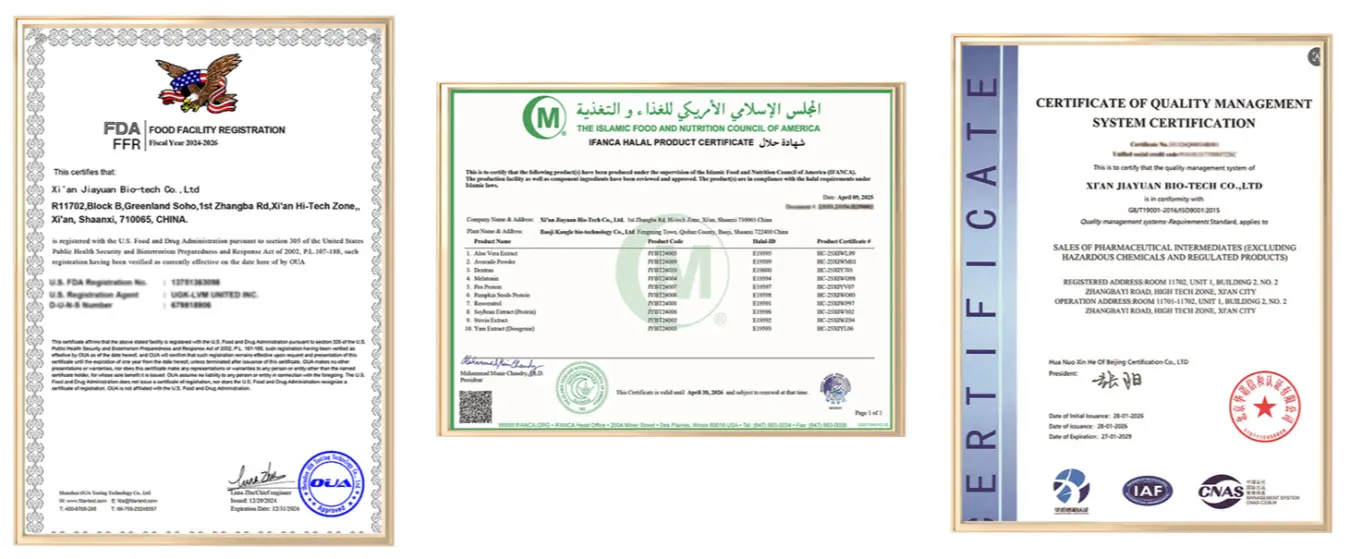
- GMP and ISO certifications: To sell their goods in the US, EU, and China, sellers must have valid GMP certification and, ideally, ISO 13485 certification, which makes sure that the whole manufacturing process meets standards, not just one batch.
- Monthly supply capacity: Companies that make steroid APIs need to be able to depend on numbers. Suppliers with proven production capacity that can keep up with 150–200 metric tons per month avoid buying bottlenecks and pipeline breaks.
- Sample availability and MOQ flexibility: Before making a business commitment, qualified providers should provide analytical samples. The MOQ structures should be able to handle both initial qualification batches and long-term framework deals.
Meeting the requirements for documentation up front cuts down on audit cycles and speeds up procurement timelines by a large amount.
How Diosgenin Powder Enhances Research Outcomes
From Synthesis Efficiency to Nutraceutical Innovation
When studying steroidal saponins, the quality of the starting material affects all the steps that follow. Studies that have been published in reputable journals show that using diosgenin powder with low amounts of leftover solvent and tightly controlled particle size distribution leads to more uniform crystallization results when making progesterone. Micronized diosgenin powder choices, in particular, make it easier for organic liquids like chloroform and ethanol to dissolve. This affects how well formulations work in both pharmaceutical and cosmetic uses.
As nutraceutical development has moved forward, companies that make hormonal health supplements for women have switched to diosgenin powder as a standard phytoestrogen ingredient. Its plant-based origin backs up claims that it is vegan and non-GMO, which is a growing consumer preference that brand managers use to position their products. There were no animal-based enzymes used to separate the ingredient from its plant-based source, so label statements are clear and can be checked.
When the input data is consistent, analytical validation is also more likely to work. Near-infrared spectroscopy and HPLC methods work more consistently when batches of diosgenin powder have a stable chemical profile. This means that quality control laboratories don't have to do as many investigations into products that don't meet specifications.
Overcoming Challenges in Steroidal Saponin Research with Diosgenin Powder
Supply Volatility and Quality Inconsistency — Solved Through Integration
One of the things that buyers of diosgenin powder hate the most is how the prices of raw materials change all the time. Prices for dioscorea tubers change with the seasons and based on how farming is doing in the area. This has a direct effect on the prices of diosgenin on the spot market. Without long-term supply deals, procurement teams that are in charge of handling API output schedules that span multiple quarters can't handle cost changes that are hard to predict.
This structural weakness is fixed by makers that are vertically linked. When a seller has in-house cultivation deals close to China's Qinling Mountains, which is a main production area for Dioscorea, the prices of raw materials stay stable, and it's easy to track them from the field to the finished powder. This geographical benefit means that bulk prices are more competitive and changes to number can be made more quickly.
The problem of extraction consistency is similar. When using traditional immersion-based extraction methods, the amount of saponin produced can vary from batch to batch. Dynamic countercurrent extraction and ultrasonic-assisted extraction are 30–50% more effective at extracting substances than standard methods, and they use less liquid as well. Then, simulated moving bed (SMB) chromatography makes it possible to keep purifying, which keeps the purity of the diosgenin powder above 98% throughout production runs. When you use a DCS (Distributed Control System) to exactly control pH, temperature, and solvent ratios, human error is reduced to a minimum. This makes group uniformity a real result that can be checked, not just an ideal.
Operating costs are further lowered by solvent recovery systems that recover at least 90% of the ethanol or methanol used. This makes large-scale production of diosgenin powder affordable for buyers who negotiate bulk prices.
Future Trends and Innovations in Diosgenin-Related Research and Procurement
Expanding Applications and Sustainable Sourcing
More people want to buy diosgenin powder. New research is looking into its structural analogs in cosmetics that aim to make skin more elastic and slow down the aging process. Multinational drug and supplement companies are making ESG commitments, which is driving up the demand for steroidal sapogenins that are certified organic and sourced in a way that doesn't harm the environment.
Green manufacturing methods, such as treating wastewater with zero liquid discharge (ZLD) technology and composting plant waste, are no longer just extras that buyers can choose from. They are now required. Buyers who agree with EHS standards give environmental compliance more weight during checks.
Chinese manufacturers are seen as long-term strategic partners rather than transactional commodity suppliers because their purification processes are protected by patents and the government supports biopharmaceutical development incentives. Setting up framework agreements now, before demand really rises, helps procurement teams make sure that prices stay stable and that priority items are given out when supply is limited.
Conclusion
Diosgenin powder is an important part of research on steroidal saponins and the supply chains for pharmaceutical intermediates. Because it has a clear chemical structure, is easily changed into key synthesis intermediates, and can be used in a wide range of pharmaceutical and nutraceutical settings, it is a top choice for both API makers and supplement brands. Sourcing decisions depend on how pure the product is, how well it's documented in pharmacopeias, how long the supply will last, and how clear the costs are. Working with companies that use cutting edge extraction technology, vertical supply chain integration, and strict compliance infrastructure makes research results more stable and product pipelines stronger.
FAQ
Q1: What distinguishes pure diosgenin powder from wild yam extract?
The amount of total saponins in wild yam extract is fixed to a certain level, like 6% or 16%. Pure diosgenin powder is the aglycone molecule that has been separated and is at least 95% pure. It is meant to be used in chemical synthesis or as a high-potency functional ingredient, not as a supplement.
Q2: Which Dioscorea species produces the most cost-effective diosgenin powder?
Turmeric Yam, Dioscorea zingiberensis, is better for industrial extraction because it naturally has more saponin. The plant source changes the amount of diosgenin powder that is extracted, but not its chemical structure.
Q3: How should diosgenin powder be stored to maintain stability?
Diosgenin powder doesn't like being wet. To store things correctly, they need to be kept in cool, dry places away from strong oxidizing agents in double-lined polyethylene bags inside fiber drums. Nitrogen-filled, sealed packaging makes food last longer—for more than three years.
Q4: Is diosgenin powder compatible with vegan and non-GMO product claims?
Yes. As a steroid precursor that comes from plants, diosgenin powder is naturally vegan. It is possible for finished products to have both vegan and non-GMO claims if they don't use any GMO carriers or animal-derived triggers during separation.
Q5: What monthly supply volumes are realistic from a qualified manufacturer?
Established makers with large-scale production lines can safely provide 150–200 metric tons per month, and they can provide capacity certifications that can be used for supplier qualification checks.
Partner with Jiayuan Bio-Tech — Your Trusted Diosgenin Powder Supplier
Jiayuan Bio-Tech provides pharmaceutical- and industrial-grade diosgenin powder that is pure to within 98%, has full GMP and ISO certifications, and a stable monthly capacity. Their supply chain is fully integrated and is close to China's main Dioscorea farming region. Our team handles clearing taxes in the US and EU, so your item gets to you ready to use. Get a sample or talk about pricing for bulk orders right now.
📧 sales@jayuanbio.com | sales1@jayuanbio.com
References
1. Marker, R. E., & Rohrmann, E. (1940). Journal of the American Chemical Society — Steroidal sapogenins and the degradation of diosgenin to pregnenolone acetate.
2. Bhatt, N., et al. (2012). Biotransformation of diosgenin and its applications in steroid hormone biosynthesis. Steroids, 77(11), 1076–1089.
3. Sautour, M., et al. (2004). Steroidal saponins from Dioscorea species: Chemistry and biological activities. Phytochemistry Reviews, 3(1–2), 201–218.
4. Patel, K., & Patel, D. K. (2017). Diosgenin as a pharmaceutical and nutraceutical agent: A review of biological activities and industrial applications. Journal of Dietary Supplements, 14(4), 456–472.
5. Sethi, P. D. (2019). HPLC Quantitative Analysis of Pharmaceutical Formulations. CBS Publishers — Chapter on steroid intermediate analysis including diosgenin powder characterization.
6. United States Pharmacopeia (USP) Convention. (2023). United States Pharmacopeia and National Formulary (USP–NF) — Monographs and reference standards relevant to steroidal sapogenin intermediates.
You May Like
0