

Where to Buy Resveratrol Powder: Supplier and Import Checklist
When sourcing resveratrol powder for your pharmaceutical, nutraceutical, or cosmetic formulations, finding a reliable supplier who can guarantee purity, compliance, and consistent delivery becomes your top priority. This comprehensive guide walks you through the critical evaluation criteria, import compliance requirements, and procurement strategies that will help you secure high-quality trans-resveratrol for your manufacturing needs while avoiding common pitfalls in international sourcing.
Understanding Resveratrol Powder in B2B Procurement
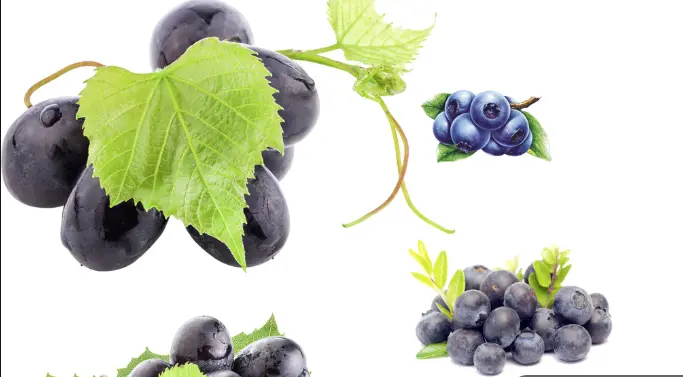
Resveratrol powder stands out as one of the most sought-after plant extracts in the health and fitness business today. This powerful antioxidant comes mostly from Polygonum cuspidatum (Japanese knotweed) and grape skins. It has caught the attention of companies that make everything from anti-aging skin care products to supplements that help people live longer.
Distinguishing Trans-Resveratrol from Other Isomers
Resveratrol's biological activity depends a lot on how its molecules are arranged. Trans-resveratrol is the stable, bioactive form that has been proven to work in clinical studies. The cis-isomer, on the other hand, is mostly an impurity that works much less well. When looking at different providers, you should always ask for an HPLC test to prove that trans-resveratrol makes up at least 98% of the total resveratrol content. This difference has a huge effect on how well the final product works, especially in nutritional uses where standard dosing has a direct effect on how well customers do.
Purity Levels and Their Impact on Formulation
For different uses, different purity requirements are needed. To meet strict government rules, pharmaceutical companies need material that is at least 99% pure. On the other hand, cosmetic companies can usually get away with using material that is at least 95% pure. The rest of the amount is usually made up of natural plant chemicals, which may work better together in some formulations. Knowing these details helps you match the requirements for ingredients to your product development goals without spending too much on purity levels that aren't needed.
Source Materials and Their Quality Implications
Grapes do contain resveratrol, but Polygonum cuspidatum is used for most industrial production because it has higher natural amounts and is less expensive. Suppliers who run their own cultivation bases and have vertically integrated supply chains can offer better batch-to-batch stability and clear tracking. This integration is especially helpful when you need to meet organic certification standards or put a lot of emphasis on sustainable buying practices for your brand.
How to Evaluate and Choose Reliable Resveratrol Powder Suppliers
To choose the right supplier, you need to carefully look at a lot of different factors. Your choice will have a big effect on not only the quality of your products right away, but also on the long-term reliability of your supply chain and your reputation in the market.
Essential Certifications and Quality Systems
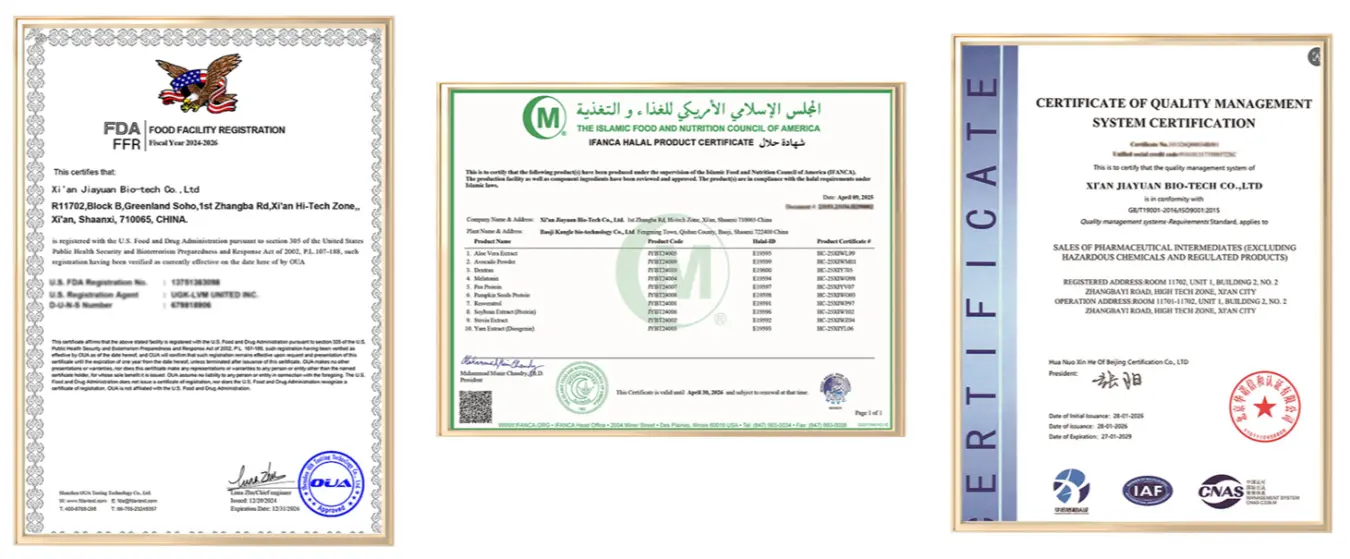
Premium providers keep a lot of different certifications that show they are dedicated to quality and following the rules. If a factory has GMP (Good Manufacturing Practice) certification, it means that they follow strict rules for cleanliness, documentation, and process control that are used in pharmaceuticals. Getting ISO 13485 certification is especially important if you're making medical devices or supplements that will be used in hospitals. In addition to these basic needs, you should look for providers who can give you batch-specific Certificates of Analysis (CoA) that show HPLC confirmation of purity, heavy metal testing, microbiological screening, and residue solvent analysis.
Advanced Production Technologies
The way a product is made has a direct effect on both its quality and how much it costs. When compared to traditional immersion methods, suppliers who use high-efficiency extraction methods like dynamic countercurrent extraction or ultrasonic-assisted methods get 30% to 50% higher yields. Prices are more competitive without lowering quality because of this efficiency. Using simulated moving bed chromatography (SMB) for advanced chromatographic purification lets production go on all the time while keeping purity levels above 98%, which is very important when you need to make sure that the same standards are met for multiple orders of resveratrol powder.
Supply Chain Capabilities and Logistics Reliability
If it comes late or gets held up in customs, even the best resveratrol powder loses its value. When deciding which suppliers to work with, look at how much experience they have with international shipping, especially with destinations in your target markets. Suppliers who have long-term logistics ties with companies like FedEx, DHL, UPS, and foreign freight forwarders can handle complicated shipping needs more quickly and easily than those who only do exports sometimes.
Minimum Order Quantities and Pricing Structures
Knowing the minimum order quantity (MOQ) helps you plan your inventory and cash flow. Some manufacturers need at least 25 to 50 kilograms of an order, while others are willing to work with smaller trial quantities for product development. Keep in mind that unit prices usually go down a lot as production rates go up. For example, a production line that makes 10 tons of goods a year can get unit costs 40% to 60% lower than small-batch production because of economies of scale.
When negotiating prices, don't just look at the per-kilogram rate; also think about the total cost of ownership. If a supplier has solvent recovery systems that can recover at least 90% of the ethanol, they are likely to have more stable long-term prices because their systems are more efficient. In the same way, people who take out multiple high-value components from source materials at the same time can spread costs across multiple revenue streams, which can make prices for individual ingredients more competitive.
Importing Resveratrol Powder: Essential Compliance and Checklist
To successfully import nutritional products, you have to find your way through a complicated web of rules that are very different from one place to another. By knowing these requirements ahead of time, you can avoid delays that cost a lot of money and make sure your goods meet all the standards that apply.
Regulatory Frameworks in Key Markets
United States Requirements: The Dietary Supplement Health and Education Act (DSHEA) gives the Food and Drug Administration (FDA) control over dietary supplement ingredients. Resveratrol powder has to meet certain requirements for its identity, purity, strength, and make-up. Importers need to make sure that suppliers show proof that the ingredient is either Generally Recognized as Safe (GRAS) or has the right New Dietary Ingredient (NDI) notification if it was introduced after 1994. cGMP rules for food supplements must be followed by finished goods (21 CFR Part 111).
European Union Standards: The EU has tighter rules about new foods. Resveratrol has been used in foods since before 1997, but some types or ways of extracting it may need a new food license. Importers need to make sure that providers can show proof of traditional use or new food approval. Materials must meet EU standards for cleanliness and maximum amounts of pesticide residue.
Essential Documentation Package
Making a full paperwork file can help you avoid delays at customs and problems with following the rules. Each package from your provider should include the following:
- Certificate of Analysis with test results for each batch
- Certificate of Origin indicating the country of manufacture
- Phytosanitary certificates when required by your destination country
- Material Safety Data Sheet (MSDS) detailing handling and safety information
- Statement of allergen content and GMO status
- Heavy metal test reports (lead, arsenic, cadmium, mercury)
- Microbiological test results
- Residual solvent analysis
- Stability data supporting stated shelf life
Quality Verification Upon Receipt
There are risks that come with relying only on documentation given by the provider. Putting in place a quality control process for receiving adds another layer of protection. When packages come in, check them visually for damage to the packaging, signs of wetness, and any signs of contamination. Keep some samples from each batch that are typical so that a third party can test them and make sure they are correct.
Comparing Resveratrol Powder Options: Making the Best Choice for Your Business
There are different types and grades of resveratrol powder on the market, and each one is best for a certain use or formulation. Knowing about these choices helps you make smarter decisions about sources that are in line with your product development goals.
Powder versus Capsule Forms
Pure powder gives you the most formulation options because you can control the exact dose and mix it with other active ingredients in any way you want. When it comes to processing, resveratrol powder works best in places that already know how to encapsulate or crush tablets. Because the material is lipophilic and doesn't dissolve well in water (less than 0.03 mg/mL), it needs to be mixed in a certain way. Usually, this means pre-dissolving it in glycols, adding it to lipid matrices, or using microencapsulation technologies.
Trans-Resveratrol versus Resveratrol Glucoside
Standard trans-resveratrol powder has been shown to have bioactive properties, but it can be hard to formulate in water-based systems. For water-based uses, resveratrol 3-O-glucoside powder is an interesting option. This glycosylated form dissolves much better in water, which makes it perfect for functional drinks, anti-aging essences, and brightening serums that need to be clear and stable. After eating, intestine enzymes cut the glucose part, releasing active resveratrol and possibly making uptake better through glucose transporters.
Organic versus Conventional Sourcing
Organic certification comes with higher prices, but it opens up new markets where "clean label" placement drives buying choices. Organic ingredients are often needed for products that are sold to health-conscious customers or through natural product stores to meet shop standards and meet customer demands. Conventional material has the same chemical structure and bioactivity as organic material, but it costs less. This makes it good for mass-market products where organic claims don't affect people's decisions to buy.
Identifying Reputable Suppliers
Xi'an Jiayuan Bio-Tech is a great example of the kind of provider that makes long-term relationships work. The company is close to the Qinling Mountains, which is a major production area for botanical raw materials in China. This gives them direct access to high-quality materials and helps them make biopharmaceuticals with regional tax breaks and government support. The company's production skills show that it has the level of technology know-how you want in a main seller. They use two types of quality control: near-infrared spectroscopy for real-time online tracking and HPLC and GC-MS for thorough offline testing to make sure that every batch meets EP/USP pharmacopoeia standards.
Procurement Best Practices and Strategies to Maximize Value
Strategic procurement is more than just looking for the best deal. It also means building relationships with suppliers that help your business grow by providing consistent quality, a steady supply, and quick service.
Negotiating Volume-Based Advantages
Most sellers have tiered pricing systems that reward customers who make bigger promises for resveratrol powder. Instead of only negotiating about price per kilogram, try to come up with creative solutions that are good for both sides. By setting up annual supply deals with deliveries every three months, you can lock in volume prices and spread out your cash outflow over the course of the year. Some suppliers offer consignment plans or warehouse stocking services that help you keep less inventory on hand while still making sure you can get what you need when you need it.
Implementing Rigorous Quality Audits
Both parties are protected when quality agreements are made that spell out accepted standard ranges, testing methods, and settlement procedures. Set up regular checks by a third-party lab, especially when adding new suppliers or after making changes to the process. This outside validation gives customers and regulatory authorities objective proof that your quality claims are true. On-site supplier checks are very helpful for learning about manufacturing methods, quality systems, and the transparency of the supply chain.
Optimizing Storage and Handling Protocols
To keep the protective qualities of trans-resveratrol, it needs to be stored in the right way. Keep your goods in cases that won't let light in at temperatures that are always below 25°C and with low humidity. Because the material is photosensitive, it can change from the active trans form to the less active cis form after just a short time in direct sunlight or bright artificial lighting. Using a first-in, first-out inventory rotation system keeps things from being stored for too long, which could affect their stability.
Establishing Effective Dosing Guidelines
Trans-resveratrol has affects in finished goods that depend on the dose. Nutraceutical products usually have 100 to 500 mg per serving, but products that focus on heart health and long life use higher doses. When making cosmetics, smaller amounts (0.5–2%) are usually used, taking into account how stable the product needs to be and the skin benefits that are wanted. When you work with providers who offer expert support, you can get the best dosing for your needs.
Conclusion
Finding high-quality resveratrol powder means balancing a lot of different factors, such as purity requirements, supplier dependability, regulatory compliance, and the overall cost of ownership. The best methods for buying things don't just look at prices; they also look at things like technology, quality systems, how resilient the supply chain is, and the chance to work together. By using the evaluation criteria and import tasks in this guide, you can be sure to find sellers who can help you reach your goals for new products while still meeting the quality standards your customers expect.
FAQ
1. What purity level of resveratrol powder should I specify for dietary supplements?
For nutraceutical uses, the best results come from pharmaceutical-grade material that is 98–99% pure (HPLC verified). This standard makes sure that the product has the right amount of trans-resveratrol and no other chemicals. This helps with regular doses and making sure that the product always works well. Higher amounts of inactive cis-resveratrol or plant matrix components that dilute active resveratrol powder may be found in lower purity grades.
2. How can I verify that imported resveratrol powder meets quality claims?
Ask for Certificates of Analysis that are specific to each batch and show the results of HPLC testing, heavy metal screening, microbiological testing, and residual solvent analysis. Do third-party proof tests on a regular basis through independent labs that know how to analyze plant extracts. On-site checks of suppliers give people even more faith in quality systems and manufacturing methods.
3. What storage conditions preserve resveratrol powder quality during warehousing?
Keep in airtight containers that won't let light in at temperatures below 25°C and controlled humidity. When the compound is exposed to light, it can change isomers from the active trans form to the less active cis form. The best security is nitrogen-filled packaging from your provider. When stored correctly, things stay stable for longer than three years.
Partner with Jiayuan Bio-Tech: Your Trusted Resveratrol Powder Supplier
Xi'an Jiayuan Bio-Tech delivers pharmaceutical-grade and cosmetic-grade trans-resveratrol resveratrol powder backed by advanced extraction technology and comprehensive quality systems. Our production facility near the Qinling Mountains provides direct access to premium Polygonum cuspidatum raw materials, while our simulated moving bed chromatography purification process maintains stable purity above 98%. We hold GMP and ISO certifications meeting regulatory requirements across the United States, Europe, and China. Contact our experienced team at sales@jayuanbio.com or sales1@jayuanbio.com to discuss your specific requirements and request complimentary samples.
References
1. Baur, J.A. & Sinclair, D.A. (2006). Therapeutic potential of resveratrol: the in vivo evidence. Nature Reviews Drug Discovery, 5(6), 493-506.
2. Walle, T. (2011). Bioavailability of resveratrol. Annals of the New York Academy of Sciences, 1215(1), 9-15.
3. Cottart, C.H., Nivet-Antoine, V., & Beaudeux, J.L. (2014). Review of recent data on the metabolism, biological effects, and toxicity of resveratrol in humans. Molecular Nutrition & Food Research, 58(1), 7-21.
4. Sergides, C., Chirilă, M., Silvestro, L., Pitta, D., & Pittas, A. (2016). Bioavailability and safety study of resveratrol 500 mg tablets in healthy male and female volunteers. Experimental and Therapeutic Medicine, 11(1), 164-170.
5. Li, H., Xia, N., & Förstermann, U. (2012). Cardiovascular effects and molecular targets of resveratrol. Nitric Oxide, 26(2), 102-110.
6. Alonso, C., Martí, M., Martínez, V., Rubio, L., Parra, J.L., & Coderch, L. (2017). Antioxidant cosmetic formulations: skin delivery and protection. Cosmetics, 4(4), 45-58.
You May Like
0