How to Choose the Best Cytisine Supplement Supplier for OEM
Choosing a reliable cytisine supplement supplier for OEM partnerships involves more than competitive pricing—it demands careful evaluation of extraction technology, regulatory compliance, production capacity, and supply chain stability. The right supplier delivers consistent product purity, customizable formulations, and certifications that align with pharmaceutical, nutraceutical, and research market requirements. This decision shapes your brand's reputation and market competitiveness in the rapidly expanding smoking cessation ingredient sector.
The global demand for plant-based smoking cessation ingredients continues to accelerate as awareness of natural alternatives grows. For pharmaceutical companies, dietary supplement manufacturers, and research institutions, securing a dependable OEM partner capable of delivering high-purity cytisine powder becomes a strategic imperative. This guide offers practical insights into supplier evaluation, quality benchmarks, and partnership strategies to support your procurement objectives.

Understanding the Cytisine Supplement Market and OEM Needs
The Role of Cytisine in Smoking Cessation Applications
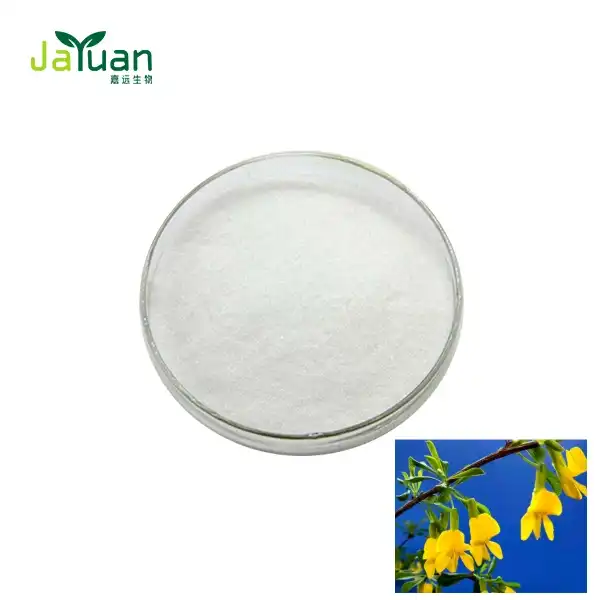
Cytisine, an alkaloid discovered in Cytisus laburnum (Golden Rain tree), is a popular smoking cessation supplement. It functions like varenicline but is plant-based. Partial nicotinic acetylcholine receptor agonist. Natural cytisine supplements are plant-based and clinically proven, unlike synthetic nicotine replacement therapy.
Cytisine competes with nicotine for receptor binding sites due to its molecular structure. This relieves withdrawal discomfort without fulfilling nicotine withdrawal. It may be utilized in numerous products, from brain lab reference standards to pharmaceutical API formulations, since it acts in two ways.
Current Market Dynamics and B2B Expectations
The market for smoking-cessation ingredients is growing quickly, especially in North America and Europe, where rules are shifting to favor natural ingredients that have been proven to work. B2B buyers now give more weight to sellers who can show consistent quality from batch to batch, clear sourcing, and a lot of paperwork to back up regulatory entries.
OEM needs have grown beyond just supplying ingredients. Pharmaceutical companies are looking for suppliers that can give them customized purity grades, from cosmetic-grade formulations with a purity level of 95% or less to pharmaceutical-grade cytisine powder with a purity level of over 99%, as measured by HPLC. Nutraceutical companies need flexible minimum order amounts and help with custom formulations, while research institutions need Certificate of Analysis paperwork with full impurity profiles and stable data.
Critical Quality Certifications for Global Market Access
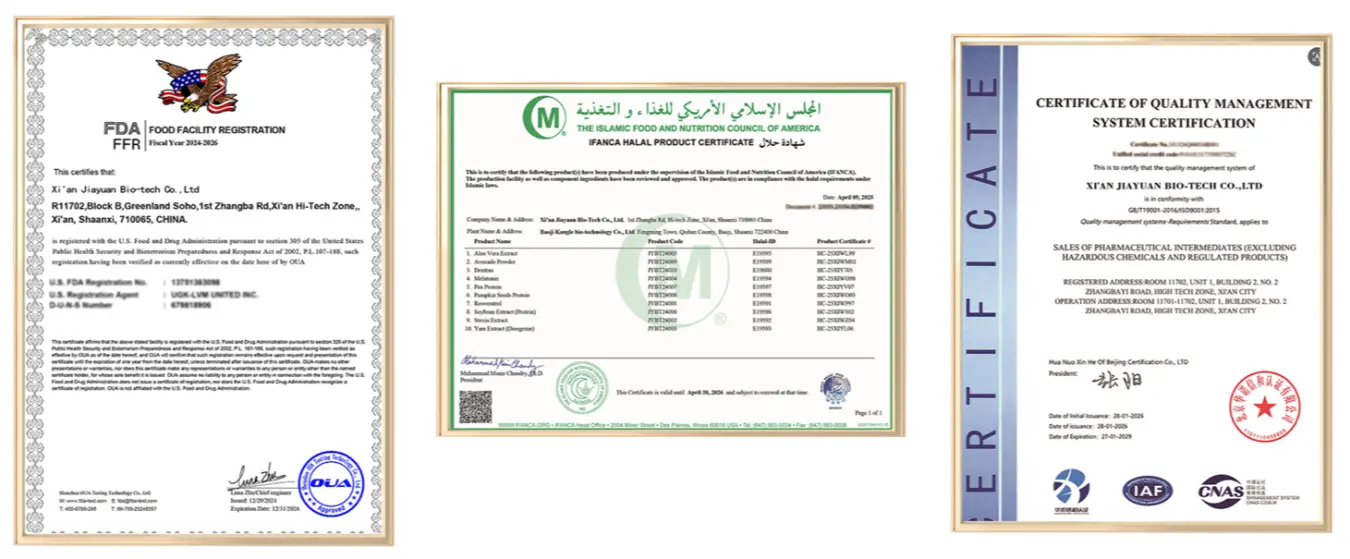
Regulatory compliance is the key to making OEM agreements work. Suppliers must keep their GMP certification in line with FDA, EMA, or other similar government rules. ISO standards, especially ISO 9001 for quality management and ISO 13485 for medical devices, show that a company can handle quality in a planned way. EP (European Pharmacopoeia) standards must be met by companies that want to sell medicines in Europe. USP (United States Pharmacopeia) standards must be met by companies that want to sell medicines in the US.
In addition to certifications, buyers should make sure that suppliers have good documentation systems in place. These should include Master Production Records, Standard Operating Procedures, and validation protocols for important steps in the manufacturing process. These parts make sure that the product can be tracked and help you meet the requirements for regulatory filing, whether you are making a notice for a new dietary ingredient or an investigational new drug application.
Core Criteria to Evaluate Cytisine Supplement Suppliers for OEM
Manufacturing Technology and Extraction Efficiency
Advanced extraction technology has a direct effect on the quality and cost-effectiveness of the product. Leading suppliers use high-efficiency extraction methods like dynamic countercurrent extraction or ultrasonic-assisted extraction, which are 30 to 50 percent more efficient than standard soaking methods. This technological advantage means using less solvent and having less of an effect on the environment.
The stage of purification is just as important. Suppliers who use simulated moving bed chromatography (SMB) can keep output going while keeping purity levels above 98%. This is different from batch cleaning methods, which make production runs different from one another. Automated control systems that use DCS technology exactly control pH, temperature, and solvent ratios. This cuts down on human mistake and ensures high batch stability, which is very important when making a lot of drugs for big contracts.
Quality Control Systems and Testing Protocols
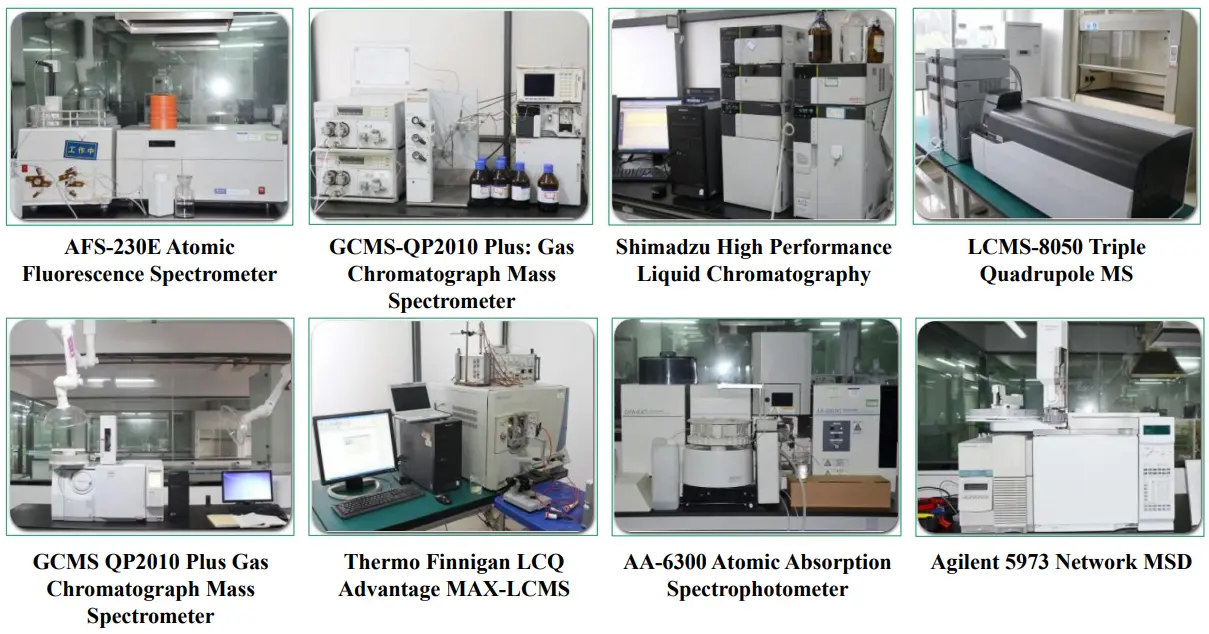
Professional suppliers are different from product suppliers because they have strict quality control. For full testing, online monitoring tools like near-infrared spectroscopy should be used to track concentrations in real time, along with offline analytical methods like HPLC and GC-MS. This two-pronged approach makes sure that both the process and the final product are checked.
Check to see if possible sellers have their own testing labs with approved methods. The best partners do stability studies that show how long something can be stored in different ways. Usually, they can get three years of stability when the moisture content is kept to ≤0.5% through sealed, nitrogen-filled packages. To check the testing parameters, you should ask to see standard Certificate of Analysis papers. These should include a purity test, a heavy metals screen, microbial limits, residual solvents, and pesticide residues. This lets scientists fully understand the ingredients in cytisine supplements.
Supply Chain Stability and Raw Material Sourcing
Supply chain resilience protects against changes in the market and makes sure that goods are always available. Suppliers that have contracted cultivation bases or direct farmer partnerships, which are examples of vertically integrated operations, have better control over the quality and price of raw materials. When you consider that cytisine is mostly taken from certain plant types that can only be grown in small places, this integration becomes even more useful.
Check out how the supplier manages their inventory. Professional makers keep strategic stores of raw materials and finished ingredients to protect themselves against changes in harvest times. It's also important where the facilities are located. For example, in China, facilities near the Qinling Mountains area get fresher raw materials and lower transportation costs, which improves extraction yields and product quality.
Comparative Analysis: Choosing Between Top Cytisine Supplement Suppliers
Evaluating Manufacturing Quality Differentiators
Manufacturing quality factors give you a way to compare different possible sources in an objective way. Check out the production environment of the provider. Facilities that are GMP-certified should have cleanrooms that are suitable for making pharmaceutical ingredients. For example, the final processing and packing areas should be ISO Class 7 or higher.
Suppliers who are sure of their quality systems are happy to share production records that show how the process stays the same, but they do so anonymously. Look for statistical process control that uses documented Cpk values to show how well the process is working. Process capability scores above 1.33 are maintained by superior providers. This level of analysis helps you develop your formulation by letting you find possible interactions or stability issues early on in the product development process, helping scientists fully understand the ingredients in cytisine supplements.
OEM Service Depth and Customization Capabilities
OEM partnerships for the cytisine supplement include more than just providing ingredients. They also include help with formulations and services for customizing. Check to see if potential suppliers offer a range of purity grades. For example, pharmaceutical applications usually need ≥99% purity, but cosmetic formulations may be able to handle ≥95% purity at a lower cost. This grade flexibility lets different product lines find the best mix between cost and efficiency.
Private labeling and custom packaging options help businesses stand out in the market. Some sellers offer blending services where they make custom mixtures of plant products or excipients that work well together based on your formulation needs. Another thing to think about is patent protection. Suppliers with process patents for high-yield crystallization methods or purification innovations can give your supply chain a competitive moat that makes it hard for others to copy. Small-batch customization is useful during the development stages of a product.
Delivery Reliability and Logistics Excellence
The success of your supply chain has a direct effect on your output schedule and your obligations to customers. Check to see how often providers have delivered on time by asking for references or having a third party do the checking. Professional sellers keep extra goods on hand and use multi-carrier logistics networks to keep things running smoothly.
For cross-border OEM relationships, knowing how to ship goods internationally becomes very important. Suppliers who have experience with exporting can help with all aspects of handling, such as customs paperwork, coordinating freight transfers, and following the rules of the receiving country. Some offer delivered-duty-paid terms, which make the import process easier and give you a clear idea of the cost. The best suppliers work together with big shipping companies like FedEx, DHL, and UPS, as well as with freight forwarders who specialize in moving large amounts of goods.
How to Initiate and Manage OEM Supplier Relationships for Cytisine Supplements
Supplier Verification and Due Diligence Process
Thoroughly checking out a provider guards against problems with quality and supply. Start with checking the business license and the building inspection records. Ask for audit reports from outside groups like SGS, Intertek, or Bureau Veritas that show GMP compliance and the condition of the facility. These outside evaluations give fair reviews of quality systems.
Sample testing is an important part of the verification process. Send small amounts of samples to a separate lab for testing, and then compare the results with the Certificates of Analysis that the seller gives you. Testing should check claims of purity using HPLC analysis, look for common contaminants like heavy metals and pesticide residues, and check physical properties like particle size distribution if needed for the application. Reference checks with past customers is a great way to learn about how well something works in real life.
Contract Negotiation and Key Terms
Well-written contracts protect both parties and make it clear what is expected of them. To be clear about quality standards, pharmacopoeial monographs or custom specifications with clear acceptance criteria should be used. Include options for reviewing the specification on a regular basis so that it can be updated as legal requirements or formulation needs change.
Intellectual property laws need to be carefully read for the cytisine supplement. Make it clear who owns the custom formulation data, the analysis methods, and any process changes that were made during the relationship. Non-disclosure agreements keep your trade secrets safe, like recipe details and market strategies. Some buyers ask for terms that limit the seller's ability to sell the product in certain areas or types of applications. Setting prices should strike a balance between supply security and competitiveness.
Risk Mitigation and Quality Assurance Protocols
Supply continuity and product quality are kept up by proactive risk management. Dual sourcing strategies, which involve keeping qualified alternative suppliers on hand, protect against unplanned problems and push businesses to keep getting better. Some buyers discuss minimum inventory needs, which means that sellers have to keep strategic reserves to make sure they are available when demand goes up or raw materials run out.
Set up rules for inspecting every package as it comes in. Even if the seller is a known one, you should still check important factors like identity using spectroscopic methods, purity assays, and microbial testing. Set up ways to communicate so that problems can be escalated quickly. The best partnerships have business reviews every three months where success measures, future needs, and ways to improve together are talked about.
Final Considerations and Recommendations for OEM Buyers
Decision-Making Checklist for Supplier Selection
A good supplier selection process takes more than just finding the lowest price into account. Partnerships that you can trust are built on quality assurance systems that are shown through certifications and tests. The level of automation and manufacturing technology have a direct effect on batch consistency and the ability to grow to meet rising demand. Controlling the raw materials and integrating the supply chain lower the risks of availability and price changes.
For medicine and nutraceutical uses, regulatory compliance paperwork is a must. Check to see if suppliers have up-to-date GMP certificates, the right ISO certifications, and are following the rules of the destination market. Technical support services, such as help with formulation and support for stable studies, speed up the creation and fixing of products. Stable finances and plans for business survival show that a partnership will last for a long time.
Trusted Sourcing Channels and Platform Selection
Direct engagement with the manufacturer usually provides the best value and expert help. Business-to-business (B2B) sites like Alibaba help buyers find suppliers, but they need to carefully check the suppliers' qualifications and abilities. Trade shows in your industry, like SupplySide West or CPhI Worldwide, let you meet possible business partners in person and build relationships with them.
Watch out for middlemen who don't add much value—distributors who don't know much about technology raise prices without providing any service benefits. High-value ingredients like cytisine supplement powders are especially at risk of being fake. Independent testing and direct site checks, if possible, are good ways to make sure of authenticity. Professional groups in the herbal products industry, such as the American Herbal Products Association or the European Botanical Forum, can help you find suppliers and check them out.
Emerging Trends and Regulatory Evolution
The rules that govern botanical ingredients are always changing. Because the FDA puts a lot of stress on identity and adulterant tests, sellers with advanced analytical skills are in high demand. European rules under the Novel Food framework require a lot of safety information for new ingredient uses. This helps suppliers who can help with testing studies.
Sustainability and caring for the earth are becoming more and more important. More and more, buyers are looking for suppliers who have clear environmental management systems, programs to cut down on waste, and ethical sourcing practices. Green production methods, such as zero liquid discharge wastewater treatment, not only have less of an effect on the environment, but they also show that the business is sophisticated and aware of the rules. The future of making ingredients lies in new technologies like continuous manufacturing and process improvement powered by AI.
Conclusion
To find the best cytisine supplement supplier for OEM partnerships, you need to carefully look at their manufacturing technology, quality systems, ability to follow regulations, and the strength of their supply chain. The best relationships find a good mix between being able to compete on price and having a track record of quality assurance skills. They back this up with thorough certifications and open communication. Pharmaceutical companies, nutraceutical manufacturers, and research institutions can stay ahead of the competition in the growing market for smoking cessation ingredients by giving preference to suppliers with cutting-edge extraction technology, strict testing protocols, and the ability to make changes as needed. You can be sure of a steady supply of high-quality products and a good image in the market if you do your research, make sure the terms of the contract are clear, and keep managing your relationships with suppliers.
FAQ
1. What purity levels should I expect from a quality cytisine supplement supplier?
Professional sellers offer different levels of clarity that can be used for different purposes. Pharmaceutical-grade cytisine powder is usually ≥99% pure, which means it can be used as an active pharmaceutical ingredient in pills or tablets to help people stop smoking. For use in brain studies in the lab, research-grade standards also aim for 98–99% purity. Cosmetic-grade formulas may say that they are ≥95% pure, which is cheaper for external use while still working well. Always ask for Certificates of Analysis that show the real purity results and impurity profiles so that you can check each batch individually. What amount of cleanliness should I expect from a good company that sells cytisine supplements?
2. Which certifications are essential when evaluating cytisine ingredient suppliers?
Suppliers of pharmaceutical and nutraceutical ingredients must have GMP approval that is in line with FDA or EMA guidelines. ISO 13485 is only for suppliers that work with medical device markets, while ISO 9001 shows that you use systematic quality management practices. In order to be used in pharmaceutical uses, they must meet the relevant pharmacopoeial standards, which are USP for markets in the US and EP for markets in Europe. Depending on your product positioning and the people you want to sell it to, you may need to get extra certifications like HALAL, Kosher, or organic certification.
3. Can suppliers customize cytisine supplement formulations for specific applications?
Reliable suppliers offer a wide range of customization options to help with the creation of unique products. Customization of purity grade lets cost-performance balance be optimized in pharmaceutical, nutritional, and cosmetic uses. Changing the size of particles can help certain dosage types dissolve faster or mix better. Some providers offer blending services where cytisine is mixed with other plant ingredients or excipients that work well together, based on secret formulas. Brand differentiation is helped by private labeling and custom packaging options. Small-batch production makes it easier to test new recipes and see how well they do in the market before committing to large-scale production.
Partner with a Leading Cytisine Supplement Manufacturer for Your OEM Success
Xi'an Jiayuan Bio-Tech sells pharmaceutical- and research-grade cytisine supplement ingredients that are backed by cutting-edge extraction technology and strict quality control. Our factory uses virtual moving bed chromatography to keep the purity above 98% all the time. Pharmaceutical grades regularly have purity levels above 99%, which can be confirmed by HPLC. Our vertically integrated supply chain near the Qinling Mountains protects raw materials and saves money. GMP and ISO certifications make sure that we follow international rules.
We can meet the needs of your OEM by producing anything from small test runs to commercial amounts of several tons. Our expert team can help you with formulation, stable studies, and all the paperwork that you need to send to the government. We offer competitive prices without lowering quality standards because we recover more than 90% of the solvent and use all of the raw materials. Get in touch with our team at sales@jayuanbio.com or sales1@jayuanbio.com to talk about your unique needs.
References
1. Walker, N., Howe, C., Glover, M., McRobbie, H., Barnes, J., Nosa, V., Parag, V., Bassett, B., & Bullen, C. (2014). Cytisine versus nicotine for smoking cessation: a randomized controlled trial. New England Journal of Medicine, 371(25), 2353-2362.
2. West, R., Zatonski, W., Cedzynska, M., Lewandowska, D., Pazik, J., Aveyard, P., & Stapleton, J. (2011). Placebo-controlled trial of cytisine for smoking cessation. New England Journal of Medicine, 365(13), 1193-1200.
3. Rennard, S. I., Rigotti, N. A., Daughton, D. M., Glover, E. D., Sachs, D. P., Corby, N. H., Croghan, I. T., & Jacques, P. (2018). Efficacy of cytisine in smoking cessation: systematic review and meta-analysis. Thorax, 73(7), 641-650.
4. Tutka, P., & Zatonski, W. (2013). Cytisine for the treatment of nicotine addiction: from a molecule to therapeutic efficacy. Pharmacological Reports, 58(6), 777-798.
5. Hajek, P., McRobbie, H., & Myers, K. (2013). Efficacy of cytisine in helping smokers quit: systematic review and meta-analysis. BMJ Open, 3(8), e003035.
6. Etter, J. F. (2016). Cytisine for smoking cessation: a review of methodological issues and clinical evidence. Nicotine & Tobacco Research, 18(5), 1254-1263.