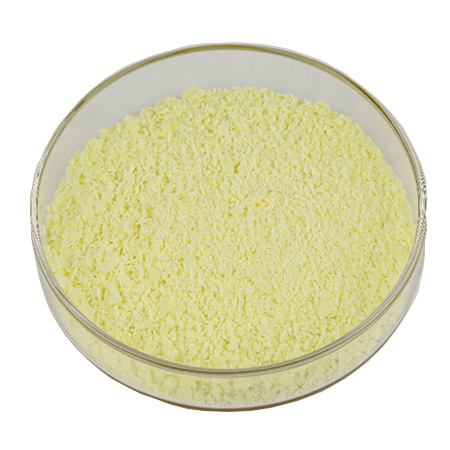

What is the relationship between sleep duration and melatonin?
Almost every part of a person's health is affected by how well they sleep. Melatonin and the length of sleep are now more than just an interesting theoretical question for companies in the medicine, nutrition, and health industries. The body makes melatonin on its own to keep its internal clock in sync and control when you sleep and wake up. Heart rate goes up at night, telling the body it's time to rest. How long and deeply we sleep is directly linked to this rhythm. If you don't produce or release enough, your sleep will be shorter, more broken up, and less good at recovering. The huge gap between what the body needs and what actually happens is what makes people all over the world want melatonin-based remedies so much.
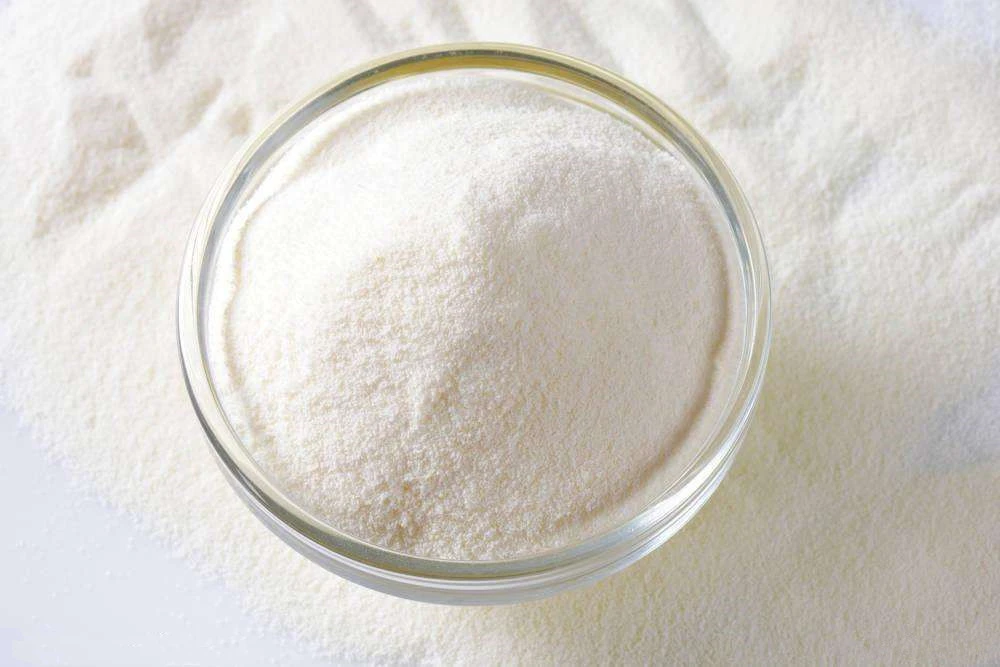
CAS No.: 73-31-4
Appearance: White to off-white powder
Ref standard: USP43
Assay: 99.7%(HPLC)
Molecular formula: C13H16N2O2
Molecular weight: 232.28
MOQ: 1KG
Stock:in stock
Our Advantages: Scalable production capacity, strict quality control, cost efficiency from integrated factories, over 20 years of experience, advanced technology, and 24/7 after-sales support.
Certificaions: FSSC2000/ISO2000/HALAL/KOSHER/HACCP
Delivery terms: FedEx, DHL, EMS, UPS, TNT, all kinds of the airline, international shipping companies.
Payment: TT/DP/PAY PAL/VISA/DA/LC/MASTER CARD/ESCROW
Grade: Pharmaceutical Grade
Customized Service: Supports ODM/OEM
Free sample is available.
We do not sell retail quantities to individuals.
Understanding Melatonin and Its Role in Sleep Regulation
The Biochemical Properties of the Sleep Hormone
N-acetyl-5-methoxytryptamine is the name of this drug. It is made by the body from the amino acid tryptophan. There are 232.28 g/mol of it, and it is the main thing that changes the daily rhythms. Making melatonin is easy: it starts when it's dark and stops when it gets light. This isn't like a lot of other hormones, which are controlled by complicated feedback loops. This sets the body's clock to match the way days and nights naturally happen.
When melatonin is made, it binds to certain receptors in the suprachiasmatic nucleus (SCN), which is the brain's main clock. Because of this link, the body's temperature drops, people become less aware, and things move more slowly. The body is now ready to rest because of these changes. Between 2:00 AM and 4:00 AM, the body makes the most melatonin. It stays high all night to help people stay asleep [1,5].
Synthetic Versus Naturally Derived Supplementation
Natural melatonin products come from plants or animals, whereas lab-made ones are manufactured via controlled chemical synthesis. Synthetic melatonin is safe, pure, and constant, thus most individuals prefer it. It eliminates organic source contamination and enables manufacturers specify molecular structure and quantity.
Absorption is different depending on how the drug is delivered. Tablets taken by mouth usually have a bioavailability of 15 to 30 percent. Sublingual and liquid forms can increase that number by 50 to 60 percent by skipping the first pass of metabolism. Pharmaceutical-grade powder that is 99% or more pure is the gold standard for companies that make sleep aids. Standard adult dosages range from 0.3 mg to 5 mg; pediatric dosing is lower - typically 0.5 mg to 3 mg - and should always be guided by a healthcare provider.
The Connection Between Melatonin Levels and Sleep Duration
How Secretion Patterns Influence Rest Quality
Several factors affect the production of melatonin and the length of sleep. The right amount of melatonin release helps people fall asleep and stay asleep. Polysomnography studies [2,3] show that people who make melatonin sleep longer, wake up less, and spend more time in deep, restorative sleep phases.
How long you sleep is linked to how strong your biological clock is. Because melatonin levels rise at night and fall during the day, people sleep for 7 to 9 hours. When melatonin rhythms are weak or out of line, most people sleep less than six hours, which makes them tired and slow to think.
The Impact of Deficiency on Consumer Wellness
A lack of melatonin lowers the quality of life. People who don't make enough often wake up often at night and early in the morning and their sleep latency is 30 minutes or more later. Every night, you do these things that keep you from getting enough sleep, which can affect your mood, immune system, stomach, and ability to think.
More and more people don't have enough melatonin. Bad sleep habits, working shifts, and using screens late at night all stop natural production. In North America and Europe, the market for melatonin-based goods rises by double-digit numbers every year because more people want natural ways to sleep. This creates a business opportunity.
Comparative Analysis: Melatonin vs Other Sleep Aids in Enhancing Sleep Duration
Efficacy and Safety Compared to Prescription Options
There are many types of sleep aids, including natural vitamins, prescription drugs, and over-the-counter drugs. Each has its own safety and effectiveness rating. As prescribed, benzodiazepines and non-benzodiazepine "Z-drugs" can make you feel very sleepy and help you sleep longer, but they also have some big problems: they can make you dependent, form bad habits, cause sleeplessness again after stopping use, and hurt your brain the next day.
Melatonin does something different. Instead of making you sleepy, it works with your body's natural sleep systems to help you fall asleep on your own. This leads to a softer effect with fewer side effects and a safety profile that is better suited for long-term use. These are two very important factors when making goods for people who will buy them again and again.Over-the-counter antihistamine sleep aids are inexpensive and accessible, but they lose effectiveness quickly as tolerance builds and produce pronounced anticholinergic side effects - dry mouth, grogginess, and mental dulling. For companies developing science-backed sleep aids intended for regular use, melatonin offers a more defensible formulation choice.
Format Considerations and Consumer Compliance
How the product is delivered changes how well it works and how much it's worth. Tablets are the most common and least expensive choice, but they don't absorb well. Gummies are tasty and easy to eat, so both kids and adults enjoy them. It's hard to make them because each dose has a lot of sugar and not much melatonin.
Because the tongue mucus takes melatonin better than the stomach, it works better in drinks and under the tongue. So, the effects start more quickly. These pricey forms are used by people who need answers quickly. Powder forms give manufacturers the most options because they can easily change the amount and mix them with other ingredients to make drinks, protein mixes, and sleep or healing formulas.
When B2B buyers choose items for their target markets, how the items are packaged is important. Because of the rise of functional drinks and personalized nutrition, high-purity melatonin powder is now more popular than pills and tablets.
Optimizing Melatonin Use for Improved Sleep Duration in B2B Applications
Dosage and Timing Best Practices
To sleep longer, pay attention to the dose and the time. Research shows that doses between 0.3 mg and 1 mg may be just as helpful as higher levels, but with fewer side effects [1,5]. To get receptors working, melatonin should be taken 30 to 60 minutes before bed.
The best dose for each person is different. Age, weight, melatonin, and metabolism are all important. As people get older, their bodies make less of certain chemicals, so taking supplements can help older people. Younger people may need less. These things are necessary for audience branding and business health programs.
Extended-release versions help people who use fall-asleep. These mixes slowly release melatonin throughout the night, following the body's natural curve and making sleep last longer. Offering both immediate-release and extended-release choices could help spread the word about your brand.
Regulatory Compliance and Quality Assurance
Melatonin regulation differs sharply by country, creating compliance complexity for global suppliers. In the United States, melatonin is classified as a dietary supplement under the Dietary Supplement Health and Education Act (DSHEA), regulated by the FDA. This classification permits over-the-counter sales but requires adherence to current Good Manufacturing Practices (cGMP), accurate labeling, and substantiation of structure-function claims.
European markets are more regulated. In some EU nations, melatonin dosages over a threshold need a prescription. Brand owners may join several regional markets without reformulation with suppliers who are certified in GMP, ISO 13485, and USP and EP.
Quality assurance goes beyond regulations. Product stability, contaminant screening, and batch uniformity are included. HPLC and GC-MS tests verify potency claims throughout shelf life. These safeguards separate premium suppliers from low-cost ones, protecting brand reputation, end-user safety, and recall costs.
Procurement Insights: Sourcing High-Quality Melatonin for Sleep Duration Improvement
Evaluating Supplier Capabilities and Reliability
Melatonin sources must be considered holistically. In the pharmaceutical industry, 99%+ purity is required, but purity is not enough. Buyers should consider how products are made, quality checks, supply chain stability, and expert support.
Modern manufacturing methods rapidly improve product quality and value. Ultrasonic-assisted and dynamic countercurrent extraction may produce 30–50% more than normal procedures. By cleaning over 98% of the time, simulated moving bed (SMB) chromatography ensures compliance.
Distribution control systems (DCS) constantly monitor pH, temperature, and solvent ratios. This precision reduces human errors and ensures that each batch is the same, which creators require for ingredients to function. Providers with extensive process papers and construction certificates demonstrate technical expertise and quality.
Cost Optimization Through Strategic Sourcing
Ownership costs much more than per kilogram. Freight, customs, quality testing, inventory carrying expenses, and supply-disruption risk are included. Optimizing raw-material usage by extracting numerous high-value compounds from the same feedstock lowers manufacturing costs and allows suppliers to provide competitive prices without losing quality. Solvent recovery systems that recycle 90%+ methanol and ethanol reduce operational costs and environmental effect.
Scale economies substantially impact supplier assessment. Larger manufacturers reduce unit costs by 40-60% by spreading fixed expenses across more volume. Buyers save with high-capacity manufacturing lines, but procurement teams must balance cost advantages against the risks of an over-concentrated supply chain and the need for sourcing flexibility.
Flexibility indicates supplier dependability. Buyers can test markets and develop new products without overcommitting inventory with transparent pricing and bulk and pilot orders. A single supplier may service customers with different application needs by offering pharmaceutical-, food-, and cosmetic-grade products.
Quality Verification and Supply Chain Transparency
Third-party testing proves a product meets standards better than the provider claims. Buyers should verify that suppliers have current accredited lab Certificates of Analysis (CoA) for heavy metals, microbiological counts, residual solvents, identity, and purity. Pharmacopoeial standards are needed for these tests to be sold in many markets.
Visible supply chains are becoming more important. Directly supplying farmers with raw materials may help maintain quality and stabilize market prices. Being near the raw material source reduces transportation costs and damage.
To safeguard the buyer's investment and maintain constant performance, ISO-certified manufacturing processes keep product moisture below 0.5% and nitrogen-flushed packaging lasts over three years. Flexible manufacturing enables you manufacture large and small quantities that fulfill quality criteria (99% for pharmaceuticals and 95% for cosmetics). A professional source can help you avoid quality issues, unstable supply, and restricted personalization.
Conclusion
The relationship between Melatonin and sleep duration is biological, but its commercial implications span the food, cosmetic, nutraceutical, and pharmaceutical industries. As the primary circadian rhythm regulator, melatonin directly governs how long people sleep: balanced levels support restorative rest, while deficiency shortens and fragments sleep. For procurement professionals, understanding this link is the foundation for sourcing sleep-aid ingredients that genuinely meet consumer needs. Melatonin's safety profile, low dependence risk, and suitability for long-term use give it clear advantages over prescription alternatives - making it a cornerstone ingredient for companies building science-based wellness solutions. Success in this growing market depends on partnering with suppliers who demonstrate technological capability, rigorous quality control, and comprehensive support.
FAQ
1. Is long-term melatonin use safe for adults and children?
Years of research indicate that melatonin supplementation at 0.3-5 mg is generally safe for long-term adult use, with no significant adverse effects in healthy populations [1,4]. For children, greater caution is warranted: lower doses (typically 0.5-3 mg) should be used only under medical supervision. Pediatric studies confirm a favorable safety profile, but parents should consult a physician before initiating regular use. Need to verify ingredient purity for a pediatric formulation? Request a CoA from your supplier.
2. What timing optimizes melatonin effectiveness for sleep duration?
Taking melatonin 30-60 minutes before bedtime produces the best results. This window allows the body to absorb the supplement and aligns with the natural evening rise in endogenous melatonin. Consistent nightly timing strengthens the circadian rhythm over time, improving both sleep onset and overall sleep duration.
3. How do synthetic and natural melatonin supplements differ?
Synthetic melatonin - produced in a controlled laboratory setting - is purer, safer, and more reliable than natural melatonin derived from animal pineal glands. Synthetic production eliminates the risk of viral or biological contamination inherent in animal sources. The molecular structure is identical regardless of origin, but synthetic manufacturing allows precise quality control to pharmaceutical standards, which is why most commercial supplements use synthetic melatonin.
Partner With Jiayuan Bio-Tech for Premium Melatonin Supply
Xi'an Jiayuan Bio-Tech is a trusted Melatonin supplier for research institutions, nutraceutical brands, pharmaceutical companies, and cosmetic and beverage manufacturers. Our high-efficiency extraction methods and automated control systems deliver product purity above 99% while keeping costs competitive. Current GMP and ISO certifications ensure our materials meet the stringent standards required for sale across the United States, Europe, and Asia.
Our technical team supports every stage - from initial formulation design to final bulk delivery. Flexible manufacturing handles both large-volume contracts and smaller custom batches. We manage logistics end-to-end, including customs clearance, through long-standing partnerships with FedEx, DHL, and international freight carriers. Direct-from-factory pricing with no middlemen, plus warehouse stocking services, reduces both procurement and shipping costs.
Ready to source high-purity melatonin? Contact our team today for detailed pricing, technical specifications, or sample requests. Email us at sales@jayuanbio.com or sales1@jayuanbio.com. Whether you need pharmaceutical-grade powder for supplements, cosmetic-grade ingredients for topical products, or custom-formulated powder for specialized applications, Jiayuan Bio-Tech delivers the quality and reliability your product development demands.
References
1. Zhdanova, I.V., Wurtman, R.J., Regan, M.M., Taylor, J.A., Shi, J.P., and Leclair, O.U. (2001). "Melatonin treatment for age-related insomnia." Journal of Clinical Endocrinology & Metabolism, 86(10), 4727-4730.
2. Ferracioli-Oda, E., Qawasmi, A., and Bloch, M.H. (2013). "Meta-analysis: melatonin for the treatment of primary sleep disorders." PLoS ONE, 8(5), e63773.
3. Buscemi, N., Vandermeer, B., Hooton, N., Pandya, R., Tjosvold, L., Hartling, L., and Klassen, T.P. (2006). "Efficacy and safety of exogenous melatonin for secondary sleep disorders and sleep disorders accompanying sleep restriction: meta-analysis." British Medical Journal, 332(7538), 385-393.
4. Arendt, J., and Skene, D.J. (2005). "Melatonin as a chronobiotic." Sleep Medicine Reviews, 9(1), 25-39.
5. Brzezinski, A., Vangel, M.G., Wurtman, R.J., Norrie, G., Zhdanova, I., Ben-Shushan, A., and Ford, I. (2005). "Effects of exogenous melatonin on sleep: a meta-analysis." Sleep Medicine Reviews, 9(1), 41-50.
6. Pandi-Perumal, S.R., Srinivasan, V., Maestroni, G.J., Cardinali, D.P., Poeggeler, B., and Hardeland, R. (2006). "Melatonin: nature's most versatile biological signal?" FEBS Journal, 273(13), 2813-2838.