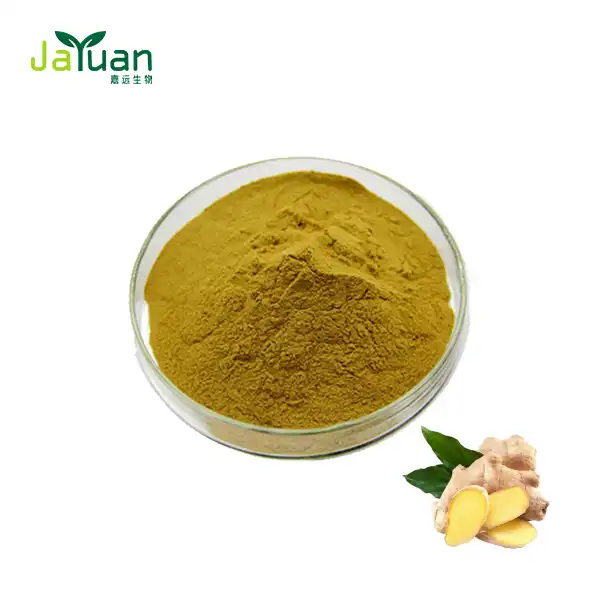

Astaxanthin Powder vs Krill Oil: Key Differences Explained
Astaxanthin Powder vs krill oil – what is better? Depends on what your recipe requires most. Concentrated form of an antioxidant (typically microalgae such as coccus pluvialis) in microencapsulated form Active 2 to 5% concentration. Krill oil is derived from krill in Antarctic seas and has a greater variety of nutrients such as omega-3 fatty acids, phospholipids and the natural astaxanthin, although in lesser amounts. “Each ingredient plays a different role in pharmaceutical, cosmetic, nutraceutical and food products. The first step to choose the proper one is to understand the variations in composition, purity, and therapeutic emphasis of the source alternatives.
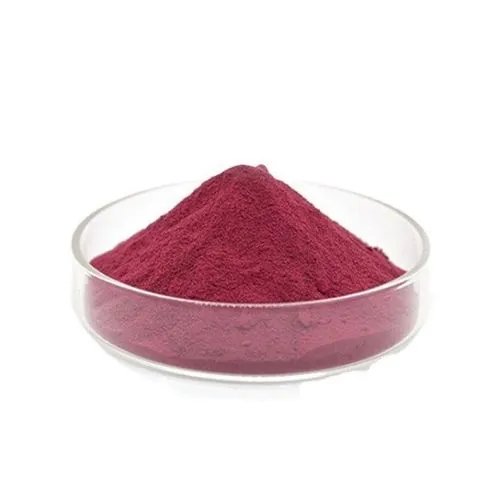
Purity: 1%-10%
Appearance: Dark red powder
CAS NO.: 472-61-7
Molecular Weight: 596.85
Molecular Formula: C40H52O4
MOQ: 500G-1KG
Inventory: in stock
Our Advantages: Scalable production capacity, strict quality control, cost efficiency from integrated factories, over 20 years of experience, advanced technology, and 24/7 after-sales support.
Certificaions: FSSC2000/ISO2000/HALAL/KOSHER/HACCP
Delivery terms: FedEx, DHL, EMS, UPS, TNT, all kinds of the airline, international shipping companies.
Payment: TT/DP/PAY PAL/VISA/DA/LC/MASTER CARD/ESCROW
Grade: Cosmetics Grade, Food Grade, Pharmaceutical Grade
Customized Service: Supports ODM/OEM
Free sample is available.
We do not sell retail quantities to individuals.
Understanding Astaxanthin Powder and Krill Oil
Marine-derived compounds have revolutionised the formulation of nutritious and therapeutical goods. Astaxanthin powder and krill oil are two different approaches: one is antioxidant power, the other is a multi-nutrient matrix. So let’s talk out how they’re different.
Extraction Methods and Source Materials
Most Astaxanthin Powder is extracted from algae Haematococcus pluvialis grown in controlled fermentation settings. Good brands will utilize low temperature supercritical CO2 extraction to keep the molecular structure of the carotenoid intact and to prevent solvent residues. This approach avoids heat degradation and gives predominance of the physiologically active (3S, 3’S) stereoisomer. The oleoresin obtained is microencapsulated with starch, gelatin or gum arabic to get a solid powder having a bulk density of 0.45–0.65 g/mL.
Krill oil is obtained from the Antarctic krill, Euphausia superba. Krill oil is typically obtained by enzymatic or solvent extraction processes. The finished product has around 30% omega-3 fatty acids (EPA and DHA), 40% phospholipid and 100-1500 mcg astaxanthin per gram – far less than pure astaxanthin ingredients.
Compositional Profiles and Active Components
Efficacy and compatibility with formulation are driven by molecular composition. Natural Astaxanthin Powder is mostly made up of esterified forms (monoesters and diesters), which enhance its stability during storage. Its conjugated double bond structure with terminal hydroxyl and keto groups enables the molecule to traverse the whole bilayer of cellular membranes. That unusual location is why astaxanthin is so powerful in neutralising free radicals on both sides of the membrane.
Jiayuan Bio-Tech is committed to keeping levels of heavy metals, microbial counts, solvent residues and foreign nucleic acids well under rigorous compliance standards. We do routine testing of the residue on the filter paper and it always comes back with a high purity all through the batch. In our highest grade material, we see almost nil contaminants as compared to competitor goods. That purity translates straight into increased antioxidant activity and better formulation results.
Krill oil phospholipid matrix better for omega-3 absorption than typical fish oils But, its astaxanthin content is too low for antioxidant-specific formulations, as compared to Astaxanthin Powder. Phosphatidylcholine contains a few extra brain-boosting attributes of choline, but it also brings certain stability issues that product makers need to consider when formulating.
Core Differences Between Astaxanthin Powder and Krill Oil
For procurement professionals, a few key distinctions drive ingredient selection and recipe development.
Antioxidant Potency and Concentration
Astaxanthin has been shown to be 6000 times more effective than vitamin C and 550 times more strong than vitamin E in several antioxidant assay models (Ambati, Bhati, et al., 2014). Normal clinical dose is 4-12 mg/day. This may be readily accomplished by encapsulating or tableting 2–5% assay-standardized powders. This concentration makes it possible for formulators to produce antioxidant supplements to meet a particular need without increased dosage amounts.
Astaxanthin is a natural preservative in krill oil and is responsible for the red color of the oil. For example, a typical 1000 mg krill oil softgel can contain only 0.1-1.5 mg of astaxanthin, which is not enough for applications that demand high levels of antioxidant activity. And to match a certain astaxanthin composition, you would require unfeasibly large volumes of krill oil. The benefit here is the omega-3 supply rather than the antioxidant action.
Stability and Shelf Life Considerations
Commercial shelf life and product development depend on storage stability. The premium Astaxanthin Powder protects the carotenoid core from oxygen and heat with double-shell technology. Potency is preserved for 24–36 months in vacuum-sealed aluminum foil packaging with oxygen scavengers below 25°C and away from direct light. Unlike beta-carotene, astaxanthin does not become a pro-oxidant at greater concentrations, making it safe in a wide range of formulations.
Emulsion technology makes the naturally lipophilic molecule water-friendly in cold water dispersible (CWD) grades, which are used in beverages and functional drinks. Deterioration increases above 40 °C. Jiayuan Bio-Tech conducts accelerated stability testing to ensure product safety throughout the shelf life.
Krill oil has a naturally mixed fatty acid composition which makes it prone to oxidation. The phospholipid component provides some protection but manufacturers often supplement it with antioxidants such as vitamin E to prevent it from becoming rancid. Nitrogen-flushed softgels increase survivability, although oxidative degradation is a bigger worry than with stable astaxanthin powders.
Procurement Considerations for B2B Buyers
Finding a reliable ingredient supplier requires evaluating multiple factors that affect product quality, regulatory compliance, and cost efficiency.
Quality Certifications and Testing Protocols
Reputable suppliers maintain GMP certification, ISO 22000 food safety management systems, and relevant organic certifications (USDA, EU) for natural-source Astaxanthin Powder. Certificates of Analysis (COA) for each production batch should include:
- HPLC analysis confirming stated assay potency
- Heavy metal screening for mercury, lead, cadmium, and arsenic
- Microbial testing (total plate count, yeast, mold, coliforms)
- Solvent residue analysis where applicable
- Oxidation indicators: peroxide value and anisidine value
- Particle size distribution for powder grades
Our labs use advanced analytical equipment to verify all parameters before releasing any batch. Filter paper residue testing consistently shows that our Astaxanthin Powder meets higher purity standards than many competing sources—a advantage that translates into better formulation performance and greater consumer safety.
Natural vs Synthetic Sourcing
Stereoisomeric structure profoundly affects bioactivity and regulatory state. Natural Astaxanthin powder Haematococcus pluvialis is a mixture of almost 100% of (3S, 3’S) isomer, the strongest antioxidant. Synthetic alternatives derived from petrochemical operations are racemic mixes, with just 25% of the appropriate isomer. They are mostly used for aquaculture feed, not for human consumption . The main marketplaces are now discriminating between natural and manufactured versions and purchasers are strongly favouring chemicals from algae.
Quality differentiation should include “natural source” in procurement criteria and necessitate stereoisomer testing for each batch. Exclusively farmed Haematococcus pluvialis for clean-label compliance in pharmaceutical, nutraceutical and cosmetic applications. Jiayuan Bio-Tech grows and uses only farmed Haematococcus pluvialis, ensuring consistent (3S, 3’S) configuration.
Sustainability and Traceability Standards
Environmental responsibility influences both purchasing decisions and brand reputation. Krill oil sourcing requires evidence of sustainable harvesting practices, typically certified through the Marine Stewardship Council (MSC) or similar programs that protect the Antarctic ecosystem. Traceability documentation should extend from specific harvest zones through to processing facilities.
Astaxanthin Powder production, using controlled photobioreactor or open pond systems, minimizes impact on marine environments. Organic certifications confirm the absence of synthetic chemicals and adherence to sustainable cultivation practices. Our controlled growing environment ensures uniform quality while supporting the environmental responsibility that your customers increasingly demand.
Evaluating Astaxanthin Powder vs Krill Oil for Your Business Needs
Strategic ingredient selection aligns with formulation goals, target market segments, and product positioning.
Market Segment Alignment
Astaxanthin Powder – Athletic Performance & Recovery Astaxanthin Powder helps the body to fight exercise-induced oxidative damage. Research from the clinical field shows that manufacturers of sports nutrition products strive to improve endurance, reduce muscle damage and speed up recovery. The safety of the substance is a plus for products for active individuals of all ages.
In cosmetics, astaxanthin is known for its ability to seal in moisture and protect skin from harm by UV rays. The chemical is showing up more in beauty-from-within products and in oil-dispersible grades in topical serums and lotions. Oral supplement companies seek good powder in affordable amounts.
Krill oil is a great ingredient for heart health and cognitive wellness products owing to its omega-3 and phospholipid profile. If the formulation can use less antioxidants, krill oil’s broader nutritional profile might be a benefit for multi-benefit solutions for older persons.
Formulation Flexibility and Co-Branding Opportunities
Ingredient flexibility opens new product development pathways. Cold water dispersible Astaxanthin Powder can be formulated into functional beverages, powder sachets, and effervescent tablets—formats gaining traction in convenience-driven markets. Synergistic combinations with vitamin C, hyaluronic acid, or collagen peptides allow brands to create multi-function products that address several consumer needs at once.
Our technical team at Jiayuan Bio-Tech supports formulation development by helping determine optimal dosage levels, troubleshoot stability issues, and ensure compliance across target markets. This collaborative approach shortens time-to-market and reduces the cost of formulation iteration.
Trends and Future Outlook of Astaxanthin Powder and Krill Oil Markets
Market dynamics and technological advances continue to shape how these ingredients are sourced and formulated.
Growing Consumer Demand for Marine Nutraceuticals
Global astaxanthin market is projected to increase steadily due to rising awareness about antioxidant health benefits and consumer preference towards natural components. The fastest growing sectors include sports nutrition, healthy aging, and beauty supplements. Brands may set themselves apart in increasingly crowded sectors using high-potency Astaxanthin Powder.
Due to improved absorption, krill oil nevertheless remains a highly sought after omega-3 product as a premium product compared to standard fish oils. Sustainability difficulties in the management of marine resources influence buying patterns, however, and buyers choose providers with an environmental responsibility.
Technological Advancements in Extraction and Delivery
Liposomal encapsulation technology is used to improve the bioavailability of astaxanthin, so that fewer dosages can reach desired plasma concentrations. This could lower formulation costs and still retain efficacy. Nano-emulsion techniques can produce water dispersible forms that can be used in functional beverages and liquid supplements without compromising stability.
Supercritical CO2 extraction advancements continue to enhance purity and yields, potentially reducing some pricing pressure as production scales. As the market grows, Jiayuan Bio-Tech has invested in modern extraction equipment to maintain high quality products at competitive price.
Conclusion
Knowing the distinctions between Astaxanthin Powder and krill oil may help buyers choose products that best fit market demands and formulation goals. Astaxanthin Powder provides a highly concentrated targeted antioxidant for skin care, eye health and sports performance applications – with exceptional stability, vegan-compatibility and extensive formulation flexibility. Krill oil has a multi-nutrient profile that includes omega-3 fatty acids and a moderate amount of astaxanthin, making it appropriate for use in heart and brain health products that seek a more complete nutritional approach. Buyers may choose the proper component to support product effectiveness, regulatory compliance and commercial success by analyzing quality certifications, source authenticity, sustainability practices and supplier capabilities.
FAQ
1. What is the optimal dosage for Astaxanthin Powder in supplement formulations?
Clinical studies often propose 4-12 mg of natural astaxanthin daily for adults. Using a 2% assay-standardized powder, each meal would provide 200–600 mg total powder to achieve the required active dosage. Formulators should resort to regulatory guidance such as the EFSA Acceptable Daily Intake (ADI) recommendations for their individual target markets. Dosage estimates should use the test % for each batch of Astaxanthin Powder to ensure active ingredient levels meet expected levels.
2. Can Astaxanthin Powder and krill oil be used interchangeably in formulations?
No, these substances have distinct fundamental functions. Astaxanthin Powder is a potent antioxidant for targeted free radical defence. Krill oil is a multi-nutrient matrix providing omega-3s, phospholipids and trace astaxanthin. The proper decision relies on what benefit you want your product to deliver: concentrated powder for antioxidant-focused supplements or krill oil for wider cardiovascular and cognitive assistance. Some premium formulations include both for complete advantages but cost factors are relevant.
3. How can B2B buyers verify supplier authenticity and product quality?
Start by asking for batch Certificates of Analysis, manufacturing facility certificates (GMP, ISO 22000, organic) and stability study data. Sample batches of the products are tested beforehand by independent recognised labs to check specifications before bulk purchases are made. Supplier site audits provide the most complete verification of production capabilities and quality systems. References from present customers in comparable product categories may also be an indicator of a supplier’s dependability and quality of technical assistance.
Partner with Jiayuan Bio-Tech for Premium Astaxanthin Powder Supply
When you need a dependable Astaxanthin Powder supplier, Jiayuan Bio-Tech is ready to support your formulation goals. We produce high-quality natural Astaxanthin Powder under strict quality controls, with ISO-accredited quality systems and GMP-certified production lines ensuring every batch meets pharmaceutical-grade requirements. Heavy metals, microbial counts, and solvent residues are kept well below regulatory limits, and advanced analytical testing consistently confirms product purity.
We offer flexible packaging from 1 kg samples to bulk orders, private labeling, and OEM processing tailored to your specifications. Our team handles international logistics, including customs support for European and North American shipments, delivering ingredients directly to your facility. Warehouse stocking services help you reduce transportation costs and maintain consistent supply for your production schedule.
Get in touch with our technical sales team:
· Email: sales@jayuanbio.com
· Email: sales1@jayuanbio.com
Reach out today to discuss your formulation needs, request product specifications, and discover how partnering with a trusted Astaxanthin Powder manufacturer can strengthen your position in the nutraceutical, cosmetic, and pharmaceutical markets.
References
1. Ambati, R.R., Phang, S.M., Ravi, S., & Aswathanarayana, R.G. (2014). Astaxanthin: Sources, Extraction, Stability, Biological Activities, and Its Commercial Applications. Marine Drugs, 12(1), 128-152.
2. Hussein, G., Sankawa, U., Goto, H., Matsumoto, K., & Watanabe, H. (2006). Astaxanthin, a Carotenoid with Potential in Human Health and Nutrition. Journal of Natural Products, 69(3), 443-449.
3. Kidd, P. (2011). Astaxanthin, Cell Membrane Nutrient with Diverse Clinical Benefits and Anti-Aging Potential. Alternative Medicine Review, 16(4), 355-364.
4. Ulven, S.M., Kirkhus, B., Lamglait, A., Basu, S., Elind, E., Haider, T., Berge, K., Vik, H., & Pedersen, J.I. (2011). Metabolic Effects of Krill Oil are Essentially Similar to Those of Fish Oil but at a Lower Dose of EPA and DHA, in Healthy Volunteers. Lipids, 46(1), 37-46.
5. Yuan, J.P., Peng, J., Yin, K., & Wang, J.H. (2011). Potential Health-Promoting Effects of Astaxanthin: A High-Value Carotenoid Mostly from Microalgae. Molecular Nutrition & Food Research, 55(1), 150-165.
6. Guerin, M., Huntley, M.E., & Olaizola, M. (2003). Haematococcus Astaxanthin: Applications for Human Health and Nutrition. Trends in Biotechnology, 21(5), 210-216.