Are There Clinical Trials On Diosgenin For Osteoporosis?
Short answer: There has been no specific human clinical study of diosgenin for osteoporosis to yet. We have a strong and expanding amount of preclinical research now – cell studies and ovariectomized rat models – and human data on similar phytoestrogens, all pointing in a favorable path. That gap is not a dead end for supplement and pharmaceutical firms. It also defines the promises your labels may convey, and it rewards purchasers who know where the proof really lies, before committing to a formulation. In this post, we look at what the study says, where it ends, and what both signify for acquiring Diosgenin Powder for bone health products.
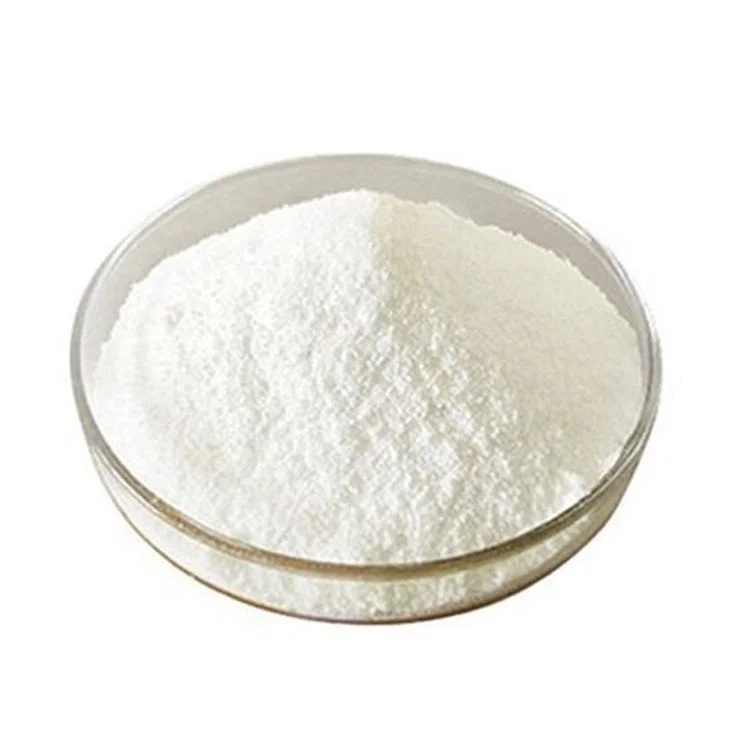
Botanical source: yam
Part of used: Rhizomes
Specs Available: ≥98% HPLC
Melting Point: ≥195℃(95%)
Appearance: White Powder
CAS NO.: 512-04-9
Molecular Weight: 414.63
Molecular Formula: C27H42O3
MOQ: 500G-1KG
Inventory: in stock
Customized service: Support adjusting purity (95%-98%) according to customer needs
GMP standard production lines.
Payment: 100% TT in advance
Certificaions: FSSC2000/ISO2000/HALAL/KOSHER/HACCP
Delivery terms: FedEx, DHL, EMS, UPS, TNT, all kinds of the airline, international shipping companies.
Free sample is available.
We do not sell retail quantities to individuals.
Understanding Diosgenin Powder and Its Role in Bone Health
Diosgenin is a steroidal sapogenin (the aglycone core produced upon hydrolysis of plant saponins) isolated mostly from Dioscorea species (wild yam) and fenugreek ( Trigonella foenum-graecum). Chemically it possesses the same four-ring steroid nucleus that the body utilizes to construct hormones and so has been used for decades as a starting material for steroid pharmaceutical intermediates. And, structurally, that kinship is why it’s so appealing in bone health, too: Bone turnover is hormone-driven, and the decline in estrogen after menopause is the single biggest cause of bone loss in women. A plant chemical that affects those pathways in a subtle fashion — without really functioning as a hormone replacement — is a natural choice for postmenopausal bone formulations.
Botanical Origin and Extraction Methods
Commercial diosgenin is obtained from two major plant sources, wild yam rhizomes and fenugreek seeds, both of which are high in steroidal saponins such as dioscin. Modern manufacturing is based on the acid hydrolysis of these saponins as well as on the ultrasonic aided and dynamic countercurrent extraction. These methods often increase the extraction efficiency by 30-50% with less solvent as compared with standard immersion procedures. This results in an aglycone powder that can be standardized to over 95% purity (up to 98% by HPLC) with the batch-to-batch uniformity required for serious formulation work.
Mechanisms Supporting Bone Health
The pre-clinical literature outlines multiple convergent pathways. In bone cell experiments, diosgenin increased osteoblast activity and decreased osteoclast development. In ovariectomized rats, high dosage diosgenin increased osteoprotegerin (OPG) and decreased RANKL, thereby changing the RANKL/OPG ratio in favor of bone production, the same axis targeted by most osteoporosis medications. Its steroidal structure also allows it to bind estrogen receptors, producing SERM-like modulation rather than direct hormone replacement, and its documented anti-inflammatory action supports osteoclast regulation further downstream. None of this equals proven efficacy in humans. Mechanistically, though, the compound is working on the right targets.
Clinical Trials on Diosgenin for Osteoporosis: What Does the Science Say?
Human Studies and Clinical Evidence
This is the image of what it really is. There is no completed, devoted randomized controlled study of diosgenin for osteoporosis in humans listed on PubMed or the main trial registries. What human evidence exists is not direct but nearby. A meta-analysis of 15 phytoestrogen RCTs (Chen et al., Climacteric, 2015) shown phytoestrogens decreased hot flush frequency without major adverse effects, pertinent since diosgenin’s mechanism overlaps the phytoestrogen class. Fenugreek, the greatest dietary source of diosgenin, has been demonstrated to have metabolic advantages in human studies that have been linked at least in part to diosgenin (Uemura et al., 2010). Why the divide? Osteoporosis endpoint studies are costly and time-consuming, and isolated natural substances are difficult to patent therefore sponsors do not often finance them outside drug development. The practical consequence for buyers: diosgenin is a "science-backed ingredient," not a "clinically proven ingredient" — and label claims should be designed with that difference in mind.
Animal Model Research
And here you have the best data. Zhang et al treated ovariectomized Wistar rats with three doses of diosgenin for 12 weeks (International Journal of Molecular Sciences, 2014). Femoral bone mineral density was considerably enhanced in the high-dose group compared to ovariectomized controls with histomorphometry revealing intact trabecular structure and rebalanced RANKL/OPG ratio. Folwarczna et al. (Acta Biochimica Polonica, 2016) gave 50 mg/kg orally to rats for four weeks. They found enhanced compact bone formation, decreased cancellous bone resorption and improved mechanical strength in all bone compartments. A research published in the journal Gene in 2023 offered a fresh perspective: diosgenin partly restored gut microbiota composition and enhanced tibial microstructure in ovariectomized rats linking its bone effects to gut–bone axis. Effective dosages throughout these investigations seem to cluster between 10 and 50 mg/kg.
Limitations and Research Gaps
There are three restrictions that matter when you develop assertions on this evidence basis. First, anything immediate is preclinical – rat models, no matter how beautifully made, are not women. Second, the time period of the research is in weeks, not years, yet osteoporosis takes decades to develop. Third, material uniformity is inconsistent between laboratories, making cross-study comparisons complex. A reasonable posture for a formulation team: promising, mechanistically consistent and yet to be put through the ultimate human experiment.
Comparing Diosgenin Powder with Alternative Natural Extracts for Osteoporosis Management
Efficacy Comparison with Other Botanical Extracts
When diosgenin is placed beside the well-known bone-health botanicals, the practical distinctions become apparent. Gut bacteria need to convert soy isoflavones into equol, a trait that many users do not possess, leading to unexpected responses. Red clover has the similar reliance, but a poorer basis of study for bone endpoints. Diosgenin has a steroid nucleus that does not need metabolic activation; hence, its action is not dependent on the user's gut flora. Meanwhile, raw fenugreek extract contains just around 0.5-2% diosgenin by weight. Meaningful quantities of diosgenin from the entire plant means ingesting grams of fiber-laden powder. A typical Diosgenin powder with 95+% purity will provide constant dosage in milligrams, which is precisely what pharmaceutical and nutraceutical manufacture demands.
Quality Considerations for Procurement
End use determines the grade expectations. Nutraceutical formulations are usually formulated at 95%+ purity (HPLC); pharmaceutical intermediates need 98%+ with comprehensive impurity profiling. Make sure that your supplier has GMP Certification and ISO 9001 and ISO 22000 or HACCP and can provide EP/USP-compliant documents. Processing: Simulated moving bed (SMB) chromatography has essentially superseded previous column techniques for high-purity output. It operates constantly yet maintains purity at >98% for all batches and reduces per-kilo cost. If a provider says they can do SMB, ask for batch records to show consistency – the technology is only as good as its validation.
Formulation Flexibility and Stability
Industrial flexibility favors powder over liquid or pre-formed shapes. It administers accurately into tablets, capsules, softgels and sachets, and combines reliably with mineral and vitamin co-ingredients. Stability is a moisture issue first: maintain water content below 0.5% and pack under nitrogen, and shelf life is often more than three years – ample headroom for worldwide distribution cycles.
Procurement Insights: How to Source High-Quality Diosgenin Powder for Osteoporosis Products?
Supplier Evaluation Criteria
Score every candidate supplier on four dimensions:
- Quality systems — GMP, ISO 9001, ISO 22000 or HACCP, with EP/USP-grade analytical documentation for each batch.
- Testing capability — in-house HPLC for identity and purity, plus microbiological and heavy-metal screening. Inline NIR monitoring is a good sign of process maturity.
- Traceability — a documented chain from cultivated raw material to finished powder. Ask where the yam is grown and who controls it.
- Transparency — a real supplier sends a certificate of analysis covering purity, moisture, and microbiology before you have to ask twice.
Suppliers that clear all four will rarely be the cheapest quote in your inbox. They will be the one whose material passes your incoming QC the first time.
Pricing and Bulk Purchasing Considerations
Purity grade and order volume drive price more than any other variable. Pharmaceutical-grade material commands a premium because it is produced in smaller runs under tighter controls. On volume, moving from sample-scale orders to bulk agreements typically cuts unit cost by 40–60%. Suppliers who cultivate their own raw material can also hold prices steadier through harvest fluctuations — worth weighing in a market where yam root prices swing year to year.
Customization and Value-Added Services
The better suppliers behave like formulation partners rather than Diosgenin Powder vendors. Services worth negotiating into your agreement include particle-size optimization for your delivery format, custom purity tiers, private-label packaging, blend services, and stability testing on your finished matrix. Where a supplier holds proprietary purification IP, they can usually offer tighter specifications at better cost — the IP is doing real work in the process.
Practical Applications and Future Outlook of Diosgenin in Osteoporosis Support
Synergistic Formulation Strategies
Diosgenin does not compete with the basic bone nutrition, it complements. The standard architecture is to couple it with calcium, vitamin D3, vitamin K2 and magnesium. The minerals provide the building material, the vitamins guide deposition, and diosgenin tackles the hormonal aspect of postmenopausal bone loss that none of other supplements touch. Controlled-release matrices for premium goods allow a single dosage in the morning to release steady throughout the course of the day, improving compliance in regimens where pill weariness is the main failure point.
Regulatory Frameworks and Compliance
Claim strategy is market specific. A supplement containing diosgenin in the US may use structure-function language ("supports bone health") under DSHEA as long as no illness claims are made on the label and the regular FDA disclaimer is included. Under EFSA standards, health claims have a stiffer substantiation threshold to jump over – and with the present state of the human research, there is no diosgenin-specific permitted claim in the EU, therefore positioning there should focus on composition and quality rather than effectiveness. Suppliers with multi-market regulatory expertise may save you from learning these lessons the hard way on your debut.
Market Trends and Growth Potential
Two currents favor this ingredient. The first is demographic: aging populations in the US, Europe, and East Asia keep expanding the osteoporosis-prevention market, with postmenopausal women at its center. The second is ingredient-level: consumer preference keeps shifting from synthetic hormone therapy toward plant-derived alternatives, a space where diosgenin's story fits naturally. The research pipeline is moving too — mechanistic work on the ERα–serotonin–bone axis and the gut–bone connection published within the last few years signals renewed science curiosity. And if human endpoint studies follow providers with proven, high purity material are already ahead of the curve.
Conclusion
Direct response to the issue in the headline is that dedicated human clinical studies of Diosgenin Powder for osteoporosis have not been performed yet.What we do have is reliable preclinical data, such as many studies on ovariectomized rats that showed retained bone mineral density, enhanced trabecular structure, and a rebalanced RANKL/OPG ratio, and human research that supports the larger family of phytoestrogens. This is the play for B2B buyers: source to a clear specification (95%+ by HPLC, GMP, complete COA), create claims your regulatory team can defend and partner with a supplier who can scale when the human proof arrives. The formulation flexibility of the substance, and the trajectory of the bone-health industry, both suggest locking supply before that occurs.
FAQ
1. What is the safety profile of diosgenin for osteoporosis applications?
Preclinical studies report good tolerability, and human research on related phytoestrogens has found no serious side effects at supplement-level doses (Chen et al., 2015). Typical supplement formulations use 100–400 mg per day. Keep in mind that diosgenin modulates rather than replaces hormones — and as with any ingredient aimed at a postmenopausal population, finished-product safety testing remains the brand's responsibility.
2. How does diosgenin's phytoestrogenic mechanism support bone health?
Its steroid nucleus lets it bind estrogen receptors with SERM-like selectivity, nudging bone metabolism toward formation: increased osteoblast activity and OPG expression, reduced RANKL-driven osteoclastogenesis. In ovariectomized rat models this translated into measurably higher bone mineral density — without the systemic hormone exposure of conventional HRT.
3. What certifications should buyers look for when sourcing diosgenin?
GMP is the floor. Add ISO 9001 and ISO 22000 or HACCP for food-safety systems, halal and kosher certification where your market requires them, and EP/USP-compliant analytical documentation. Every lot should arrive with a certificate of analysis covering purity (HPLC), moisture, heavy metals, and microbiology.
Partner with Jiayuan Bio-Tech for Premium Diosgenin Solutions
Jiayuan Bio-Tech manufactures Diosgenin Powder at pharmaceutical-grade standards, with HPLC-verified purity of 95–98%. A vertically integrated supply chain — from contracted raw material cultivation through proprietary SMB chromatography — keeps quality consistent while cutting costs by 40–60% versus traditional suppliers. Production runs on GMP-approved lines with automatic DCS control, and every batch ships with full COA documentation for European, US, and Asian markets.
Beyond the powder itself, we support your formulation work with particle size optimization, private labeling, blend services, and stability testing — so your bone health product reaches the shelf faster and stands out once it does.
Ready to discuss specifications, samples, or pricing for your next formulation? Email our technical team at sales@jayuanbio.com or sales1@jayuanbio.com.
References
1. Chen, M.N., Lin, C.C., and Liu, C.F. (2014). A meta-analysis and thorough review of the research on how well phytoestrogens help with menopause symptoms. Climate Change, 17(4), 401-415.
2. Uemura, T., Hirai, S., Mizoguchi, N., et al. Diosgenin, which is found in fenugreek, helps the body use glucose better by encouraging adipocyte division and reducing inflammation. 138: 147–153 in the Journal of Steroid Biochemistry and Molecular Biology.
3. Zhang, Y.B., Zhong, Z.M., Hou, G., et al. How diosgenin affects osteoporosis after menopause in rats that have had their ovaries removed. Plant medicine, 19(3), 271–277.
4. One year ago: Folwarczna, J., Zych, M., Burczyk, J., et al. How natural phenolic acids affect the bones of rats that have had their ovaries cut out. Wed., 82(1), 32–39; Planta Medica.
5. Cortez, C., Kostiuk, L.K., & Pena-Rosas, J.P. (2019). women who are pregnant should take extra vitamin D. 7(7), CD008873, from the Cochrane Database of Systematic Reviews.
6. This is Reid, I.R., Bolland, M.J., and Grey, A. (2014). This study looks at how vitamin D pills affect bone mineral density by using a systematic review and meta-analysis. The Lancet, 383(9912), 146–155.