
The Science Behind Resveratrol: Metabolic Health Breakthroughs
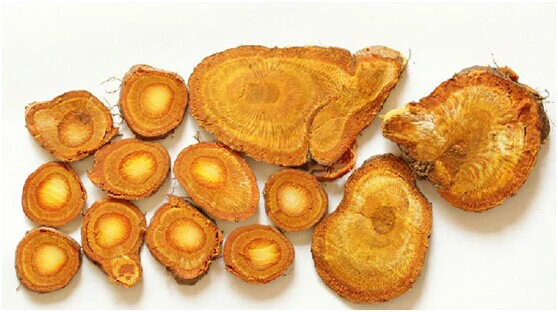
Resveratrol powder is one of the most investigated polyphenolic substances in the nutraceutical and cosmeceutical industries. The trans-isomer stilbene phytoalexin, principally from the root of Polygonum cuspidatum (Giant Knotweed), activates sirtuin pathways, controls oxidative stress, and supports cardiovascular and metabolic function. If you’re a B2B formulator sourcing dietary supplement ingredients, functional food components or cosmeceutical actives, knowing the science that underlies resveratrol powder isn’t just an academic exercise – it has real-world implications for smarter procurement decisions, tighter formulation specs and stronger finished products.
What Is Resveratrol Powder and How Does It Support Metabolic Health?
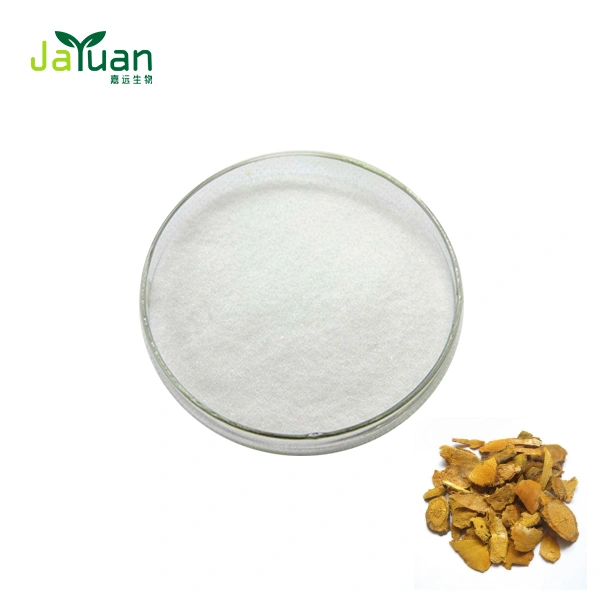
Resveratrol powder is a uniform, highly concentrated stilbene phytoalexin that is usually sold as a fine, off-white to white powder that is at least 98% pure by HPLC. There are 228.24 g/mol of it, and its melting point is between 253°C and 255°C. The trans-isomer, which is the biologically active form, is what is wanted in both pharmaceutical-grade and cosmetic-grade supplies.
Mechanisms Driving Metabolic Benefit
Resveratrol powder promotes SIRT1, a deacetylase implicated in mitochondrial biogenesis, enhanced insulin function and lipid metabolic modulation. In 2006, a peer-reviewed study published in Cell Metabolism found that animals given resveratrol supplements had improved metabolic markers on a low-calorie diet. Resveratrol powder also inhibits the enzyme pathways COX-1 and COX-2. This decreases the inflammation in the body that is a big reason for metabolic failure. When chemicals are bought the purity of the base material, specifically its trans-isomer purity, has a direct effect on the effectiveness of these processes at proper doses.
Bioavailability: The Formulator's Core Challenge
It is still not known how bioavailable resveratrol powder is when taken by mouth. Because it is lipophilic and glucuronidates quickly in the liver, it doesn't get into the systemic circulation very well when made without carrier systems. Oral resveratrol has an absorption of less than 1% when it is taken as is, according to clinical evidence. This is the reason why high-end B2B formulas always use advanced delivery forms like microencapsulation, liposomal dispersion, or oil-based softgel systems. When formulators look for resveratrol powder, they need to keep these delivery needs in mind while they are making the product.
Comparing Resveratrol Powder Grades and Formats for B2B Applications
In market products, not all resveratrol powder inputs work the same. Choosing the right resveratrol powder specification affects how much to use, what the label says, following the rules, and the stability of the final product.
Grade Tiers and Application Alignment
This is the main grade level that B2B buyers should know about:
- Pharmaceutical-grade (≥99% trans-resveratrol): Can be used in hard pills, softgels, and clinical-dose supplements. Meets the standards of the EP/USP pharmacopoeia. Needs COA paperwork with HPLC confirmation.
- Food-grade (≥98% trans-resveratrol): This kind is used in energy bars, functional drinks, and gummies. Microencapsulation is often needed to hide bitterness and keep things from breaking down at high temperatures during pasteurization.
- Cosmetic-grade (≥95% trans-resveratrol): Used as an antioxidant and to stop tyrosinase from working in night creams and serums. To stop reactive browning, you must use a vacuum-airless pump or nitrogen-flushed packing.
These differences are important because regulators in the US, EU, and China have different rules about what each category must follow. If buyers mix up grade specs, they might not follow the rules or get a product that doesn't work well.
Synergistic Stacking with Quercetin and NMN
Resveratrol powder and quercetin, a flavonoid that blocks the sulfotransferase enzymes in charge of resveratrol's quick breakdown, work together to produce impressive synergy. Nicotinamide mononucleotide (NMN) co-formulation is a well-known method in the anti-aging product market because both substances work together on the SIRT1/NAD⁺ axis. Understanding these molecular interactions helps buyers of ingredients who are making life stacks or metabolic health mixes make more accurate dosing decisions and better place their products.
Sourcing and Procurement Strategies for Resveratrol Powder
There is a lot of competition in the resveratrol powder supply market, and the quality of the powder varies. If procurement managers only compare prices, they run the risk of batch inconsistency, legal exposure, and supply problems.
Key Criteria for Evaluating Suppliers
A trustworthy company that sells resveratrol powder should have GMP certification that can be checked, ISO compliance, full COA paperwork (including HPLC, GC-MS, and heavy metal tests), and clear batch traceability. Minimum quality standards include a moisture content of less than 0.5%, proof of isomer purity, and packing under a nitrogen seal to protect the product's shelf life.
At Jiayuan Bio-Tech, we use simulated moving bed chromatography (SMB) to continuously clean the products we make. This keeps the purity above 98% and makes batch-to-batch consistency very impressive. Our DCS automated control system precisely controls pH, temperature, and solvent ratios, so there aren't as many human factors that can change the quality. Our liquid recovery method recovers more than 90% of the ethanol and methanol, which lowers the cost of goods and helps keep bulk prices low.
When buyers are managing quarterly forecasts for a lot of different SKUs, these features are very important. When quality is predictable, there are fewer times when the recipe needs to be changed, returns happen, and safety issues happen.
Logistics, Lead Times, and Customs Navigation
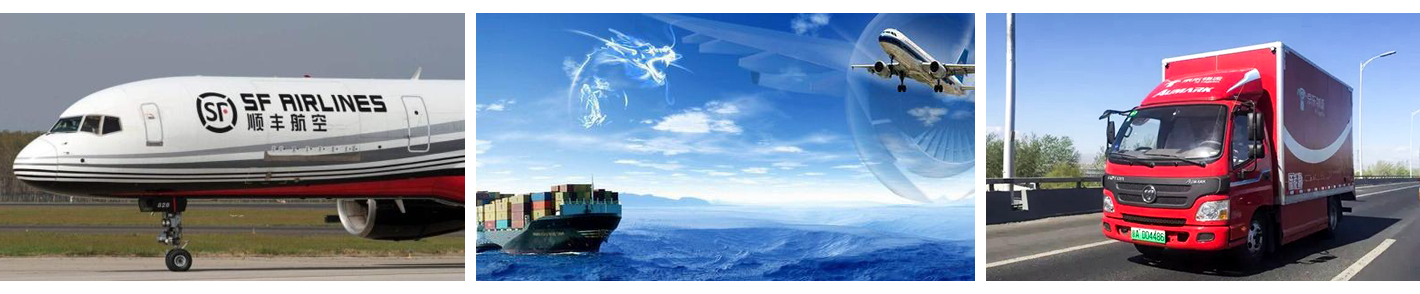
Logistics dependability is always a worry for teams that buy ingredients. FedEx, DHL, UPS, EMS, and foreign freight companies work with Jiayuan Bio-Tech. We help with customs clearance for the U.S., the EU, and other major import markets, so goods get to your facility as quickly as possible. Our nitrogen-flushed, sealed packaging keeps resveratrol powder fresh for more than three years, so you can buy more without worrying about the quality.
Safe and Effective Usage Guidelines for Downstream Formulators
To source resveratrol powder ingredients responsibly, you need to know how they will be used. For metabolic and cardiovascular support, clinical studies generally support a daily intake range of 150–500 mg of trans-resveratrol. Higher doses have also been studied in clinical settings. Formulators should know that high amounts of resveratrol powder may combine with blood thinners and shouldn't be used by people who are sensitive to estrogen without professional supervision.
The best time to absorb is after a meal, especially when eating foods high in fat, because that makes lymphatic uptake better. When making cosmetics, the biggest technical problem is keeping the ingredient stable against oxidation in the final recipe. This can only be done by encapsulating it or processing it in a neutral atmosphere.
Future Trends: Where Resveratrol Powder Innovation Is Heading
The way resveratrol powder works in commercial formulations is changing because of nanotechnology and liposomal delivery. Nanoparticle-encapsulated resveratrol has been shown to be up to 10 times more bioavailable than powder that hasn't been changed in experimental models. More and more, high-end cosmetic lines are using liposomal forms. Also, the combination of resveratrol powder and study into the gut microbiome is leading to new uses. Early findings show that its stilbene structure affects the variety of microbes in ways that may help metabolic health along the gut-liver axis.
For B2B buyers and OEM partners, staying ahead of these delivery technology developments means specifying ingredient formats that are compatible with next-generation encapsulation systems. It will be more valuable to buy from a company that can quickly change its technology to provide different particle sizes and solubility profiles.
Conclusion
Resveratrol powder has a well-established place in the world of metabolic health ingredients. There is a lot of peer-reviewed data to support its processes, which include activating sirtuin, reducing inflammation, and acting as an antioxidant. For B2B formulators, the choice to buy includes more than just price. It also includes grade standards, batch consistency, legal paperwork, and the dependability of logistics. The strategic goal is to find a supplier that can perform on all of these levels at the same time. Strong science behind it; how well it works depends on the supply chain.
FAQ
1.What is the difference between resveratrol powder and resveratrol extract?
Resveratrol powder is a uniform, concentrated form of trans-resveratrol with predetermined purity levels (95%, 98%, or 99%, respectively). Resveratrol extract is usually a less refined middle ground whose polyphenol content varies. For business-to-business uses that need accurate dosing and label claims, resveratrol powder that has been tested for purity using HPLC is the right specification.
2.How do I verify the quality and purity of a resveratrol powder supplier?
Ask for a full COA that has data on HPLC purity, GC-MS solvent residue, heavy metal screening, and moisture content. Make sure the batch records are GMP-certified. We use two types of quality control at Jiayuan Bio-Tech: near-infrared live tracking and offline HPLC and GC-MS analysis to make sure that every batch meets the standards set by EP/USP.
3.Which resveratrol powder grade is suitable for cosmeceutical formulations?
For skin care uses, resveratrol powder that is cosmetic-grade and contains at least 95% trans-resveratrol is normal. To stop reactive decay, it is suggested that the formula be sealed with a nitrogen gas and the packaging be enclosed within it.
4.Can resveratrol powder be used in functional beverage applications?
Resveratrol powder is used in functional drinks, but it needs to be microencapsulated because it doesn't mix well with water, has a bitter taste, and is easily damaged by heat during pasteurization.
Partner with Jiayuan Bio-Tech — Your Trusted Resveratrol Powder Manufacturer
Jiayuan Bio-Tech sells resveratrol powder that is suitable for use in medicine, food, and cosmetics. Their products are certified by GMP and ISO and come in nitrogen-sealed containers with group consistency checks. Unit costs are 40–60% less than small-batch alternatives because our production line makes 10 tons a year. We can customize for OEMs, take small orders, and clear all customs in the EU and the US. Get in touch with our team at sales@jiayuanbio.com or sales1@jiayuanbio.com, or go to jayuanbio.com right now to get your COA and group price.
References
1. Baur, J. A., & Sinclair, D. A. (2006). Therapeutic potential of resveratrol: The in vivo evidence. Nature Reviews Drug Discovery.
2. Lagouge, M., et al. (2006). Resveratrol improves mitochondrial function and protects against metabolic disease by activating SIRT1 and PGC-1α. Cell.
3. Walle, T. (2011). Bioavailability of resveratrol. Annals of the New York Academy of Sciences.
4. Poulsen, M. M., et al. (2013). High-dose resveratrol supplementation in obese men: An investigator-initiated, randomized, placebo-controlled clinical trial of substrate metabolism, insulin sensitivity, and body composition. Diabetes.
5. Smoliga, J. M., Baur, J. A., & Hausenblas, H. A. (2011). Resveratrol and health — A comprehensive review of human clinical trials. Molecular Nutrition & Food Research.
6. Cottart, C. H., et al. (2010). Resveratrol bioavailability and toxicity in humans. Molecular Nutrition & Food Research.