Diosgenin Powder Review: What Buyers Should Check First
If you are sourcing diosgenin powder for pharmaceutical synthesis, women's health supplements, or functional food formulations, this review covers what matters most before you place a bulk order. Diosgenin powder (CAS 512-04-9) is a steroidal sapogenin extracted from Dioscorea species such as wild yam (Dioscorea zingiberensis) and fenugreek. It is the primary plant-based precursor used in the semi-synthesis of steroid hormones, including progesterone and corticosteroids. Purity, batch consistency, supplier certifications, and supply chain stability are the four checkpoints every B2B buyer should verify first.
Understanding Diosgenin Powder: Key Insights for Buyers
What Exactly Is Diosgenin Powder?
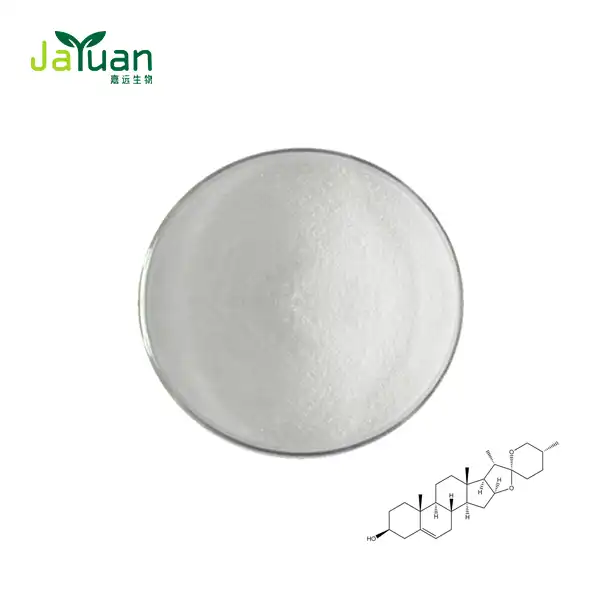
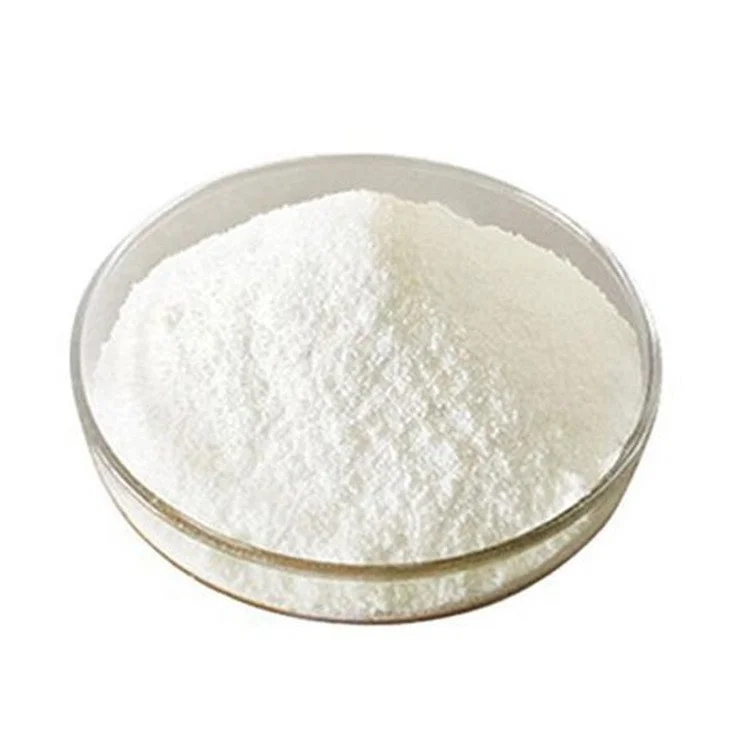
Diosgenin powder is the aglycone molecule that is made when steroidal saponins found in wild yam roots are broken down by acid. Its chemical formula is C₂₇H₄₂O₃, and its freezing point is usually between 205°C and 208°C, which is a good way to tell if the crystal is pure. It likes fats and doesn't dissolve well in water. However, it does dissolve in organic solvents like chloroform and ethanol. For companies that make APIs, high-purity diosgenin powder is the building block for the Marker Degradation process. This process makes 16-DPA, which is the first step in making most steroid drugs.
Primary Sources and Botanical Considerations
The plant source does have an effect on the cost of extraction. The turmeric yam, Dioscorea zingiberensis, comes from the Qinling Mountain region in China. It has more natural saponin than the other species, Dioscorea villosa, which makes it cheaper to process on an industrial scale. The source doesn't change the molecular structure of diosgenin in the end, but it does change the amount that can be extracted and how long the finished element will last. For pharmaceutical-grade uses, buyers should ask suppliers to list the species of Dioscorea and the amount of saponin in the raw material they are sending.
Applications Across Industry Segments
Two key B2B industries benefit from diosgenin powder. It is the building block for steroid hormone APIs like progesterone, estrogen precursors, and corticosteroids in the medicinal supply chain. In the nutraceutical and women's health supplement market, it works as a phytoestrogen-like substance that might help keep hormones in balance and make menopause easier. It is naturally vegan, and non-GMO label claims can be supported if animal-derived catalysts are not used in the extraction process. Because both segments need different levels of purity, the best suppliers offer specifications that are specific to each grade.
Essential Criteria for Evaluating Diosgenin Powder Quality
Purity and Analytical Testing Standards
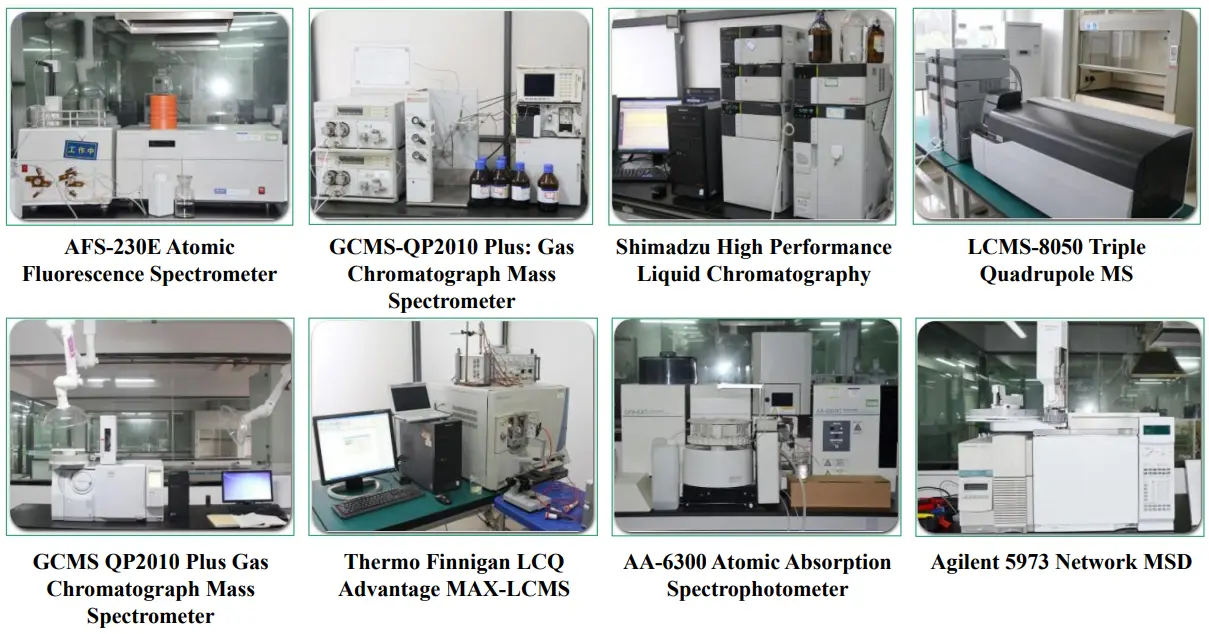
Pharmaceutical-grade diosgenin powder should have an HPLC test result of at least 98%, while cosmetic- and industrial-grade material usually has a result of at least 95%. Reliable providers check the results using two types of quality control: near-infrared spectroscopy for watching the process in real time, and offline HPLC and GC-MS analysis. This two-pronged method makes sure that the standards set by the EP and USP pharmacopeias are met. Before approving any shipment, buyers should ask for full certificates of analysis (CoA) for each batch. These should include heavy metal testing (total heavy metals <10 ppm) and data on residual solvents.
Moisture Control and Packaging Stability
Diosgenin powder is stable chemically, but it doesn't like water. If the moisture level is above 0.5%, it speeds up decay and lowers the performance of downstream synthesis. Material that has been properly made should be stored in fiber drums packed with two layers of plastic bags and sealed with nitrogen to keep oxygen out. With this method, the shelf life can be extended beyond three years in a normal warehouse. When you're looking at different providers, make sure you ask them about their methods for controlling moisture content and their packaging requirements. These will directly affect whether the product stays true to its specs throughout the logistics chain.
GMP Certification and Document Readiness
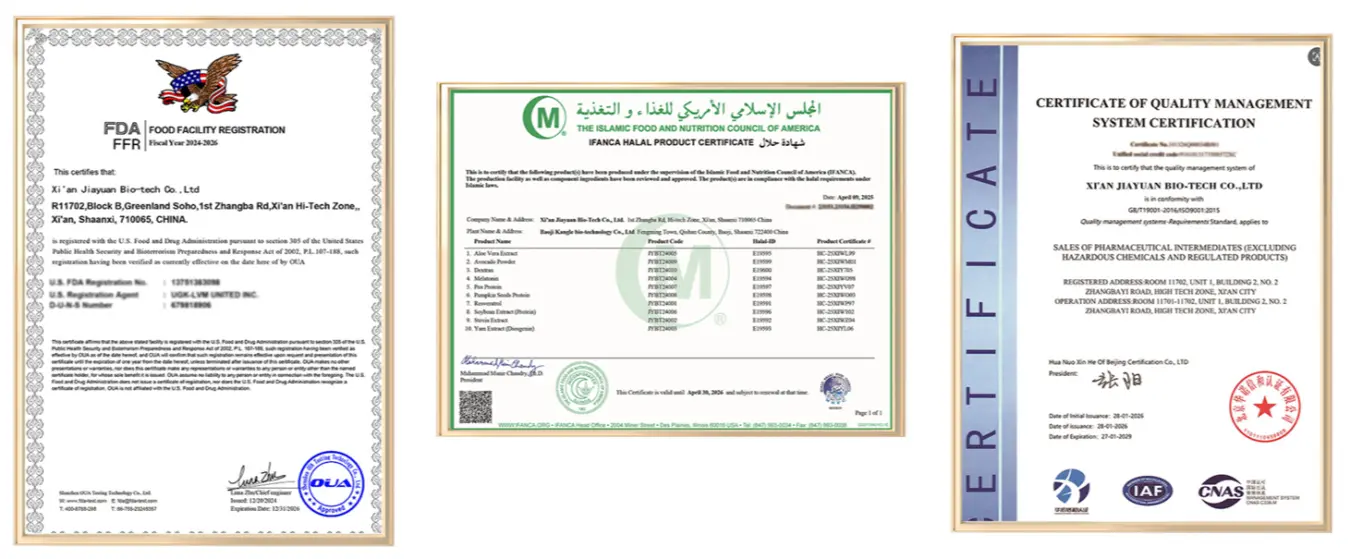
For pharmacy buyers whose decision chains include registration, quality, and buying teams, being ready with documents is a must. At the very least, suppliers should be GMP certified and ISO certified. Internal approval times are cut down by a lot when paperwork is matched with pharmacopeia. This includes drug master files (DMF) or technical dossiers. High-compliance procurement teams look for suppliers who can send a full package of paperwork up front. This shows that the business is operationally mature.
Comparing Diosgenin Powder with Alternative Ingredients
Diosgenin vs. Wild Yam Extract
Diosgenin powder and wild yam extract are not the same thing. The amount of total saponins in wild yam extract is usually between 6% and 16%. Diosgenin powder, on the other hand, is the pure aglycone and is more than 95% pure. When used in chemical synthesis, crude saponin extracts add impurities that stop crystallization and make it hard for reactions to choose the right stereochemistry. The isolated, high-purity ingredient is the better choice when you need a consistent amount of steroid hormones. The broader extract is not.
Diosgenin vs. Fenugreek Saponins
Saponins from fenugreek have diosgenin as one of their parts, but they also have furostanol saponins and other steroidal chemicals that make processing harder. When it comes to nutraceutical uses that need a clean label and uniform strength, fenugreek-based materials have more formulation factors. Diosgenin powder from species of Dioscorea has a more consistent profile of active compounds. When buyers are making women's health supplement lines, they should think about how clear the labels are and how accurate the dosages are, as well as the bigger picture that fenugreek tells them.
Organic vs. Conventional Sourcing
Brands that need to back up claims that their products are organic can get organic-certified diosgenin powder. But for medicinal intermediate uses, it's more important that the raw materials can be tracked, the extraction methods are tested, and there is data on the leftover solvent. Instead of applying criteria from the supplement industry to pharmaceutical procurement, buyers should make sure that their sourcing needs are aligned with the actual end-use situation.
How to Strategically Procure Diosgenin Powder in Bulk
Evaluating Supplier Production Capacity
A key but often ignored checkpoint is the monthly production ability. Supply interruptions are bad for businesses that make pharmaceutical APIs. A reliable supplier should be able to keep up monthly production at around 150 to 200 metric tons and show that they have the infrastructure to keep up that level of production even when raw materials aren't available all the time. Suppliers who have direct ties with Dioscorea cultivation bases offer more stable prices because they accept changes in the cost of raw materials themselves instead of passing those changes on to buyers.
Here are the most important things to check when qualifying a supplier:
- Purity documentation: HPLC-verified CoA for every batch, meeting ≥98% pharmaceutical grade or ≥95% industrial grade
- Production scale: Monthly capacity of 150–200 MT with consistent batch records available for audit
- Certifications on file: GMP, ISO, and relevant pharmacopoeial compliance documentation for diosgenin powder ready for regulatory review
- Packaging and logistics: Nitrogen-sealed packaging, established freight partnerships (FedEx, DHL, UPS, EMS, TNT), and customs clearance support for key markets including the US and Europe
These factors directly lower the risk of procurement and speed up the approval process for buying teams that include people from more than one area.
Pricing Dynamics and Long-Term Agreements
The price of diosgenin powder changes depending on how much dioscorea is available, which depends on when it is harvested in different areas. When buyers sign long-term framework deals with volume promises, they get more supply priority and know what the prices will be. Industrial suppliers with solvent recovery systems that can collect at least 90% of the ethanol or methanol they sell pass those cost savings on to contract buyers. This makes buying in bulk a lot more cost-effective than buying on the spot from smaller businesses.
OEM and Private Label Flexibility
Buyers who are making named lines of women's health supplements or functional foods benefit from providers that can do both large-scale production and small-batch customization. Being able to get specs for pharmaceutical-grade (≥99%) and cosmetic-grade (≥95%) products from the same source makes managing vendors easier and makes sure that grades stay the same as product lines grow.
Practical Usage and Formulation Tips for B2B Clients
Dosage Forms and Formulation Compatibility
The most stable and easy-to-ship form of diosgenin powder is solid. Formulators further down the line can turn it into capsules, softgels, or topical release methods, based on the use. When used as a food supplement, micronized particle choices help them mix better in oil-based mixtures. For making things, a uniform particle size distribution helps make the reaction rates more reliable in the process of breaking down to 16-DPA.
Storage and Handling Protocols
To keep the diosgenin powder from ring oxidation of the spirostane scaffold, keep it away from strong oxidizing agents. Low humidity should be maintained in the warehouse, and items should be moved around on a first-come, first-served basis. When properly packed and flushed with nitrogen, material stays in specification for more than three years. This gives buyers a lot of freedom when planning when to place large orders.
Integration with Current Research
New studies keep showing that diosgenin plays a structural part as a precursor in the production of steroids. Buyers in the nutraceutical market can use peer-reviewed research on phytosteroid activity to back up product claims that are in line with dietary supplement regulations. Using research at the ingredient level to help with product positioning makes both the recipe reasoning and the marketing stories stronger for end users.
Conclusion
When buying diosgenin powder on a large scale, you need to do more than just compare prices. There are four checks that make sure the quality of your formulation and your compliance with buying rules are met: purity verification, pharmacopeial paperwork, seller production capacity, and the integrity of the packing. The technical and logistical criteria in this review give you a structured way to evaluate suppliers, whether you are looking for steroid hormone synthesis or formulations for women's health supplements. Picking a manufacturer with confirmed GMP standards, a steady supply of raw materials, and flexible grade requirements lowers risk further down the line and helps the product work consistently.
FAQ
1. What is the difference between wild yam extract and diosgenin powder?
Wild yam extract is standardized to a percentage of total saponins (e.g., 6% or 16%). Diosgenin powder is the isolated aglycone molecule with purity above 95%. For chemical synthesis, the isolated form is technically required because crude saponin profiles introduce impurities that interfere with downstream reactions.
2. What conversion yield can I expect from diosgenin to 16-DPA?
Under optimized industrial conditions, high-purity diosgenin powder typically supports a weight-to-weight conversion yield of approximately 45%–50% to 16-DPA. Yield depends on the specific oxidation technology applied, so input purity has a direct impact on output efficiency.
3. Does the botanical source affect final product quality?
The source affects extraction yield but not the final molecular structure. Dioscorea zingiberensis is preferred industrially for its higher natural saponin content, which translates into more cost-effective extraction.
Connect with Jiayuan Bio-Tech for Bulk Diosgenin Powder
Jiayuan Bio-Tech is a real company that makes diosgenin powder. They have GMP-certified production lines close to China's Qinling Mountains, which are the best place to grow dioscorea. Our SMB chromatography method ensures stability above 98% purity, and our fully integrated supply chain can handle 150–200 MT per month. We pass borders for both the US and Europe, and we work with FedEx, DHL, and UPS to make this possible. Email sales@jayuanbio.com, sales1@jayuanbio.com, or jayuanbio.com to get a sample or talk about a delivery deal.
References
1. Marker, R. E., & Wagner, R. B. (1947). Steroidal Sapogenins. Journal of the American Chemical Society.
2. Cabeza, M., et al. (2004). Diosgenin as a precursor for steroid synthesis: A review of industrial applications. Steroids, 69(6).
3. United States Pharmacopeia (USP). (2023). General Chapters: Chromatography and Identification of Steroidal Compounds. USP Convention.
4. European Pharmacopoeia Editorial Secretariat. (2022). Steroidal Sapogenins Monograph. Council of Europe.
5. Raju, J., & Mehta, R. (2009). Cancer chemopreventive and therapeutic effects of diosgenin, a food saponin. Nutrition and Cancer, 61(1).
6. Hollman, A. (1996). Plants and cardiac glycosides: Steroidal sapogenins in pharmaceutical manufacturing. British Heart Journal, 75(6).