
The efficacy and latest applications of resveratrol
Resveratrol is one of the polyphenolic substances that has been studied the most in modern health science. It is being looked at by research institutions, cosmetic brands, drug companies, and nutraceutical providers all over the world. This antioxidant is found naturally and is mostly taken from Japanese knotweed (Polygonum cuspidatum) and grape skins. It has a lot of great promise in many fields. From what we've seen at Xi'an Jiayuan Bio-Tech, the need for high-purity resveratrol keeps growing as companies look for stable, standard ingredients to use in new products. Procurement workers can make choices that meet regulatory requirements and keep their competitive edge if they understand how it works, what it can be used for, and what to think about when sourcing.
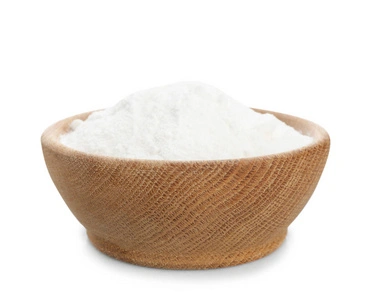
Botanical source: Polygonum cuspidatum Sieb, Grape
Other Names: trans-3,4,5-trihydroxystilbene
CAS NO.: 501-36-0
Specs Available: 50%, 98%, 99%(HPLC)
Part of used: Root
Appearance: White to off-white fine powder
Molecular Weight: 228.24
Molecular Formula: C14H12O3
MOQ: 500G-1KG
Inventory: in stock
Customized service: Support adjusting purity (50%-99%) according to customer needs
GMP standard production lines.
Payment: 100% TT in advance
Certificaions: FSSC2000/ISO2000/HALAL/KOSHER/HACCP
Delivery terms: FedEx, DHL, EMS, UPS, TNT, all kinds of the airline, international shipping companies.
Free sample is available.
We do not sell retail quantities to individuals.
Understanding Resveratrol – Science and Health Benefits
The Chemical Nature and Cellular Mechanisms
Trans-resveratrol is the beneficial isomer of the substance that gives it its well-known benefits. This pigment works in many ways inside cells, turning on sirtuins, which are proteins connected to staying healthy and controlling metabolism. By blocking COX-2 enzymes and lowering pro-inflammatory hormones, the substance changes how the body reacts to inflammation. We use virtual moving bed chromatography at Jiayuan Bio-Tech to keep trans-resveratrol levels above 98%. This makes sure that the active form is predominant in our products.
Addressing Bioavailability Challenges
Natural Resveratrol is hard to absorb because it is broken down quickly and doesn't mix well with water. This is taken care of by our production team using advanced extraction methods that keep the purity of the molecules while letting the mixture be flexible. The DCS-controlled extraction method keeps degradation to a minimum, making powders that are solid and can be used in a variety of delivery systems. Pharmaceutical-grade extracts that are at least 99% pure support liposomal packaging and nanoemulsion technologies that make uptake rates much higher.
Scientifically Validated Health Properties
Studies show that this polyphenol is very good for your health in a number of ways, including:
- Cardiovascular Support: Studies have shown that regular eating helps keep blood vessels healthy and promotes healthy lipid levels. The chemical raises the production of nitric oxide, which helps blood vessels stay flexible.
- Anti-Aging Mechanisms: Resveratrol affects cell healing processes and mitochondrial activity by turning on SIRT1 genes. Controlled studies have shown that these routes lead to lower levels of oxidative stress markers.
- Metabolic Regulation: There is evidence that these benefits are good for insulin sensitivity and glucose metabolism. Putting this element together with chromium or berberine could make metabolic health goods work better.
- Neuroprotective Potential: A new study is looking into how Cytisine gets into the brain from the blood, which could help cognitive function by acting as an antioxidant and reducing inflammation.
Latest Applications of Resveratrol in Industry
Nutraceutical Longevity Formulations
This ingredient is often found with NMN (Nicotinamide Mononucleotide) or quercetin as a core part of anti-aging supplements. Our pharmaceutical-grade powder mixes easily into pill structures and doesn't affect their stability. The 98% purity requirement stops byproduct influence that could shorten the shelf life of complicated formulations with many bioactives.
Manufacturers who want to sell products that last a long time, like our extraction process, catch complementary flavonoids at the same time. Depending on the manufacturing goals, we can separate or keep these flavonoids. This adaptability allows for both simple goods with only one ingredient and complex mixes of many compounds.
Cosmeceutical and Skincare Applications
Resveratrol is used in beauty products like serums, creams, and masks because it is an antioxidant and stops tyrosinase from working. Our cosmetic-grade material (≥95% purity) breaks easily into oil phases and liposomal carriers, unlike 50% extracts that can change the texture and color. This makes mixtures that are see-through and can survive oxidation tests while also looking good.
In anti-aging plans, the substance works well with vitamin C, hyaluronic acid, and peptides. Our moisture-controlled packing (≤0.5% water content) and nitrogen-sealing process keep ingredients fresh for longer than three years, which cuts down on waste from old raw materials.
Choosing the Right Resveratrol Solution – A Procurement Perspective
Natural Versus Synthetic Sourcing
Natural extracts from Polygonum cuspidatum can be put on labels and are accepted by customers, especially in markets that value plant sources. Our supply chain is vertically linked, and it includes deals for farming near the Qinling Mountains. This makes it possible to track down raw materials and keeps prices stable. C14 radiocarbon research shows that the material comes from nature, which sets it apart from synthetic materials made from petroleum.
Synthetic Resveratrol usually costs less, but it has to go through stricter testing for organic goods and might not meet customer standards for "clean label" formulations. When buying something, people should think about how to save money and how to place the product in the market.
Quality Assurance and Testing Protocols
Before choosing a seller, you need to look at their testing system. When we make things at Jiayuan Bio-Tech, we use two quality control systems: one uses near-infrared spectroscopy in real time, and the other uses offline HPLC verification. This method finds deviations right away, so batches that aren't up to par don't make it to the packing steps.
Important testing factors include:
- Confirmation of trans-resveratrol and Cytisine levels through HPLC peak analysis
- Screening for emodin to make sure it meets safety standards
- Tests for heavy metals (mercury, lead, arsenic, and cadmium)
- Evaluation of microbial contamination
- Testing for PAHs to find environmental pollutants
- Analysis of solvent residues
Bulk Purchasing and Cost Optimization
When you commit to buying a lot of something, you can get better prices, and our warehouse stocking service can handle smaller orders from individuals within framework deals. This structure lets buyers combine orders for multiple ingredients, which lowers the cost of shipping and customs processing over and over again. Our solvent recovery method (which reuses >90% of the ethanol and methanol) and full use of raw materials lower production costs, which we share with our long-term partners.
Minimum order quantities vary by specification—pharmaceutical-grade typically requires 25kg minimums, while cosmetic-grade offers 10kg entry points. We agree with requests for samples to help with formulating before making full-scale promises.
Market Insights and Buying Guide for Resveratrol Products
Sourcing Channels for B2B Procurement
Direct ties with manufacturers are more open and save money than dealing through middlemen. Xi'an Jiayuan Bio-Tech offers expert help throughout the whole sourcing process, from talking about original specifications to filling out customs paperwork. Through our partnerships with FedEx, DHL, UPS, and foreign freight forwarders, we can reliably send to markets around the world.
We handle clearing customs for shipments going to and from Europe and North America. This makes the import process easier for people who don't have a lot of experience with foreign trade. This door-to-door service cuts down on wait times and legal risks.
Pricing Structures and Market Trends
Resveratrol prices change depending on how much is ordered, how pure the product needs to be, and how readily available the raw materials are. Pharmaceutical-grade products cost between $180 and $280/kg for sales over 100 kg, while cosmetic-grade materials begin at around $120 to $180/kg. These numbers are for extracts from natural sources. Synthetic options cost about 30% less, but they have the placement problems we talked about earlier.
Our position near important farming areas and policy support from local biopharmaceutical efforts help keep prices stable, even when raw materials are in short supply. We don't have to worry about spot market fluctuations because we have long-term supply deals with growing partners.
Future Trends and Innovations in Resveratrol Use
Advanced Delivery System Development
Bioavailability problems are what keep people coming up with new ideas. Nanoemulsion technologies make particles 50 to 200 nanometers in size, which makes uptake rates much better. Liposomal packaging keeps the chemical safe during digestion so it can be released at the right place. We work with formulation partners to make these high-tech systems, and we provide base materials that are best for specialized processing.
Cyclodextrin complexation is another potential method for making water-soluble inclusion compounds that can be used in drinks and for sublingual release. These new ideas open up new business possibilities beyond capsules and tablets.
Synergistic Formulation Strategies
Putting Resveratrol together with bioactives that work well with it makes it work better in more than one way. Popular combinations include:
- With Quercetin: Two flavonoid actions that help keep arteries healthy and inflammation in check.
- With Curcumin: Together with curcumin, they work as extra antioxidants and help the metabolism.
- With Pterostilbene: A structurally similar molecule with better bioavailability that makes the action last longer.
- With Omega-3 Fatty Acids: Helping the heart in different ways.
Our production capacity is flexible enough to handle custom extract blends, enabling proprietary formulation development that differentiates products in competitive markets.
Market Growth Drivers and Emerging Applications
Demand for Cytisine is expected to grow by 8–12% per year until 2030, thanks to global fitness trends that stress living a long life and taking care of your health. Besides the established nutraceutical and cosmetic markets, emerging applications include:
- Sports Nutrition: Recovery formulas that target reactive stress and mitochondrial function caused by exercise.
- Pet Supplements: Health items for companion animals that follow human health trends.
- Agricultural Applications: Study into crop safety using natural antioxidants as harvest preservatives.
- Textile Industry: Finishing processes with antioxidants for useful fabrics.
These expanding uses open up chances for sellers who keep their technical know-how and production adaptability. Our R&D capabilities support exploratory projects through small-batch custom synthesis and derivative development.
Environmental and Sustainability Considerations
Green production standards are having a bigger effect on buying choices. With our MVR evaporation crystallization technology, there is no liquid release, and the leftover biomass is composted and used in agriculture. These EHS-compliant practices help companies reach their environmental goals and lower the risks that come with following the rules.
Carbon footprint considerations favor regional sourcing—our proximity to raw materials minimizes transportation emissions compared to intercontinental supply chains. We provide environmental impact documentation supporting customer sustainability reporting requirements.
Conclusion
Resveratrol is being used more and more in the food, cosmetics, vitamin, and pharmaceutical industries. This is because science is supporting it more and more, and people are learning about it. Partnering with makers who have technical know-how, quality control, and a reliable supply chain is key to successful procurement. High-purity extracts with more than 95% trans-resveratrol content, along with thorough testing and following all regulations, are the basis for creating new products. As delivery technologies improve and new uses come up, finding partners who can be flexible with production and offer technical support will give you an edge in the health and wellness markets, which are always changing.
FAQ
1. What purity level should I specify for different applications?
Pharmaceutical and study uses usually need purity levels of 99% or higher to meet strict regulatory standards and make sure that experiments can be repeated. Nutraceutical vitamins work well with 98% pharmaceutical-grade ingredients, which is a good balance between efficiency and cost-effectiveness. About 95% of makeup formulas are made with cosmetic-grade extracts, which are very stable and pleasant to the touch without costing a lot like pharmaceutical-grade extracts. Depending on the practical vs. positioning needs of the food application, slightly lower standards may be acceptable.
2. How does natural resveratrol compare to synthetic versions?
Polygonum cuspidatum natural extracts are appealing to consumers and can be certified as organic, which gives them a top place in health-conscious markets. C14 testing proves plant origin, which is important for label claims. Synthetic resveratrol is chemically the same as natural resveratrol but costs less. However, it can't be used in organic goods and may not meet customer tastes for ingredients that come from plants. Studies on effectiveness show similar molecular action, so the choice comes down to how the product is positioned in the market and how it is regulated.
3. What factors affect bioavailability in finished formulations?
Standard solid powder doesn't absorb much because it doesn't dissolve well in water and breaks down quickly. Choosing the right delivery method has a big effect on how well it works. For example, liposomal encapsulation, nanoemulsions, and cyclodextrin complexation make bioavailability 3–5 times better than basic formulas. Co-ingredients are also important. For example, piperine makes digestion better, while some fibers may make it less effective. Product performance is improved by working with skilled formulators and doing comparison bioavailability testing.
Partner with a Trusted Resveratrol Supplier
Pharmaceutical-grade and cosmetic-grade Resveratrol made under GMP and ISO 13485 certifications are available from Xi'an Jiayuan Bio-Tech to help you find the ingredients you need. Our advanced extraction technology achieves purity levels higher than 98%, which are maintained by automatic quality controls and thorough testing methods. As a well-known resveratrol producer with fully integrated supply chains, we can give you competitive prices, the freedom to choose the amount you want to buy, and technical help as you create your product.
Whether you're making next-generation nutraceuticals, new skin care products, or functional foods, our team can help you with unique solutions like providing samples, making changes to specifications, and providing OEM processing services. We take care of foreign shipping and customs clearance, and we can send straight to your location in North America, Europe, and other places. Get in touch with our expert sales team at sales@jayuanbio.com or sales1@jayuanbio.com to talk about your needs.
References
1. Baur JA, Sinclair DA. Therapeutic potential of resveratrol: the in vivo evidence. Nature Reviews Drug Discovery. 2006;5(6):493-506.
2. Cottart CH, Nivet-Antoine V, Beaudeux JL. Review of recent data on the metabolism, biological effects, and toxicity of resveratrol in humans. Molecular Nutrition & Food Research. 2014;58(1):7-21.
3. Walle T. Bioavailability of resveratrol. Annals of the New York Academy of Sciences. 2011;1215(1):9-15.
4. Gambini J, Inglés M, Olaso G, et al. Properties of resveratrol: in vitro and in vivo studies about metabolism, bioavailability, and biological effects in animal models and humans. Oxidative Medicine and Cellular Longevity. 2015;2015:837042.
5. Shaito A, Posadino AM, Younes N, et al. Potential adverse effects of resveratrol: a literature review. International Journal of Molecular Sciences. 2020;21(6):2084.
6. Weiskirchen S, Weiskirchen R. Resveratrol: how much wine do you have to drink to stay healthy? Advances in Nutrition. 2016;7(4):706-718.