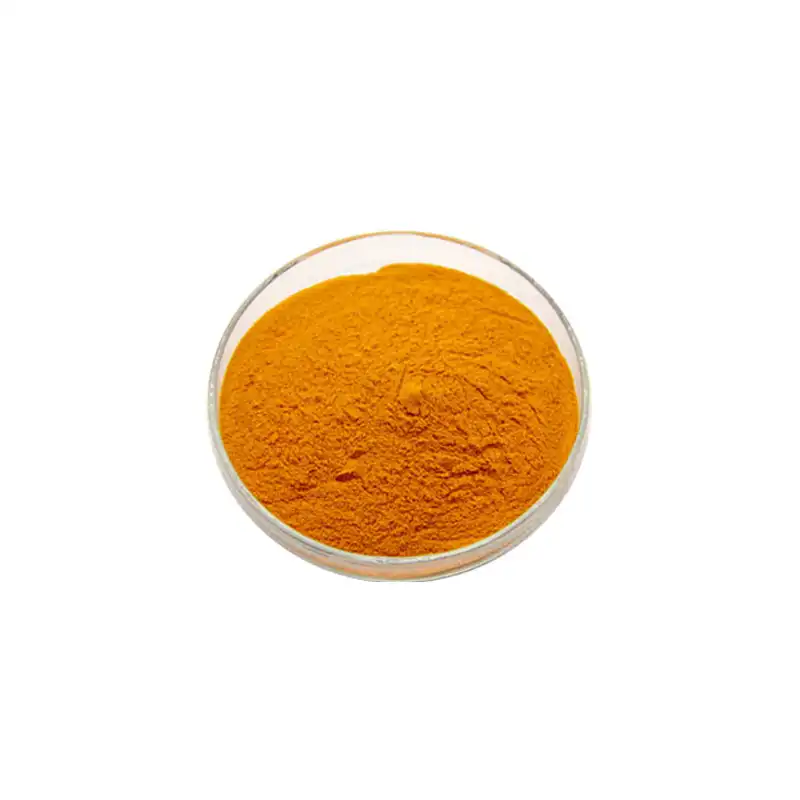

Resveratrol Powder Uses in Skincare and Nutrition
Resveratrol Powder is a natural polyphenol, mostly from grape skins, Japanese Knotweed (Polygonum cuspidatum) and certain berries. It is a strong antioxidant, which helps fight oxidative stress at the cellular level, and is thus useful in both cosmetic formulas and nutritional supplements. We offer high quality extracts utilised by beauty brands, pharmaceutical firms and nutrition manufacturers to provide anti-aging and health advantages. It activates sirtuin enzymes and other cellular processes, and is one of the most versatile functional substances on the market today, with increasing scientific evidence.
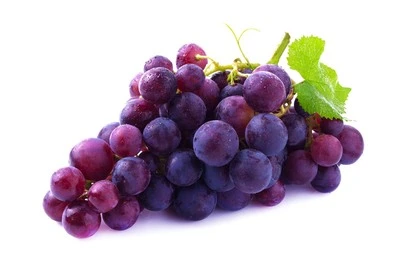
Botanical source: Polygonum cuspidatum Sieb, Grape
Other Names: trans-3,4,5-trihydroxystilbene
CAS NO.: 501-36-0
Specs Available: 50%, 98%, 99%(HPLC)
Part of used: Root
Appearance: White to off-white fine powder
Molecular Weight: 228.24
Molecular Formula: C14H12O3
MOQ: 500G-1KG
Inventory: in stock
Customized service: Support adjusting purity (50%-99%) according to customer needs
GMP standard production lines.
Payment: 100% TT in advance
Certificaions: FSSC2000/ISO2000/HALAL/KOSHER/HACCP
Delivery terms: FedEx, DHL, EMS, UPS, TNT, all kinds of the airline, international shipping companies.
Free sample is available.
We do not sell retail quantities to individuals.
Understanding Resveratrol Powder and Its Benefits
Natural Origins and Extraction Methods
Many plants contain resveratrol, but Japanese Knotweed roots have the greatest natural content. In our facility, we use ultrasonic-assisted extraction and dynamic countercurrent extraction to isolate resveratrol powder from plant material. These procedures are 30-50 % more efficient than the classic immersion processes and need substantially less solvent. We take care to maintain the trans-isomer during extraction, which is far more bioactive than the cis-form.
We extract flavonoids and other useful chemicals from the same raw materials, maximising the utilisation of resources and reducing the total cost of manufacturing. Initial extraction, followed by chromatographic purification using simulated moving bed (SMB) technology, allows for a continuous manufacturing cycle. This process yields 98% purity continuously for pharmaceutical use and 95% for cosmetic purposes.
We have integrated our supply chain via raw material sourcing agreements in the Qinling Mountains area. The closeness to good plant sources also assures a steady supply throughout harvest season and provides a buffer against price variations in the market.
Key Health and Skincare Benefits
Resveratrol is a powerful antioxidant that neutralises free radicals before they may harm cells and accelerate the ageing process. Studies have shown that it regulates numerous critical signalling pathways including NF-kB, COX-2 and PI3K/Akt that control inflammatory responses and cellular energy metabolism [2,5]. By directly activating SIRT1 deacetylase enzymes, it has attracted significant interest in metabolic health and longevity research.
In skin care applications, it is used by cosmetic businesses in anti-aging serums and creams since it increases collagen formation and protects skin structures from free radical damage [1,4]. Cardiovascular formulations are favoured by supplement producers since it supports the proper functioning of blood vessels via a number of processes [5]. Food and beverage firms also add it to functional items for health-oriented customers.
Resveratrol may overcome cellular barriers and is effective in both topical and oral administration methods, however bioavailability varies greatly depending on the formulation approach.
Dosage Guidelines and Safety Considerations
The dose is dependent on the intended usage and target user. Nutritional supplements usually include 100–500 mg per serving, and clinical trials have evaluated doses up to 2,000 mg per day for particular health goals [5]. For most individuals, concentrations of 0.5% to 1.0% of skincare products lead to observable benefits without irritation. Our team works with B2B customers on recommended inclusion rates for a certain product category, target audience and regulatory considerations.
When used according to the directions, the safety profile is well known. Mild gastrointestinal discomfort may occur in sensitive persons after high oral dosages. Topical products are typically well tolerated by all skin types although we encourage patch testing of novel formulations during development. We provide comprehensive technical documentation, including as stability data, compatibility studies and regulatory compliance certifications, to assist customers in adhering to product development timeframes. Our packaging is moisture managed with a moisture content of 0.5% or less and the nitrogen-flushing procedure we use extends shelf life to over three years, retaining product integrity throughout transit and storage.
Resveratrol Powder in Skincare: From Science to Application
Mechanisms of Action in Dermal Health
Resveratrol protects skin tissue by reducing reactive oxygen species (ROS) before they cause harm to cellular components. In response to stressors such as pollution and UV radiation, free radicals occur causing breakdown of collagen fibres and elastin networks. By scavenging these oxidative species, resveratrol helps preserve the structural proteins responsible for skin firmness and elasticity [4].
In vitro studies suggest it may increase collagen type I formation in fibroblast cells, which supports the skin’s natural healing processes [1]. The chemical also modifies the expression of genes that govern inflammation and tissue regeneration, beside its antioxidant activity. It inhibits matrix metalloproteinases (MMPs), enzymes that destroy components of the extracellular matrix during photoaging. This means it preserves existing structures and stimulates new collagen production, making it useful for both prevention and repair.
This dual action of resveratrol is why cosmetic formulators love it. One ingredient attacking several ageing pathways simultaneously makes for simpler formulas and demonstrable effects.
Formulation Advantages for Product Developers
Our micronised Resveratrol Powder gives formulators more options than pre-encapsulated products. This tiny particle size (usually 80-200 mesh) is uniformly dispersed in emulsions, lipid based delivery methods and anhydrous formulations. This enables formulators to make serums and creams with stable concentrations and avoid the crystallisation problems sometimes seen with improperly treated materials.
Also, we provide help to customers in encapsulation technologies including liposomal systems and nanoparticle carriers that increase skin penetration and bioavailability. The economic benefits of the powder form for the OEM makers are clear: no premium for pre-encapsulation and perfect dosage control during manufacturing.
Our two-grade quality control method is based on near infrared spectroscopy combined with the confirmation test of HPLC and GC-MS in real-time. All batches are in accordance with EP / USP pharmacopoeia standards providing you with consistency to minimise formulation mistakes and shorten time to market of new goods.
Absorption and Efficacy Considerations
Resveratrol is lipophilic and has intermediate molecular weight, which makes it problematic for topical application. These disadvantages could be solved by sophisticated formulation approaches, such as careful choice of carriers and penetration enhancers. We work with cosmetic scientists to optimise delivery methods for effectiveness and sensory pleasure.
In gel-based products, solubilizers may be needed to maintain clarity, while in oil-in-water emulsions, lipophilic actives integrate readily into the oil phase. We advocate clinical testing techniques that examine both short-term effects such as antioxidant activity and decreased redness and long-term benefits with continued usage.
All our cosmetic grade materials have extensive safety evaluations and stability data throughout key pH ranges, temperature fluctuations and common formulation constituents. This paperwork supports regulatory filings and provides scientific proof to substantiate marketing claims. Our technical documents also provide suggested preservation methods and antioxidant co-factors for extending the shelf life of the product without affecting the effectiveness of the active ingredient.
Making the Right Choice: Selecting High-Quality Ingredients for Nutrition and Skincare Products
Purity Standards and Product Specifications
Accurate dosage in pharmaceutical and premium supplement applications requires extracts with 98% or greater active ingredient concentration. The chromatographic separations we perform reliably extract the target chemicals from the plant matrix and consistently achieve these levels of purity. Cosmetic grade ingredients (95%+ purity) are good for skincare formulations at a more accessible price range.
Both grades undergo stringent testing including HPLC for measurement of active substance, residual solvents, heavy metals screening and microbiological contamination. If you are purchasing blended supplements containing several plant chemicals, we urge procurement managers to compare vendors on the basis of constituent concentrations and extraction processes. The certificates of analysis refer to the quantity of active substance, other ingredients and the test methods. This openness allows customers to check product quality and to support regulatory label claims.
Natural Versus Synthetic Sourcing Strategies
Reliable supply chains and cost-effective manufacturing still put Polygonum cuspidatum root extraction as the most prevalent source of natural resveratrol. We collaborate with organic farmers engaged in sustainable harvesting. Biotechnology techniques such as yeast fermentation are capable of producing nature-identical molecules with little environmental effect. Another possibility is enzymatic synthesis, however because to its high cost, it cannot be used in big scale.
Synthetic chemistry can produce pure Resveratrol Powder molecules, but some Markets differentiate between natural and synthetic sources on product labels, and rules for categorisation differ by area. To guide B2B clients throughout these challenges, we provide comprehensive traceability documentation from raw material to final product. In our environmental management system we use MVR evaporation crystallisation for zero liquid discharge and composted waste residue to ensure EHS standards compliance.
Supplier Evaluation and Certification Requirements
Reputable producers should have GMP, ISO 13485 and other necessary regional certifications. With our present certifications we can enter the European, US and Chinese markets, so it’s easier for our customers to distribute internationally. The supplier choice also depends on the volume of production. At 10 tonnes per year, we can spread the fixed costs and provide resveratrol powder at 40-60% cheaper unit price than smaller operations, while still meeting pharmaceutical-grade quality.
Formulation development should be supported by modern analytical equipment, professional quality teams and quick customer service. Custom testing and stability studies as part of clients’ quality assurance programs to assist hasten regulatory clearance. Our ethanol and methanol recovery system recovers a minimum of 90% of the solvents used for cost savings, without compromising quality. Long-term collaborations are further secured by patented purifying methods.
Buying Guide for Ingredient Procurement and Pricing Insights
Sourcing Options and Logistics Solutions
B2B customers may acquire resveratrol powder via ingredient wholesalers, direct producers or online marketplaces. By purchasing directly from manufacturers such as our facility, there are no middle man mark ups and you get professional product development assistance. We provide flexible logistics solutions via FedEx, DHL, UPS and other international carriers, with solutions for all order volumes and delivery timeframes.
For new importers, we make the procedure much easier by taking care of customs clearance for the European and American markets. Our warehousing approach allows us to combine multi-ingredient orders and help you save on shipping and customs expenses – which is especially useful if you’re sourcing many plant-based ingredients at once. We maintain sufficient inventory for just-in-time manufacturing and offer bulk pricing for long-term supply agreements. Temperature-controlled transport and nitrogen-sealed packaging protect sensitive materials from oxidation during transit.
Pricing Benchmarks and Quality Considerations
Price for pharmaceutical grade resveratrol (minimum 99% purity) is usually $800 to $1500 per kilogram due to the intense quality testing and regulatory paperwork required. For high-end skincare applications, cosmetic-grade (95%+ purity) alternatives provide an economical choice at $400-$800/kg without sacrificing effectiveness. Actual price depends on availability of raw materials, extraction efficiency and market demand.
But there’s more to buying than purity figures. Stability data, solvent residue reports and compatibility tests with conventional formulation constituents should all be considered. We provide complete technical documentation to assist cut down on R&D expenses in product development. Our automated DCS control solutions provide batch-to-batch consistency and prevent formulation surprises in scale-up. With supplier relationships you trust, you may grow your product line with confidence knowing you will continue to get the same quality ingredients.
Private Label and Custom Formulation Opportunities
Uniqueness in formulations, fulfilling particular customer demands, is becoming a key driver of brand distinctiveness. We provide private label services that allow firms to introduce their own product lines without having to invest in manufacturing facilities. We provide both market testing needs with small batch customisation (minimum 5kg) and full scale manufacturing for existing product lines. Technical cooperation includes stability optimisation, delivery system design and sensory enhancement.
We have a unique development team that is well versed in complexation chemistry, sustained-release forms and botanical combinations to improve bioavailability for organisations looking for customised formulations. These services assist businesses differentiate themselves in areas where ingredients make a difference to consumers. Our research approach, including metabolomics profiling and bioactivity screening, accelerates idea testing and decreases the time from lab to shelf.
Conclusion
Resveratrol Powder offers proven value across skincare and nutrition applications, thanks to its antioxidant properties and ability to modulate cellular pathways. Selecting high-quality ingredients requires attention to purity standards, supplier certificates and accessible documentation. Our extraction expertise, quality systems and flexible manufacturing capacities serve pharmaceutical, cosmetic, supplement and research customers equally. Uniting the economic efficiency and technical performance, companies may build unique goods that match the changing needs of the market, supported by an ingredient with real scientific credibility.
Frequently Asked Questions
1. What Concentration Works Best for Skincare Products?
Effective skincare products typically use concentrations between 0.5% and 1.0% to deliver antioxidant benefits without irritation. Higher concentrations may offer enhanced results but require thorough stability testing and patch evaluation. We recommend starting formulation trials at 0.5% and conducting consumer perception studies to identify optimal inclusion rates for specific product types.
2. How Should Nutritional Supplements Dose This Ingredient?
Dietary supplements generally provide 100-500 mg per serving, depending on health goals and target audience. Clinical studies have explored doses up to 2,000 mg daily [5], but most commercial products use moderate dosing aligned with safety data and cost considerations. Our technical team helps clients determine appropriate potency for different market positioning strategies.
3. What Testing Verifies Product Quality and Purity?
Comprehensive quality verification includes HPLC testing for active compound quantification, GC-MS for residual solvent detection, ICP-MS for heavy metal screening, and microbiological contamination assessment. Certificates of analysis should specify trans-isomer concentration, moisture content, and stability data across key storage conditions. We provide complete analytical profiles supporting regulatory submissions and quality control requirements.
Partner with a Trusted Resveratrol Powder Manufacturer
Jiayuan Bio-Tech specializes in producing natural plant extracts, including Resveratrol Powder, using advanced purification technologies and stringent quality systems for pharmaceutical and cosmetic applications. Our GMP-certified facility, located near China's Qinling Mountains, combines sustainable raw material sourcing with automated production controls to deliver consistent 98%+ purity for demanding applications.
We support your product development goals with comprehensive services: custom formulations, stability studies, and regulatory documentation packages. Our vertically integrated supply chain and solvent recovery systems deliver cost savings while maintaining environmental responsibility through zero liquid discharge practices.
Whether you need small batches for formulation testing or bulk quantities for full production, our team manages international shipping and customs clearance for direct delivery to your facility. Contact our ingredient specialists at sales@jayuanbio.com or sales1@jayuanbio.com to discuss your specific requirements and request detailed product specifications. Discover how our resveratrol powder supply capabilities can accelerate your product development and help you stay competitive in your market.
References
1. Baxter, R.A. (2008). Anti-aging properties of resveratrol: Review and report of a potent new antioxidant skin care formulation. Journal of Cosmetic Dermatology, 7(1), 2-7.
2. Cottart, C.H., Nivet-Antoine, V., & Beaudeux, J.L. (2014). Review of recent data on the metabolism, biological effects, and toxicity of resveratrol in humans. Molecular Nutrition & Food Research, 58(1), 7-21.
3. Farris, P., Yatskayer, M., Chen, N., Krol, Y., & Oresajo, C. (2014). Evaluation of efficacy and tolerance of a nighttime topical antioxidant containing resveratrol, baicalin, and vitamin E for treatment of mild to moderately photodamaged skin. Journal of Drugs in Dermatology, 13(12), 1467-1472.
4. Ndiaye, M., Philippe, C., Mukhtar, H., & Ahmad, N. (2011). The grape antioxidant resveratrol for skin disorders: Promise, prospects, and challenges. Archives of Biochemistry and Biophysics, 508(2), 164-170.
5. Patel, K.R., Scott, E., Brown, V.A., Gescher, A.J., Steward, W.P., & Brown, K. (2011). Clinical trials of resveratrol. Annals of the New York Academy of Sciences, 1215(1), 161-169.
6. Wang, Y., Catana, F., Yang, Y., Roderick, R., & van Breemen, R.B. (2002). An LC-MS method for analyzing total resveratrol in grape juice, cranberry juice, and in wine. Journal of Agricultural and Food Chemistry, 50(4), 431-435.