
Resveratrol Powder for Heart Health: Key Benefits
Cardiovascular disease is the largest cause of death globally, fuelling ongoing demand for scientifically validated natural substances. Resveratrol Powder – trans-3,5,4′-trihydroxystilbene derived from the root of Polygonum cuspidatum – is one of the most researched polyphenols for heart health uses. Its capacity to battle oxidative stress, improve endothelial function and modify inflammatory pathways makes it a fundamental element for pharmaceutical, nutraceutical and functional food formulators. Whether you’re sourcing for a new supplement line, scaling clinical-grade production or developing a proprietary cardiovascular blend, for B2B buyers, knowing purity standards, extraction methods and supplier capabilities is the difference between a competitive product and a compliance headache.
Botanical source: Polygonum cuspidatum Sieb, Grape
Other Names: trans-3,4,5-trihydroxystilbene
CAS NO.: 501-36-0
Specs Available: 50%, 98%, 99%(HPLC)
Part of used: Root
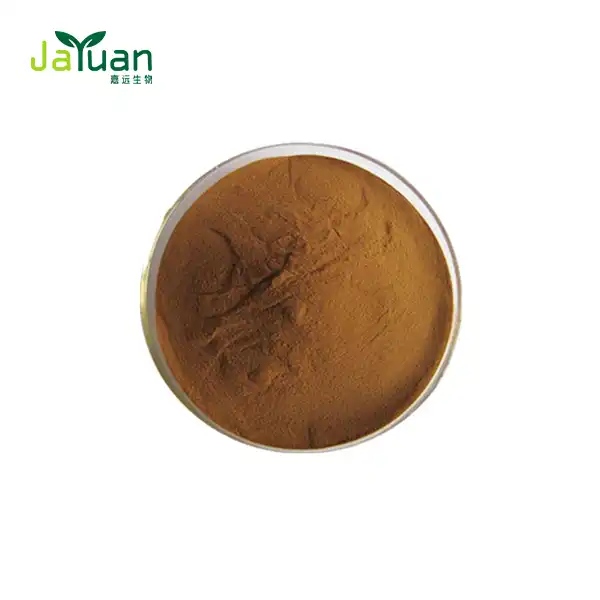
Appearance: White to off-white fine powder
Molecular Weight: 228.24
Molecular Formula: C14H12O3
MOQ: 500G-1KG
Inventory: in stock
Customized service: Support adjusting purity (50%-99%) according to customer needs
GMP standard production lines.
Payment: 100% TT in advance
Certificaions: FSSC2000/ISO2000/HALAL/KOSHER/HACCP
Delivery terms: FedEx, DHL, EMS, UPS, TNT, all kinds of the airline, international shipping companies.
Free sample is available.
We do not sell retail quantities to individuals.
Introduction
The worldwide cardiovascular health supplement industry is growing rapidly as customers are increasingly demanding natural and research-backed options to enhance cardiac function. High-quality resveratrol powder now contains the bioactive isomer trans-resveratrol and is available in capsules, functional drinks, and even cosmeceuticals addressing skin ageing related to vascular health.
This guide is for B2B decision makers buying managers comparing suppliers, R&D directors reviewing active ingredients, OEM partners looking for unique mixes, distributors entering the heart health area. We talk about the science that behind the cardiovascular activity of trans-resveratrol, what purity criteria are really important as far as manufacturing is concerned, how extraction technology might impact your end product, and what to look for in a supply partner.
Research in the last two decades has identified trans-resveratrol mechanisms to several cardioprotective pathways, including SIRT1 activation, regulation of NF-κB signalling and COX-2 inhibition. Pharmaceutical companies usually insist for clinical grade formulations from extracts standardised to ≥98% purity. For nutraceutical and cosmetic companies, standards of 95% purity are common based on the delivery type and claims they are looking for. When you have a provider that can provide the versatility of grades backed up by verified batch data, you may open up your ability to target different market groups without having to work with various suppliers.
Understanding Resveratrol Powder and Its Impact on Heart Health
Chemical Composition and Bioactive Mechanisms
Trans-resveratrol belongs to the stilbene family and has three phenolic hydroxyl groups that all contribute to its free-radical scavenging ability. Importantly, the trans configuration is more stable and more physiologically active than its cis equivalent. That is why purity alone is not enough — a supplier should also report the trans-isomer ratio, ideally ≥95% of total resveratrol content.
The cardiovascular advantages are due to multi-pathway modulation and not a single mechanism. SIRT1 deacetylase activation improves cardiac muscle cell mitochondrial biogenesis and metabolic efficiency. Simultaneously, COX-2 suppression aids in decreasing arterial inflammation. One comprehensive analysis of human studies (Tomé-Carneiro et al., 2013) reported that daily doses of 50-500 mg trans-resveratrol promote healthy blood pressure regulation and increase flow-mediated dilation - an important indicator of endothelial function.
This multi-target technology is a pragmatic boon for product creators. The advantage of one single chemical that tackles oxidative stress, inflammation and vascular tone at the same time makes formulation easier and marketing claims stronger, provided that the clinical evidence supporting it are correctly referenced.
Extraction Technologies and Quality Parameters
For Jiayuan Bio-Tech, extraction is not a commodity phase, but the place when product quality is lost or locked. Dynamic countercurrent extraction with ultrasonic-assisted processing enables us to get 30–50% greater yield than standard immersion procedures. This technique also minimises the use of solvents and protects the heat sensitive trans-isomer from degradation.
For purification we designed a simulated moving bed (SMB) chromatography system that allows continuous processing with purity levels always over 98% and validated for every manufacturing batch. Raw materials are supplied from contractual growth zones near the Qinling Mountains, where the altitude and temperature naturally enhance the polyphenol content inside the root tissue of Polygonum cuspidatum.
Our distributed control system (DCS) monitors in real time the extraction parameters: temperature at 50-60°C, pH at 4.5-5.5 and the ethanol concentration optimised to the batch. Such process control is non-negotiable for pharmaceutical customers who want active ingredient homogeneity from batch to batch, and it is what differentiates industrial-grade extractors from pharmaceutical-grade providers.
Cardiovascular Protection Mechanisms
At the molecular scale, trans-resveratrol readily contributes electrons to neutralise reactive oxygen species before they can oxidise LDL cholesterol, a process associated with the development of atherosclerotic plaque. In tests of endothelial function, trans-resveratrol reliably increased the activity of the enzyme endothelial nitric oxide synthase (eNOS) that supports vasodilation and healthy blood flow.
In addition to its antioxidant effect, the chemical also modifies the expression of adhesion molecules on arterial walls, which are implicated in early atherosclerosis. Studies also suggest activation of the PI3K/Akt pathway which is known to regulate cardiomyocyte survival and energy metabolism during stress. These overlapping mechanisms explain why high-purity resveratrol powder fits naturally into multi-ingredient cardiovascular formulas alongside CoQ10, omega-3 fatty acids, or hawthorn extracts.
Dosage, Usage, and Safety Considerations for B2B Clients
Clinical Dosage Benchmarks for Product Development
Clinical research suggests cardiovascular benefits with a daily consumption of trans-resveratrol of 150 to 500 mg. Pharmaceutical formulations addressing particular cardiometabolic goals may push toward the higher end of this range, while bioavailability-enhancement technologies frequently enable lower effective dosages.
Three factors should be considered when developing ingredient specifications: particle size distribution (micronised powders with D50 < 10 μm increase capsule dissolution rates), compatibility with the delivery matrix (liposomal encapsulation is suitable for aqueous beverages, while dry powder blends are appropriate for capsules), and the absorption enhancer strategy (e.g., co-administration with piperine can increase plasma concentration). For qualifying purchasers, our technical staff will provide free formulation consulting against your intended dosage form on these factors.
Manufacturing Compatibility and Stability Considerations
The high purity resveratrol powder is very stable at moisture levels below 0.5%. Our sealed container is flushed with nitrogen to preserve potency for more than three years under regulated storage (below 25°C, shielded from light) – an important criterion for producers that manage inventory across worldwide distribution channels.
Stability studies indicated that resveratrol powder was stable from pH 3 to 7, indicating suitability for use in acidic beverages and in neutral capsule matrices. One word of caution for production teams: extended exposure to temperatures over 80°C might lead to isomerisation to the less active cis-form. For each shipment, specific processing instructions are provided, including suggested temperature ranges and mixing sequences to protect the integrity of the ingredients in manufacture.
Regulatory Compliance and Safety Profiles
Trans-resveratrol is generally recognised as safe (GRAS) for use in functional foods and dietary supplements at typical ingestion levels. The clinical safety findings show that up to 1,000 mg per day was well tolerated, with few side effects. Purchasing managers should seek a Certificate of Analysis (COA) that includes active content, heavy metals (lead < 3 ppm, arsenic < 2 ppm per USP standards), microbiological screening and residual solvent reports.
Jiayuan Bio-Tech uses near-infrared spectroscopy for real-time processing monitoring, and HPLC and GC-MS analysis for the final batch. Our quality system is based on the EP/USP pharmacopoeia and FDA cGMP regulations. The facility holds GMP and ISO 13485 certifications, and we provide full regulatory support documentation for clients navigating submissions in the EU, United States, and China.
Comparison of Resveratrol Powder with Other Forms and Antioxidants
Powder Versus Alternative Delivery Formats
Bulk powder gives B2B customers two concrete benefits over pre-encapsulated or liquid formats: formulation flexibility and unit economics. Powders allow you to adjust dose per serving, mix with other actives and choose your preferred delivery vehicle - capsule, tablet, sachet or functional beverage. Generally powder is 40-60% cheaper than completed capsule counterparts per kilo of active, and at manufacturing rates above 10,000 units per month the savings really add up.
Liquid extracts are easy for ready-to-drink applications, but they have a larger shipping weight and need more extensive stability control during transport. Powder forms ease customs paperwork and minimise the cost of foreign freight. At Jiayuan Bio-Tech, we use solvent recovery systems to recover up to 90% of process ethanol, allowing us to maintain competitive pricing without compromising on purity.
Natural Extraction Versus Synthetic Production
Botanically derived trans-resveratrol from Polygonum cuspidatum preserves trace co-occurring polyphenols, which some studies indicate provide a wider bioactive profile, a plus for companies promoting “whole-plant” or “natural origin” branding. Synthetic approaches may reach great chemical purity, but they lack this phytochemical complexity and often do not qualify for organic certification.
Jiayuan Bio-Tech has a vertically integrated supply chain, with contracted cultivation bases providing organic certification for qualifying resveratrol powder quantities. Direct control of raw material procurement also decreases susceptibility to swings in commodity prices – a key factor for purchasers on yearly contracts. Our traceability paperwork supports “natural origin” marketing claims, with batch level records from cultivation thru final QC release.
Comparative Analysis with Complementary Antioxidants
Trans-resveratrol: a unique antioxidant for the cardiovascular system. CoQ10 is great for mitochondrial electron transport assistance whereas resveratrol has the added benefit of SIRT1 activation and regulation of inflammatory pathways not addressed by CoQ10. Vitamin E protects lipid soluble membranes, but has little effect on sirtuin signalling. Pterostilbene is a dimethylated analogue of resveratrol with improved oral bioavailability and trans-resveratrol has more published cardiovascular studies – an important consideration when formulating marketing claims based on the clinical literature.
Many formulators nowadays are combining trans-resveratrol with complimentary chemicals to target numerous cardiovascular pathways with one product. We offer custom blending services (minimum 50 kg per blend) for clients developing proprietary multi-ingredient formulas.
Procurement Insights and How to Source Quality Resveratrol Powder
Supplier Evaluation Criteria and Certification Requirements
Resveratrol powder supplier evaluation is not only a matter of pricing. Begin with these checks: Does the supplier provide a production flow diagram indicating the essential control points? Are the COA papers verified by third-party lab validation or merely in-house testing? Is the facility GMP-certified and can you see the certificate?
Suppliers supplying the pharmaceutical customers should have other certifications like ISO 13485. Request batch-to-batch purity trends: a supplier who routinely hits 98%+ purity is far more valuable than one that achieved it once. Jiayuan Bio-Tech offers our customers safe online access to batch testing data as they happen, including HPLC chromatograms, heavy metal screens and microbiological reports.
Geographic Sourcing Considerations and Supply Chain Stability
The primary producer of botanical resveratrol powder worldwide is China, owing to the enormous cultivation of Polygonum cuspidatum and its well-developed extraction facilities. We are close to the Qinling Mountain raw material zones, which decreases the length of our supply chains and the danger of deterioration in transit. European suppliers provide benefits of geographical closeness for EU-based consumers but often at higher cost structures. Many U.S. wholesalers supply domestically quality inspected stuff of Chinese origin—convenient but marked up.
Determine the total landing cost (ingredient price + freight, insurance, tariffs and customs clearance) to compare source regions. We ship door to door using FedEx and DHL and provide in-house customs paperwork service for buyers in Europe and North America.
Negotiating Bulk Purchase Agreements and MOQ Requirements
Minimum order quantities (MOQs) vary by quality: pharmaceutical grade material (≥98% purity, ≥95% trans-isomer) normally needs 25–100 kg per order. Nutraceutical and cosmetic grades from 10–25 kg, ideal for product research or small-batch manufacturing. “With our 10 metric tonne per year capacity, we can take on the big pharmaceutical contracts, or the smaller nutraceutical runs, without compromising lead times.”
Order commitments for annual volume above 500 kg are priced on a tiered basis – long-term partners often save 15-25% vs spot customers. We examine payment mechanisms for multiple-shipment contracts such as letters of credit, early payment discounts, and clauses for quality guarantees, which safeguard both parties for the length of the contract.
Future Trends and Innovations in Resveratrol Powder for Heart Health
Advanced Bioavailability Enhancement Technologies
Oral bioavailability has always been the one major restriction of trans-resveratrol – fast hepatic metabolism means only a portion enters systemic circulation. Three methods are altering that: liposomal encapsulation to boost cellular uptake, co-crystallization with absorption enhancers such as piperine, and nanoparticle delivery systems using food-grade carriers. Early clinical results show that nanoparticle formulations may improve bioavailability 3-5× relative to unformulated powder.
Working with formulation experts we develop tailor-made delivery systems like microencapsulation for acid-stable beverage formulations, controlled-release matrices for extended absorption in the intestine and lipid-based carriers for softgel compatibility. These higher-margin value-added forms enable viable product differentiation in the crowded heart health industry.
Customized Formulation Blends and Synergistic Combinations
Market demand is trending toward all-in-one cardiovascular solutions, not single ingredient supplements. Combining trans-resveratrol with omega-3 fatty acids, CoQ10 and hawthorn berry extracts provide complementing mechanisms all in one serving - simplifying the consumer routine and enhancing the marketing story.
Our modular production lines allow for small batch customisation, beginning at 50 kg per blend, allowing businesses to develop exclusive compositions. We provide confidential recipe creation with complete IP protection under NDA for OEM partners and private label customers. There are not many bulk extract providers who offer that level of customisation and it’s a real competitive advantage for firms creating unique product portfolios.
Regulatory Evolution and Market Access Strategies
Resveratrol product releases in key markets are subject to regulatory dynamics. The FDA often revises its recommendations for New Dietary Ingredient (NDI) notifications, while the European Food Safety Authority (EFSA) requires very demanding proof for cardiovascular health claims. Early tracking of these trends allows formulators to tweak requirements before they become compliance roadblocks.
Our regulatory affairs team follows guidance publications across the FDA, EFSA and NMPA, providing customers with submission-ready dossiers that contain safety data, manufacturing documentation and analytical technique validation. For pharma firms seeking approvals in many countries, this regulatory help may decrease time to market and lessen submission risk.
Conclusion
High-purity resveratrol powder (trans-resveratrol) supports cardiovascular health with clinical evidence including SIRT1 activation, antioxidant protection of LDL cholesterol, support of endothelial function, and regulation of inflammatory pathways. For pharmaceutical, nutraceutical, and cosmetic manufacturers, the ingredient's versatility across dosage forms and its compatibility with complementary actives make it a strong candidate for new product development or existing line expansion.
At the end of the day, there are three questions to address about sourcing decisions: Does the provider give you reliable purity data on a batch basis? Can they support your intended regulatory process with appropriate documentation? And do they provide the technical and formulation assistance to help transform an ingredient acquisition into a competitive product? Build long-term connections with suppliers that deliver on all three – with evidence, not just promises.
FAQ
1. How do I differentiate premium resveratrol powder from standard-grade materials?
Look at the HPLC report, not just the label claim. Pharmaceutical-grade resveratrol should show ≥98% total purity and ≥95% trans-isomer content. Also request heavy metal data — lead below 3 ppm and arsenic below 2 ppm per USP guidelines — plus microbiological screening results. A supplier that volunteers batch-level COAs with third-party lab verification, rather than waiting for you to ask, signals a quality-first operation. Visual inspection of the powder itself matters too: premium material should be fine, free-flowing, uniform in color, and free of clumping or discoloration.
2. What combinations maximize cardiovascular benefits without adverse interactions?
Trans-resveratrol works well with EPA/DHA omega-3s, CoQ10, and magnesium in cardiovascular formulations — each addresses a distinct mechanism, so the combination is genuinely complementary rather than redundant. Piperine can be added to improve resveratrol bioavailability at standard supplement doses without raising safety concerns. One caution: if your product combines resveratrol with anticoagulant ingredients, consult a formulation pharmacist or conduct an interaction review, as cumulative effects on platelet function are possible. Always run stability testing on multi-ingredient blends before finalizing specifications.
3. How can I verify authenticity during bulk international shipments?
Specify pre-shipment testing in your purchase agreement: the supplier sends a 100 g production batch sample to an independent third-party lab of your choice, with payment released only after results confirm specs. Request HPLC fingerprinting against a reference standard — this verifies both identity and purity. Insist on tamper-evident, sealed packaging with batch numbers that match the COA. For high-value shipments, third-party inspection services can photograph the loading process and verify container seal integrity at origin before departure.
Partner with Jiayuan Bio-Tech for Premium Resveratrol Powder Supply
Jiayuan Bio-Tech produces pharmaceutical-grade resveratrol powder with batch-to-batch consistency backed by SMB chromatography purification (≥98% purity) and automated DCS process control. Our vertically integrated supply chain — from contracted Qinling Mountain cultivation bases to on-site extraction and QC — keeps pricing competitive while maintaining full traceability.
Our GMP and ISO 13485-certified facility serves clients in Europe, North America, and Asia, with regulatory documentation support for each market. Every shipment includes a comprehensive COA with third-party testing confirmation. We offer flexible grade specifications — pharmaceutical (≥99%), nutraceutical (≥98%), cosmetic (≥95%) — and custom blending with MOQs starting at 50 kg.
For formulation consulting, stability testing protocols, private-label development, or batch samples, reach our technical procurement team at sales@jayuanbio.com or sales1@jayuanbio.com. Request technical data sheets, pricing quotations, and sample shipments to evaluate our material in your own production environment.
References
1. Baur, J.A., Sinclair, D.A. (2006). Therapeutic potential of resveratrol: the in vivo evidence. Nature Reviews Drug Discovery, 5(6), 493-506.
2. Tomé-Carneiro, J., Larrosa, M., González-Sarrías, A., Tomás-Barberán, F.A., García-Conesa, M.T., Espín, J.C. (2013). Resveratrol and clinical trials: the crossroad from in vitro studies to human evidence. Current Pharmaceutical Design, 19(34), 6064-6093.
3. Bhatt, J.K., Thomas, S., Nanjan, M.J. (2012). Resveratrol supplementation improves glycemic control in type 2 diabetes mellitus. Nutrition Research, 32(7), 537-541.
4. Pollack, R.M., Crandall, C.J. (2013). Resveratrol: therapeutic potential for improving cardiometabolic health. American Journal of Hypertension, 26(11), 1260-1268.
5. Smoliga, J.M., Baur, J.A., Hausman, H.A. (2011). Resveratrol and health: a comprehensive review of human clinical trials. Molecular Nutrition & Food Research, 55(8), 1129-1141.
6. Walle, T. (2011). Bioavailability of resveratrol. Annals of the New York Academy of Sciences, 1215(1), 9-15.