Cytisine Supplement Benefits: A Natural Aid to Quit Smoking
For pharmaceutical businesses, nutraceutical brands, and research teams working on smoking-cessation products, the Cytisine Supplement provides something increasingly rare: a plant-derived alkaloid with decades of clinical data behind it. Cytisine, which comes from the Cytisus laburnum plant, works on the same nicotinic receptors as nicotine – but only partly. This partial effect is what eases cravings and withdrawal and dulls the satisfaction a smoker receives from a cigaret. Head-to-head studies have shown quit rates equivalent to synthetic alternatives at a tenth of the expense. And this is precisely why demand is rising among buyers catering to health-conscious clients who prefer natural choices.
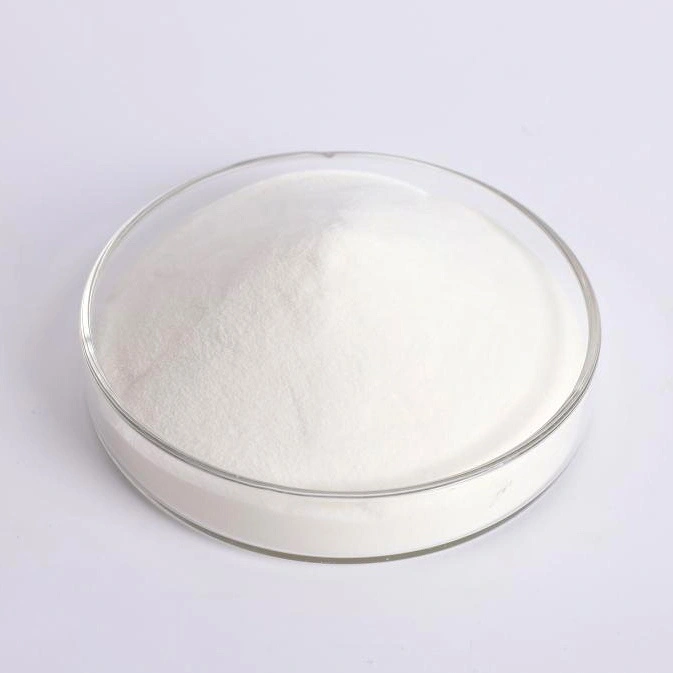
Product Name: Cytisine 98%
CAS NO.: 485-35-8
Molecular formula: C11H14N20
Molecular weight: 190.24
Specification content: 98%(HPLC)
Product Description: Diagonal Prism Powder
Physical properties: Melting point of 98-99 ℃, soluble in water, ethanol, methanol, insoluble in petroleum ether.
MOQ: 500gG-1KG
Our Advantages: Scalable production capacity, strict quality control, cost efficiency from integrated factories, over 20 years of experience, advanced technology, and 24/7 after-sales support.
Certificaions: FSSC2000/ISO2000/HALAL/KOSHER/HACCP
Delivery terms: FedEx, DHL, EMS, UPS, TNT, all kinds of the airline, international shipping companies.
Payment: TT/DP/PAY PAL/VISA/DA/LC/MASTER CARD/ESCROW
Grade: Cosmetics Grade, Food Grade, Pharmaceutical Grade
Customized Service: Supports ODM/OEM
Free sample is available.
We do not sell retail quantities to individuals.
Understanding Cytisine Supplement and Its Role in Smoking Cessation
The market for cytisine as a dietary supplement has been growing gradually, and the rationale is more about its track record than its novelty. Cytisine, chemically (1R,5S)-1,2,3,4,5,6-hexahydro-1,5-methano-8H-pyrido[1,2-a][1,5]diazocin-8-one, is a natural alkaloid with remarkable selectivity for the brain’s α4β2 nicotinic acetylcholine receptors. It has been used in Eastern Europe and Asia for decades as a smoking-cessation aid and the contemporary research foundation now encompasses effectiveness, safety and large-scale manufacture.
Natural Origin and Extraction Process
Pharmaceutical-grade cytisine is not something you can just soak and sieve. Dynamic countercurrent extraction and ultrasonic-assisted techniques recover 30–50% more alkaloid than ordinary immersion Then, continuous purification is made possible using simulated moving bed (SMB) chromatography that preserves purity at 98% plus for each batch – the kind of constancy B2B customers require when one out-of-spec batch may send a whole production run off track.
Mechanism of Action in Smoking Cessation
The structure of the cytisine molecule is similar enough to nicotine that it fits the identical α4β2 receptor binding site. As a partial agonist, it activates those receptors enough to lessen withdrawal symptoms while occupying the site so nicotine cannot give its full rewarding effect if the person smokes.” This combination — reduced cravings and a reduced reward from any slip — helps users progressively reduce their reliance, as well as the anxiety and anger that frequently accompany quitting, during the course of therapy.
Comparing Cytisine Supplement with Other Smoking Cessation Therapies
All categories in the smoking-cessation category are trade-offs. Those that understand the limitations of cytisine are better equipped to make judgments about sourcing and product positioning, whether they are designing completed goods or doing comparative research.
Efficacy Comparison with Traditional Methods
A randomized experiment published in the New England Journal of Medicine found that 8.4% of individuals using cytisine were abstinent at 12 months compared with 2.4% on placebo (Walker et al., 2014). Meta-analyses find cytisine to be as or more successful than nicotine replacement therapy including patches, gum and lozenges (Hajek et al., 2013; Cahill et al., 2016) at a much lower cost per course of treatment.
Chantix (varenicline) was, in fact, created based on the structure of cytisine and operates on the same receptors. These practical distinctions are relevant to product strategy: cytisine has less neuropsychiatric side effects, is typically well tolerated (Leaviss et al., 2014) and its plant origin has appeal to the expanding portion of customers who intentionally shun synthetic medications.
Cost-Effectiveness and Market Positioning
Much of cytisine’s cost advantage is due to the efficiency of extraction and the availability of raw materials, not cutting corners. Typically, moving from small scale to 10 ton manufacturing lines reduces cost per unit by 40-60%. This is where large volume purchasers have an advantage. The same plant material may also be utilized to produce co-products such as flavonoids, spreading the cost of the feedstock over more than one product line. Solvent recovery systems that catch at least 90% of the ethanol or methanol used keep operating costs—and environmental impact—down.
Safety, Dosage, and Usage Protocols for Cytisine Supplement
The dosage and safety track record of any cessation ingredient will drive how easily it will pass regulatory scrutiny and how confidently it may be promoted. The clinical database for cytisine is extensive enough that both questions have previously been answered.
Recommended Dosing Protocols
The typical regimen is 25 days on a tapering schedule: days 1–3 at one 1.5 mg capsule every two hours, decreasing to one capsule every 2.5 hours from day 4 through day 12, with additional decreases through day 25. This is similar to the normal process of nicotine withdrawal, but with sufficient receptor activation to make the sensations bearable. Approved labeling may vary by nation so check your intended market’s timetable before finishing product instructions.
Safety Profile and Contraindications
Across clinical studies involving more than 3,000 participants, cytisine has shown a mild, short-lived side-effect profile: nausea in 8.7% of users, abnormal dreams in 6.4%, and insomnia in 5.1%, most cases resolving within the first week of treatment (Walker et al., 2014). Known contraindications — pregnancy, breastfeeding, and recent myocardial infarction or stroke — match the standard precautions for this class of compound. Where cytisine products are registered, decades of real-world use support the safety record, though requirements for clinical documentation still vary by jurisdiction.
Quality Control and Stability Requirements
Finished cytisine must be protected from moisture and oxidation: nitrogen flushed, sealed packaging with a moisture content of less than 0.5% will keep the active stable for more than three years. On the QC side, the major manufacturers are combining in-line near-infrared spectroscopy with off-line HPLC and GC-MS verification against EP/USP pharmacopeial standards. GMP and ISO 13485 accreditation provides access to regulated markets in Europe, the US and China and streamlines B2B logistics. Such dual quality-control methods reduce batch variance and sustain therapeutic effects for end users.
Procurement Insights: Buying Cytisine Supplements for Global B2B Clients
When sourcing Cytisine Supplements, the three issues to ask are: Can the provider consistently meet specification? Can they document it? Can they deliver on schedule? There are many possibilities on the world market yet quality standards and capacity vary greatly.
Supplier Evaluation and Selection Criteria
A few practical cues distinguish dependable vendors from the others. The process flow has dynamic countercurrent systems and SMB chromatography demonstrating true extraction capabilities, not just basic trading. DCS automatic process control regulates pH, temperature and solvent ratios within narrow bands, reducing human error and variance from batch-to-batch. Suppliers with contractual growing areas for Cytisus laburnum close to their operations may provide improved supply security and traceability across the whole value chain – worth inquiring about before signing anything.
Certification and Compliance Standards
Certification standards vary by market and intended usage. GMP certification allows to apply for pharmaceutical applications ISO 13485 allows to position in the medical-device adjacent space HALAL certification is relevant in parts of the world where customers want it. Don't accept papers at face value – in this category, counterfeit or expired certifications are not unknown.
Suppliers with patents on purification or processing processes may provide real distinction and in certain circumstances exclusive agreements. That intellectual property position is often what justifies premium pricing over commodity-grade material and creates room for collaborative development.
Pricing Analysis and Cost Optimization
Competitive prices are available for orders of >100 kg for pharmaceutical grade cytisine (>99% purity), although cosmetic grade material (≥95% purity) is traded at lower prices and is suitable for certain non-therapeutic uses. Volume discounts typically begin around 500kg and there are big price reductions on multi-ton annual contracts.
Early-stage initiatives are not need to commit to commercial numbers, since research teams and derivative-product creators can generally organize small-batch customisation. If you combine many ingredients with one supplier, you also save freight and simplify supply-chain management – a point to include in any landed-cost comparison.
Building Trust Through User Testimonials and Brand Reputation
In B2B, confidence comes from recurrent orders going properly. Testimonials and reputation in the industry are helpful indicators for determining whether a provider can deliver on quality and time before you commit.
Industry Performance Validation
Buyers in this group tend to provide feedback clustered around similar points. Pharmaceutical businesses who use Cytisine Supplement in cessation programs cite the batch-to-batch stability and dependable supply. Research organizations involved in nicotinic-receptor investigations appreciate analytical accuracy and lot-to-lot repeatability. Nutraceutical firms cite flexible standards and formulation assistance. European distributors, working under some of the tougher regulatory regimes, consistently identify quality of compliance documents as the key decisive factor. These are the aspects of service to look at in the course of supplier due diligence.
Long-term Partnership Benefits
Suppliers worth keeping regard quality as a continuous program, not a certificate on the wall: periodic re-qualification, analytical technique validation, and stability studies that maintain product quality constant over multi-year supply agreements. Full supply chain openness – from the records of cultivation to the paperwork of delivery – not only helps with regulatory filings, but also makes any quality probe quicker and less costly to address. Green production practices and waste reduction increasingly align with the sustainability commitments downstream customers have already made.
Conclusion
Natural, scientifically validated cessation ingredient The rationale for the Cytisine Supplement is built on three pillars: proven effectiveness, moderate and well-understood safety profile, and manufacturing costs hard for synthetic alternatives to match. We provide modern extraction technologies, pharmacopeial quality control and flexible manufacture from research volumes to commercial size. The worldwide roll-out is a question of paperwork and supplier selection, not innovation, with regulatory channels already established in some places.
FAQ
1. Is cytisine supplement safe for long-term use?
Clinical data support the standard 25-day regimen: fewer than 10% of users experience side effects, and those are mostly mild and transient — nausea and sleep disturbance that typically resolve within the first week. The evidence base supports repeat treatment courses where clinically appropriate; continuous long-term use should remain under medical supervision.
2. How does cytisine supplement compare to nicotine patches in effectiveness?
In randomized trials, cytisine produced 8.4% continuous abstinence at 12 months versus 2.4% for placebo (Walker et al., 2014), and meta-analyses place it at or above nicotine replacement therapy (Hajek et al., 2013). Its partial-agonist mechanism eases withdrawal symptoms while damping the reward from any lapse — a combination NRT does not offer.
3. What regulatory approvals are required for cytisine supplement distribution?
Requirements depend on jurisdiction and intended use. Pharmaceutical applications require drug registration supported by clinical data; where a food-supplement classification is permitted, the pathway is lighter. Established monographs support cytisine's recognition in European markets, and several countries have approved product applications on file. Engaging regulatory specialists early keeps the right approval route clear for each market — and your supplier's documentation quality will determine how smooth that process is.
Partner with Jiayuan Bio-Tech for Premium Cytisine Supplement Supply
Jiayuan Bio-Tech manufactures pharmaceutical-grade Cytisine Supplement at purity above 98%, using dynamic countercurrent extraction and SMB chromatography that deliver 30–50% higher recovery than conventional methods. GMP- and ISO-certified production supports distribution across regulated markets. Whether you need pilot quantities for research, custom specifications for a new formulation, or multi-ton annual supply, we can provide certificates of analysis, specification sheets, and bulk pricing. Contact our team at sales@jayuanbio.com or sales1@jayuanbio.com to request a quote, samples, or full documentation — tell us your target market and volume, and we will respond with a tailored supply proposal.
References
1. Walker, N., Howe, C., Glover, M., McRobbie, H., Barnes, J., Nosa, V., ... & Bullen, C. (2014). Cytisine versus nicotine for smoking cessation. New England Journal of Medicine, 371(25), 2353-2362.
2. Hajek, P., McRobbie, H., & Myers, K. (2013). Efficacy of cytisine in helping smokers quit: systematic review and meta-analysis. Thorax, 68(11), 1037-1042.
3. Tutka, P., & Zatoński, W. (2006). Cytisine for the treatment of nicotine addiction: from a molecule to therapeutic efficacy. Pharmacological Reports, 58(6), 777-798.
4. Leaviss, J., Sullivan, W., Ren, S., Everson-Hock, E., Stevenson, M., Stevens, J. W., ... & Cantrell, A. (2014). What is the clinical effectiveness and cost-effectiveness of cytisine compared with varenicline for smoking cessation? A systematic review and economic evaluation. Health Technology Assessment, 18(33), 1-120.
5. Zatonski, W., Cedzynska, M., Tutka, P., & West, R. (2006). An uncontrolled trial of cytisine (Tabex) for smoking cessation. Tobacco Control, 15(6), 481-484.
6. Cahill, K., Lindson‐Hawley, N., Thomas, K. H., Fanshawe, T. R., & Lancaster, T. (2016). Nicotine receptor partial agonists for smoking cessation. Cochrane Database of Systematic Reviews, (5), CD006103.