
Resveratrol Powder for Skin: Uses, Benefits, and Tips
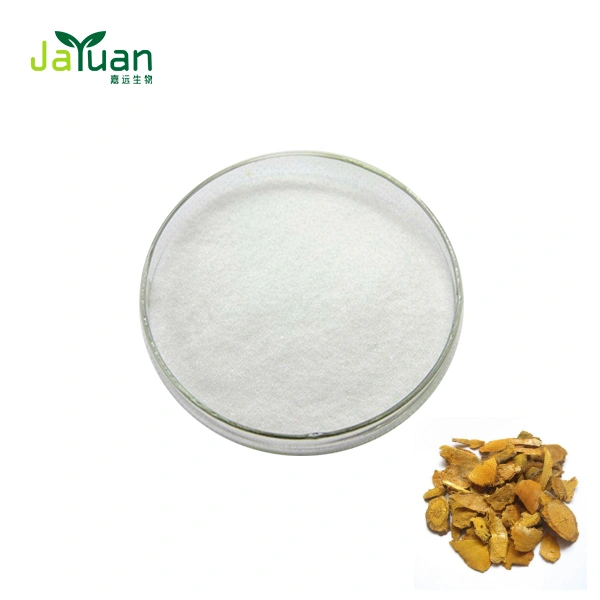
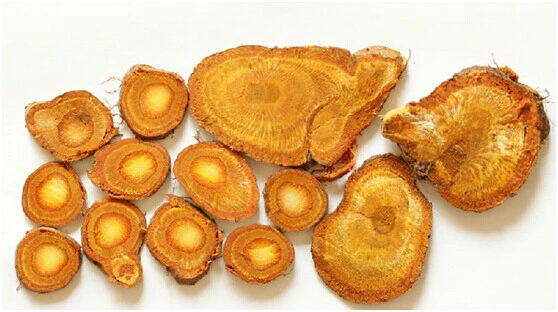
Resveratrol powder is a concentrated, standardized polyphenol compound that is derived mostly from the root of Polygonum cuspidatum (Giant Knotweed). It is a high-demand raw ingredient for antioxidant activity, collagen-supporting characteristics, and cosmeceutical application compatibility. It is a standout in B2B skincare formulation. Whether you’re a formulation chemist working on a new serum line, or a procurement manager sourcing bulk chemicals for an OEM contract, knowing how resveratrol powder works in skin applications—and how to get it reliably—gives your production a quantitative advantage.
Understanding Resveratrol Powder and Its Skin Benefits
But it's the biology underlying resveratrol powder that has formulators coming back for more. It is a polyphenol and a member of the stilbene family. It mostly occurs as the trans-isomer (trans-3,5,4′-trihydroxystilbene) with a molecular weight of 228.24 g/mol which is the physiologically active form. It has been shown in high impact journals to donate hydrogen atoms to free radicals, which decreases oxidative stress in skin cells.
Antioxidant Activity and Oxidative Stress Reduction
Oxidative stress is one of the biggest contributors to aging since it breaks down collagen strands and harms the skin barrier. Resveratrol powder is particularly efficient in eliminating free radicals. Research has revealed that doses between 1% and 2% when applied topically may substantially decrease the level of lipid peroxidation in the epidermis, hence slowing the degradation of structures over time.
Collagen Support and Skin Firmness
It works by boosting the activity of fibroblasts, the cells that create collagen. Resveratrol powder promotes fibroblast activity to support skin density and suppleness. This is something that is heard more and more from anti-aging products geared at the US cosmeceutical market.
Protection Against Environmental Stressors
UV rays and pollution harm proteins and DNA in skin. When blended with SPF products or your everyday serums, resveratrol powder gives a second layer of protection. It is stable in sealed formulations where the packing can control oxidation. This is because it does not alter in the absence of oxygen.
How to Use Resveratrol Powder in Skincare Applications
Adding resveratrol powder in a finished cosmetic product is not as simple as mixing then immediately. This molecule is light, oxygen sensitive and lipophilic, and thus needs a precise formulation to assure effectiveness and stability.
Recommended Concentration Ranges
Most people who make cosmetics use resveratrol powder in leave-on products like nite creams and serums at a concentration of 0.1% to 1% w/w. For rinse-off masks or specific spot treatments, higher amounts may be better. Concentration should always be in line with the safety data and regulatory limits in your market.
Combining with Compatible Actives
Niacinamide, hyaluronic acid, and peptide combinations work well together with resveratrol powder. Its ability to stop tyrosinase from working goes well with whitening products. Do not mix it directly with strong oxidizing agents or high-pH systems, as these can speed up the isomer's change from the active trans-form to the less useful cis-form.
Packaging and Stability Considerations
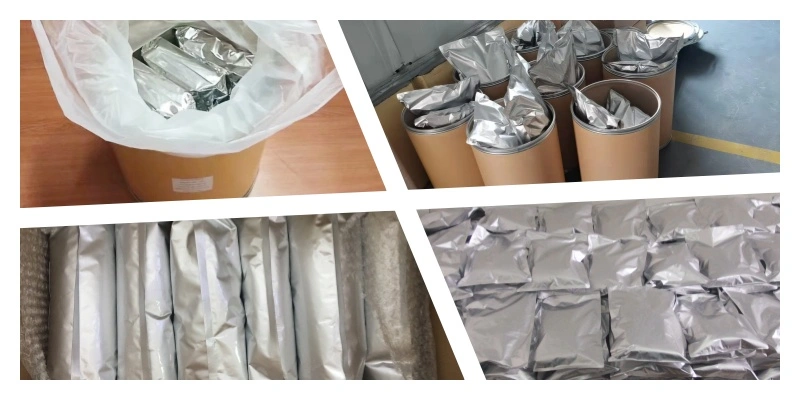
Resveratrol powder oxidizes to distinct products upon exposure to air and UV radiation, hence completed items must be packaged in vacuum-airless pump containers or in transparent, nitrogen-flushed packaging. Suppliers should provide dry powder (≤0.5%) in sealed containers purged with nitrogen for the raw ingredients. Jiayuan Bio-Tech satisfies this quality standard criterion .
Comparing Resveratrol Powder with Other Forms for Skincare Use
Buying groups often check to see which types of resveratrol powder, capsules, or plant mixes work best for their product goals. Here is a useful comparison based on how the recipe works and factors in the supply line.
Powder vs. Encapsulated Forms
Resveratrol powder offers you the widest range of applications. If the compounds are in microencapsulated or liposomal forms then water-based devices are more stable but they are more expensive and less easy to produce. For OEMs that already control stability via packaging, using pharmaceutical or cosmetic grade raw powder (≥95% purity) is a more cost-effective option that doesn’t sacrifice performance.
Synthetic vs. Plant-Derived Resveratrol Powder
Polygonum cuspidatum plant based resveratrol powder is still the gold standard for cosmetic usage since it supports claims of natural and organic ingredients. Synthetic or fermented versions may be just as pure but may need a little more evidence to be called natural. Always ask for a comprehensive COA that states the source of the item.
Pure Resveratrol Powder vs. Standardized Blends
The formulator can manage the dosage precisely using pure, high-purity resveratrol powder (≥98% or ≥99%), which is critical for ensuring goods operate the same way from batch to batch. Even if mixed botanical blends have higher levels of polyphenols, the active ingredient may vary, complicating label claims and quality checks. For professional lines of cosmetics, the optimum form of an ingredient is pure-grade powder.
Procurement Insights for Resveratrol Powder – What B2B Buyers Need to Know
The market for resveratrol ingredients around the world is competitive. While it's easy to compare prices, making sourcing choices based only on unit price often results in batch differences, late shipments, and fails to comply. When choosing a resveratrol powder manufacturer, these are the things that experienced procurement managers look at first.
A trustworthy provider has licenses that can be checked. GMP and ISO are the minimum requirements for entering the US and EU markets. In addition to approval, buyers should look at the size of the production, the way the materials are tested, and how they can be tracked. Here are the most important buying criteria:
- Ensure cosmetic-grade (≥95%), food-grade (≥99%), and pharmaceutical-grade (≥99%) requirements are available. Tiers have various regulatory routes and paperwork requirements.
- Documenting Batch Consistency: Resveratrol powder COAs from separate manufacturing batches are needed. Check HPLC-confirmed trans-isomer purity and moisture. A moisture level of ≤0.5% indicates regulated manufacturing conditions.
- Production Capacity and Lead Time: A 10-ton-per-year supplier can handle huge orders without quality loss. Under volume pressure, small-batch factories struggle to maintain standards.
- Logistics and Customs Support: US customers procuring from foreign manufacturers require vendors with export paperwork, US Customs clearance, and cold-chain or controlled-atmosphere shipping expertise.
These factors have a direct effect on the quality of your goods and the dependability of your supply. If you choose a seller with an integrated supply chain, from getting the raw materials near the Qinling Mountains in China to the end packing, you will be less vulnerable to changes in prices and problems with sourcing.
Tips for Optimizing the Use of Resveratrol Powder in Your Skincare Line
To get the most out of resveratrol powder in a finished cosmetic, care must be taken during the whole manufacturing and compliance process.
Storage Best Practices
Raw resveratrol powder should be kept in a cool, dry place that is out of direct light and preferably below 25°C. Opened containers need to be put back together under nitrogen. If you store high-quality powder in the right way (less than 0.5% moisture) and seal it in nitrogen-filled packaging, it will stay effective for more than three years.
Regulatory Compliance for US and EU Markets
In the U.S., the FDA regulates cosmetics that include resveratrol powder applied to the skin. Any claim that a skin structure or function has been altered must be supported by safety evidence. In the EU, the Cosmetics Regulation (EC) No. 1223/2009 has to be obeyed. Always deal with dealers who offer you all the necessary papers for legal reasons such as safety data sheets and results of stability tests.
Trend Alignment and Innovation
The US cosmetics buyer wants clean-label actives that come from plants and have been shown to have protective properties. Resveratrol powder is an excellent fit for this role. When you combine it with active ingredients that work well together, like coenzyme Q10 or plant-derived peptides, you get unique product stories that can support high selling prices.
Conclusion
The chemical resveratrol powder is very popular and sought after in cosmetics and wellness goods. This component is widely utilized in anti-aging treatments since it is a collagen booster, an antioxidant and works well with current skin care formulae. For business-to-business purchasers, the option of where to buy is a matter of purity grade, batch stability, seller certificates and the reliability of shipment. By partnering with a company that controls quality from raw materials to completed packaging, you reduce your risk and keep your production on track.
FAQ
1. What purity grade of resveratrol powder should I specify for a cosmeceutical serum?
Start with 95% pure cosmetic-grade resveratrol powder to produce US cosmeceutical serums. Drug-cosmetic (OTC) products may need pharmaceutical-grade (≥99%) and EP/USP standards evidence. Consult a regulatory specialist.
2. How do I verify batch-to-batch consistency from a supplier?
Ask for COAs from several different production lots and look for HPLC data that confirms the purity of the trans-isomer, the amount of moisture, and the heavy metal screening results. A provider who uses online near-infrared spectroscopy for real-time tracking along with offline HPLC and GC-MS verification can give you a better guaranty of batch integrity.
3. Is resveratrol powder safe for sensitive skin formulations?
Resveratrol powder is usually safe to use in cosmetics at amounts of 0.1% to 1%. It doesn't irritate the skin like retinoids or acids with a lot of acid in them do. But the end recipe needs to be checked for stability, because an oxidized product could turn colors and make it less appealing to consumers.
Source Certified Resveratrol Powder from Jiayuan Bio-Tech
A lot of cosmetic and health product companies in the US trust Xi'an Jiayuan Bio-Tech to supply them with resveratrol powder. We offer specs for both cosmetic and pharmaceutical use, production that is GMP and ISO-certified, full COA paperwork, and logistics support that includes clearing US customs. Our factory is near China's Qinling Mountains and has access to raw materials from all three levels. It can produce 10 tons of goods every year.
Get in touch with our team to get samples, bulk pricing, or help with formulating:You can email us at sales@jayuanbio.com or sales1@jayuanbio.com.
References
1. Baur, J. A., & Sinclair, D. A. (2006). Therapeutic potential of resveratrol: the in vivo evidence. Nature Reviews Drug Discovery.
2. Ndiaye, M., Philippe, C., Mukhtar, H., & Ahmad, N. (2011). The grape antioxidant resveratrol for skin disorders. Archives of Biochemistry and Biophysics.
3. Ratz-Łyko, A., & Arct, J. (2019). Resveratrol as an active ingredient for cosmetic and dermatological applications. Journal of Cosmetic and Laser Therapy.
4. Cottart, C. H., Nivet-Antoine, V., Laguillier-Morizot, C., & Beaudeux, J. L. (2010). Resveratrol bioavailability and toxicity in humans. Molecular Nutrition & Food Research.
5. European Commission. (2009). Regulation (EC) No 1223/2009 on cosmetic products. Official Journal of the European Union.
6. Almeida, L., Vaz-da-Silva, M., Falcão, A., Soares, E., Costa, R., Loureiro, A. I., & Soares-da-Silva, P. (2009). Pharmacokinetic and safety profile of trans-resveratrol in a rising multiple-dose study in healthy volunteers. Molecular Nutrition & Food Research.