
Resveratrol Powder in Functional Foods: Applications and Trends
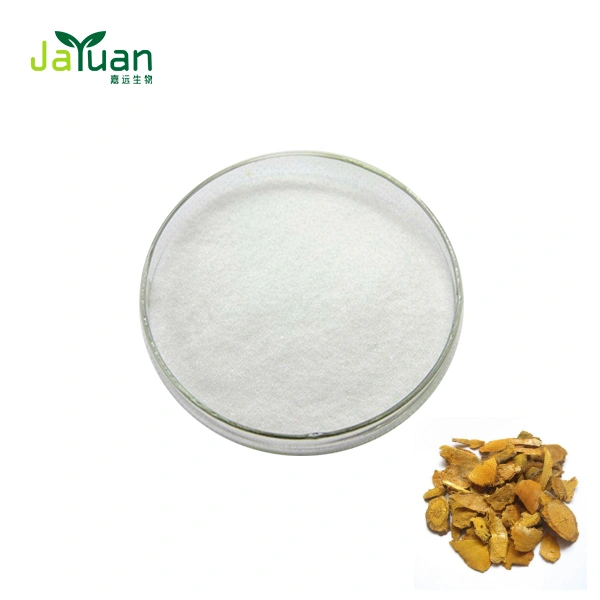
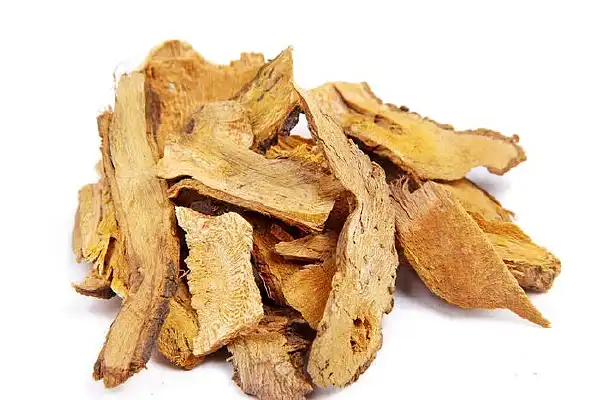
Resveratrol powder is a standardized polyphenolic stilbene mostly extracted from the root of Polygonum cuspidatum (Giant Knotweed). As a B2B ingredient, it provides the physiologically active trans-isomer in a concentrated and measurable form, making it a useful raw material for formulators in dietary supplements, functional beverages, nutritional bars and cosmeceutical product lines. Resveratrol powder is now one of the most reliably sourced polyphenol elements in the global nutraceutical supply chain, with demand increasing year on year, driven by rising clinical interest in its antioxidant and anti-ageing uses.
Understanding Resveratrol Powder: Properties and Health Benefits
What Is Resveratrol Powder?
Resveratrol powder is a phenolic stilbene phytoalexin, not a flavonoid. It is composed of the molecular units C₁H₁O₃ and each molecule weighs 228.24 g. Material that is excellent enough for business is generally a fine off-white to white powder that is ≥98% pure, as determined by HPLC. It seems logical that the trans-isomer (trans-3,5,4′-trihydroxystilbene) has been selected. It is stable at room temperature in the absence of oxygen and UV light, but decomposes in the presence of oxygen and UV radiation. This is something producers and formulators should bear in mind.
Key Health Benefits Backed by Research
Resveratrol is typically discovered to switch on Sirtuin-1 (SIRT1), linking it to pathways that help cells live longer. And studies have shown that may even assist the heart, combat free radicals and promote healthy inflammation. These bioactivities have been shown to be useful, thus resveratrol powder is a smart scientific option for those manufacturing anti-aging supplements or cosmetics for healthy skin.
Dosage and Safety for Functional Food Applications
The daily amounts used as a food supplement in human clinical trials have been 150 mg to 500 mg. The best amount of an ingredient to use in functional food is usually between 50 mg and 200 mg per dose. At these amounts, regulatory groups in the EU and the US say it is okay to use resveratrol as a supplement or in food. The people who write the rules should always check that they are following the laws in their own countries, though.
Comparing Resveratrol Powder with Alternative Supplements
Powder vs. Capsule and Extract Forms
Resveratrol powder has a significant advantage over alternatives such as pre-encapsulated or liquid extracts in that it can be dosed directly as desired by the formulator. Because each capsule has a set amount, it's hard to change the way they're made. But powder can be added to drinks, sweets, bars, and serums at just the right amount, whether that's 50 mg per softgel or 150 mg per functional drink dose.
Resveratrol Powder vs. Grape Seed Extract
Grape seed extract is another well-known polyphenol that has been used in supplements for a long time. It is high in oligomeric proanthocyanidins (OPCs) and is a polyphenol. On the other hand, trans-resveratrol does more than grape seed extract to turn on SIRT1 pathways. For companies that want to sell products for metabolic health and longer life, where activating SIRT1 is a key claim, resveratrol powder is still the more focused active ingredient.
Natural vs. Synthetic Resveratrol: What Buyers Should Know
The natural resveratrol powder made from Polygonum cuspidatum and the man-made resveratrol made through microbe fermentation are both very pure. Information from natural sources is often good for marketing a brand. Synthetic materials made from fermentation may be more consistent from lot to lot when used on a large scale. The full COA, HPLC purity confirmation, and isomer ratio verification are needed for both types before a purchase decision is made.
Applications of Resveratrol Powder in Functional Foods
Dietary Supplements and Anti-Aging Stacks
Resveratrol powder is often made into hard-shell pills and softgels before it is sold as a life supplement. It is often mixed with NR or NMN to make anti-aging stacks that make NAD+ levels higher. The lymphatic system absorbs resveratrol powder better when it is mixed with lipid-based softgels, which are made of olive oil or grapeseed oil. For stability, this is an important thing to keep in mind.
Functional Beverages and Nutritional Bars
Because it is naturally bitter, resveratrol powder does not like being heated when it is being made. This means it needs to be added carefully to healthy snacks and drinks that are ready to drink. When microencapsulation technology uses cyclodextrin or lipid-based carriers, bitter tastes are hidden and the active ingredient is kept from breaking down at high temperatures. More than one healthy drink brand in the US has used this way to sell products that have resveratrol added to them.
Cosmeceutical Formulations
Resveratrol powder for cosmetic use, which is at least 95% pure, is added to nite creams and serums because it has been shown to stop tyrosinase from working and help collagen production. One big problem with formation is that the molecule can oxidize when it comes in contact with water, which can change the color of the final product. When it comes to production, this is easy to fix with nitrogen-blanked filling lines or vacuum-sealed airless pump packing.
Procurement Guide: Sourcing High-Quality Resveratrol Powder for Business Needs
It's not enough to just compare prices per unit to find the best resveratrol powder supplier. The quality of the end product and your production plan will both be affected by how consistent your batches are and how well you keep records. Every team that buys something should look at these key things:
Food-grade (≥50%), cosmetic-grade (≥95%), and pharmaceutical-grade (≥99%) are some of the rated standards that the seller should give. For each lot, they should also be able to give you full COA, HPLC chromatograms, and isomer ratio reports.
How the certifications are going: You need to be certified by GMP and ISO in order to sell your products in the US and EU. Check to see if the certificates are still valid and that you can do site checks.
- Purity grading and documentation: Make that the provider has graded specifications (food-grade (≥50%), cosmetic-grade (≥95%) and pharmaceutical-grade (≥99%)) and can give comprehensive COA, HPLC chromatograms and isomer ratio data for each lot.
- Certification status: Valid GMP and ISO certifications for resveratrol powder are non-negotiable for US and EU market access. Check that certificates are current and facility audits are available.
- Minimum order quantities and bulk pricing: Good suppliers will provide variable MOQ levels to fit sample and commercial order needs with clear volume pricing.
- Packaging and shelf life assurance: Shelf life beyond three years (moisture content ≤0.5% in nitrogen-filled sealed container) is an important consideration for formulators with raw material inventory cycles.
- Logistics capability: A supplier with established relationships with FedEx, DHL, UPS, and EMS—and the ability to assist with customs clearance—reduces your import risk significantly.
Logistics: If your provider works with FedEx, DHL, UPS, and EMS and can help with customs clearing, you'll have a lot less risk when you import goods.
Emerging Trends and Future Outlook for Resveratrol Powder in Functional Foods
Personalized Nutrition and Precision Dosing
Because people want individual vitamin plans, the people who make them have to use ingredients that help with dosing correctly. This can be accomplished with resveratrol powder in its standard trans-isomer form. Reservatrol is being added to more and more personalized daily packs by supplement brands that you subscribe to and platforms that sell directly to consumers. This makes people more likely to buy in bulk.
Stability and Delivery System Advances
Researchers are working on ways to make resveratrol more bioavailable. These include phospholipid complexation (resveratrol-phosphatidylcholine), nanoparticle delivery, and cyclodextrin inclusion. The molecule is slowly being fixed so that it can dissolve in water. With these new ways to give resveratrol powder, formulators can make more finished goods, such as clear drinks and patches that you put on your skin.

Market Growth Signals
According to Grand View Research (2023), the global resveratrol market was valued at around USD 65 million in 2022. It will continue to rise by around 8 per cent a year until 2030. Most of the increase is in North America and Europe. individuals are living longer, and more individuals are interested in longevity research than ever. The SIRT1 research still gets a lot of news exposure. This tendency supports the argument that business-to-business customers should immediately establish strong, long-term partnerships with suppliers.
Conclusion
Resveratrol powder has a strong and expanding position in the market for functional food and supplement ingredients. Its known bioactivities, formulation flexibility and compatibility with many product forms (capsules, drinks, bars and cosmeceuticals) make it a valuable raw material for producers across several categories. The secret to making great finished goods with this ingredient is getting consistently pure, well-documented material from a source that can satisfy both your formulation demands and your supply chain dependability. Choosing the proper source of resveratrol powder is one of the most impactful choices a procurement team can make in this area.
FAQ
1. What purity level of resveratrol powder is appropriate for functional food formulations?
The most frequent criteria for conventional dietary supplement applications (capsules, gummies, beverages) is food-grade resveratrol with ≥98% trans-resveratrol purity. Cosmeceutical formulations often use cosmetic-grade ingredients of purity ≥95%. Pharmaceutical-grade (≥99%) is employed in highly controlled supplement product lines that are for medical nutrition or clinical quality positioning.
2. How do I verify that a resveratrol powder supplier is legitimate?
Please provide current COA, HPLC chromatogram and isomer ratio data for the exact lot you are testing. Independently verify the dates of GMP and ISO certification. Ask for third party test results from reputable laboratories. A reputable resveratrol powder supplier will not hesitate to give such paperwork and will provide trial amounts before large-order commitments.
3. What is the recommended daily dosage of resveratrol in functional food products?
Most human studies have utilized 150 mg to 500 mg/day in supplement situations. A reasonable and regularly utilized level for functional foods and beverages is 50 mg to 150 mg per serving. Always refer to the relevant FDA or EFSA guidance for your intended market to validate the final dose levels.
Partner with Jiayuan Bio-Tech for Reliable Resveratrol Powder Supply
The food-grade resveratrol powder used in supplements such as beverages, sweets, and tablets is normally trans-resveratrol with a purity of at least 98% . You may get it from jayuanbio.com. Cosmeceutical goods include the use of chemicals that are 95% pure at least and are meant for cosmetic usage. Pharmaceutical grade (>99%) is utilized in more strictly regulated supplement lines intended to be scientifically or medically sound. Contact us at sales@jayuanbio.com and sales1@jayuanbio.com.
References
1. Baur, J. A., & Sinclair, D. A. (2006). Therapeutic potential of resveratrol: The in vivo evidence. Nature Reviews Drug Discovery.
2. Bhullar, K. S., & Hubbard, B. P. (2015). Lifespan and healthspan extension by resveratrol. Biochimica et Biophysica Acta (BBA) – Molecular Basis of Disease.
3. Boocock, D. J., et al. (2007). Phase I dose escalation pharmacokinetic study in healthy volunteers of resveratrol. Cancer Epidemiology, Biomarkers & Prevention.
4. Grand View Research. (2023). Resveratrol Market Size, Share & Trends Analysis Report. Grand View Research.
5. Nunes, S., et al. (2020). Resveratrol and inflammatory bowel disease: Challenges for its use as a nutraceutical ingredient. Food & Function, Royal Society of Chemistry.
6. Zamora-Ros, R., et al. (2012). Dietary intakes and food sources of phyto-oestrogens in the European Prospective Investigation into Cancer and Nutrition (EPIC). British Journal of Nutrition.