
Resveratrol Powder: A B2B Buyer’s Guide to Quality and Supply
High quality resveratrol powder is still a difficulty to get for pharmaceutical businesses, nutraceutical producers, cosmetic brands and research institutes around the United States. It is a naturally occurring polyphenol chemical, largely sourced from Polygonum cuspidatum and grapes, and is now an important element in anti-aging formulas, cardiovascular health supplements, and functional drinks. To assist, we’ve assembled this complete buyer’s guide to help procurement professionals manage quality standards, supplier assessment, compliance needs and new trends in the marketplace. Knowing these characteristics means your organization can achieve a stable supply while staying ahead in formulation research and product innovation.
Understanding Resveratrol Powder: Essential Knowledge for Buyers
To get trans-resveratrol as a botanical extract ingredient, you need more scientific information than just knowing how to get supplements. This naturally occurring polyphenol has strong antioxidant properties because of the way its molecules are structured, which affects both how stable and bioavailable the finished product is.
Chemical Properties and Purity Standards
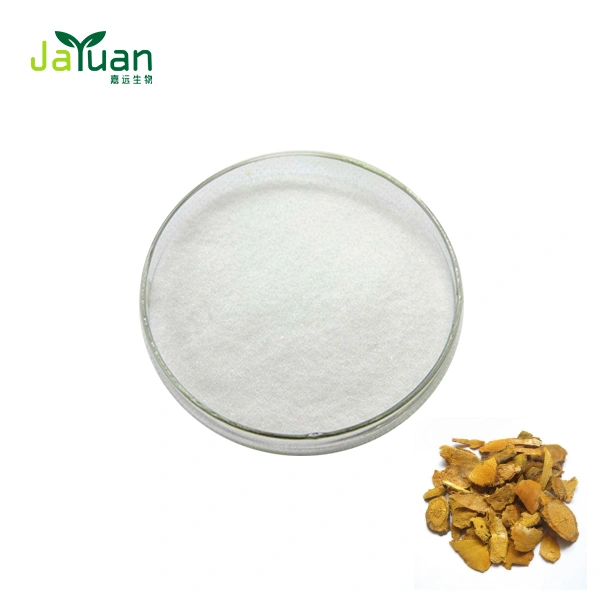
Trans-resveratrol powder is off-white to white solid. It commonly freezes around 253–255°C. The lipophilic molecule dissolves effectively in ethanol and other organic solvents but not water (below 0.03 mg/mL). Premium pharmaceutical-grade products have purity levels exceeding 98.0% or 99.0%, reducing the less effective cis-resveratrol isomer. Modern manufacturing produces micronized particles with D90 values below 10 microns. This makes the chemical dissolve faster in digestion, improving its Class II BCS categorization. Moisture content is typically maintained at ≤0.5% to prevent breakdown. Packaging packed with nitrogen prevents photo-oxidation for almost three years.
Natural Sources and Extraction Methods
Most trans-resveratrol used in industry comes from Polygonum cuspidatum root, which naturally has higher amounts than grape skin sources. Dynamic countercurrent extraction and ultrasonic-assisted methods have greatly improved efficiency, achieving 30% to 50% higher recovery rates than traditional immersion methods while using 30% to 50% less solvent. Simulated moving bed chromatography makes it possible to use ongoing filtering methods that keep the purity above 98% across all production runs. We've seen that suppliers who control the cultivation bases of raw materials offer more stable prices and consistent quality. This is especially true when agricultural partnerships make sure that area farmers have exclusive cultivation deals.
Health Benefits Driving Commercial Demand
Because of the way the molecules are structured, the compound can easily pass through cell membranes and change signaling pathways that are connected to inflammation and oxidative stress. Nutraceutical uses focus on supporting cardiovascular health, improving digestive health, and creating products that target Sirtuin 1 activation pathways to help people live longer. Because it can stop tyrosinase from working and get rid of free radicals, this ingredient is used by cosmetic companies in high-end anti-aging serums and whitening treatments. More and more, people who make functional drinks choose resveratrol 3-O-glucoside variants because they dissolve better in water and stay stable in high-acid, heat-pasteurized environments without the need for complicated emulsification systems.
Comparing Resveratrol Powder Options: Making Informed Procurement Decisions
To be good at procurement, you need to know the technical differences between the different product specifications that are out there and how they affect formulation performance, regulatory compliance, and cost structures. Bioavailability, manufacturing compatibility, and end-user efficacy are all directly affected by different purity grades, isomer compositions, and particle size distributions.
Purity Grades and Their Applications
Pharmaceutical-grade materials that are at least 99% pure are used in clinical research and therapeutic supplement formulas where exact dose and few impurities are very important. Nutraceutical-grade choices that are ≥98% pure offer the best value for money when it comes to dietary supplements aimed at the cardiovascular and anti-aging markets. They maximize the amount of active compounds in each tablet without the anthraquinone residues that are present in lower-grade extracts. Cosmetic-grade specifications at ≥95% purity meet strict safety requirements for topical applications and offer price advantages for skincare production runs that make a lot of products. We have discovered that exactly matching purity requirements to end-use uses keeps costs from going up for no reason, while also protecting the integrity of the formulation and making sure it meets all the rules in all the different markets.
Trans versus Cis Isomer Considerations
The trans-resveratrol isomer is the chemically stable and clinically proven form of resveratrol powder. On the other hand, cis-isomer content usually means that the substance has been broken down by light or bad treatment. During production and packing, premium providers use strict photo-protective measures to keep trans-isomer ratios above 99%. They do this by using controlled lighting and amber glass or opaque container systems. In purchase agreements, buyers should spell out the highest levels of acceptable cis-isomers. This is because this parameter is directly linked to how well raw materials are handled and how long they are expected to last. Before accepting packages, testing methods that use HPLC analysis against approved reference standards give a solid proof of the isomer makeup.
Particle Size and Bioavailability Enhancement
Micronization technology that creates particles smaller than 10 microns greatly improves how the substance dissolves in water-filled digestive environments, fixing the problem that it dissolves poorly in water in the first place. This step in the processing is especially helpful for making immediate-release tablets and using the ingredient in drinks where it needs to spread quickly. Different ways of delivering drugs, such as liposomal encapsulation, phytosome complexation, and cyclodextrin inclusion compounds, have better bioavailability profiles. These methods cost more, but they work better in clinical endpoint tests. When comparing quotes from suppliers, procurement teams should match particle size requirements with formulation needs and bioavailability goals.
How to Source High-Quality Resveratrol Powder: A Strategic Procurement Checklist
To build trusting relationships with suppliers, you need to regularly check their manufacturing skills, quality control systems, level of legal compliance, and the strength of their supply chains. We've come up with a thorough evaluation system that protects purchase investments and makes sure that the quality of ingredients stays the same across multiple production runs.
Manufacturing Technology and Quality Control
Advanced providers use automated Distributed Control Systems to precisely control pH levels, temperature profiles, and solvent ratios during the extraction and purification stages. This cuts down on human mistake and ensures high stability from batch to batch. Online near-infrared spectroscopy for tracking concentrations in real time is combined with offline HPLC and GC-MS tests to ensure compliance with EP and USP pharmacopoeia standards. Solvent recovery systems with multi-effect evaporators and condensation units that can recover more than 90% of the ethanol show advanced manufacturing processes that keep costs down while having the least possible effect on the environment. These technological skills directly lead to reliable products and cheap price, which is good for long-term partnerships in purchasing.
Certifications and Compliance Documentation
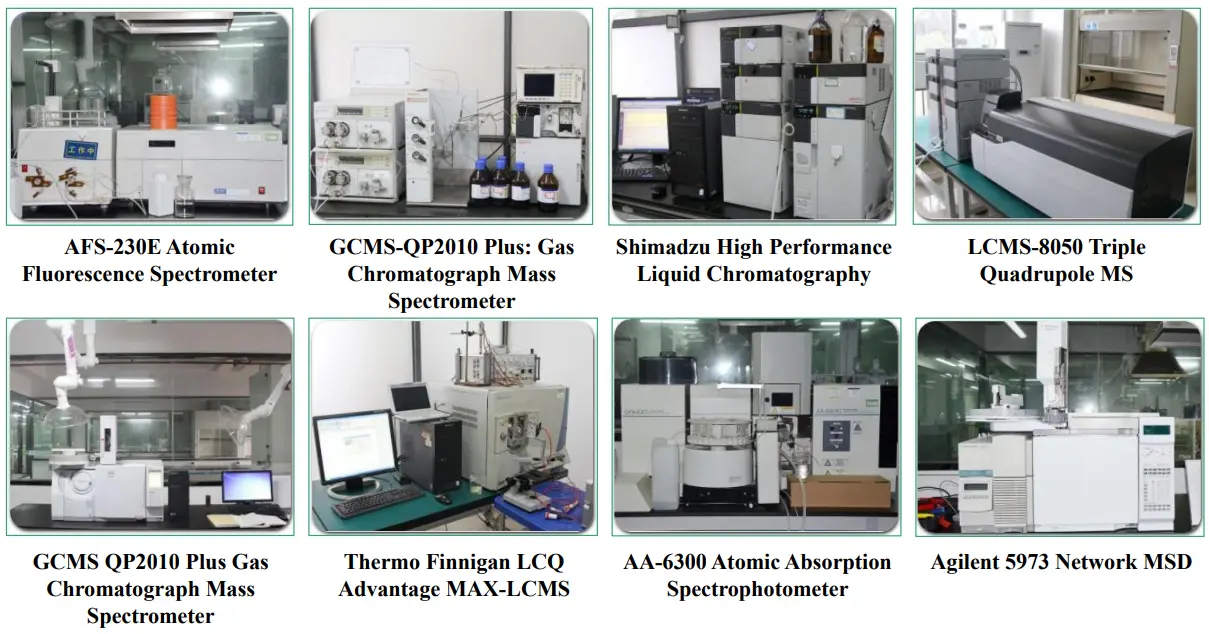
GMP certification shows that a company follows the rules for making medicines, which is important for supplement and drug uses in controlled markets. When resveratrol powder is used as an ingredient in diagnostic or therapeutic goods, ISO 13485 certification specifically talks about the standards for medical devices. The HALAL and Kosher approvals make it easier for finished goods that are aimed at religiously specific groups of people to reach new markets. During the seller approval process, you should ask for copies of current certificates, third-party audit reports, and a list of when the certificates will need to be renewed every year. Maintaining complete paperwork systems that include Certificates of Analysis, allergen statements, BSE/TSE releases, and heavy metal test results by suppliers shows that they are good at quality management, which lowers compliance risks across your supply chain.
Sample Evaluation and Testing Protocols
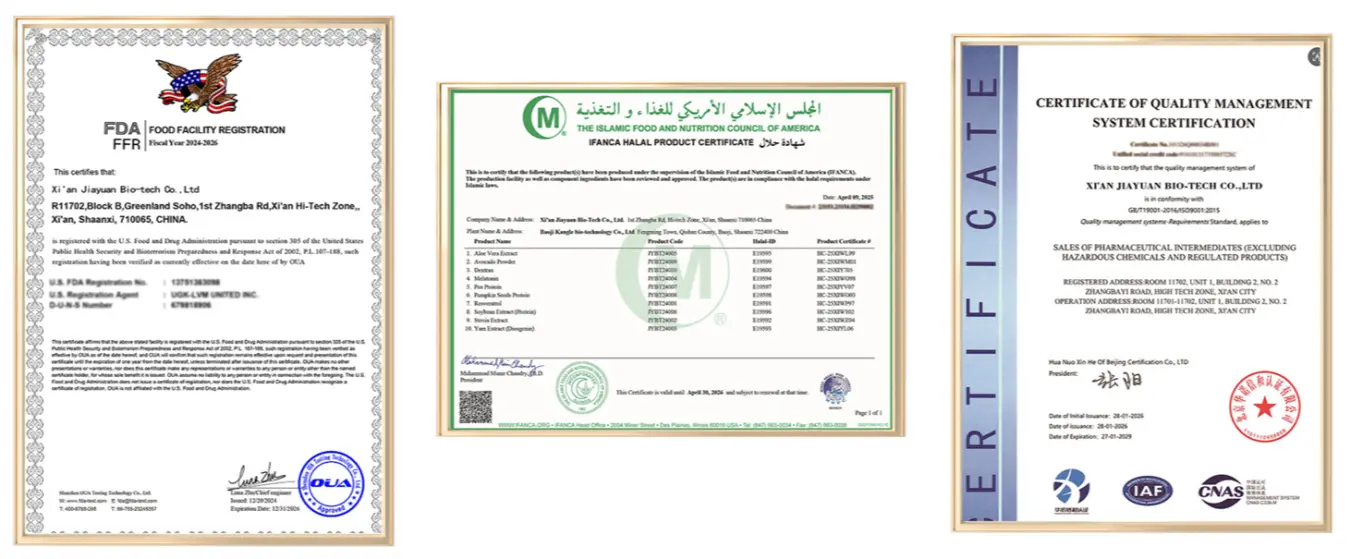
If you ask for samples before placing a large order, you can use your own lab facilities or hired testing services to make sure the specifications are met. If your application calls for it, a full analysis should include HPLC purity confirmation, residual solvent screening, heavy metal testing, microbiological examination, and particle size distribution analysis. Testing for stability under fast conditions that mimic long-term keeping shows possible degradation patterns that could affect the shelf life of the formulation. Comparing samples from different suppliers using standard testing methods gives you objective data that helps you make decisions about procurement that go beyond price alone. We've found that suppliers who are sure of their quality processes are happy to give us samples and see independent testing as a chance to show off their technical skills.
Pricing Structures and Volume Economics
Price of trans-resveratrol depends on purity, number of units requested, extract quality, and raw material costs. Fixed cost dilution and process optimization allow suppliers with large production lines that can produce more than 10 tons of products per year to provide 40% to 60% cheaper unit costs than small-batch producers. Volume-tiered pricing encourages larger purchases, although inventory costs and lifespan must be considered against unit savings. Requesting full pricing breakdowns for raw materials, processing, testing, and packaging clarifies matters and enables you compare competitor offers. Long-term supply arrangements that link price adjustments to raw material indices safeguard both parties from market volatility and guaranty greater pricing and priority when supplies are short.
Best Practices in Procurement and Supply Chain Management for Resveratrol Powder
Effective supply chain management includes more than just choosing the right suppliers. It also includes strategies for minimizing risks, keeping an eye on quality, navigating regulations, and making sure that production doesn't stop. To make buying processes more resilient, you need to think about both everyday working problems and major disruptions.
Specification Alignment and Quality Assurance
There are no doubts about purity levels, particle sizes, moisture content, residual solvent limits, and microbiological factors when there are clear technical specs in buy orders. Setting up incoming inspection protocols with clear acceptance criteria and written testing procedures keeps production environments safe from getting materials that aren't up to par. Using supplier scorecards to keep track of performance metrics like on-time delivery, specification compliance, paperwork accuracy, and responsiveness to quality problems gives you concrete performance data that you can use to make choices about continuing to work with the supplier. We keep in touch with our suppliers on a regular basis to talk about upcoming changes to formulations, expected volume needs, and new regulatory requirements. This way, we can build collaborative relationships that can adapt to changing business needs instead of transactional ones that are only focused on individual purchase orders.
Regulatory Compliance Across Jurisdictions
If you want to sell dietary supplement ingredients like resveratrol powder in the United States, you have to follow FDA rules. These rules include Current Good Manufacturing Practices, proper labeling requirements, and dietary ingredient guidelines. To sell on European markets, you have to follow EU food supplement directives, novel food regulations when they apply, and country-specific registration rules that are different for each member state. Pharmacopoeia monographs, pharmaceutical GMP standards, and drug master file paperwork that supports regulatory reports must all be followed for pharmaceutical uses. Cosmetic ingredients need to meet the standards for safety assessments, limited substance limits, and product information file paperwork. Your supplier should show that they understand these regulatory frameworks and provide supporting documentation to help you stay in line with the rules. They shouldn't add to your regulatory burdens by making things harder to check and fix on your own.
Inventory Management and Lead Time Optimization
Companies may strategically put their commodities to combine supply security with restricted working capital since trans-resveratrol has a shelf life of over three years when stored appropriately. Minimum-maximum inventory systems with reorder points based on regular consumption rates and wait periods eliminate the danger of running out and the expense of overstocking. International shipment from Asian industrial centres takes 30–45 days by water or 7–10 days by air. Costs vary by about 500% between the two modes of travel. We work with US-based vendors with secure warehouses. This has reduced wait times to 3–5 days and enabled us to make smaller orders to increase inventory turnover. When a new product is released or demand changes often, these logistics strategies enable the supply chain adjust swiftly.
Risk Mitigation Strategies
When economic pressure forces customers to acquire botanical extracts from unvetted providers, adulteration and bogus purity claims are common. Using a major supply and a certified backup supplier saves production from halting and keeps costs low due to competition. Companies may avoid financial losses from quality issues that cause harm by requiring suppliers to carry product liability insurance and inserting indemnity conditions in supply contracts. Building inspections, manufacturing process evaluations, and quality system assessments ensure approval criteria are fulfilled and identify issues before they influence material quality. Redundancy in your supply network costs more than optimizing for a single source, but it provides consistency when things go wrong and halt production.
Future Trends and Market Insights in Resveratrol Powder Procurement
The global market for trans-resveratrol is always changing because of new technologies, shifting consumer tastes, concerns about the environment, and new scientific research that finds new ways to use the substance. By knowing about these trends, procurement strategies can take advantage of chances and avoid problems that could hurt existing source relationships or put them at a disadvantage in the market.
Enhanced Bioavailability Technologies
Traditional resveratrol powder isn't very bioavailable because it doesn't dissolve well in water and is broken down quickly. This has led to the creation of more advanced delivery systems. Comparative studies show that liposome encapsulation techniques that create phospholipid bilayers around active molecules improve bioavailability by 5 to 10 times. Phytosome technology combines resveratrol and phosphatidylcholine to improve cell uptake and increase circulation time. Nanoparticle formulations that make particles smaller than 100 nanometers get around problems with solubility and open up new ways to deliver drugs. Although these ingredients with improved bioavailability are more expensive, they offer formulation customization options and better effectiveness, which helps upscale products stand out in the supplement market. As production volumes rise and prices become more competitive, procurement teams should keep an eye on these technology advances and look at the cost-benefit ratios.
Sustainability and Ethical Sourcing
As individuals grow more mindful of their impact on the earth and others, they pick ingredients beyond price and quality. Sustainable agricultural practices that decrease pesticides, water, and soil degradation appeal to environmentally conscious firms who desire clean labels. Corporate responsibility initiatives increasingly prioritize social sustainability. Fair-trade certification and ethical labour standards in agricultural supply chains may assist. Suppliers that employ zero liquid discharge wastewater treatment, composting trash, and renewable energy demonstrate environmental concern, which supports firms' sustainability objectives. Sustainability standards will likely become more important in purchase decisions as firms strive to differentiate out by making environmental claims and buyers reward companies that go beyond marketing slogans.
Market Growth and Demand Projections
People in developed economies are living longer, which is driving up the demand for anti-aging vitamins and formulas that focus on staying young. Resveratrol plays a big role in these products. As people become more health conscious and use preventative wellness strategies, the market reaches out to younger people who want to take charge of their health and longevity. As research goes on, it keeps finding new uses, such as improving exercise performance, supporting brain function, and metabolic health. This opens up formulation possibilities in nearby market segments. The global market is expected to grow at strong rates over the next ten years, with compound annual growth rates exceeding 8 to 10 percent. This rising demand puts pressure on supplies, which could affect prices and availability. This makes long-term supplier relationships and contract commitments more valuable for securing reliable access to ingredients at predictable costs.
Conclusion
To get resveratrol powder for research, cosmetics, nutraceuticals, and pharmaceutical uses, you need to know a lot about quality standards, supplier capabilities, regulatory requirements, and how the market works. We've listed the important factors that set premium suppliers apart from common providers. These include advanced extraction technologies, strict quality control systems, full compliance paperwork, and a resilient supply chain. By matching purity requirements to end-use uses, putting in place strict incoming inspection processes, and working together with your suppliers, you can protect the integrity of your formulation while also lowering the cost of purchase. Bioavailability innovations, sustainability standards, and growing applications are all changing the market. As a result, buying strategies need to be flexible enough to balance short-term cost pressures with long-term competitive standing.
FAQ
1. What purity level should we specify when ordering trans-resveratrol?
Pharmaceutical and clinical study uses usually need purity levels of at least 99% to keep impurities from messing up drug studies. Dietary supplement formulas work well with grades of ≥98% purity, which offer the best value for money. For cosmetic uses, ≥95% purity is usually fine as long as it meets safety standards and cuts down on the cost of ingredients in large production runs.
2. How can we verify the authenticity of trans-resveratrol powder?
Using approved reference standards in HPLC analysis proves the presence of trans-resveratrol and finds any added substances or high amounts of cis-isomer. Testing done by a third-party lab at an independent facility gives a fair check. It is important to make sure that the paperwork is correct by asking suppliers for Certificates of Analysis with testing dates that match output batches. Near-infrared spectroscopy is a quick way to screen, but HPLC is still the best way to be sure.
3. What storage conditions preserve trans-resveratrol stability?
The chemical needs to be kept in sealed, light-resistant cases below 25°C to protect it from photo-oxidation and thermal degradation. By limiting oxygen exposure, nitrogen-flushed packaging makes food last longer. Controlling the humidity stops moisture absorption, which keeps the powder's flowability and stops it from sticking. When stored properly, things stay useful for longer than three years after they were made.
Partner with Jiayuan Bio-Tech for Premium Trans-Resveratrol Supply
Jiayuan Bio-Tech has high-tech factories close to the Qinling Mountains that use simulated moving bed chromatography and automated control systems to make sure that the purity of all of their resveratrol powder batches is above 98%. Our manufacturing processes are GMP and ISO-certified, and they use two types of quality control: online near-infrared monitoring and offline HPLC verification. This makes sure that they follow the EP/USP pharmacopoeia. We have standards for pharmaceutical-grade (≥99%), nutraceutical-grade (≥98%), and cosmetic-grade (≥95%) products. Our order numbers are flexible, so we can support both large-scale production and the development of custom formulations. As a supplier of resveratrol powder with a lot of experience, our specialized cultivation bases and fully integrated supply chain keep prices stable and supply steady even when the market changes. To get samples, scientific specs, and cheap quotes, email our purchasing team at sales@jayuanbio.com or sales1@jayuanbio.com. You can look at our full line of botanical extracts at jayuanbio.com and learn how our focus on quality and quick technical support can help your ingredient supply chain.
References
1. Baur, J. A., & Sinclair, D. A. (2006). Therapeutic potential of resveratrol: the in vivo evidence. Nature Reviews Drug Discovery, 5(6), 493-506.
2. Walle, T. (2011). Bioavailability of resveratrol. Annals of the New York Academy of Sciences, 1215(1), 9-15.
3. Gambini, J., Inglés, M., Olaso, G., Lopez-Grueso, R., Bonet-Costa, V., Gimeno-Mallench, L., & Viña, J. (2015). Properties of resveratrol: in vitro and in vivo studies about metabolism, bioavailability, and biological effects in animal models and humans. Oxidative Medicine and Cellular Longevity, 2015.
4. Weiskirchen, S., & Weiskirchen, R. (2016). Resveratrol: How much wine do you have to drink to stay healthy? Advances in Nutrition, 7(4), 706-718.
5. Cottart, C. H., Nivet-Antoine, V., & Beaudeux, J. L. (2014). Review of recent data on the metabolism, biological effects, and toxicity of resveratrol in humans. Molecular Nutrition & Food Research, 58(1), 7-21.
6. Berman, A. Y., Motechin, R. A., Wiesenfeld, M. Y., & Holz, M. K. (2017). The therapeutic potential of resveratrol: a review of clinical trials. npj Precision Oncology, 1(1), 1-9.