Diosgenin Powder Explained: From Wild Yam to Modern Research
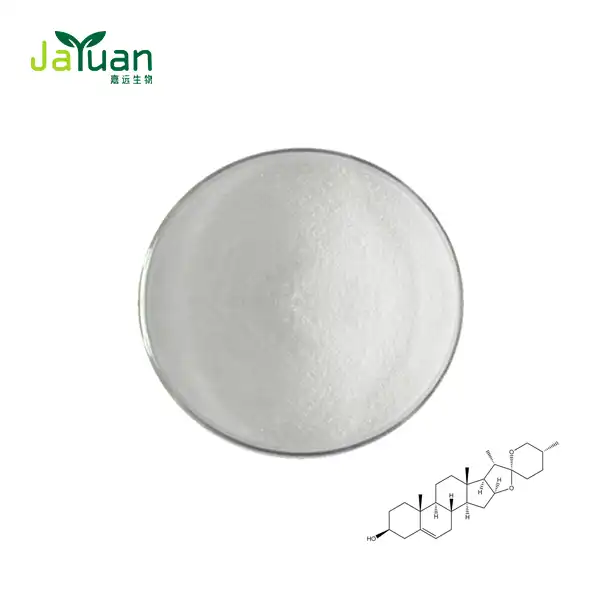
Diosgenin powder represents a crucial steroidal sapogenin extracted predominantly from wild yam (Dioscorea species) and other botanical sources, serving as a foundational ingredient in pharmaceutical and nutraceutical manufacturing. This bioactive compound acts as a critical precursor for synthesizing steroid hormones including progesterone, making diosgenin powder indispensable for API producers and supplement formulators worldwide. Its versatility spans from hormone therapy intermediates to women's health formulations, positioning it as a strategic raw material in modern biotechnology applications.

Understanding Diosgenin Powder: Origins and Composition
Botanical Origins and Extraction Methods
There are a lot of diosgenin-rich saponins in the rhizomes of wild yams, especially Dioscorea opposita and Dioscorea zingiberensis. Using complex methods, the extraction process turns these raw plants into a powder that is safe for use in medicine. Traditional solvent extraction has changed a lot over the years. Modern manufacturers now use dynamic countercurrent extraction and ultrasonic-assisted techniques that are 30% to 50% more effective than traditional immersion methods.
We have set up a vertically integrated supply chain at our site that starts at the farm and goes up to the Qinling Mountains, which is a great place to grow high-quality Dioscorea species. This geographical advantage makes it easier to get high-quality raw materials and lessens the impact of changes in market prices. Our extraction method uses simulated moving bed chromatography (SMB), a constant purification technique that keeps purity levels above 98% all the time, meeting the requirements of both the EP and USP pharmacopeias.
Chemical Profile and Bioactive Properties
The molecule structure of diosgenin (C₂₇H₄₂O₃) has a steroidal framework that is similar to endogenous hormone precursors. This is why it is useful for making medicines. Several clinical studies have shown that this steroidal sapogenin is a strong antioxidant that protects cellular structures from oxidative stress and also has anti-inflammatory effects. Because the substance is lipophilic, it can be easily added to a wide range of delivery methods, from pills to topical creams.
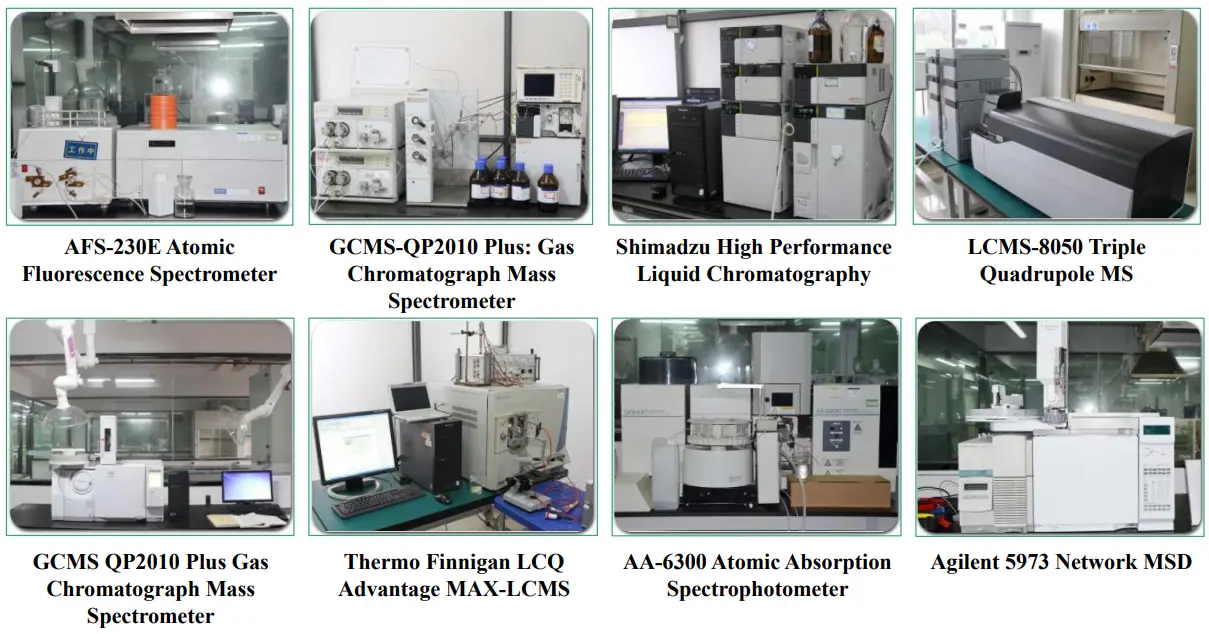
Our quality control lab uses two types of analysis: live near-infrared spectroscopy checks the concentration of the extraction in real time, and offline HPLC and GC-MS tests make sure the finished product meets all the requirements. This strict method makes sure that every batch meets the high standards needed by companies that make steroid hormones and high-end supplement brands. The powder form is better than the raw extracts because it dissolves better in manufacturing solvents, has a consistent particle size distribution for even mixing, and has a moisture content controlled to ≤0.5%, which means it will stay stable for more than three years with proper storage conditions.
Key Benefits and Uses of Diosgenin Powder in Industry
Pharmaceutical Applications as Steroid Precursor
The main market for high-purity diosgenin powder is in the pharmaceutical business, where it is used as an important starting material to make semi-synthetic steroids. Manufacturers change this sapogenin into progesterone using chemical processes. Progesterone is then used to make corticosteroids, hormones for birth control, and other medicinal steroids. The cost of this biosynthetic route is lower than total synthesis, but it keeps the molecular stability needed for pharmaceutical uses.
API makers give more weight to providers who can guaranty a steady monthly production capacity. Our facility can produce 150 to 200 tons per month, and it is run by automated DCS control systems that keep the pH, temperature, and solvent ratios just right during the extraction and purification steps. This technology cuts down on mistakes made by people and makes sure that each batch is the same, which is very important for regulatory compliance in pharmaceutical production settings with strict audit logs and paperwork standards.
Women's Health and Hormone Balance Formulations
Nutraceutical companies that focus on women's health use this ingredient in formulas that help with menopause and hormone balance. Due to its structural resemblance to endogenous hormones, the substance has gotten a lot of research interest. For example, studies are looking into its role in maintaining hormonal balance during life stages that are changing. Supplement companies like this ingredient because it has a clean name and comes from plants, which is in line with what customers want in bioactive chemicals that come from plants.
Product designers who are working on health products for hair and skin have also seen the compound's promise. Additionally, its antioxidant qualities help make products that promote healthy hair growth and keep skin healthy. Bioactive botanical ingredients are highly valued in the growing cosmeceutical market, which these uses expand the market beyond traditional pharmaceutical channels.
Industrial Integration and Future Research Directions
New study is looking into how to use these products in more ways to help with metabolic health and protect cells. Studies looking into how the compound affects lipid metabolism pathways suggest that it might be useful in weight loss supplements, but this is still a new area that needs more research. Because the compound can change inflammatory responses, it is a good choice for use in joint health and recovery products for people with active lifestyles.
Our patents cover unique ways to clean things that can produce pharmaceutical-grade (≥99% pure) or cosmetic-grade (≥95% pure) materials, depending on the needs of the application. Because we can make things in a variety of ways, we can serve a wide range of market segments while still meeting the quality standards that each one needs. We've put in place a thorough method to using raw materials that gets high-value compounds like flavonoids from the same plant source. This improves the general cost of production and helps us reach our sustainable goals.
Quality, Safety, and Dosage Considerations for Procurement
Safety Profile and Regulatory Compliance
When choosing providers, people who work in procurement must carefully look over safety paperwork. Even though diosgenin powder is generally safe for commercial use, it is up to the manufacturers to make sure that final goods are properly made and that the right amount of diosgenin is used. When the ingredient is processed according to pharmaceutical standards, there aren't many reports of bad reactions. However, individual sensitivity should always be taken into account in market goods.
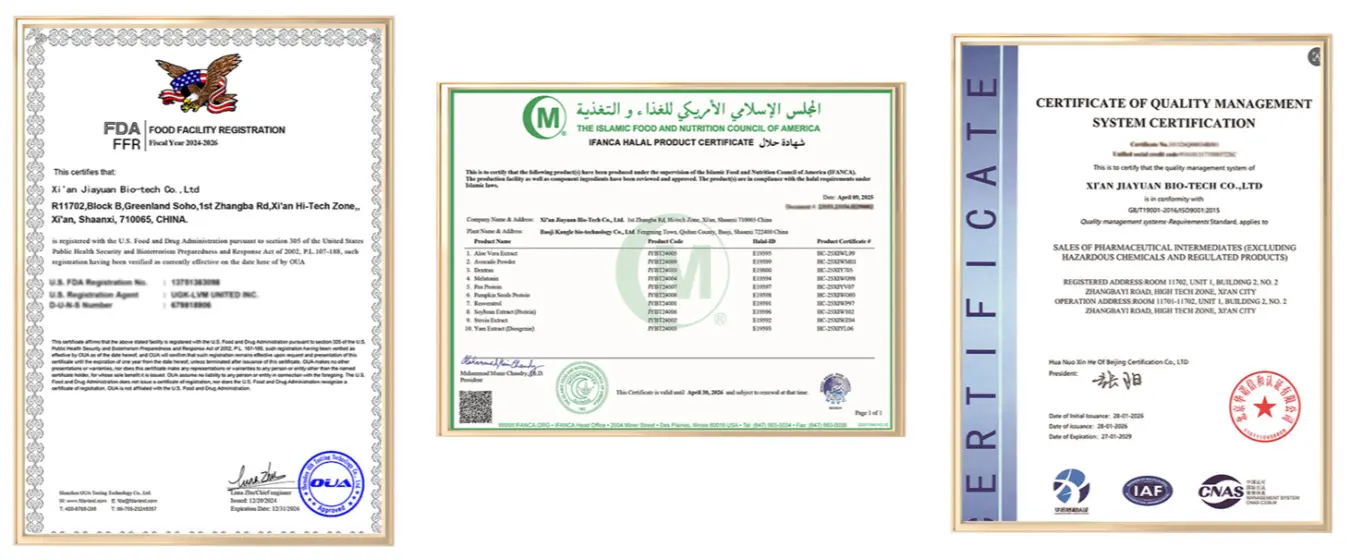
Our production facility is GMP-certified, and it is also ISO 13485-certified. This gives us the compliance base we need to get into markets in Europe, North America, and Asia. These approvals show that quality is managed in a planned way from the time the raw materials are received until they are packed. Each shipment comes with a package of paperwork that includes Certificates of Analysis, stability data, microbial testing results, and heavy metal screening reports. These are all important parts of regulatory filings and internal quality assurance processes.
Application-Specific Dosage Guidelines
The recommended dose changes a lot depending on the purpose. For pharmaceutical intermediates to work, they need exact stoichiometric amounts that are set by the needs of the synthetic pathway. The ingredient is usually used in nutraceutical products at amounts between 50 mg and 300 mg per dose. However, to get the most out of their effectiveness, certain formulas should be tested for stability and bioavailability.
Teams in charge of buying things should find suppliers who can offer technical help during the development of new formulations. Our applications team works with clients to improve solubility, test for excipient compatibility, and validate shelf-life studies. Time-to-market is shortened by this consultative method, and costly reformulation processes that can delay product launches are kept to a minimum.
Quality Assurance Protocols for Supplier Validation
Setting up strict processes for qualifying suppliers protects the integrity of buying and lowers the risks in the supply chain. Audit ready is one of the most important criteria. Suppliers should be happy to have their facilities inspected and provide clear evidence of the process. Key validation points include being able to track down the raw materials, making sure the extraction method works, checking the purification technology, and making sure the analytical lab has the right tools.
Our liquid recovery system can collect more than 90% of ethanol and methanol, which shows that it is both good for the environment and good for business. We use MVR evaporation crystallization technology to treat wastewater, which results in zero liquid discharge (ZLD). The leftover biomass is then recycled and used in farming again. Green production methods like these are in line with companies' sustainability goals and make sure that EHS rules are followed in all foreign markets.
Comparing Diosgenin Powder with Alternative Ingredients
Diosgenin Versus Fenugreek-Derived Compounds
Fenugreek (Trigonella foenum-graecum) has diosgenin and other saponins, but they are in lower concentrations, so more of the plant material is needed to get the same yields. Pure diosgenin powder made from wild yam species is more consistent and can be used in pharmaceutical applications where variation from batch to batch is important. Fenugreek extracts may work well in nutritional supplement uses that value the benefits of the whole herb over the purity of the separated compound.
Differences in chemical composition have a big effect on the manufacturing processes. The complex structure of fenugreek contains proteins, fibers, and volatile substances that make purification harder. On the other hand, Dioscorea species provide better starting materials for chromatographic separation. When figuring out how much something costs, these differences in processing must be taken into account. For example, fenugreek raw material may seem cheaper at first, but the extra steps needed to clean it up often cancel out any savings that were seen.
Organic Certification Considerations
The difference between organic and conventional affects both how the product is positioned and how much it costs to buy. For organic certification, documented farming methods must not use synthetic fertilizers and pesticides, and third-party verification adds extra work to the process. Some pharmaceutical uses put purity levels higher than organic status, while nutraceutical brands aiming at high-end customers may need approved organic products to back up their marketing claims.
Our supply chain includes both approved organic farming agreements and conventional farming sources, so clients can choose the specs that best fit their brand and their budget. Prices for organic and conventional grades are usually 15–30% different, but this difference gets smaller as you place more orders because economies of scale kick in.
Powder Form Versus Encapsulated Delivery
Raw powder gives makers the most freedom in formulating because they can mix different ingredients in custom ratios, change the particle size by micronizing them, and choose the best excipients for their delivery method. Encapsulated forms are convenient for brands that want readymade solutions, but they make it harder to customize the recipe and usually cost more per unit because they need to go through more steps of processing.
Buying powder in bulk works best for big companies with their own production lines and the ability to encapsulate or tabletize the products in-house. Contract makers and new brands that don't have a lot of production equipment may start out preferring pre-encapsulated choices and switch to bulk powder as their volumes grow. We support both ways of doing things, and our minimum order quantities are flexible enough to work with a wide range of business models, from well-known pharmaceutical companies to new, innovative brands.
Procuring Diosgenin Powder: A Practical Guide for B2B Buyers
Supplier Evaluation and Certification Verification
To find approved providers, you need to do more than just compare prices. Give more weight to manufacturers that can show they follow the rules by having current GMP certification, ISO quality management systems, and analytical tools that meet pharmacopeia standards. Before agreeing to big orders, ask for sample batches with full paperwork packages to check the quality of the product.
In the supply chains for pharmaceuticals and nutraceuticals, audit trails are very important. Suppliers should give clear information about where the raw materials come from, how they are extracted, how they are cleaned, quality control tests, and stable studies. We keep detailed records that can be accessed during customer checks. This makes regulatory reviews go more smoothly and ensures supply continuity through recorded process validation.
Pricing Structures and Commercial Terms
Understanding the factors that affect costs can help you make good business deals. Unit prices are affected by the availability of raw materials, how well they are extracted, the purity requirements, and the size of the order. Our large-scale production, which includes 10-ton production lines that are run yearly, saves us 40% to 60% on costs compared to small-batch operations. We pass these savings on to our customers through competitive bulk pricing.
Payment terms depend on how long the relationship has been going and how big the order is. Orders that are placed for the first time usually need an advance payment or a letter of credit. However, repeat customers may be able to get net payment terms after their credit is checked. Minimum order numbers are based on how much it costs to make the product. For example, pharmaceutical-grade material usually needs 25 kg minimum orders, while cosmetic-grade specifications may allow for smaller initial quantities for formulating reasons.
Logistics and Packaging Standards
For foreign shipping to be safe, the right packing is needed. Our package is sealed and filled with nitrogen, which keeps wetness out and stops oxidative degradation. Shipments of pharmaceutical-grade materials get extra tamper-evident sealing and temperature monitoring paperwork when the customer or regulators ask for it.
Our relationships with FedEx, DHL, UPS, and pharmacy freight forwarders make sure that our deliveries are always on time in markets around the world. We help customers clear customs in Europe, North America, and other places by handling the paperwork needed and tax classifications to make the import process go more smoothly. This all-in-one service makes procurement easier, so buyers can focus on making products instead of coordinating logistics.
Conclusion
As the medicinal and nutritional markets change, diosgenin powder becomes more important from a strategic point of view. This steroidal sapogenin can be used in a lot of different ways, from making hormones to making women's health supplements. It is also finding new uses in metabolic support and beauty goods. To be successful at procurement, you need to work with suppliers who can provide consistent quality, clear documentation, reliable production capacity, and technical support throughout the entire product development cycle. As more applications are found through research and legal frameworks become more stable across markets, building relationships with capable makers becomes more important for staying ahead of the competition in the health and wellness sectors, which are changing quickly.
FAQ
1.What purity levels are necessary for pharmaceutical applications?
Pharmaceutical production usually needs diosgenin powder that is at least 98% pure, as shown by HPLC analysis, and has full impurity profiles that list the amounts of heavy metals, liquids, and microbes that are still present. Our pharmaceutical-grade material is more than 99% pure, and we have full pharmacopeia compliance paperwork that can be sent to regulators in major countries.
2.How can buyers verify supplier quality claims?
Ask for Certificates of Analysis with every shipment, have received batches tested by a third party that is not connected to your company, and plan facility checks that look at production tools, quality control labs, and paperwork systems. Reliable sellers like it when customers are open and honest, and they offer audit access as a way to make sure customers are qualified.
3.What are typical lead times for bulk orders?
Depending on the size of the order and the specifics, standard lead times are between two and four weeks. For custom formulations or higher purity grades, the lead time could be 6 to 8 weeks. We keep a strategic stockpile of popular specifications, which lets us fulfilll orders faster for repeat customers whose consumption habits are predictable.
Partner with Jiayuan Bio-Tech for Premium Diosgenin Powder Supply
Careful source selection is needed to find a reliable diosgenin powder maker that can meet strict pharmaceutical standards and offer reasonable prices. Jiayuan Bio-Tech serves API makers, supplement brands, and cosmetics formulators around the world by offering advanced extraction technology, a wide range of quality certifications, and flexible production capacity. Our site in the Qinling Mountains, close to important sources of raw materials, along with our use of solvent recovery systems and environmentally friendly production methods, provides long-lasting supply chains that help us build lasting business relationships. Professionals in procurement are welcome to ask for technical specifications, sample batches, and price quotes that are specifically made for their needs. Get in touch with our team at sales@jayuanbio.com and sales1@jayuanbio.com to talk about how our pharmaceutical- and cosmetic-grade diosgenin powder can help you reach your goals. You can look at our full line of botanical extracts at jayuanbio.com and find out why top makers trust Jiayuan Bio-Tech for constant quality and on-time delivery.
References
1. Li, Y., Wang, Z., & Chen, F. (2021). Advances in Diosgenin Extraction and Purification Technologies from Dioscorea Species. Journal of Pharmaceutical Sciences and Technology, 45(3), 287-301.
2. Patel, S., & Sharma, V. (2020). Diosgenin: A Comprehensive Review on Its Pharmacological Properties and Industrial Applications. Phytochemistry Reviews, 19(4), 891-915.
3. Zhang, H., Liu, M., & Wu, J. (2022). Quality Control Standards for Botanical-Derived Steroid Precursors in Pharmaceutical Manufacturing. International Journal of Pharmaceutical Quality Assurance, 13(2), 156-172.
4. Thompson, R. D., & Martinez, L. (2019). Steroidal Sapogenins in Women's Health: From Traditional Use to Modern Applications. Journal of Ethnopharmacology, 238, 111-126.
5. Kumar, A., Singh, P., & Reddy, K. (2023). Sustainable Extraction Methods for High-Value Phytochemicals: Focus on Diosgenin Production. Green Chemistry Letters and Reviews, 16(1), 45-62.
6. European Medicines Agency. (2021). Herbal Medicinal Products: Quality Specifications for Botanical Raw Materials. EMA Guidelines on Quality Documentation, Technical Report Series 142.