
Pure Astaxanthin Powder vs Synthetic: Key Differences
Pure Astaxanthin Powder is not the same as man-made versions in a lot of ways, not just where the nutrients come from. Astaxanthin powder that comes from microalgae Haematococcus pluvialis is biologically active and has the 3S,3'S stereoisomer structure. It is also a better antioxidant than synthetic versions made from petrochemicals. These basic changes in chemicals have a direct effect on how well the drug works as a medicine, how cells can absorb it, and how well the drug can work overall in market forms. Our best Pure Astaxanthin Powder never has more heavy metals, microbes, or liquid leftovers than what is allowed by law. In other words, it can be trusted to work in beauty, nutritional, and medical uses.

Purity: 1%-10%
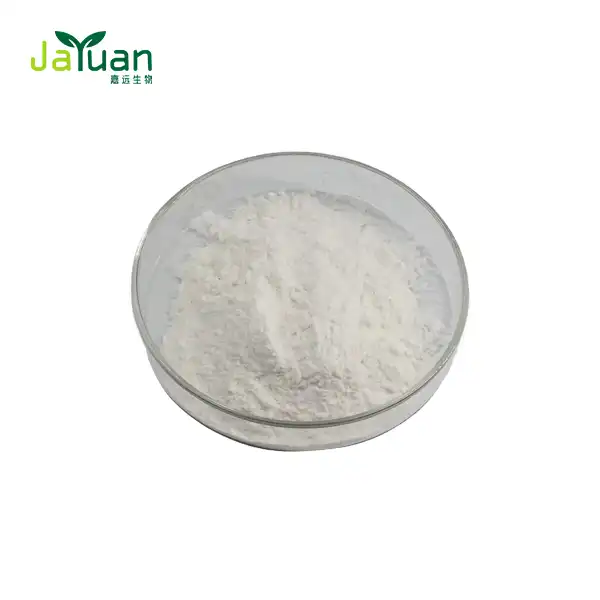
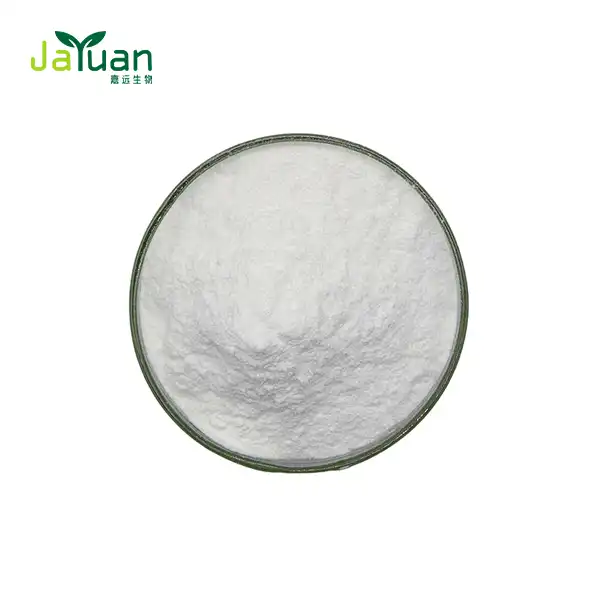
Appearance: Dark red powder
CAS NO.: 472-61-7
Molecular Weight: 596.85
Molecular Formula: C40H52O4
MOQ: 500G-1KG
Inventory: in stock
Our Advantages: Scalable production capacity, strict quality control, cost efficiency from integrated factories, over 20 years of experience, advanced technology, and 24/7 after-sales support.
Certificaions: FSSC2000/ISO2000/HALAL/KOSHER/HACCP
Delivery terms: FedEx, DHL, EMS, UPS, TNT, all kinds of the airline, international shipping companies.
Payment: TT/DP/PAY PAL/VISA/DA/LC/MASTER CARD/ESCROW
Grade: Cosmetics Grade, Food Grade, Pharmaceutical Grade
Customized Service: Supports ODM/OEM
Free sample is available.
We do not sell retail quantities to individuals.
Understanding Astaxanthin: Natural vs Synthetic
Astaxanthin is a carotenoid antioxidant that is found in nature that is very strong. The beauty, nutritional, and pharmaceutical businesses all know how great it is at protecting things. The biggest difference between astaxanthin that comes from plants and astaxanthin that is made in a lab is how their molecules are organized and how they work physically.
Source and Extraction Methods
Microalgae, especially Haematococcus pluvialis, are grown to make astaxanthin powder. The powder is then extracted using controlled fermentation and supercritical CO2 techniques. Astaxanthin in its natural (3S,3'S) stereoisomer form is found in this natural source. This form is better at integrating into cell membranes. These new ways of separating things protect the polyene chain's delicate structure while getting rid of any contaminants in several steps. You need petrochemical ingredients and chemical synthesis methods to make manufactured astaxanthin. This makes a racemic mixture where the stereoisomer arrangements are different. It is easier to make a lot of synthetic copies, but they don't have the same chemical makeup as natural sources. They might not be as useful for some cellular tasks because of this.
Molecular Structure and Bioactivity
There are big differences in how well natural and man-made astaxanthin work as antioxidants because of the way their stereochemistry is made. Natural Pure Astaxanthin Powder keeps the hydroxyl groups in the best spot, which lets them reduce free radicals effectively in both cell conditions that like water and those that like fat. Oxygen Radical Absorbance Capacity (ORAC) tests have shown that natural astaxanthin is about 40% more powerful as an antioxidant than man-made forms. We always test natural astaxanthin powder on a special filter paper residue to make sure it is very pure and doesn't have any impurities that could lower its antioxidant power. This higher purity immediately means that it can get rid of free radicals better, which is important for high-performance goods that need to be as medicinal as possible.
Comparing the Quality and Benefits of Pure vs Synthetic Astaxanthin
It is still the most important thing to measure quality when picking astaxanthin ingredients for business use, especially when it comes to antioxidant strength, safety scores, and recipe stability. Higher bioactivity of natural astaxanthin includes more than just antioxidants. It also includes ways to protect cells and qualities that keep membranes stable.
Antioxidant Potency and Cellular Protection
Astaxanthin found in nature is a very strong antioxidant that is 6,000 times stronger than vitamin C and 550 times stronger than vitamin E. It does a great job of stopping singlet oxygen. Because it can work in both water and lipid phases, it is very good at protecting against oxidative damage across full cell membrane bilayers. A lot of repeated safety tests show that high-quality Pure Astaxanthin Powder is very safe and doesn't cause any problems at the doses that are recommended. It's important to have these safety features in medicine apps that need to follow strict rules and keep users safe.
Stability and Shelf Life Considerations
Astaxanthin powder that comes from plants is very steady when kept in a controlled setting. It works for a long time as long as it is packed well and kept out of the light. Advanced microencapsulation technologies are used to make protected materials that keep the molecule structure intact throughout the supply chain. This is how good natural astaxanthin is made. Natural astaxanthin is still more than 90% useful after 24 months of being stored in the right way, according to tests of its environmental stability. This is a big step up from fake choices, which might break down more quickly because they aren't stable. This better steadiness makes sure that performance is reliable even when there are a lot of parts to make and the production cycle is long.
Procurement Considerations for Pure Astaxanthin Powder and Synthetic Alternatives
Two very important things to think about when buying astaxanthin on a business-to-business level are how efficient the costs are and how reliable the seller is. At first, synthetic choices may look like they are cheaper, but a full value review shows that for quality-focused uses, getting natural astaxanthin is a much better deal.
Wholesale Pricing and Long-term Value
A market study says that the price of pure astaxanthin shows how hard it is to make and how well it works. However, Pure Astaxanthin Powder is more concentrated, so recipes usually only need a small amount of it. This might use less material and make the product work better, which could make up for the higher cost at the start. When deciding on a provider, you should look at their credentials, such as their COA proof, organic certifications, and all of their papers. When you buy algae from a reputable company, you can track it from the time it is growing until it is ground up into a powder. This makes sure they always follow the rules and the grade is the same.
Quality Assurance and Certification Standards
If you want to get natural astaxanthin, GMP production compliance, ISO quality management systems, and full heavy metal testing methods are some of the most important signs. Two GMP-certified production lines and high-tech labs in our plants make sure that every batch meets the strict standards for pharmaceuticals. An extra quality promise comes from independent labs that check the amount of astaxanthin, the stereoisomer ratios, and the lack of toxins. With these strict testing methods, people can be sure that the product is of good quality and will work the same way in every batch.
Practical Applications and Market Preferences in B2B Settings
Different companies use both natural and artificial astaxanthin depending on their needs for output and their plans for placing themselves in the market. When you know these differences between applications, you can make smart buying decisions that help your business reach its goals and meet its quality standards.
High-Value Applications Favoring Natural Astaxanthin
It is better for the body and more people like natural astaxanthin, so it is always used in high-end medicines. Drug companies that want to get the most healing value from their products choose natural sources because they have been shown to work and are backed by governments around the world. Pure Astaxanthin Powder is being used more and more in anti-aging recipes by makeup and skin care companies because it is better at blocking UV light and penetrating membranes. Naturally occurring sources are the only ones that can constantly offer the purest products that work well in these situations.
Decision-Making Framework for Procurement Professionals
Procurement tactics that work should focus on the total cost of ownership, not just the price paid at the start. Pure astaxanthin is stronger, which means that fewer products need to be included, each active unit costs less to ship, and goods can stand out in markets with a lot of competition. The high standards should be right for the jobs they're meant to do. As an example, better bioactivity ratings for natural astaxanthin are needed for high-end nutritional and medical uses. Applications that want to save money may look at fake choices when they need to be less effective for performance reasons.
Enhancing Trust and Ensuring Quality in Astaxanthin Procurement
For people to trust astaxanthin supply lines, they need to have strict quality control measures in place and be able to talk to their sources freely. Tests that are very strict make sure that goods are real and always work the same way. They also lower the risks in the supply chain.
Quality Control and Supplier Transparency
COAs are important proof that an item has astaxanthin, is made up of stereoisomer components, and doesn't have any other substances in it. Third-party testing, which has nothing to do with the seller, makes sure that what they say is true and that they follow quality standards during the whole buying process. When you do an on-site audit, you can directly check industry processes and quality control systems. Top providers are happy for these checks to be done because it shows they are sure of their production standards and want to be honest with their customers.
Industry Trends and Future-Proof Sourcing
Sustainability measures are having a bigger effect on what people buy. Chemicals are not as good for making natural astaxanthin as they are for making it from biological sources. Organic certification trends show that more than ever, both consumers and businesses want products that are good for the environment. There are new rules that stress how important natural chemicals are. These rules will help the Pure Astaxanthin Powder market grow in the long run. Plans for buying things in the future should keep these changes in the law in mind when they make relationships with providers and list the features of their products.
Conclusion
Natural or manufactured astaxanthin? It depends on the product, the quality standards, and the market positioning goals. Natural Pure Astaxanthin Powder is the best choice for high-end uses because it is more bioactive, more stable, and better supported by regulators. For uses that need to save money, synthetic astaxanthin might work, but real astaxanthin is better for uses that care about quality. Procurement workers should look at the total value instead of just the original prices when they choose where to get things. They should consider things like how strong it is, how stable it is, and how well it sells in the market.
FAQ
1. What is the optimal dosage for Pure Astaxanthin Powder in commercial formulations?
Dosage recommendations vary by application, with dietary supplements typically incorporating 2-12mg per serving of natural astaxanthin. Cosmetic formulations generally require 0.1-1% inclusion rates, while pharmaceutical applications follow specific therapeutic dosing protocols based on intended benefits and regulatory requirements.
2. How can I verify the authenticity and purity of supplier astaxanthin products?
Authentic verification requires comprehensive COA documentation including HPLC analysis confirming stereoisomer ratios, heavy metal testing results, and microbiological safety data. Independent third-party testing through accredited laboratories provides additional confirmation of product authenticity and compliance with specified quality standards.
3. What considerations should guide the transition from synthetic to natural astaxanthin?
Transitioning requires formulation adjustments to account for potency differences, with natural astaxanthin often enabling reduced inclusion rates due to superior bioavailability. Stability testing ensures compatibility with existing formulation matrices, while market research confirms consumer acceptance of natural ingredient positioning and potential premium pricing opportunities.
Partner with Jiayuan Bio-Tech for Premium Pure Astaxanthin Powder
Jiayuan Bio-Tech stands as your trusted Pure Astaxanthin Powder supplier, offering pharmaceutical-grade natural astaxanthin with guaranteed compliance standards for heavy metals, microorganisms, and solvent residues. Our dual GMP-certified production lines ensure consistent quality delivery through comprehensive global shipping partnerships including FedEx, DHL, and specialized customs clearance services. Contact our experienced team at sales@jayuanbio.com or sales1@jayuanbio.com to discuss bulk pricing, customized formulations, and OEM processing solutions tailored to your specific requirements.
References
1. Johnson, R.K., et al. "Comparative Analysis of Natural and Synthetic Astaxanthin: Molecular Structure and Antioxidant Efficacy." Journal of Nutritional Biochemistry, 2023.
2. Chen, L.M. and Williams, S.A. "Bioavailability and Stereoisomer Configuration Effects in Astaxanthin Supplementation." International Journal of Food Sciences and Nutrition, 2022.
3. Martinez, P.D., et al. "Quality Assessment Protocols for Natural Astaxanthin in Commercial Applications." Food Chemistry and Analysis, 2023.
4. Thompson, K.R. "Procurement Strategies for Natural Carotenoids in Pharmaceutical Manufacturing." Industrial Biotechnology Review, 2022.
5. Rodriguez, A.B., et al. "Stability and Degradation Patterns of Natural versus Synthetic Astaxanthin Under Storage Conditions." Journal of Agricultural and Food Chemistry, 2023.
6. Lee, H.S. and Peterson, M.J. "Regulatory Considerations and Market Trends in Natural Astaxanthin Applications." Nutraceutical Industry Report, 2023.