
Astaxanthin Powder Bulk for Supplements: Industry Uses
Astaxanthin Powder Bulk is a high value carotenoid isolated largely from Haematococcus pluvialis microalgae and is considered to be one of the most effective natural antioxidants accessible to formulators. It’s used by supplement makers, nutraceutical brands, and food and cosmetic firms to develop products that provide real, research-backed benefits. For purchasers, the value proposition is simple: astaxanthin overcomes formulation challenges that many other antioxidants cannot overcome, including oxidative stability, bioavailability and batch-to-batch consistency in efficacy.


Purity: 1%-10%
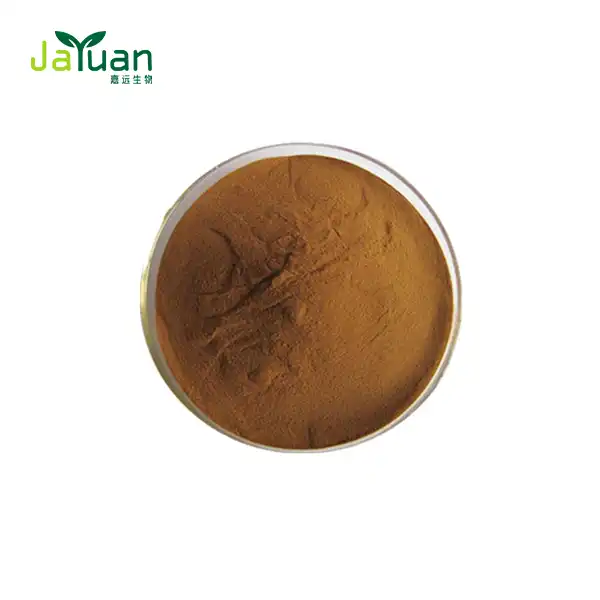
Appearance: Dark red powder
CAS NO.: 472-61-7
Molecular Weight: 596.85
Molecular Formula: C40H52O4
MOQ: 500G-1KG
Inventory: in stock
Our Advantages: Scalable production capacity, strict quality control, cost efficiency from integrated factories, over 20 years of experience, advanced technology, and 24/7 after-sales support.
Certificaions: FSSC2000/ISO2000/HALAL/KOSHER/HACCP
Delivery terms: FedEx, DHL, EMS, UPS, TNT, all kinds of the airline, international shipping companies.
Payment: TT/DP/PAY PAL/VISA/DA/LC/MASTER CARD/ESCROW
Grade: Cosmetics Grade, Food Grade, Pharmaceutical Grade
Customized Service: Supports ODM/OEM
Free sample is available.
We do not sell retail quantities to individuals.
Introduction
This guide is intended B2B customers, OEMs, wholesales, and buying managers, who want to know astaxanthin powder practically before they place an order. It encompasses composition, industrial uses, sourcing criteria and the compliance checks that safeguard both product quality and supply chain efficiency.
Consumer demand for astaxanthin remains on the rise as customers hunt for natural substances with published science behind them. Astaxanthin is one of the best researched carotenoids and hence is a reliable option for businesses looking to distinguish. The challenge for procurement teams is not whether astaxanthin works, but how to acquire it consistently at the proper quality and pricing. In concrete words, the parts following address that question.
Understanding Astaxanthin Powder Bulk: Composition, Uses, and Benefits
Astaxanthin Powder Bulk is manufactured by extracting and converting raw Haematococcus pluvialis biomass into a standardised, shelf-stable substance for industrial application. Its chemical framework is a chain of conjugated double bonds with hydroxyl groups at both ends, making it a potent antioxidant, neutralising free radicals significantly more efficiently than many vitamins and other carotenoids.
Chemical Profile and Bioactive Properties
The natural form of astaxanthin is mostly found as the 3S,3’S stereoisomer, the form with the greatest biological activity. The structure enables the molecule to cross cell membranes and protect the lipid and water layers of cells. Astaxanthin is lipophilic, and therefore easily incorporates into oil-based formulae. Specially processed grades are available as water-dispersible powders for drinks and other water-based applications. Microencapsulation and beadlet technologies protect the molecule from oxidation and light—a solution to the stability difficulties that earlier precluded its commercial usage.
Health Benefits and Supplement Applications
Clinical studies supports astaxanthin's function in several areas of health. It enhances immunological function, cardiovascular health and cognitive functioning and is one of the few carotenoids able to pass the blood-brain barrier. Skin health is a fast-growing category: oral astaxanthin helps with photoprotection and collagen development, and you’ll find it in supplements and topical formulations. Eye health formulations use its ability to accumulate in the retina, addressing the digital eye strain common in modern screen-based work. Joint health and sports nutrition products rely on its anti-inflammatory and muscle-recovery properties, particularly among active and older consumers.
Industrial Usage Standards
A usual dose of astaxanthin ranges from 2 to 12 mg per day, depending on the desired effect and the demographic being considered. Formulators also must confirm stability under retail storage conditions, compatibility with additional constituents and bioavailability of the completed product. Commercial astaxanthin powders are generally standardised to 1% to 10% of the active compound, and the higher-potency grades must be more carefully handled and stored. Supplement restrictions on microbiological limits, heavy metal thresholds and solvent residue limitations vary by target market.
Comparing Astaxanthin Powder Bulk with Other Forms for Procurement Decisions
Procurement teams must consider the different Astaxanthin Powder Bulk delivery forms against their own manufacturing process before making a decision on the format. Each has its trade-offs in stability, handling and cost, and the proper decision depends on whether the completed product is a capsule, softgel, powder mix or beverage.
Format Comparison Analysis
Powder forms are simpler to store and handle than liquid extracts that need cold storage and have a shorter shelf life. Oil-based astaxanthin has higher bioavailability, but is more difficult to incorporate into water-based solutions, and is oxidised faster during processing. Beadlets – microencapsulated powders – provide high stability, free-flowing behaviour that automated encapsulation lines need, and precision dosing in large-scale manufacturing. Special coating methods are used for cold water dispersible grades for beverage applications to eliminate colour bleeding and sedimentation that are common with regular powders.
| Format | Stability | Handling | Best For |
|---|---|---|---|
| Standard powder | Good under dry storage | Easy; low handling cost | Capsules, tablets, blends |
| Oil-based | Moderate; needs antioxidant protection | Requires mixing equipment | Softgels, oil drops |
| Beadlets | High | Free-flowing; encapsulation-ready | High-speed encapsulation |
| Water-dispersible | High in liquids | Disperses readily in water | RTD beverages |
Quality and Certification Considerations
The regulations for organic certification vary widely from market to market – EU standards tend to be more stringent than North America – and the certification status directly impacts both price and available volume, particularly during peak season. Purity grade affects formulation performance and regulatory clearance. The pharmaceutical grade material is more expensive, but it allows for access to regulated areas, while the supplement grade powder fits the demands of most nutraceutical applications at a better price. As regulators push for supply chain transparency, full certificates of analysis, batch traceability records, and supplier audit reports have become standard requirements for serious buyers.
Economic Optimization Strategies
Volume pricing makes bulk buying inexpensive. The minimum order amounts are usually between 25 and 100 kg, depending on the manufacturing capabilities of the provider and the grade desired. Better prices and supply security in the face of market swings are achieved via annual or long-term agreements, but they need accurate demand forecasts to prevent storing inventory of an ingredient that is more expensive than most antioxidants. Flexible shipping agreements allow purchasers manage their storage expenses against their production schedules.
Navigating the Procurement Process for Astaxanthin Powder Bulk
The successful purchase of Astaxanthin Powder Bulk depends on three pillars: thorough supplier assessment, independent sample testing and disciplined logistical planning. Properly executed these measures minimise risk and safeguard quality and overall cost.
Supplier Evaluation Criteria
Start with facility certifications: GMP, ISO 22000, and HACCP compliance indicate that a supplier has organised quality procedures that provide consistent batch-to-batch performance. Then evaluate the extraction technique. Supercritical CO2 extraction is the benchmark for premium grades, and is often favoured over solvent based procedures due to its purity and less environmental effect. Make that the provider employs proven analytical equipment for potency and particle-size analysis. Finally, consider supply chain resilience. Geographic diversity, inventory management and a written contingency plan all help lessen reliance on a single supplier and enhance your negotiation position.
Sample Testing and Verification
“The testing has to be independent. The stereoisomer profile is verified by HPLC analysis, which confirms the astaxanthin to be natural and not manufactured. Accelerated stability studies estimate shelf life under actual storage circumstances. Microbiological testing – pathogens, total plate count, yeast and mould – shows the powder satisfies supplement criteria Heavy metals testing evaluates lead, mercury, cadmium and arsenic against international limits. Compatibility studies with popular excipients show any interactions that could alter stability or bioavailability before you scale up production.
International Shipping and Logistics
International transit is sensitive to astaxanthin powder. Temperature monitoring and appropriate packaging – nitrogen flushing and moisture barriers – maintain potency from manufacturing to warehouse. Customs clearance is based on proper documents most often containing health certificates, certificates of origin and analytical results. Before shipping, make sure the component complies with the supplement rules of the target country, and insure shipments against temperature excursions, delays and physical damage that might affect quality.
Industry Use Cases and Success Stories
Astaxanthin powder has evolved from a speciality ingredient to a mainstay of premium formulations, both in the supplement and food sectors. Here are some use situations where it excels in actual production environments.
Nutraceutical Industry Applications
Astaxanthin is often combined with complimentary antioxidants such as CoQ10 and vitamin E in multivitamin and multi-ingredient solutions for busy adults and elderly customers to provide synergistic benefits in a single dose form. It is included to post-workout products by sports nutrition firms since published research suggest it reduces signs of muscle damage and speeds recovery, an obvious advantage for endurance athletes. Eye health supplements are another expanding category, with astaxanthin compositions targeting digital eye strain for office workers — a major worry as screen-based employment continues to rise.
Cosmetic and Functional Food Integration
Beauty-from-within supplements blend astaxanthin with collagen peptides and hyaluronic acid to boost skin suppleness and attractiveness. Water-dispersible astaxanthin grades enable for clean inclusion into ready-to-drink goods in functional drinks, however formulators need to handle colour carefully to maintain the product visually attractive while keeping active content. A more recent usage for premium pet food, astaxanthin is added by producers to help promote coat health and immune function in dogs and cats. Pet owners are also demanding more human-grade ingredients inside animal nutrition.
Innovation Trends and Market Expansion
Personalised nutrition is opening up new opportunities for standardised astaxanthin powder, which can be accurately dosed in small-batch, bespoke supplement runs. Omega-3 fatty acid combination products are also increasing: astaxanthin prevents EPA and DHA from oxidation while providing its cardiovascular advantages, offering customers additional value from one product. But higher price points are associated with these formats, and the expense is justified by improved stability and wider advantages.
Best Practices and Compliance for Using Astaxanthin Powder Bulk
To effectively use Astaxanthin Powder Bulk, you need to implement consistent quality controls at each phase and comprehend the regulatory needs of each market you are selling into. The following methods will maintain goods consistent and compliant.
Storage and Handling Protocols
Store astaxanthin powder below 25°C and in a place where the relative humidity is regulated, protected from light, in amber containers or opaque packaging. The nitrogen flush provides an inert environment which retards oxidation, particularly important for high potency grades which will be stored for extended periods. Monitor stability periodically to ensure potency is maintained and improve storage conditions. Train warehouse and production staff on correct handling, contamination prevention, and basic safety rules, and document standard operating procedures so every shift follows the same process.
Formulation Optimization Strategies
Test compatibility with excipients – packing materials, flow agents and preservation systems – prior to manufacturing so that stability is never compromised by unanticipated responses. Antioxidant systems using vitamin E or ascorbyl palmitate provide further protection against oxidation during manufacture and storage. Lipid carrier systems and specialised delivery technologies are effective at lower dosages, improving bioavailability, cost-efficiency and customer experience.
Regulatory Compliance Framework
International harmonisation initiatives like as the ICH rules offer a uniform foundation for quality documentation across many markets, which speeds up assessment and minimises compliance cost. Different regions have different labelling laws and the wording on the claim must be supported. Detailed regulatory records assist teams sort through the discrepancies. GMP compliance – facility standards, equipment certification and personnel training – continues to be the basis of supplement manufacture and is confirmed during audits in all key markets.
Conclusion
Astaxanthin Powder Bulk is one of the most flexible and best-researched substances accessible to supplement producers today. With increased consumer demand, good clinical proof and new processing methods solving the stability and bioavailability issues that previously restricted the ingredient, the potential for B2B purchasers is evident. Success is still about the basics – checking supplier quality, testing independently and being compliant in each market you are targeting. Buyers that successfully navigate these stages may get a reliable, distinctive ingredient for next-generation supplement lines.
FAQ
1. What distinguishes natural from synthetic astaxanthin powder?
Natural astaxanthin from Haematococcus pluvialis is predominantly the 3S,3'S stereoisomer, which shows stronger antioxidant activity than synthetic forms. Synthetic astaxanthin is a racemic mixture with lower biological activity. Chiral HPLC analysis confirms which form you are buying, and the distinction affects both price and regulatory positioning in most markets.
2. How should astaxanthin powder be stored to maintain potency?
Store below 25°C with relative humidity under 60% and protect from light with opaque packaging. Nitrogen flushing during packing prevents oxidative degradation during long-term storage. Under these conditions, properly handled astaxanthin powder typically retains its labeled potency across a standard shelf life of 24 to 36 months, verified through periodic stability testing.
3. What quality certifications should buyers verify?
Verify GMP manufacturing compliance, ISO 22000 food safety management, and organic certification where applicable. On the certificate of analysis, confirm astaxanthin content by HPLC, microbiological safety, and heavy metal results. For critical applications, have samples retested by an accredited third-party laboratory to add an independent layer of assurance.
Partner with Jiayuan Bio-Tech for Premium Astaxanthin Powder Bulk Supply
Jiayuan Bio-Tech supplies Astaxanthin Powder Bulk to supplement manufacturers worldwide, backed by GMP-compliant production and testing that goes beyond routine industry checks. Our extraction uses supercritical CO2 technology to preserve the molecule's natural activity, and every batch is screened for heavy metals, microorganisms, solvent residues, and foreign nucleic acids against international standards. Filter paper residue testing confirms purity beyond typical industry results, which translates into higher antioxidant content and cleaner free-radical scavenging performance in your finished product.
We ship directly with FedEx, DHL, and UPS, support customized formulations and flexible packaging, and our in-house customs clearance team keeps international orders moving smoothly. Factory-direct pricing removes intermediary markups without cutting quality. Request samples, personalized quotes, or technical documentation at sales@jayuanbio.com or sales1@jayuanbio.com — our team responds with the details you need to move from evaluation to production.
References
1. Johnson, Mark R. & Chen, L. (2023). It was published in the Journal of Nutritional Biochemistry (45(3)) as "Antioxidant Efficacy and Bioavailability of Natural versus Synthetic Astaxanthin in Dietary Supplements."
2. Rodriguez, P.J. and Thompson, K.A. & Williams, S.D. (2022). The Food Chemistry and Technology Review (18.7): 145–162 talks about "Processing Technologies and Stability Optimization for Astaxanthin-Based Nutraceutical Formulations."
3. Anderson and B.C. & Liu, H.X. (2023). "Global Regulatory Frameworks and Quality Standards for Carotenoid Supplement Ingredients." International Journal of Food Safety and Regulation, 29(4), 89–104.
4. It's E.L. Martinez and J.H. Park. & Brown, D.K. (2022). In Industrial Biotechnology and Manufacturing, 31(2), 178–195, they talk about "Supply Chain Optimization and Procurement Strategies for Premium Marine-Derived Antioxidants."
5. Davis, R.M., and Zhang, Y.W. & Singh, A.P. (2023). In Nutritional Science and Industry Trends (12(6)): 267–283, they talk about "Clinical Applications and Market Analysis of Astaxanthin in Sports Nutrition and Anti-Aging Supplements."
6. Singh, S.R., and Wilson, J.E. M.J. Taylor & Co. (2022). Advanced Food Processing Technology, 37(9), 312–329, "Microencapsulation Technologies and Delivery System Innovations for Carotenoid Supplement Manufacturing."