
Astaxanthin Powder for Hair: Benefits and Usage Tips
Astaxanthin Powder advances hair care ingredient technology. B2B purchasers get a stable, concentrated version of nature's strongest antioxidant. Most of this deep-red keto-carotenoid derives from Haematococcus pluvialis. It neutralises free radicals 6,000 times better than Vitamin C, solving formulation difficulties in the pharmaceutical, cosmetic, and nutraceutical sectors. In hair care products, this microencapsulated powder fights oxidative stress at the follicular level, promoting scalp health and hair vitality without the instability of liquid oleoresins.
Purity: 1%-10%
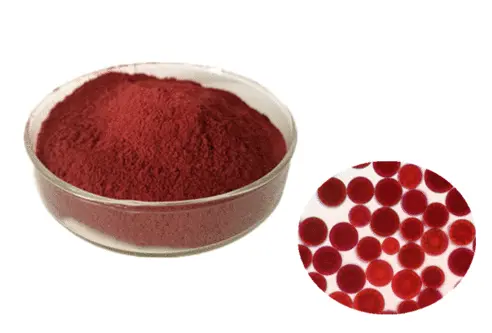
Appearance: Dark red powder
CAS NO.: 472-61-7
Molecular Weight: 596.85
Molecular Formula: C40H52O4
MOQ: 500G-1KG
Inventory: in stock
Our Advantages: Scalable production capacity, strict quality control, cost efficiency from integrated factories, over 20 years of experience, advanced technology, and 24/7 after-sales support.
Certificaions: FSSC2000/ISO2000/HALAL/KOSHER/HACCP
Delivery terms: FedEx, DHL, EMS, UPS, TNT, all kinds of the airline, international shipping companies.
Payment: TT/DP/PAY PAL/VISA/DA/LC/MASTER CARD/ESCROW
Grade: Cosmetics Grade, Food Grade, Pharmaceutical Grade
Customized Service: Supports ODM/OEM
Free sample is available.
We do not sell retail quantities to individuals.
Understanding Astaxanthin Powder and Its Role in Hair Health
The Antioxidant Superiority of Astaxanthin in Hair Care Applications
Astaxanthin is 10 times more antioxidant than beta-carotene and 100 times more antioxidant than Vitamin E, according to leading medical school research. Design advantages for hair care companies result from this excellence. Damage to dermal papilla cells at the base of hair follicles by oxidative stress disrupts hair development. Astaxanthin Powder protects cells by removing reactive oxygen species before they harm them. Microencapsulation in high-quality powders eliminates a significant issue: light, air, and heat rapidly break down raw astaxanthin. Advanced spray-drying and safe matrices like modified starch or cyclodextrin are used in our processes. This solidifies unstable lipophilic compounds for correct dosing and mobility. Pharmaceutical and cosmetic firms need this consistent enhancement to maintain product strength throughout its shelf life.
Scalp Circulation Enhancement and Anti-Inflammatory Properties
In addition to its direct antioxidant benefits, Astaxanthin Powder also has strong anti-inflammatory properties that are important for maintaining hair health. Low-grade inflammation that lasts for a long time in the scalp tissue can stop blood from getting to hair follicles, which stops them from getting nutrients and getting rid of waste. Studies in dermatology journals show that taking astaxanthin supplements helps keep the inflammation response healthy by changing NF-κB. When making topical uses, sourcing teams should keep in mind that the molecular weight (596.84 Da) and lipophilic nature of astaxanthin affect how well it penetrates the skin. When mixed with the right carrier systems, the powder form lets you control the release patterns that keep therapeutic amounts at the follicular level. The problem of bioavailability, which stops many plant extracts from being used in cosmetics, is solved by this managed release.
How to Use Astaxanthin Powder for Optimal Hair Care Results
Topical Formulation Integration Methods
Scientists employ 0.01% to 0.5% by weight of astaxanthin in hair shampoos, conditioners, serums, and treatments. After proper mixing, microencapsulated powder spreads easily in water-based and dry systems. Pre-dispersion in lipophilic carriers like jojoba oil or caprylic/capric triglycerides usually stabilises and improves products. Astaxanthin breaks down at 50°C (122°F), hence manufacturing temperature must be controlled. Cold-process preparation or adding after cooling maximises antioxidant activity. Producers avoid costly reformulation by getting technical advice from good suppliers on how to manage materials. For accurate shelf-life estimates, we test formulation materials under rapid conditions (40°C/75% RH) at our facilities.
Oral Supplementation Protocols for Systemic Benefits
Dietary supplement companies that want to sell hair health products often choose oral delivery forms that help the body's antioxidants. Most people take between 4 mg and 12 mg of it every day, but up to 40 mg has been safely used in some clinical studies looking into wider health benefits. The powder form makes it easy to put the medicine into capsules, crush tablets, or add it to useful foods like fortified drinks. When choosing between natural and manufactured sources, bioavailability becomes the most important thing to think about. Astaxanthin Powder from Haematococcus pluvialis has both 3S and 3'S stereoisomers, which are better at being absorbed than manufactured racemic mixes. Teams in charge of buying things should ask for certificates of analysis that prove the isomer ratios and extraction methods. Supercritical CO2 extraction usually gives the purest profiles with the least amount of solvent waste.
Safety Standards and Compliance Requirements
Product safety verification is essential to responsible purchase. Premium astaxanthin is tested for lead, arsenic, mercury, and cadmium to ensure it meets USP, EP, and FDA standards. Microbiological testing detects E. coli, yeast, mould, and total plate counts, excluding Salmonella. Many of our rivals don't conduct the testing we do for quality assurance. Filter paper residue analysis finds solid particles that indicate a product's purity by indicating incomplete extraction or contamination. More pure products with less filter paper waste contain more antioxidants and may eliminate free radicals better in use. In competitive marketplaces, quality discrepancies affect product performance and brand recognition.
Comparing Astaxanthin Powder with Other Hair Care Ingredients and Formats
Powder Versus Oil and Beadlet Formats
Astaxanthin oleoresins include 5–10% active component in vegetable oils. This format is sticky and hard to dose, but it's quite soluble. It oxidises fast when the bottle is opened. Operations errors increase production costs and quality variability. However, our powders include 2–5% astaxanthin in a steady, free-flowing matrix that computerised dispensing systems can monitor. This homogeneity reduces batch-to-batch variation, which is crucial for firms with tight quality requirements. Beadlet shapes created with fluidised bed covering are optimal for environmental protection. They're harder to create and cost more, therefore they can't be employed when powder stability is adequate. The degradation hazards specific to each formulation's pH, water activity, and storage circumstances should guide procurement teams' decision.
Natural Versus Synthetic Sourcing Considerations
According to market data, people are becoming more interested in using products that come from natural sources, especially in the high-end cosmetics and nutraceuticals categories. Natural astaxanthin from microalgae farming costs 30–50% more than synthetic options, but this investment often pays off big time in the form of better brand positioning and customer trust. When synthetic Astaxanthin Powder is made using petrochemical synthesis, it has racemic stereoisomer mixes that are less biologically active than natural 3S,3'S configurations. European and North American regulations are becoming more and more in favor of natural names, and some places are limiting the use of manufactured carotenoids in certain types of products. When setting up long-term ties with suppliers, procurement plans that are ahead of the curve should take these changing regulatory trends into account.
Comparison with Antioxidant Ingredients That Work Together
Astaxanthin is frequently compared to beta-carotene, lycopene, and flavonoids in hair care products. These substances protect cells from oxidative damage, although astaxanthin may pass cell walls and protect lipid and watery sections. Beta-carotene resembles astaxanthin but lacks the end hydroxyl and keto groups that make it more reactive and membrane-sticky. Astaxanthin and omega-3 fatty acids make krill oil a popular supplement. However, astaxanthin levels in krill oil are still modest (100–500 ppm), therefore more is required to provide antioxidant effects. Concentrated astaxanthin powders provide cost-effective antioxidant effects rather than essential fatty acids.
Procuring Astaxanthin Powder: What B2B Buyers Need to Know
Identifying Qualified Suppliers and Critical Certifications
Different astaxanthin sources reveal how successfully they grow and harvest it. Hawaii, the Pacific Northwest, Scandinavia (particularly Iceland and Norway), and China, India, and Japan are key supply centers. Each region has advantages. For instance, U.S. and European suppliers value organic certificates and sustainable farming. Asian producers provide lower pricing and higher quality. ISO 9001 for quality management, ISO 22000 or HACCP for food safety, and GMP compliance for pharmaceutical or dietary supplement usage indicate trustworthiness. Products for kosher or halal markets require religious permission. USDA Organic, EU Organic, and JAS certifications cost more but allow you to sell higher-end products.
Pricing Dynamics and Minimum Order Considerations
Astaxanthin Powder prices depend on many things along the value chain, such as how much it costs to grow or synthesize, how it is extracted, how pure it is, and how much you buy. Natural astaxanthin (2% powder) costs between $800 and $1,500 per kilogram for orders of 25 to 100 kg, and the price goes down as the order size goes up. Synthetic options usually cost 40 to 60 percent less, but they have the same problems with market placing that we talked about earlier. Different providers have very different minimum order amounts. Large makers often need at least 100 kg, which makes it hard for smaller businesses or those who are still developing their products. Strategic sellers know that letting customers choose the size of their orders helps them grow. We offer warehouse stocking services that let customers buy fewer items per shipment while still getting bulk discounts. This lowers the cost of keeping inventory and makes logistics easier.
Evaluating Supply Chain Transparency and Risk Management
Supply chain problems have made people more aware of how reliable suppliers are and how to plan for business survival. Smart procurement teams now look at a number of risk factors, such as the supplier's financial health, the supply of raw materials, and their dependence on a single source. Requesting the right to inspect the plant, the qualities of a backup provider, and inventory buffer agreements can help lower the risk of a supply stoppage. Product traceability systems are very important for making sure the standard of goods, especially natural goods whose end specifications are affected by where they were grown and how they were grown. We keep track of every lot from growing the microalgae to extracting them, encasing them, and finally packing them. This allows for quick responses to questions about quality and makes sure that regulations are followed across all countries, which is especially useful for companies that sell their goods around the world.
Best Practices for Integrating Astaxanthin Powder in Hair Care Products
Formulation Synergies and Stability Enhancement
Astaxanthin is more stable and active when it is mixed with antioxidants that work together to protect each other. Tocopherols (Vitamin E) work well with astaxanthin to repair molecules that have been damaged by oxygen and make the antioxidant last longer. Ascorbyl palmitate works the same way in systems that don't contain water, where ascorbic acid doesn't work. Chelating agents, such as EDTA or phytic acid, stop minor metals from speeding up oxidative degradation, which is a common reason why goods with astaxanthin lose their color too quickly. The most stable pH range for water-based systems is between 4.5 and 6.5, but this range can be widened by making changes to the recipe when needed for certain product ideas.
Technical Support and Supplier Collaboration Models
The best ties with suppliers go beyond just buying things from them. They also involve working together to make products better by using scientific knowledge. When looking at possible astaxanthin providers, you should see how willing they are to help with formulation, stability testing, and fixing problems during the scaling up process. Our technical team includes extraction experts and formulation chemists who regularly advise clients on the best ways to integrate their products based on their manufacturing skills and product matrices. This way of working together has helped cosmetics companies solve problems with stability, supplement companies improve solubility, and food companies get the color properties they want while keeping the antioxidant properties. These agreements usually lead to better results than buying from each other separately.
Quality Assurance Protocols for Consistent Product Performance
Setting up shared quality assurance standards makes sure that the supplier's skills and the customer's needs are in line with each other. In addition to normal reports of analysis, you might want to:
- Incoming inspection procedures check important parameters before letting material go into production. Even if you only buy from sources you know and trust, batch verification stops quality problems further down the line that could ruin whole production runs.
- Stability monitoring programs keep an eye on how much Astaxanthin Powder is present in a formulation while it is being stored in the right way. A faster test of stability can guess how long something will last on the shelf, but real-time monitoring validates these guesses and lets you know right away if the product starts to break down in ways you didn't expect.
- Collaborative problem-solving frameworks make it easy to act quickly when quality questions come up. When dealing with technology problems, disruptions are kept to a minimum by having clear communication routes and stated resolution processes.
These actions are in line with how Jiayuan Bio-Tech works. We see quality control as a shared duty between the seller and the customer, not just a stop at the loading dock.
Conclusion
Premium hair care ingredients like Astaxanthin Powder are growing popular. It promotes healthy scalps and hair growth with unsurpassed antioxidant protection against oxidative stress. Purchasing staff in the food, cosmetics, pharmaceutical, and nutraceutical industries must grasp forms, resource acquisition, and combination to create profitable new products. Powder provides continual strength and meets quality standards while eliminating stability and handling concerns. Certifications, technical support, and supply chain transparency help pick suppliers for long-term economic advantage. Natural, scientifically verified drugs are growing in popularity. Early adopters of high-quality astaxanthin will create hair health formulas.
FAQ
1. What is the recommended dosage of astaxanthin for supporting hair health?
Doses that are recommended change based on how the product is positioned and how it is delivered. Topical formulations usually have astaxanthin levels between 0.01% and 0.5% by weight. Higher levels are only used in specific treatments and not in daily-use goods. Most oral pills are between 4 mg and 12 mg per day, but some studies have looked at higher doses and found them to be safe. Allowable concentration limits vary by jurisdiction and product category, so procurement teams should look at legal rules that are specific to the markets they want to reach.
2. How does Astaxanthin Powder compare to capsule or tablet formats for hair applications?
The powder form gives you the most formulation options, so you can use it in a wide range of products, such as topical treatments, drinks, and custom delivery systems. Capsules and pills are finished dosage forms, not raw materials. This means they can be directly distributed, but customized options are limited. From the point of view of buying, powder forms allow brands to stand out through custom formulations and mixed goods. Bioavailability stays the same across formats as long as the right delivery methods are used. Encapsulation technologies have a bigger effect on absorption rates than the original difference between powder and capsule.
3. Where can I source certified organic astaxanthin in bulk quantities?
A number of specialized sellers give certified organic astaxanthin that comes from growing Haematococcus pluvialis in a controlled environment. Because organic claims have a lot of market value, it is still important to make sure that certificates are real by using certificate numbers and getting proof from the giving body. Organic goods usually have higher minimum order numbers than conventional ones, often 50 kg or more. This is because maintaining an organic certification comes with higher production costs. Checking the track records of suppliers, asking for customer references, and doing site audits when possible are all good ways to make sure that certifications are real and that products are the same from one sale to the next.
Partner with Jiayuan Bio-Tech for Premium Astaxanthin Powder Solutions
Xi'an Jiayuan Bio-Tech can help you get the ingredients you need by providing pharmaceutical-grade Astaxanthin Powder that meets the top quality standards around the world. Our goods go through strict testing procedures to make sure that the levels of heavy metals, bacteria, solvent residues, and exogenous nucleic acid residues stay within the legal limits. Specialized filter paper residue testing shows that our purity is higher than that of rival goods. This means that our extracts are purer and have more antioxidant power, which means they can better remove free radicals from your formulas. Our product's non-toxic profile has been confirmed by repeated experimental methods, which gives you peace of mind about regulatory compliance and customer safety.
As a company with a lot of experience making Astaxanthin Powder, we offer advanced production tools and service plans that are adaptable to businesses at all stages of growth. Because we buy directly from the plant, there are no markups for middlemen. Our warehouse stocking services also let you order smaller amounts, which cuts down on your transportation and inventory costs. We help with all aspects of customs clearance for shipments going to the US, Europe, and other places around the world, making sure a smooth arrival straight to your facility. You can email our team at sales@jayuanbio.com or sales1@jayuanbio.com to get detailed specs, samples, or unique quotes that meet your specific formulation needs.
References
1. Tominaga K, Hongo N, Karato M, Yamashita E. "Cosmetic benefits of astaxanthin on human subjects." Acta Biochimica Polonica 59.1 (2012): 43-47.
2. Guerin M, Huntley ME, Olaizola M. "Haematococcus astaxanthin: applications for human health and nutrition." Trends in Biotechnology 21.5 (2003): 210-216.
3. Kidd P. "Astaxanthin, cell membrane nutrient with diverse clinical benefits and anti-aging potential." Alternative Medicine Review 16.4 (2011): 355-364.
4. Naguib YM. "Antioxidant activities of astaxanthin and related carotenoids." Journal of Agricultural and Food Chemistry 48.4 (2000): 1150-1154.
5. Park JS, Chyun JH, Kim YK, Line LL, Chew BP. "Astaxanthin decreased oxidative stress and inflammation and enhanced immune response in humans." Nutrition & Metabolism 7.1 (2010): 18-28.
6. Ambati RR, Phang SM, Ravi S, Aswathanarayana RG. "Astaxanthin: sources, extraction, stability, biological activities and its commercial applications—a review." Marine Drugs 12.1 (2014): 128-152.