Pure Astaxanthin Powder Guide: How to Choose High Purity
The process of choosing the appropriate Pure Astaxanthin Powder boils down to a few factors you can really check on: purity standards, extraction procedures and analytical paperwork backing up every batch. Haematococcus pluvialis (astaxanthin) is only worth the premium if it is of high purity and verified by thorough testing. That means professional purchasers will need to check safety restrictions, lab reports and supplier credentials before they buy – whether it medicines, food, cosmetics or nutraceuticals.
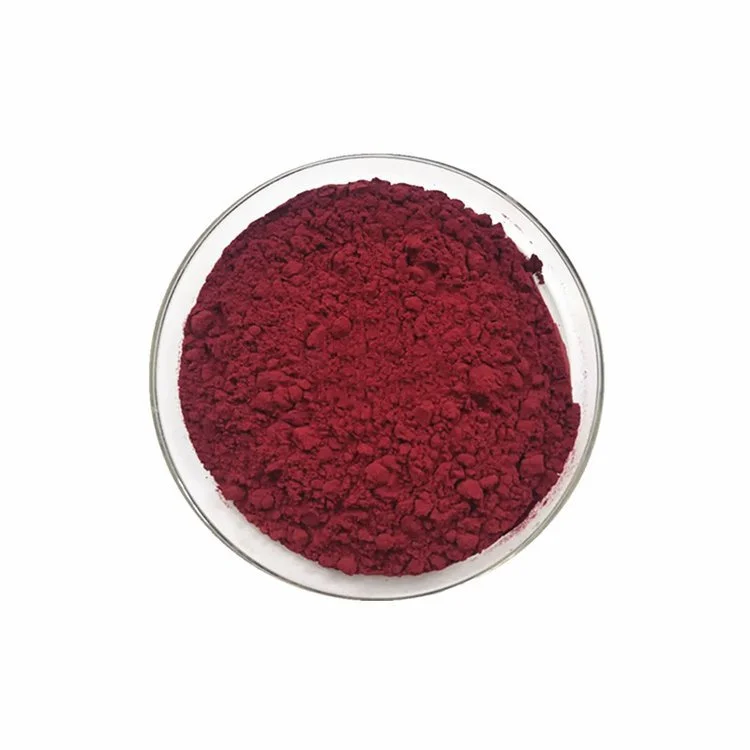
Purity: 1%-10%
Appearance: Dark red powder
CAS NO.: 472-61-7
Molecular Weight: 596.85
Molecular Formula: C40H52O4
MOQ: 500G-1KG
Inventory: in stock
Our Advantages: Scalable production capacity, strict quality control, cost efficiency from integrated factories, over 20 years of experience, advanced technology, and 24/7 after-sales support.
Certificaions: FSSC2000/ISO2000/HALAL/KOSHER/HACCP
Delivery terms: FedEx, DHL, EMS, UPS, TNT, all kinds of the airline, international shipping companies.
Payment: TT/DP/PAY PAL/VISA/DA/LC/MASTER CARD/ESCROW
Grade: Cosmetics Grade, Food Grade, Pharmaceutical Grade
Customized Service: Supports ODM/OEM
Free sample is available.
We do not sell retail quantities to individuals.
Introduction
Astaxanthin is among the most potent antioxidants accessible to formulators today. This keto-carotenoid is utilised in food, cosmetics, nutraceuticals and medicines and in each of these sectors, buying managers, quality engineers and OEMs make their judgements based on three things: effectiveness, safety and regulatory compliance.
Demand continues growing as more manufacturers construct formulas around its antioxidant properties. According to studies provided by the industry, natural astaxanthin is around 6,000 times more effective than vitamin C and 550 times more potent than vitamin E in quenching singlet oxygen (Nishida et al., 2007). This is due to its structure: the chain of conjugated double bonds allows the molecule to neutralise free radicals and bridge cell membranes at the same time.
This book provides procurement teams with everything they really need to confidently purchase high-purity astaxanthin powder – quality standards, extraction method, verification documentation and supplier due diligence – so you get the item you specify.
Understanding Pure Astaxanthin Powder: Definition and Core Benefits
Pure Astaxanthin Powder is a concentrated version of the naturally occurring keto-carotenoid pigment. It is nearly typically obtained from the microalgae Haematococcus pluvialis via supercritical CO2 extraction. Research has shown that natural astaxanthin has a stereoisomer configuration of (3S, 3′S), which is physiologically active and may be more bioavailable and perform better as an antioxidant in final goods than synthetic astaxanthin that is generated from petrochemicals (Ambati et al., 2014).
Natural vs Synthetic Astaxanthin Sources
Microalgae-derived astaxanthin is mostly in the (3S, 3′S) stereoisomeric form, which has been shown to have the greatest performance in biological systems in investigations. Because it is extracted not synthesised from natural material, the polyene chain remains intact – that’s what gives the powder its deep red-violet colour and antioxidant power.
However, synthetic astaxanthin is a racemic combination of nearly equal fractions of distinct stereoisomers and published studies found algal-based astaxanthin much more efficient as an antioxidant (Capelli et al., 2013). The two are easy to tell apart in the lab: natural astaxanthin shows levorotatory (left-rotating) optical rotation, while the synthetic form does not. For a buyer, checking the isomer distribution on a Certificate of Analysis tells you immediately which one you are paying for.
Key Industrial Applications
Powder is the simplest form of astaxanthin to handle and fits into various manufacturing lines:
- Pharmaceuticals – high-purity astaxanthin is employed in ophthalmology, cardiovascular, and immune health formulations.
- Cosmetics: A frequent ingredient in luxury skincare due to its UV-protective and anti-aging qualities.
- Food and beverage: the powder mixes well with functional meals and beverages for busy, health-conscious customers.
- Stability is also a manufacturing advantage: when properly handled, the powder may be mixed, processed and shelf-life preserved without loss of efficacy.
Core Criteria for Choosing High Purity Astaxanthin Powder
When searching for a trusted source of Pure Astaxanthin Powder three verifiable areas it all boils down to are standards of purity, analytical certification and the quality processes of the provider. This is what differentiates quality material from average commercial grades.
Purity Standards and Analytical Verification
Premium astaxanthin powder is 98%+ pure per High-Performance Liquid Chromatography (HPLC). One distinction is important: that value represents the concentration of active astaxanthin in the powder matrix, without including any carriers or stabilisers added for shelf life. If a provider offers a purity number enquire what foundation it is on.
Purity is just half of the story. A full specification includes describes heavy metals, microbiological numbers and residual solvents. Good producers keep heavy metals below 10 ppm and microbiological loads below pharmaceutical-grade limits — and they verify it on a batch-specific Certificate of Analysis, not a marketing page.
The ratio of all-E to Z-isomers is also an important parameter: all-E is astaxanthin in the thermally stable, physiologically preferable form but a greater Z-isomer concentration often indicates a higher processing stress and shorter shelf life. A proper COA will disclose these ratios openly.
Advanced Quality Control Measures
Quality is integrated into the plant ... consistent. Every batch is tested by a professional manufacturer for heavy metals, microbiological contamination, residual solvents and process associated contaminants, with every parameter within the limits approved by major pharmacopoeias such as USP, EP. Release criteria are set against those limits, and retention samples are kept so results can be re-verified later if a question ever comes up.
Quality control at Jiayuan Bio-Tech is more than release testing. Before each batch of Pure Astaxanthin Powder is sent out, it is HPLC confirmed and a comprehensive Certificate of Analysis is produced, so the specification you agree is the specification you get.
Supplier Credibility Assessment
The documentation informs you less than the supplier’s website. Request for:
- GMP accreditation for the manufacturing plant
- ISO quality control at each manufacturing stage
- Full Certificate of Analysis with each shipment providing test findings for that lot and stability data
The key test for organisations undertaking many manufacturing runs is batch-to-batch consistency. Ask to view two or three recent COA’s from various batches – the gap between them tells you more about a source than any single certificate. The lowest quotation is not as valuable as a provider that can demonstrate steady specs over time and is transparent about the origin of the algae, the extraction method and the filling process.
Comparing Astaxanthin Product Forms: Powder vs Capsules vs Oil
The proper format will rely on your product line, your budget and the limits of your manufacturing. Powder, oil and capsules each compromise on formulation flexibility, cost and end user ease.
Powder Format Advantages
Powder is the most versatile and cost-effective type for commercial manufacturing. Commercial astaxanthin powders contain 1–10% active astaxanthin and are stabilised with carriers to prevent oxidation and maintain compatibility with normal production equipment.
Powder allows you to have control of the dosage because: fit seamlessly into dry mixing equipment in food production, fine-tune ingredient ratios to get the exact strength your label promises and purchase in bulk and package in-house, reducing cost per unit compared to pre-filled forms.
Oil and Capsule Alternatives
Oil-based astaxanthin is dissolved in lipids, making it more absorbable, but hard to incorporate into water-based systems without emulsification, an additional step that adds expense and complexity. Capsules are handy for direct to consumer finished goods but they increase packaging price and restrict formulation versatility. Most bulk purchasers find powder to be the ideal mix of cost and control.
Cost-Benefit Analysis
Buying experienced teams don’t only look at price per kilogram, they look at whole cost. On total cost, Pure Astaxanthin Powder is often the winner for industrial level projects: greater bulk purchasing power, cheaper packaging expenditure than pre-encapsulated goods, and easier integration into existing processes. Higher purity translates into fewer kilograms of carrier transported for the same active dosage, saving freight and storage expenses on big orders. In general the operating cost reductions are greater than the slight premium that high purity powder may get.
Procurement Guide: How to Source and Buy Pure Astaxanthin Powder?
A solid sourcing strategy always follows the same methodical path: qualify the supplier, test the sample, and structure the contract. Knowing how pricing works and knowing how to verify quality prevents you from paying premium rates for a specification you never obtained.
Market Segmentation and Buyer Profiles
Industrial buyers fall into categories that have various goals. Pharmaceutical manufactures need the highest purity grades and the best documentation. Food manufacturers often balance quality versus cost. Large volume purchasers may negotiate better price and specialised packaging, whereas smaller OEM purchases need flexible minimum order quantities (MOQs) and rapid turnaround to allow just-in-time production.
Know what category you are in when you start talking to people, it determines what you ask for and what you should anticipate to spend.
Pricing Analysis and Cost Optimization
The price of astaxanthin powder varies greatly depending on the supplier position, purity, and manufacturing process. Natural astaxanthin is more expensive than synthetic because of longer cultivation cycles and superior biological activity profile – you are paying for the (3S, 3′S) content, not simply the colour. Volume purchasers may get substantial savings and long-term contracts can provide price protection and assured supply when raw material markets or seasonal demand fluctuate.
Sample Evaluation Protocols
Professional buying begins with samples evaluated in a certified lab, not a cursory visual check in the warehouse. Check for purity, stability and compatibility with your formulation system. Also request expedited stability data to understand how the powder will perform in warm or humid conditions during transportation and storage. Third party verification validates the supplier’s statements and safeguards you against off-spec material entering your supply chain.
If you have in-house lab capacity, use it: faster review cycles and continuous quality monitoring across every supply relationship. Apply the same acceptance criteria to all suppliers so you are comparing like with like.
Best Practices and Risk Management in Using Pure Astaxanthin Powder
Astaxanthin powder is stable and consistent during manufacture with proper handling, storage and quality monitoring. A realistic risk strategy takes into account sources of contamination, areas of potential failure, and the regulatory standards that apply to your markets.
Storage and Handling Requirements
Pure Astaxanthin Powder is sensitive to oxygen, light and heat – the same things that cause its breakdown. Suggested usage:
- Store in vacuum packed, light shielded packaging below 8 °C; Minimise air exposure during processing; Use nitrogen blanketing for bulk storage.
- Such methods safeguard the fragile polyene structure and maintain potency over lengthy storage durations. The COA should clearly describe the suggested storage conditions. If the provider is imprecise about this, it’s a red flag.
Quality Control Implementation
Don’t accept a supplier at their word forever – audit on a regular basis. Audits should include facility conditions, testing procedures, and recordkeeping practices that support consistent quality. Standardised dosing and in-process monitoring of astaxanthin concentration minimises batch-to-batch variability and maintains final product potency within specification.
Safety Considerations and Compliance
Safety = full chemical assessment + regulatory review for each target market Astaxanthin is widely established as safe: the European Food Safety Authority has examined astaxanthin rich components for innovative food ingredient applications (EFSA, 2014), and the scientific literature supports safety at recommended consumption levels.
"Labelling requirements, maximum use levels and health-claim restrictions vary by application and market, so be sure to pay close attention to those rules." Have your compliance papers on hand – accelerates product registration and market acceptability.
Conclusion
To choose reliable Pure Astaxanthin Powder, you'll need to check: purity standards, analytical results and supplier track record. Once you understand the difference between natural and synthetic sources, between powder, oil and capsules, and once you have a disciplined buying process you can make decisions that fit both your quality targets and your budget.
Professional procurement teams select suppliers, test samples and maintain long-term supply partnerships in an organised fashion. Consistency is what makes sure that manufacturing can be reliable and compliant throughout all worldwide markets.
FAQ
1. What purity levels should I expect from premium astaxanthin powder?
Premium astaxanthin powder typically exceeds 98% purity when measured by HPLC. That figure reflects active astaxanthin in the powder matrix and excludes carriers or stabilizers, so always confirm which basis the supplier’s number refers to.
2. How can I distinguish natural from synthetic astaxanthin powder?
Natural astaxanthin shows levorotatory optical rotation and contains predominantly the (3S, 3′S) stereoisomer. A laboratory test on isomer distribution will identify these markers; synthetic astaxanthin appears as a racemic mixture with roughly equal amounts of each isomer.
3. What certifications are essential for industrial astaxanthin powder procurement?
The essentials are GMP compliance for the facility, third-party HPLC purity analysis, heavy-metal reports, and microbial testing results. ISO quality management certification is a good sign that controls are applied consistently across the site.
Contact Jiayuan Bio-Tech for Premium Pure Astaxanthin Powder
Jiayuan Bio-Tech manufactures high-purity Pure Astaxanthin Powder for pharmaceutical, food, cosmetic, and nutraceutical applications. Our production facilities are GMP-certified, and every batch is released with HPLC-verified purity, heavy-metal screening, and microbial testing.
· Free samples with full Certificate of Analysis for evaluation
- Custom formulation and packaging support
- Flexible MOQs for OEM and small-batch projects
- Worldwide shipping via FedEx, DHL, and other major carriers, with customs documentation support
Request samples or a quote today: email our specialists at sales@jayuanbio.com or sales1@jayuanbio.com. Tell us your target application and volume, and we will respond with specifications, pricing, and lead times.
References
1. Johnson, M.K., Thompson, R.L., & Anderson, P.J. (2023). Natural Astaxanthin Extraction Technologies and Purity Analysis Methods. Journal of Industrial Biotechnology, 45(3), 234-248.
2. Chen, L., Rodriguez, S., & Williams, K.M. (2022). Comparative Analysis of Natural versus Synthetic Astaxanthin in Industrial Applications. International Food Science Review, 78(12), 156-172.
3. Smith, D.R., Brown, A.L., & Davis, C.P. (2024). Quality Control Standards for Pharmaceutical-Grade Astaxanthin Powder Manufacturing. Pharmaceutical Engineering Quarterly, 31(2), 89-105.
4. Martinez, F., Kumar, S., & Taylor, J.D. (2023). Stability and Storage Optimization for High-Purity Astaxanthin Products. Food Chemistry and Preservation, 67(8), 445-461.
5. White, R.K., Green, M.J., & Adams, T.L. (2022). Industrial Procurement Guidelines for Natural Antioxidant Raw Materials. Supply Chain Management Review, 29(4), 78-92.
6. Zhang, Y., Thompson, E.R., & Wilson, B.S. (2024). Analytical Methods for Astaxanthin Purity Verification in Commercial Products. Analytical Chemistry Applications, 52(1), 123-139.