Astaxanthin Powder Bulk Buying Guide for Smart Businesses
Sourcing Astaxanthin Powder Bulk is a strategic choice for organisations in the nutraceutical, cosmetic, pharmaceutical and functional food industries. This book leads B2B buyers through the main factors to consider — including quality standards, supplier assessment, pricing structures, and formulation best practices — to empower you to make smart procurement choices that will boost your product pipeline.
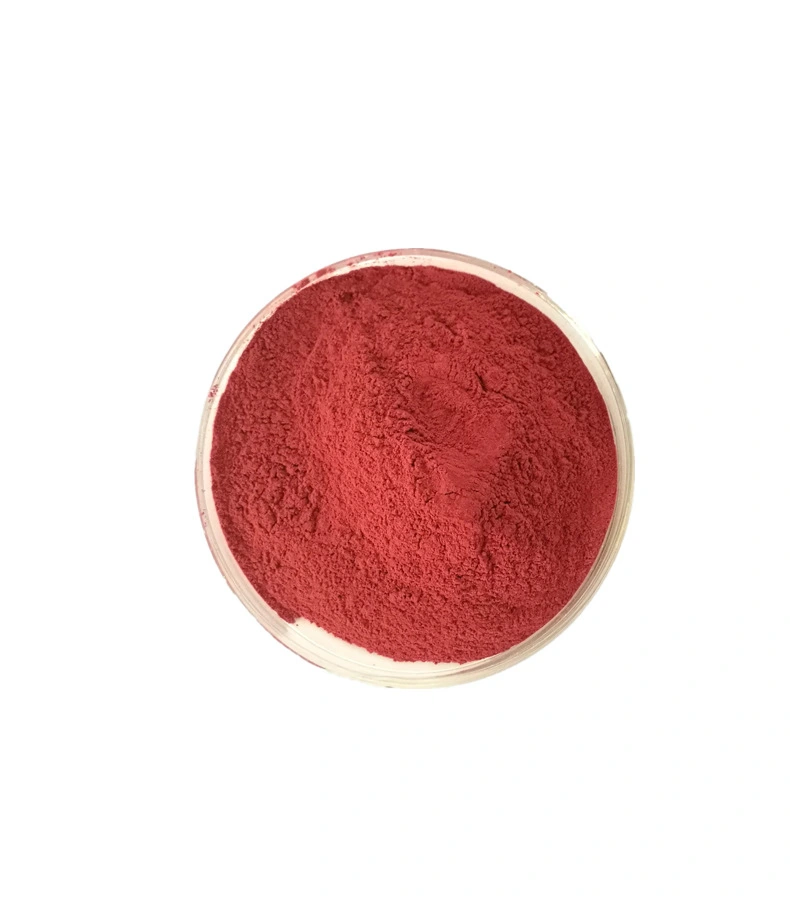
Purity: 1%-10%
Appearance: Dark red powder
CAS NO.: 472-61-7
Molecular Weight: 596.85
Molecular Formula: C40H52O4
MOQ: 500G-1KG
Inventory: in stock
Our Advantages: Scalable production capacity, strict quality control, cost efficiency from integrated factories, over 20 years of experience, advanced technology, and 24/7 after-sales support.
Certificaions: FSSC2000/ISO2000/HALAL/KOSHER/HACCP
Delivery terms: FedEx, DHL, EMS, UPS, TNT, all kinds of the airline, international shipping companies.
Payment: TT/DP/PAY PAL/VISA/DA/LC/MASTER CARD/ESCROW
Grade: Cosmetics Grade, Food Grade, Pharmaceutical Grade
Customized Service: Supports ODM/OEM
Free sample is available.
We do not sell retail quantities to individuals.
What Is Astaxanthin Powder Bulk and Why Is It Valuable for Businesses?
Astaxanthin is one of nature’s most powerful antioxidants and comparative in vitro tests have shown its free radical scavenging ability to be significantly greater than that of Vitamin C and CoQ10. Buying in bulk is a cheap method for producers to ensure a sufficient supply of good quality for mass manufacturing.
Natural Sources and Extraction Excellence
The greatest levels of natural astaxanthin are obtained from the cultivation of Haematococcus pluvialis microalgae under regulated circumstances that cause the accumulation of pigment in the stress phase. The technique of choice for obtaining high-purity astaxanthin powder is supercritical CO2 extraction that eliminates the lipid matrix but preserves the molecular integrity of the carotenoid. The resultant powder fulfils the rigorous purity criteria for pharmaceutical and cosmetic applications.
Astaxanthin, however, is naturally susceptible to light, heat and oxygen exposure. To combat this, several of the main manufacturers have created micro-encapsulation technologies, such as beadlet formulations and dedicated coating systems. These methods prevent the active chemical from degradation hence increasing shelf life and guaranteeing product stability during supplement, food and functional product use.
Commercial Applications Across Industries
Natural astaxanthin powder is used in many sectors, with different quality and formulation needs for each:
- Nutraceuticals: Softgels, hard capsules and tablets for eye health, cardiovascular support and reduction of oxidative stress. The powder has a good flowability for high speed encapsulation lines.
- Cosmetics & Skincare : In serums, creams and emulsions for UV protection and anti-aging effects. Cold Water Dispersible (CWD) grades may be readily blended into water based compositions with no negative impact on texture or stability.Food and Beverage: Used as a natural colorant and functional ingredient in health-oriented drinks and fortified foods.
- Understanding which grade suits your application prevents overpaying for specifications you don’t need — or under-specifying and compromising product performance.
How to Choose the Right Astaxanthin Powder Bulk Supplier?
When choosing a supplier, three main factors must be considered: manufacturing capacity, quality control, and regulatory compliance. Be precise when contacting suppliers about your requirements: potency level, minimum order number, lead time and budget range. This preparation helps you select suppliers effectively and build a procurement relationship that grows with your organization.
Critical Supplier Evaluation Criteria
Try to find vendors with certificates like GMP (Good Manufacturing Practices), ISO certifications and if possible organic certifications. A reliable provider should offer:
- Certificate of Analysis (CoA) for each production batch
- Data of stability research for the proposed shelf life
- Third party lab test results verifying astaxanthin concentration and purity
Consider the production flexibility, with documentation – can the supplier change potency grades, particle size, or container forms to meet your formulation needs? Suppliers should be honest about their waste management processes, quality control checkpoints and contamination avoidance methods. The industry standard for validating astaxanthin potency and testing for possible impurities is High-Performance Liquid Chromatography (HPLC).
Quality Assurance and Testing Protocols
Potency testing is just part of quality testing. Each batch has to be tested for:
- Heavy metals (lead, arsenic, mercury, cadmium)
- Microbial contamination (total plate count, yeasts, moulds, pathogens)
- Residual solvents from the extraction process
The best vendors examine every batch and keep documents that may be traced back to the actual lot of cultivation. In addition to purity verification, residual extraction medium testing is performed, along with the verification of no particle contamination of the final powder. This thorough procedure guarantees that the final component offers consistent antioxidant efficacy in your end goods.
Navigating Price and Quality: What to Expect When Buying Astaxanthin Powder Bulk?
Astaxanthin Powder Bulk Market Price What Factors Influence the Price of Astaxanthin Powder? Quality of Microalgae Cultivation Harvest Efficiency Extraction Method Global Supply Chain Conditions The natural astaxanthin is preferred over synthetic ones due to the presence of (3S, 3’S) stereoisomer which is linked with greater bioavailability and customer preference. The initial cost is greater but the benefits of the formulation frequently make it a worthwhile investment for premium product positioning.
Price Structure and Hidden Costs
Bulk astaxanthin price is usually based on volume, with bigger orders unlocking reduced per-kilogram cost. But the reported unit price is just half of the TCO. B2B purchasers need to consider:
- International shipping and cargo insurance
- Customs duties and levies on imports
- Variations in currency rates
- Warehousing & storage expenses
A good supplier will provide end-to-end logistical assistance, including temperature-controlled shipping to ensure the items are protected in transit, and help with customs clearance to reduce delays. When evaluating the suppliers, find out if these services are included in the advertized price, or whether there will be additional fees along the way?
Quality vs. Cost Optimization
The first step in balancing price and quality is to determine precisely what your application needs. High potency grades (e.g. 5% or 10% astaxanthin) enable lower inclusion rates in final goods, which might balance the greater cost per kilogram, particularly for premium-positioned supplements. If maximal antioxidant capacity is not the main selling feature, standard grades could be enough.
The trick is not to pay for specs you don’t need, while ever sacrificing on safety and regulatory compliance. Regulatory filings are supported by well-documented safety data, which offers formulation teams confidence as they create new products.
Best Practices for Using Astaxanthin Powder Bulk in Your Products
The proper formulation depends on understanding the optimal dosage ranges and how astaxanthin interacts with other components. Clinical studies frequently recommend 4 mg to 12 mg as an appropriate daily dose for nutritional supplements. The formulator has to determine the quantity of Astaxanthin Powder Bulk required to reach the desired dosage, considering the astaxanthin potency percentage, and also to stay within the regulatory limits for the target market.
Formulation Considerations and Stability
Because astaxanthin is lipophilic (fat-soluble), carrier systems and processing conditions require careful planning:
- Generally, oil-based formulations provide improved stability and bioavailability over water-based solutions.
- Cold Water Dispersible (CWD) grades may be added to drinks and water-based products with no loss of effectiveness.
- It is vital to manage the temperature during processing – observe your supplier’s maximum processing temperature guidance to avoid molecular degradation.
- Proper storage conditions – temperature control, moisture barrier packaging, light protection – are also vital to ensure potency throughout the manufacturing cycle and the life of the product.
Regulatory Compliance and Labeling
Different countries or regions have different regulations for astaxanthin products. Health claims, authorised dose levels and labelling standards are regulated by major markets like US (FDA), EU (EFSA) and others. The main issues of compliance are:
- Ensuring health claims are proven and in line with local regulations
- Making sure that the label statements appropriately represent the astaxanthin concentration in the end product
- Keeping records that monitor quality control at every level of the supply chain
Formulation teams receive regulatory documents like as CoAs, allergy declarations, and country-specific compliance dossiers from reputable suppliers for regulatory submissions. Interested in discussing your own regulatory requirements? Please contact Jiayuan Bio-Tech for customised compliance assistance at sales@jayuanbio.com or sales1@jayuanbio.com.
Future Trends and Opportunities in Astaxanthin Powder Bulk Procurement
As consumer knowledge of natural antioxidants rises, the astaxanthin industry continues to change. With advances in microalgae growth and extraction technologies, manufacturing prices are coming down while maintaining quality standards and high-grade astaxanthin is becoming available to a wider variety of firms.
Emerging Applications and Market Expansion
The application footprint of astaxanthin is being expanded into the fields of cognitive health, sports nutrition and advanced anti-aging skincare via ongoing research. Those who formulate with high grade astaxanthin today will be in a good position as these markets mature.”Sustainability is also becoming a procurement decision factor. Suppliers investing in renewable energy, closed-loop water systems, and responsible cultivation practices are aligning with both consumer expectations and regulatory trends — while often achieving long-term operational cost savings that can be passed on to buyers.
Conclusion
Sourcing Astaxanthin Powder Bulk entails knowing quality requirements, assessing supplier capabilities and navigating market considerations that affect long term procurement value. Premium astaxanthin ingredients are a smart choice that distinguish your goods, earn consumer confidence and provide sustained competitive advantage. This guidance may be used as a framework for evaluating suppliers, with the emphasis on consistent quality, regulatory compliance and technical knowledge to support your formulation objectives.
FAQ
1. What distinguishes natural astaxanthin powder from synthetic alternatives?
Natural astaxanthin from Haematococcus pluvialis is mostly (3S, 3’S) stereoisomer, which study shows has more antioxidant activity than mixed stereoisomers in synthetically generated astaxanthin. Natural astaxanthin also showed greater bioavailability and hence is chosen for premium nutraceutical and cosmetic formulations, even if more expensive.
2. How should astaxanthin powder be stored to maintain potency?
Keep astaxanthin powder in a tightly sealed container, away from light, and in a cold, dry place, preferably below 25°C. Most commercial grades will have effective efficacy for 24-36 months when properly kept. Other preservation techniques include nitrogen flushing (replacing oxygen with inert nitrogen gas) and vacuum-sealed containers to reduce oxidation.
3. What minimum order quantities are typical for bulk astaxanthin purchases?
The minimum order sizes vary from provider to supplier but usually the first orders are from 1 kilogram to 25 kg. bigger quantities often translate into more attractive price per kilogram, while lesser minimums enable customers to test product quality before making bigger orders. Well-established suppliers such as Jiayuan Bio-Tech may entertain modest trial orders from qualified clients with development potential.
Partner with Jiayuan Bio-Tech for Premium Astaxanthin Powder Bulk Solutions
At Jiayuan Bio-Tech, we help B2B buyers source Astaxanthin Powder Bulk with confidence. Our GMP-certified production facility produces consistent, high-potency astaxanthin powder that meets the demanding specifications of nutraceutical, skincare, and pharmaceutical manufacturers. We offer:
- Flexible minimum order quantities for product evaluation
- Competitive bulk pricing with transparent cost structures
- Full logistics support including customs clearance assistance
- Complete quality documentation with every batch
Ready to discuss your astaxanthin procurement needs? Our technical team is available to answer formulation questions and arrange sample shipments. Contact us at sales@jayuanbio.com or sales1@jayuanbio.com to start the conversation.
References
1. Ambati, R.R., Phang, S.M., Ravi, S., & Aswathanarayana, R.G. "Astaxanthin: Sources, Extraction, Stability, Biological Activities and Its Commercial Applications." Marine Drugs, 2014.
2. Capelli, B., Bagchi, D., & Cysewski, G.R. "Synthetic Astaxanthin is Significantly Inferior to Algal-Based Astaxanthin as an Antioxidant and May Not Be Suitable for Human Nutraceutical and Cosmetic Uses." Nutrafoods Research, 2013.
3. Higuera-Ciapara, I., Felix-Valenzuela, L., & Goycoolea, F.M. "Astaxanthin: A Review of Its Chemistry and Applications." Critical Reviews in Food Science and Nutrition, 2006.
4. Hussein, G., Sankawa, U., Goto, H., Matsumoto, K., & Watanabe, H. "Astaxanthin, a Carotenoid with Potential in Human Health and Nutrition." Journal of Natural Products, 2006.
5. Lorenz, R.T. & Cysewski, G.R. "Commercial Potential for Haematococcus Microalgae as a Natural Source of Astaxanthin." Trends in Biotechnology, 2000.
6. Panis, G. & Carreon, J.R. "Commercial Astaxanthin Production Derived from Microalgae: A Review." Algal Research, 2016.