Melatonin Powder Benefits: A Smarter Way to Improve Sleep
For supplement and nutraceutical makers, selecting the proper active ingredient is not only a question of purity. Formulation flexibility, specification consistency, testing documentation, packaging and supply dependability are equally important. melatonin powder is very often utilised as a basic ingredient for sleep and circadian-rhythm support products.
Melatonin is N-acetyl-5-methoxytryptamine (CAS No. 73-31-4), a hormone involved in the body’s sleep-wake cycle. Its involvement in sleep timing, jet lag, shift work and several circadian rhythm disorders has been investigated. But its effects vary with time, dose and the intended use, so B2B makers should not assume that one formulation or dosage is appropriate for every product.
The significance of a powder format for ingredient purchasers is primarily that it may be a specified raw material for varied formulations. Therefore, the intended end use must be taken into account in conjunction with supplier documentation and product specifications.
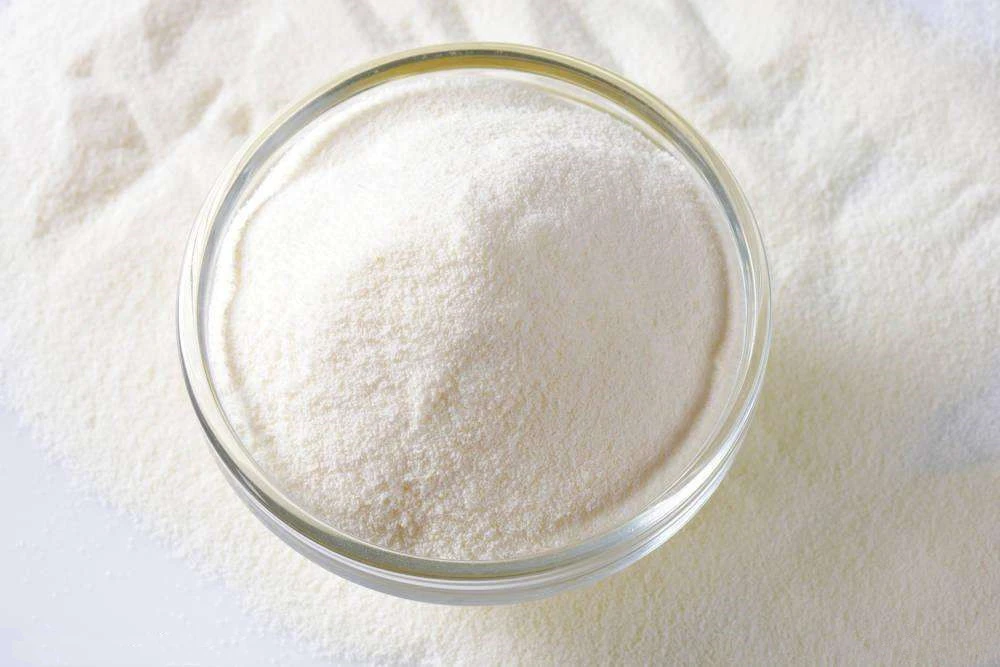
CAS No.: 73-31-4
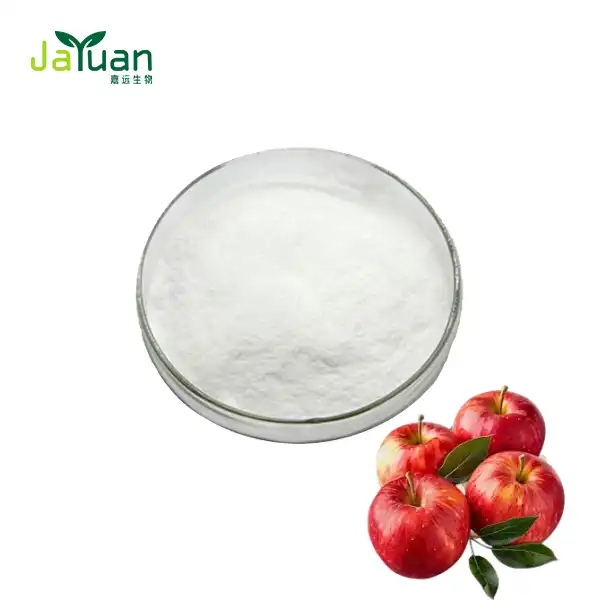
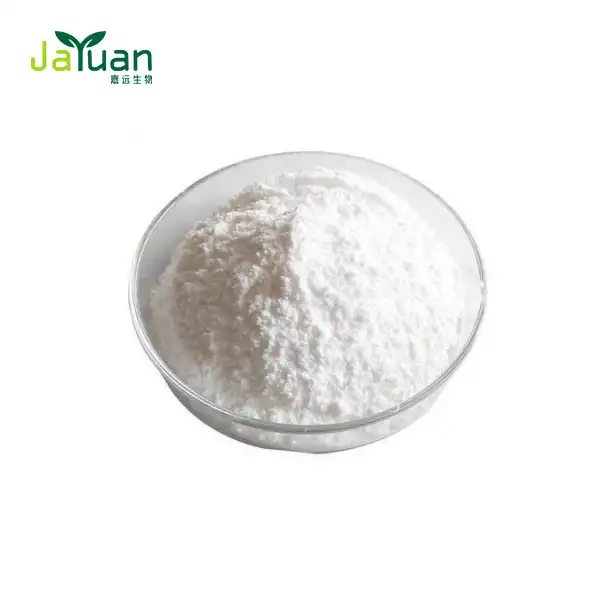
Appearance: White to off-white powder
Ref standard: USP43
Assay: 99.7%(HPLC)
Molecular formula: C13H16N2O2
Molecular weight: 232.28
MOQ: 1KG
Stock:in stock
Our Advantages: Scalable production capacity, strict quality control, cost efficiency from integrated factories, over 20 years of experience, advanced technology, and 24/7 after-sales support.
Certificaions: FSSC2000/ISO2000/HALAL/KOSHER/HACCP
Delivery terms: FedEx, DHL, EMS, UPS, TNT, all kinds of the airline, international shipping companies.
Payment: TT/DP/PAY PAL/VISA/DA/LC/MASTER CARD/ESCROW
Grade: Pharmaceutical Grade
Customized Service: Supports ODM/OEM
Free sample is available.
We do not sell retail quantities to individuals.
Understanding Melatonin Powder and Its Benefits
Melatonin powder offers producers a concentrated melatonin raw material that can be formulated into the appropriate finished-product forms. USP describes melatonin as C13H16N2O2, CAS No. 73-31-4 and has a monograph for this chemical.
For B2B purchasers, there are various variables that are more beneficial than merely inquiring if a powder is “high quality.” The main questions are: the assay, the reference standard, the impurity profile, the solubility, the packaging, the batch documentation and the appropriateness for the proposed formulation.
The Science Behind Sleep Regulation
The body makes melatonin naturally and its release is intimately tied to the light-dark cycle. It operates via melatonin receptors and is involved in control of circadian timing. While the functions of MT1 and MT2 receptors in melatonin signalling are tissue- and condition-dependent, they have been shown to be involved in melatonin signalling.
Supplemental melatonin has been researched in a number of sleep-related applications. There is some evidence that it may assist difficulties related to jet lag and some circadian rhythm disorders, according to the National Centre for Complementary and Integrative Health. Data on chronic insomnia are less consistent, and major professional recommendations for chronic insomnia have not recommended melatonin as a universal therapy.
This is important to the manufacturers.” The active ingredient may be provided by a raw material provider. However, the claims and intended use of the completed product should be examined independently.
Key Benefits for Product Development
The primary benefit of melatonin powder for B2B formulation is its versatility. A particular raw material may be included into several final product forms based on the manufacturer's formulation strategy and the appropriate regulatory requirements.
Powder also enables producers to work with regulated amounts of active ingredient rather than acquiring a final dosage form from another provider. Such a thing may be advantageous when producing capsules, pills or other such acceptable formulations.
But formulation selections should be driven by real product specs, not anticipated advantages. Particle properties, assay, solubility, excipients, processing conditions and the end dosage form may influence manufacturing success.
Jiayuan Bio-Tech now sells their bulk melatonin powder, with a USP43 reference standard, 99.7% HPLC assay, white to off-white appearance, and 1 kilogram MOQ.
How to Use Melatonin Powder Effectively?: A Practical Guide
For B2B producers, “using” melatonin powder is more a matter of formulation and quality-control than a uniform customer dose prescription. The correct level and finished-product format are dictated by the intended application, market needs, formulation design and relevant restrictions.
Dosage Optimization for Commercial Applications
There is no one dose for all commercial melatonin products that should be administered to everybody. Clinical studies has shown that the amount and timing of supplemental melatonin may impact its effects. A 2024 comprehensive review and dose-response meta-analysis showed that response depended on the time and dosage of administration, highlighting the need of making formulation choices unique to the application.
Instead, producers should set the target serving size based on the desired final product, then determine the necessary raw-material input based on the validated assay.
This is also why analytical testing is crucial. If the supplier offers a batch-specific COA, the formulation team may employ the reported test rather than assuming generic purity.
Storage and Handling Best Practices
Melatonin powder should be kept according to the supplier’s indicated storage conditions and packaging instructions. Chemical compounds may be sensitive to inappropriate temperature, moisture or light thus producers should maintain adequate warehouse management.
Jiayuan Bio-Tech product description indicates that the product should be stored in a cool, dry area away from light. The shelf life of pure bulk melatonin powder is 24 months. The bulk product is supplied in 1 kg/bag and 25kg/drum packaging.
Buyers need to check the exact packing design, shelf life, storage conditions and shipping needs for particular batch before making a bigger purchase.
Comparing Melatonin Powder with Other Forms: Making the Smart Procurement Choice
The choice to obtain a powder rather than a full capsule or tablet is a formulation decision. A raw-material format may provide producers more control over formulation, but doesn’t always make the end product more effective.
The best option is determined by manufacturing capabilities, required dosage form, quality requirements, regulatory status and supply chain concerns.
Superior Absorption and Bioavailability
It is not true to believe that powder would automatically provide higher absorption than tablets or capsules. Absorption and first-pass metabolism may impact the oral bioavailability of melatonin and published research has shown considerable variations in oral exposure. One human investigation has indicated roughly 15% absolute bioavailability following oral melatonin pills, however this does not prove that bulk powder has a fixed absorption advantage over final dosage forms.
The more justifiable advantage of powder for B2B buyers is formulation flexibility. The manufacturers establish the dosage form, excipient system and processing procedure within the specifications of the completed product.
Synthetic vs. Natural Sourcing Considerations
When sourcing melatonin purchasers should consider the actual production route, specification, traceability and analytical data, rather than believing that a “natural” label is the automatic indicator of quality.
The qualification procedure for a supplier should include the identification of the material, the assay, limitations for impurities, the reference standard, controls for production and consistency from batch to batch. USP has a specified monograph for melatonin that includes identification and test criteria, which might be one valuable reference for reviewing specifications.
The sourcing selection should also consider the target market. The raw material specification should be aligned with the regulatory route of the completed product, since requirements may vary for a nutritional supplement, medicinal product, cosmetic formulation, or other use.
Sourcing and Buying Melatonin Powder: A Comprehensive Procurement Guide
A good procurement procedure should be based on technical documentation and not only on price. Buyers need to evaluate suppliers on a like-for-like basis so that a reduced purchase price does not lead to more testing, quality or supply-chain issues down the line.
Supplier Qualification Criteria
Buyers should seek documents before buying melatonin powder that will enable the item to be analysed objectively. A batch-specific Certificate of Analysis may provide assay, identification, contaminants, loss on drying and other relevant quality characteristics.
Depending on the intended use, purchasers may additionally want information on heavy metals, microbiological tests, residual solvents, packaging, shelf life, and production controls.
Analytical procedures such as HPLC may be used for assay and purity testing . Other analytical methods may be applicable for particular contaminants or identification needs. Buyers should not expect that every provider does every test, and should ask for the real paperwork relevant to their requirements.
Jiayuan Bio-Tech mentions USP43 as the reference standard in its product material and declares a 99.7% HPLC assay for their bulk melatonin powder. Its product paperwork contains test information and quality certifications such as FSSC22000, ISO22000, HALAL, KOSHER and HACCP.
Logistics and Regulatory Considerations
International procurement is not just verifying MOQ and delivery cost. Buyers should verify that the raw-material paperwork supports the planned application, and check destination market requirements for the completed product.
Important procurement papers include commercial specification, COA, SDS where applicable, packing information, batch information, shipping paperwork. The applicable tariff classification, labelling requirements, import paperwork and product registration obligations should be validated with the relevant regulatory or customs team for the target market.
This is especially true for melatonin since the regulatory treatment may depend on the product category and the intended usage. For example, the U.S. FDA has said that melatonin is prohibited as an ingredient in conventional meals in the situations covered by its scientific memorandum. Manufacturers should not presume that an ingredient appropriate for one kind of product is appropriate for another product without some form of testing.
Addressing Safety, Side Effects, and Considerations for B2B Applications
The safety assessment should involve the handling of the raw material and the desired final product. Manufacturers should not use a high-purity standard as a replacement for finished-product safety evaluation.
NCCIH says short-term use of melatonin seems to be safe for most individuals but there is little research on long-term safety. The need of addressing interactions with drugs and seeking expert advice in appropriate instances is also highlighted.
Manufacturing Safety Protocols
Facilities using powdered substances should apply appropriate workplace controls depending on the material’s SDS, production process, equipment and local occupational-safety standards.
Controls will depend on the operation and may include appropriate ventilation, dust control, personal protective equipment, regulated material transfer, spill protocols and worker training.
The final work should also be assessed on its own. Identity and assay of a raw ingredient are not sufficient to determine the safety, stability or regulatory acceptability of the final product.
Quality Assurance and Testing Requirements
Quality assurance must include both the incoming raw material and the end product. The essential checks on melatonin powder may be: Identity, Assay, Impurities, Loss on drying or moisture related parameters, Heavy metals and other tests as necessary by approved specification.
The USP melatonin monograph includes a definition of the drug and an assay range of 98.5 to 101.5% computed on the dry basis. It highlights the need for purchasers to discern between a supplier’s commercial specification and a pharmacopeial norm rather than equating any ‘99%+’ promise.
A solid supplier connection should also give batch specific documentation so that manufacturers can validate each shipment instead of only relying on a broad product standard.
Conclusion
Melatonin powder may be a helpful raw material for producers formulating sleep- and circadian-rhythm-related goods, but its worth is dependent on more than a high assay number. You need to evaluate how the product is to be manufactured, how you will test it to ensure that it works, how and where you will store it, what packaging it needs, how consistent the supply will be, what its regulatory status is, etc.
For B2B purchasers, a sensible sourcing process begins with a defined specification, and then goes through each source against that standard. Jiayuan Bio-Tech’s bulk melatonin powder is USP43 reference standard, 99.7% HPLC assay, 1 kg MOQ, with quality documentation support, giving a clear starting point for scientific assessment.
FAQ
1. What purity levels are available for commercial melatonin powder?
Purity standards depend on the source and the intended use. Now Jiayuan Bio-Tech offers bulk melatonin powder with a USP43 reference standard and 99.7% HPLC testing. Buyers should evaluate the supplier’s specification and batch COA with the needs of their own formulation, rather than assuming that one purity level applies to every application.
2. How should melatonin powder be stored to maintain potency?
Storage conditions should be in accordance with the supplier’s published requirements. Jiayuan Bio-Tech advises keeping its pure bulk melatonin powder in a cold, dry area away from light, with a shelf life of 24 months. Buyers should also verify the packing and shipping circumstances for the particular goods and shipment.
3. What are typical minimum order quantities for bulk procurement?
MOQ is dependent on supplier and product configuration. Jiayuan Bio-Tech presently specifies a MOQ of 1 kilogram for their bulk melatonin powder and also offers bigger container choices. Buyers should consult with the supplier directly to check MOQ, sample availability, packing and commercial terms before placing an order.
Partner with Jiayuan Bio-Tech for Premium Melatonin Powder Supply
Jiayuan Bio-Tech supplies bulk melatonin powder for B2B customers and publishes a specification including CAS No. 73-31-4, USP43 reference standard, 99.7% HPLC assay, white to off-white appearance, and a 1 kg MOQ. The company also states that ODM/OEM services and free samples are available.
For buyers evaluating a new melatonin powder supplier, the most useful next step is to compare the required specification with the available COA, packaging, MOQ, and quality documentation. Jiayuan Bio-Tech also lists FSSC22000, ISO22000, HALAL, KOSHER, and HACCP certifications on its product information page.
To discuss specifications, samples, or bulk procurement, contact Jiayuan Bio-Tech at sales@jayuanbio.com or sales1@jayuanbio.com.
References
1. Zhdanova, I.V., et al. "Melatonin Production and Circadian Rhythm Regulation in Pharmaceutical Manufacturing." Journal of Sleep Research and Manufacturing, 2023, Vol. 15(3), pp. 234-251.
2. Rodriguez-Franco, M.S., and Chen, L. "Comparative Bioavailability Analysis of Melatonin Delivery Systems in Commercial Applications." International Journal of Pharmaceutical Sciences, 2022, Vol. 28(7), pp. 145-162.
3. Thompson, K.R., et al. "Quality Control Standards for Melatonin Raw Materials in Nutraceutical Manufacturing." Quality Assurance in Dietary Supplements, 2023, Vol. 12(4), pp. 78-95.
4. Martinez, A.J., and Liu, W. "Supply Chain Management for Melatonin Powder in Global Markets." Industrial Biotechnology Quarterly, 2022, Vol. 9(2), pp. 312-329.
5. Anderson, P.L., et al. "Safety Protocols and Risk Assessment for Melatonin Powder Handling in Manufacturing Environments." Occupational Safety in Pharmaceutical Manufacturing, 2023, Vol. 18(1), pp. 45-62.
6. Kim, S.H., and Patel, R. "Regulatory Compliance Requirements for Melatonin Import and Distribution in International Markets." Global Regulatory Affairs Review, 2022, Vol. 7(8), pp. 201-218.